
Bathroom Backup Product Organization Ideas for Renters
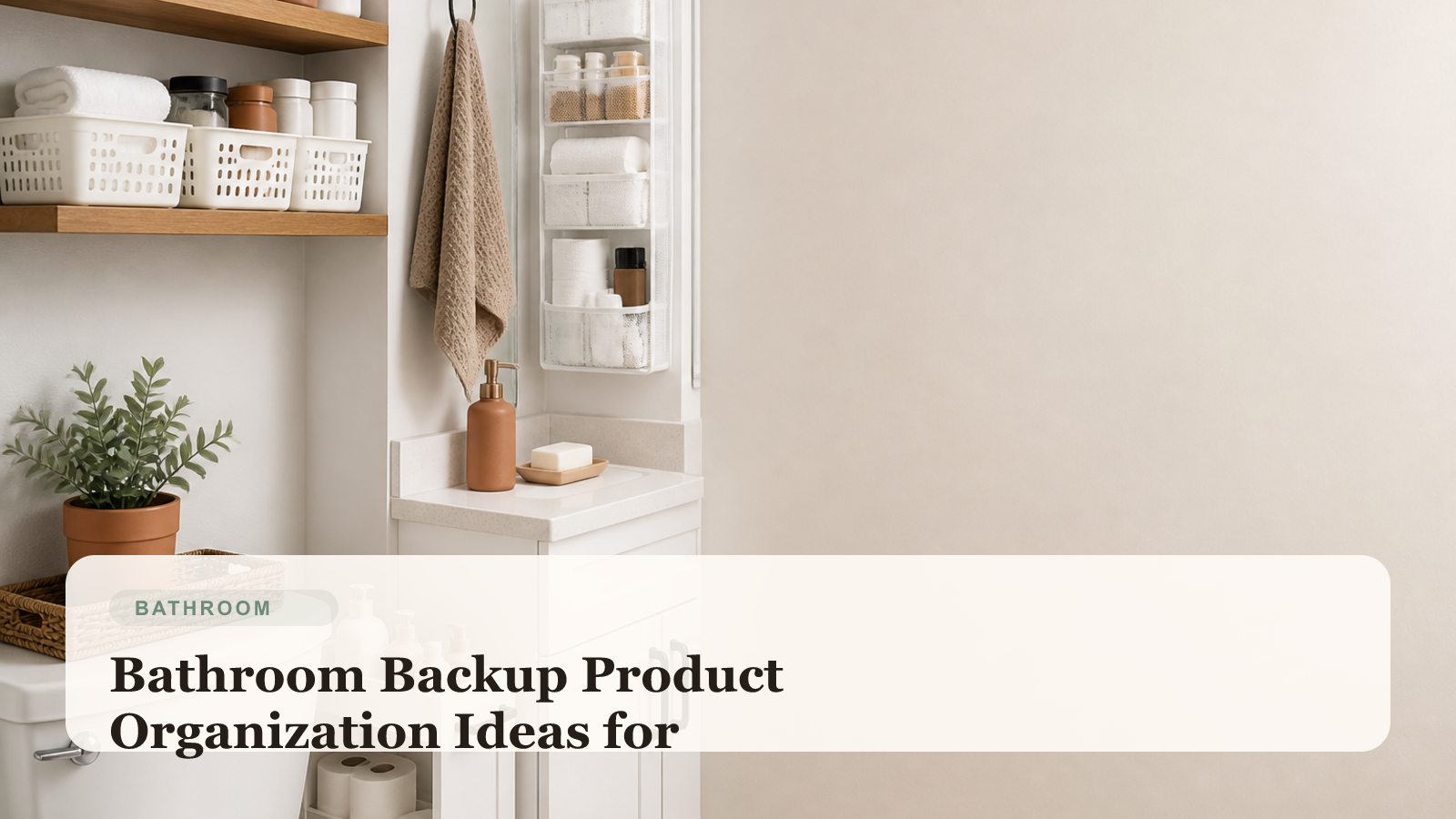
Organize bathroom backup products with clear limits, labeled bins, and renter-friendly storage zones that keep stock from taking over a small space.
Quick takeaways
- Backup products should stay grouped by category instead of scattered across the bathroom.
- Simple stock limits keep extras from silently taking over small cabinets and shelves.
- Visible labels and easy-to-lift bins make refills easier to manage.
- The best backup storage system is practical enough to scan in a few seconds.
Bathroom clutter often grows quietly through backup products. One extra shampoo bottle becomes three, spare toothpaste gets tucked behind cleaning supplies, and unopened toiletries slowly spread across the cabinet, shelves, and drawers until the room feels overfilled. None of the items seem like a problem by themselves, but together they make a small bathroom harder to use.
That is why backup product organization matters so much for renters. When extras have no clear storage system, they compete with daily-use items and make the bathroom feel tighter than it really is. A better setup keeps stock easy to find, easy to refill from, and much less likely to turn into hidden clutter.
This guide focuses on one clear search intent: bathroom backup product organization ideas for renters. The goal is to help you store extra toiletries and restock items in a way that feels controlled, realistic, and small-space friendly.
Decide which products deserve backup storage
Not every bathroom item needs backup stock in the room. A useful first step is deciding which categories you actually run through often enough to justify keeping extras nearby.
Good candidates usually include:
- toilet paper
- soap or body wash
- toothpaste
- shampoo and conditioner
- skincare staples you replace regularly
- cleaning products you use often
Categories that usually do not need much bathroom backup storage include:
- trendy or occasional products
- half-used duplicates
- hotel samples you do not reach for
- oversized refills that are hard to fit
When the backup category is limited to real repeat purchases, the whole system becomes easier to control.
Keep daily products and backup products separate
One of the biggest mistakes in bathroom storage is mixing active-use products with refill stock. That makes the daily zone crowded and makes it harder to see what needs replenishing.
A stronger system gives:
- one area for daily-use items
- one area for backup stock
That separation can look like:
- counter or tray for daily essentials
- under-sink basket for extras
- cabinet bin for refill items
- top shelf for low-use stock
The exact layout matters less than the separation itself. When the restock items are grouped together, you stop losing track of what is active and what is extra.
Group stock by category, not by random container size
Backup products are easier to manage when the groups reflect your routine instead of the shape of whatever bin happened to fit.
For example:
- one bin for oral-care extras
- one bin for shower product backups
- one bin for paper goods or hygiene basics
- one small section for skincare refills
This makes the system easier to scan and easier to refill from. Instead of digging through one mixed container, you can pull one category and know what is inside.
Set a limit for how much backup stock stays in the bathroom
Small bathrooms often feel crowded because backup products accumulate faster than they get used. That is why stock limits matter.
A practical rule might be:
- one active product
- one backup for slow-use categories
- two backups for high-use categories if space allows
You do not need to store every future refill in the bathroom itself. If you buy in bulk, keep only the next-needed stock in the room and move the rest elsewhere if possible.
A good backup system feels prepared, not overstuffed.
Use labels to reduce overbuying and confusion
Labels help more than people expect with backup storage because the problem is often not visibility alone. It is mental clarity. When bins are labeled, it becomes easier to notice what you already have and what you do not need more of.
Helpful labels might include:
- shower backups
- oral care
- skincare refills
- cleaning stock
- paper or hygiene restock
This is especially useful in shared homes or bathrooms where more than one person buys products. A label can stop unnecessary duplicates before they pile up.
Give refill stock the least convenient easy-access zone
Backup products should be accessible, but they do not need the best seat in the room. Save the most convenient spots for what you use every day.
Good places for backup stock:
- under-sink baskets
- back row of a cabinet
- upper shelf bins
- deeper side zones that are still reachable
Less ideal places:
- prime counter space
- the front of a frequently used drawer
- open shelves already carrying visible daily products
When backup stock stays in a secondary access zone, the bathroom feels more open without becoming less practical.
Store bulky categories differently from small categories
Not every backup product behaves the same. Toilet paper, cotton rounds, soap refills, and skin-care backups all need different treatment.
Bulky categories usually need:
- larger open baskets
- vertical stacking with clear limits
- fewer total extras in the room
Smaller categories often work better in:
- shallow labeled bins
- lidded boxes
- divided containers
Matching the storage to the category helps keep the room calmer. A small skincare refill box should not be competing with oversized paper goods in the same visual zone.
Reset backup storage before it turns into forgotten clutter
Stock systems become messy when expired products, duplicates, or half-used extras stay in the backup area too long.
A short reset helps:
- remove expired or unwanted products
- move half-used duplicates into active use if needed
- reduce categories that have grown too large
- wipe bins or shelves if something leaked
- update your mental restock list
This kind of reset keeps the system useful instead of letting it become hidden overflow storage.
What to avoid with bathroom backup stock
Some habits make backup product storage feel chaotic quickly.
Avoid:
- keeping too many extras in the bathroom
- storing refill items with daily items
- letting similar categories mix loosely
- buying more before checking what is already there
- using open shelves for too much visible stock
The goal is to make backup products feel calm and contained, not simply tucked away out of sight.
Final thought
Bathroom backup product organization works best when extras are grouped clearly, limited realistically, and stored in zones that support refills without crowding daily routines. For renters, this kind of system can make a small bathroom feel much easier to manage. When backup products stop spreading through every storage area, the room becomes simpler to scan, cleaner to reset, and less stressful to use.
Keep reading
Related guides worth reading next
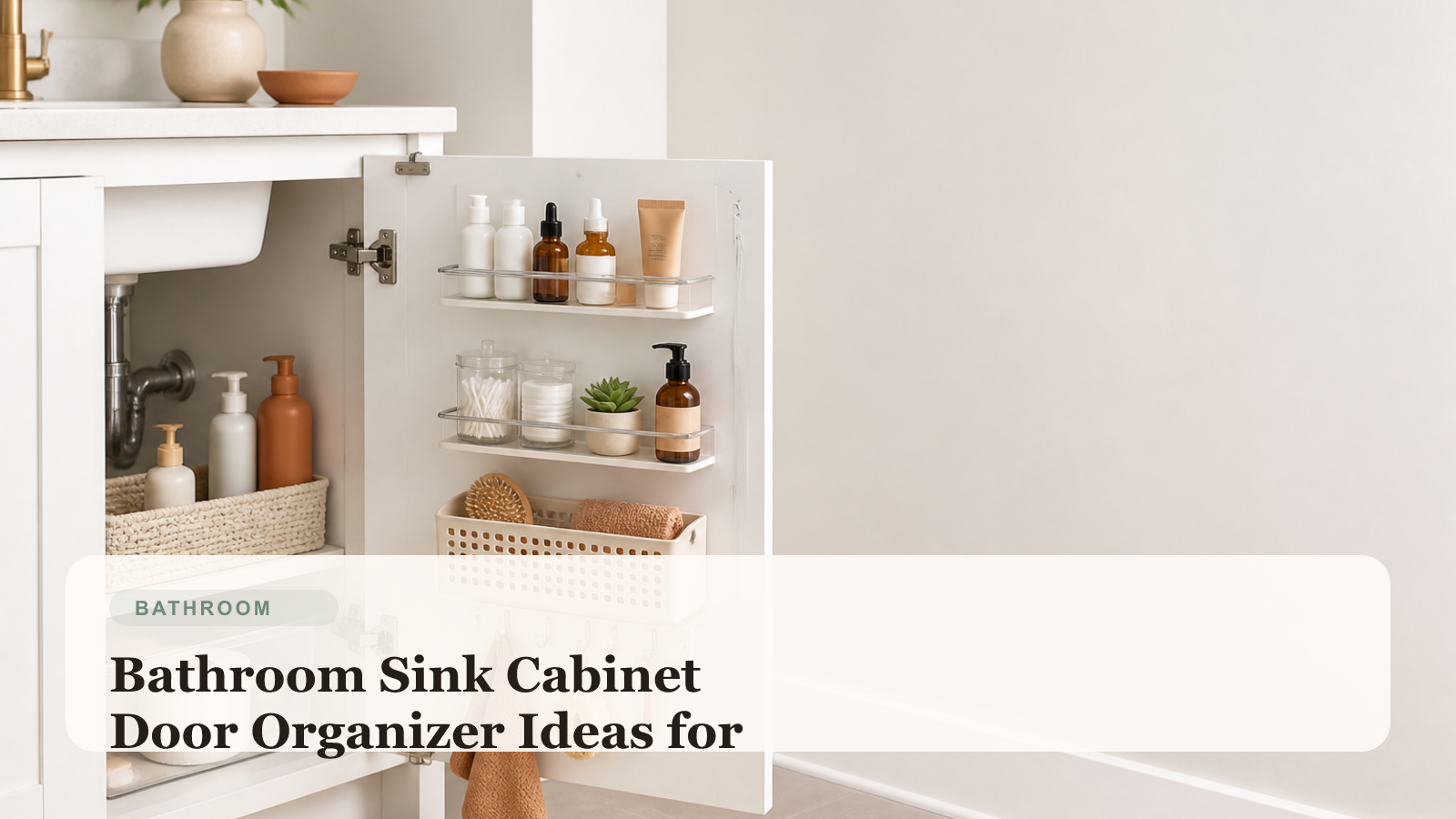
Bathroom Sink Cabinet Door Organizer Ideas for Renters
This guide focuses on one overlooked bathroom zone: how renters can use the inside of a sink cabinet door for smarter small-item storage.
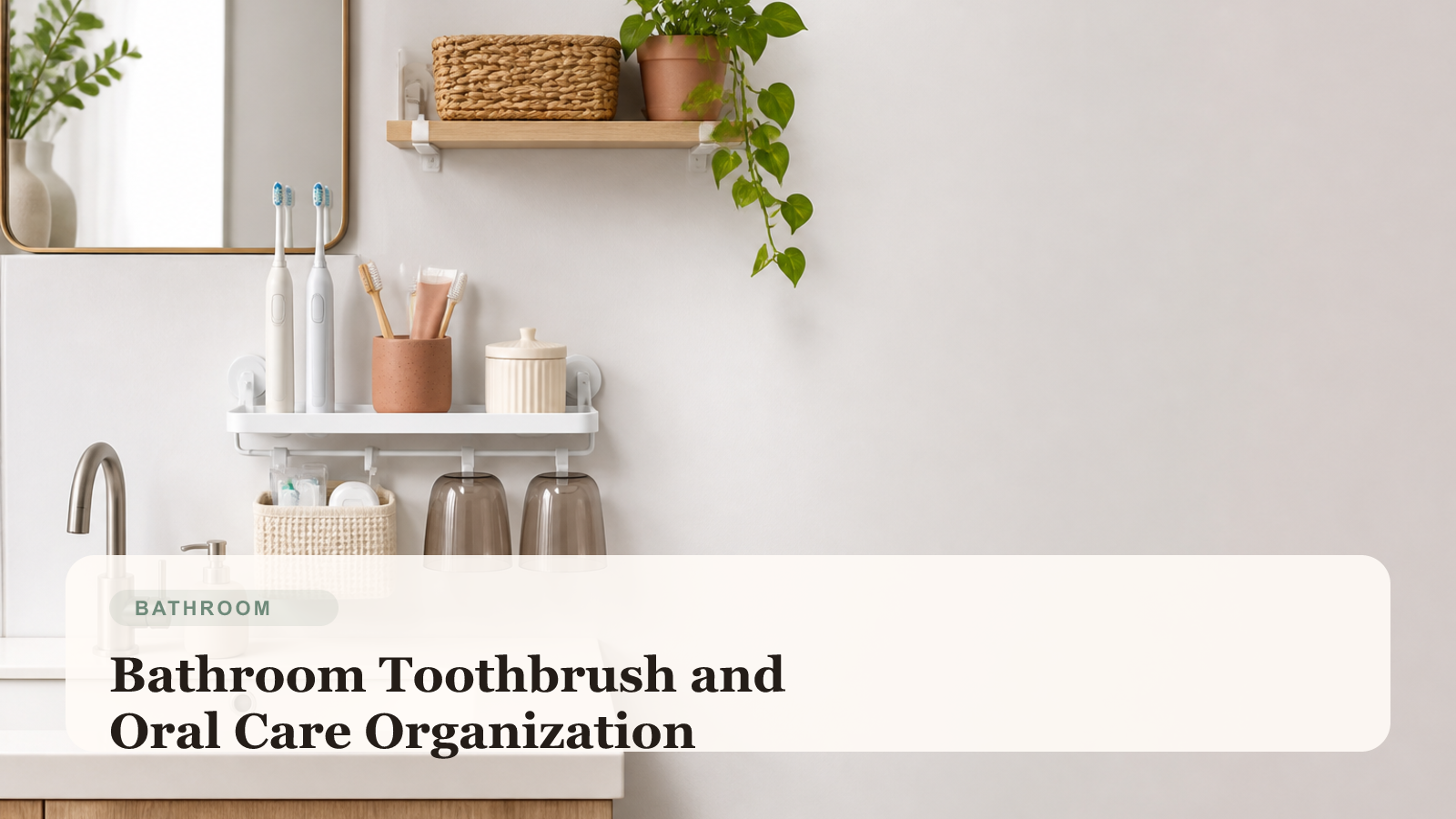
Bathroom Toothbrush and Oral Care Organization Ideas for Renters
This guide focuses on one daily bathroom category: how renters can keep toothbrushes, toothpaste, floss, and oral care refills organized without cluttering the sink.
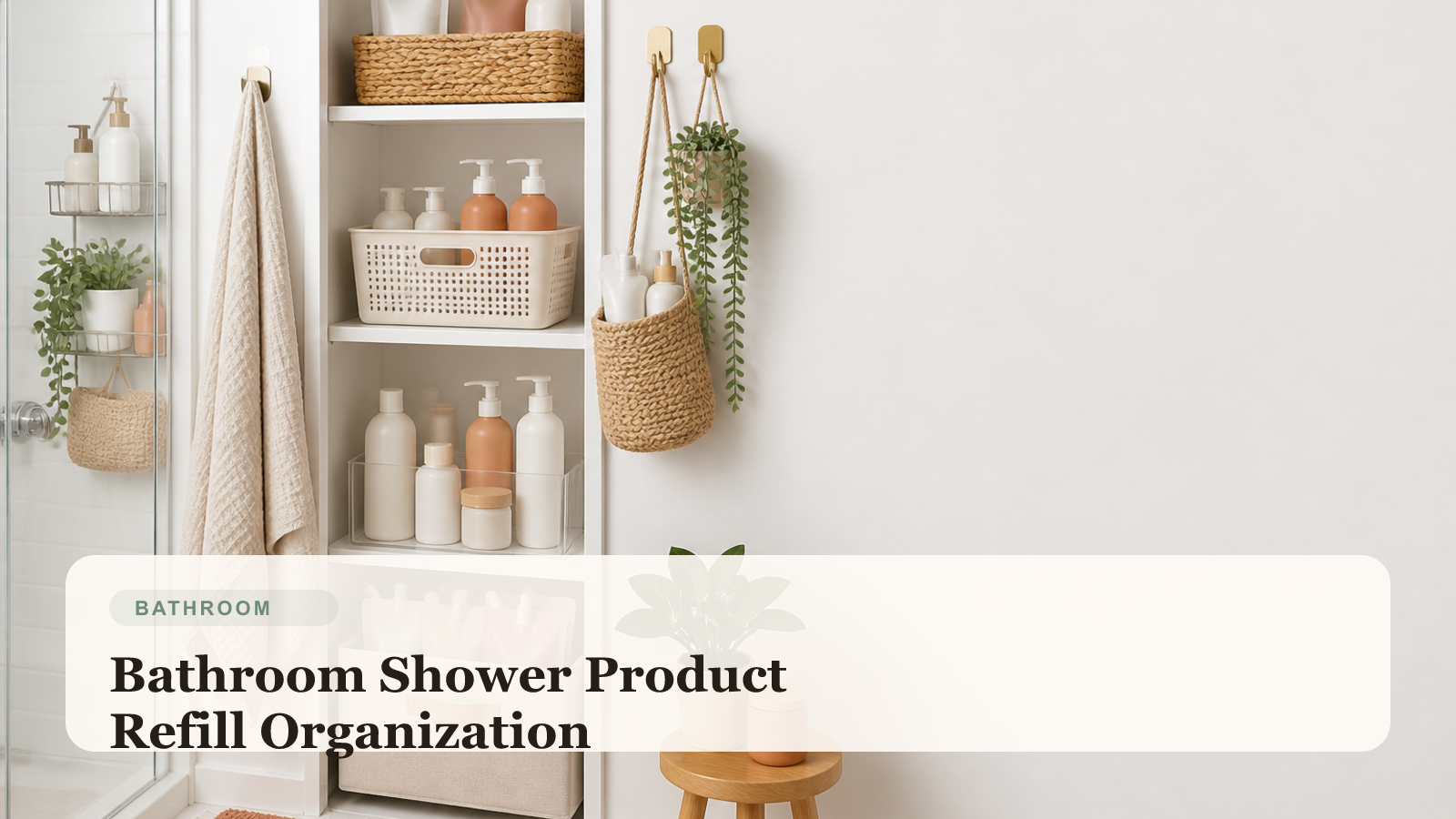
Bathroom Shower Product Refill Organization Ideas for Renters
This guide focuses on one specific bathroom problem: how renters can store backup shower products neatly without letting extras spread into every storage zone.
Editorial note
TidyHaven guides are written for practical, renter-aware small-space living. Pages may be updated over time for clarity, freshness, and better real-world usefulness.