
Bathroom Sink Cabinet Door Organizer Ideas for Renters
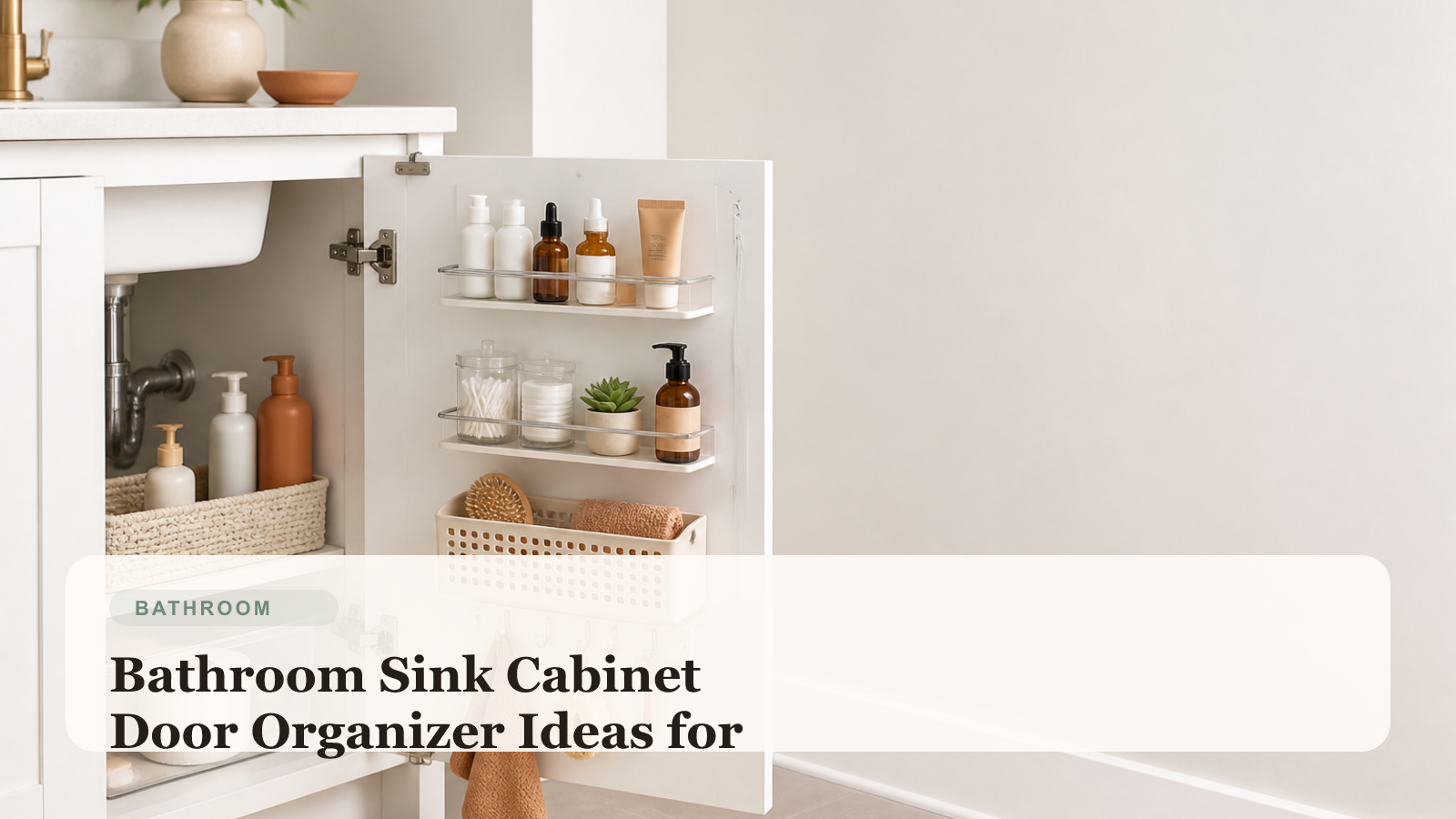
Use a sink cabinet door organizer to store lightweight bathroom items, free up under-sink space, and make a renter bathroom easier to manage.
Quick takeaways
- Cabinet door storage works best for small, light categories instead of bulky products.
- Using the door can free up better under-sink space for larger bathroom storage needs.
- A few clear categories keep the door organizer useful instead of overcrowded.
- The best setup supports daily routines without making the door hard to close.
The inside of a bathroom sink cabinet door is one of the easiest spaces to ignore. Most people focus on the cabinet floor, the shelves, and the counter while this vertical surface stays unused. In a small bathroom, that is a missed opportunity because even a narrow door can help carry the kinds of lightweight items that otherwise get lost in bins or scattered across the sink area.
That is why sink cabinet door organization can be so useful for renters. It creates extra storage without taking up more floor space and helps pull smaller items out of the cluttered under-sink zone. When used well, it makes the whole cabinet easier to scan and easier to maintain.
This guide focuses on one clear search intent: bathroom sink cabinet door organizer ideas for renters. The goal is to use that inside door space for categories that fit well there without overloading the cabinet or making the setup awkward.
Decide what should live on the cabinet door
The best items for cabinet door storage are small, light, and frequently useful. The space usually works well for:
- hair ties
- razors
- cotton rounds
- small oral care refills
- slim skincare products
- a small first-aid category
It usually works less well for:
- heavy bottles
- bulky cleaning products
- oversized tools
- too many glass containers
The goal is to give the door categories that are easy to reach and easy to contain without stressing the hinges or the closure.
Use the door to move small clutter out of the main cabinet
Under-sink storage often gets crowded because tiny categories take up the same valuable space as larger items. The cabinet floor and deeper storage zones are usually better reserved for:
- cleaning supplies
- backup products
- larger baskets
- paper goods
Moving smaller categories to the door can make the lower cabinet feel much calmer. Instead of one mixed under-sink pile, you get a cleaner split between light-access categories and heavier stock storage.
Keep the organizer shallow
Depth matters a lot on a cabinet door. If the organizer sticks out too far, it can make the door hard to close or interfere with plumbing and nearby items.
That is why shallow storage works best:
- slim bins
- narrow pockets
- short baskets
- lightweight mounted holders
A little storage on the door is helpful. Too much depth turns the whole cabinet into a frustrating puzzle.
Group the contents by one clear routine
The inside of the cabinet door should not become a random collection of tiny categories. It helps to group items by routine or use:
- one oral-care refill section
- one grooming section
- one skincare-extra section
- one small bathroom first-aid section
This keeps the organizer easy to scan and stops the door from becoming a place where every miniature item lands.
Keep the most-used small items at the easiest height
If the organizer has more than one section, place the categories you reach for most at the easiest natural height. Less-used items can go higher or lower.
This matters because cabinet door storage should support convenience. If the products you use most still feel awkward to reach, the system will not help much in daily life.
Use the door only for categories that stay tidy
Some products look manageable on a cabinet door at first but quickly create visual clutter:
- too many sample packets
- loose mini tubes
- random hotel toiletries
- small duplicate items without limits
These categories tend to work better in a contained box elsewhere. The door should hold the things that benefit from quick visibility, not the categories that turn messy fastest.
Keep the under-sink floor and the door in balance
A cabinet door organizer works best when it complements the cabinet, not when it competes with it. That usually means:
- light items on the door
- larger grouped items on the cabinet floor
- clear separation between active-use small categories and backup stock
This balance keeps the whole sink area easier to maintain and stops the inside of the cabinet from becoming visually overloaded.
Reset the door before little items spread again
Small bathroom items drift quickly, so door storage benefits from a short reset:
- remove anything that does not belong on the door
- reduce duplicates
- wipe dust or product residue
- move oversized items back into the main cabinet
- make sure the door still closes smoothly
This helps the organizer stay useful instead of becoming a narrow junk zone.
What to avoid with cabinet door organizers
Avoid:
- overloading the door with heavy products
- choosing storage that is too deep
- mixing too many tiny categories together
- storing leak-prone items loosely
- using the door for overflow instead of intentional storage
The best cabinet door organizer feels light, obvious, and easy to maintain.
Final thought
Bathroom sink cabinet door organizer ideas for renters work best when the door is used for lighter, smaller categories that free up better space inside the cabinet. In a small bathroom, that kind of vertical storage can make a real difference without changing the room itself. When the door helps carry the tiny essentials, the rest of the cabinet becomes easier to use and easier to keep tidy.
Keep reading
Related guides worth reading next
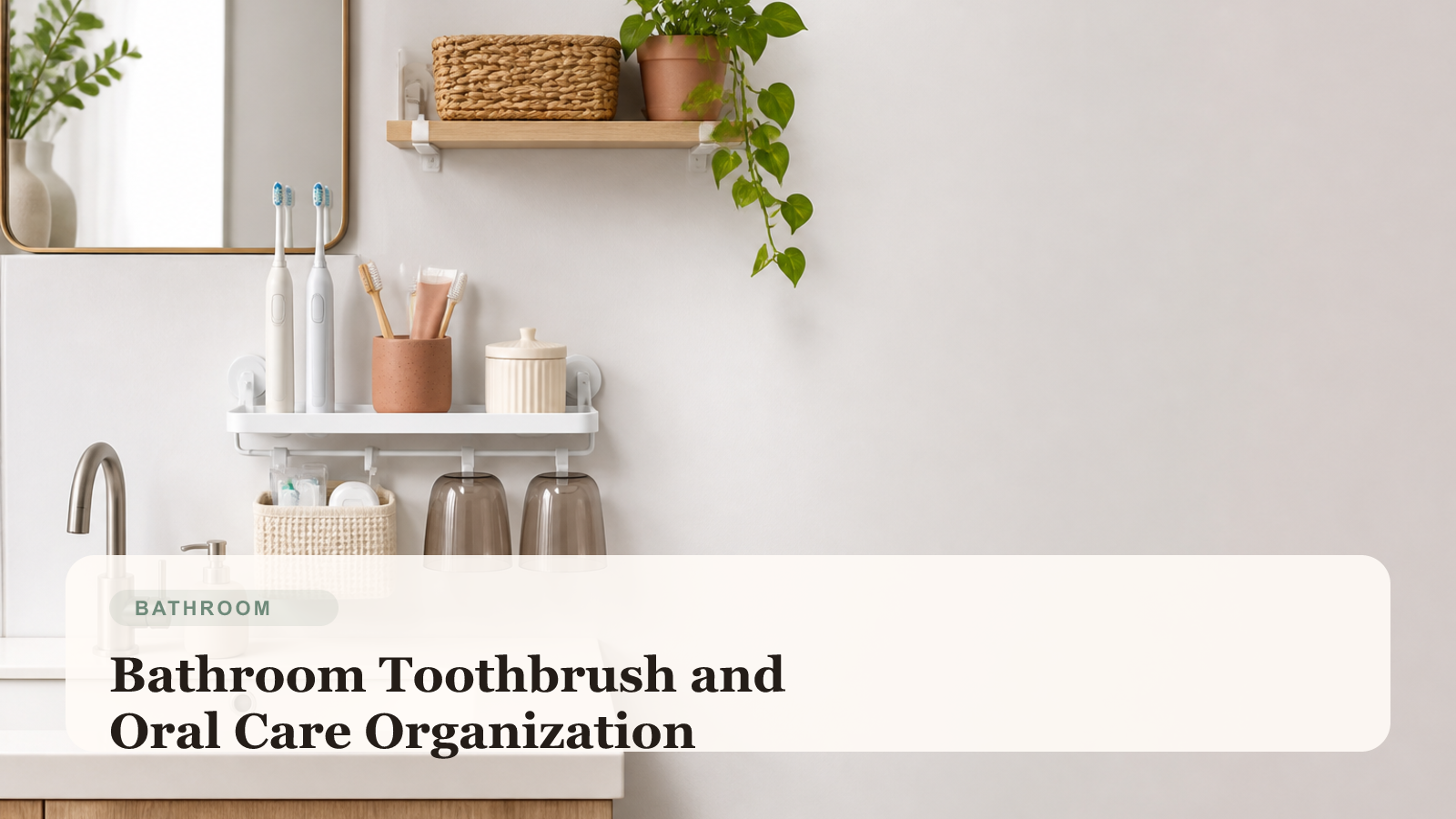
Bathroom Toothbrush and Oral Care Organization Ideas for Renters
This guide focuses on one daily bathroom category: how renters can keep toothbrushes, toothpaste, floss, and oral care refills organized without cluttering the sink.
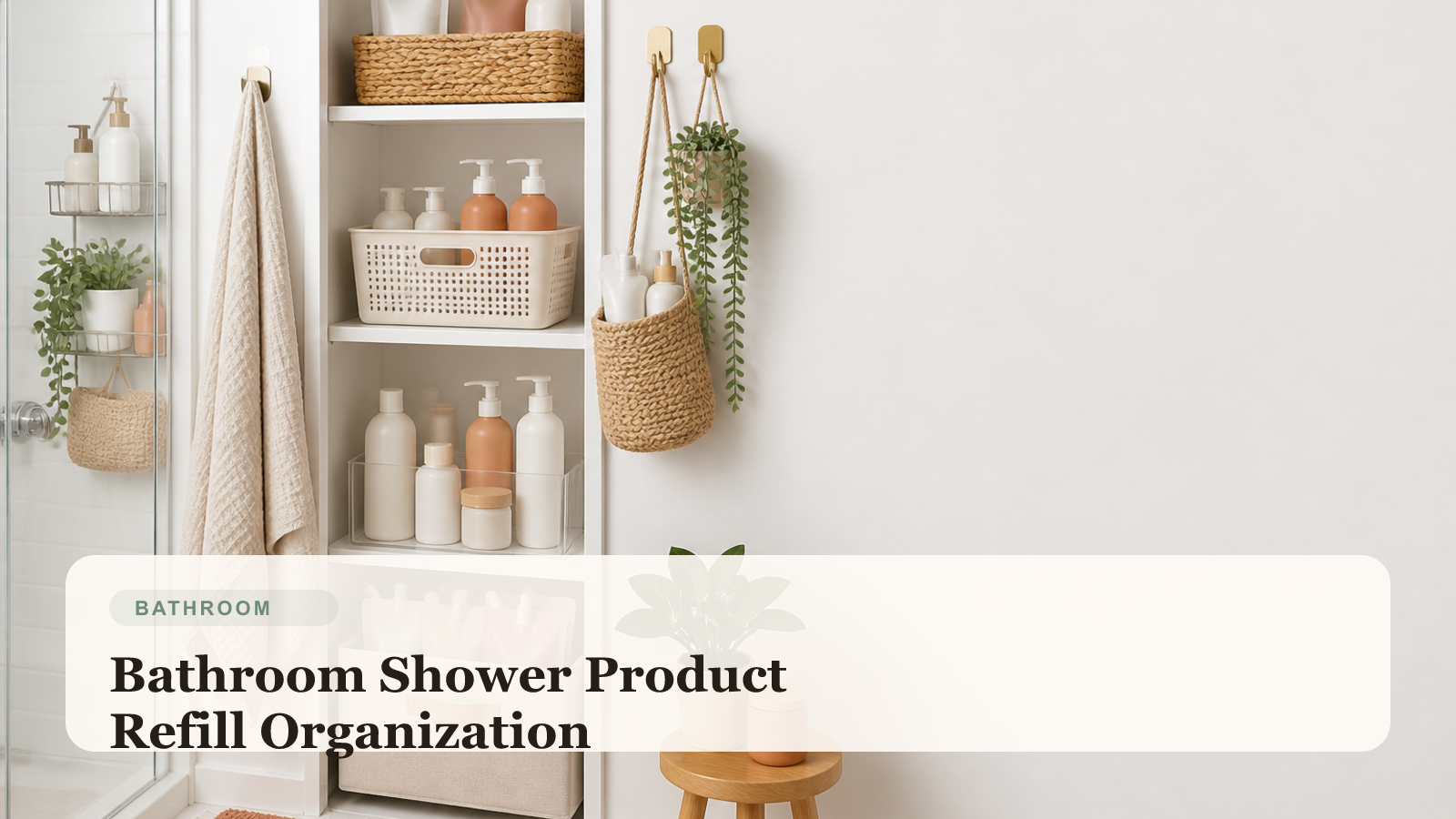
Bathroom Shower Product Refill Organization Ideas for Renters
This guide focuses on one specific bathroom problem: how renters can store backup shower products neatly without letting extras spread into every storage zone.
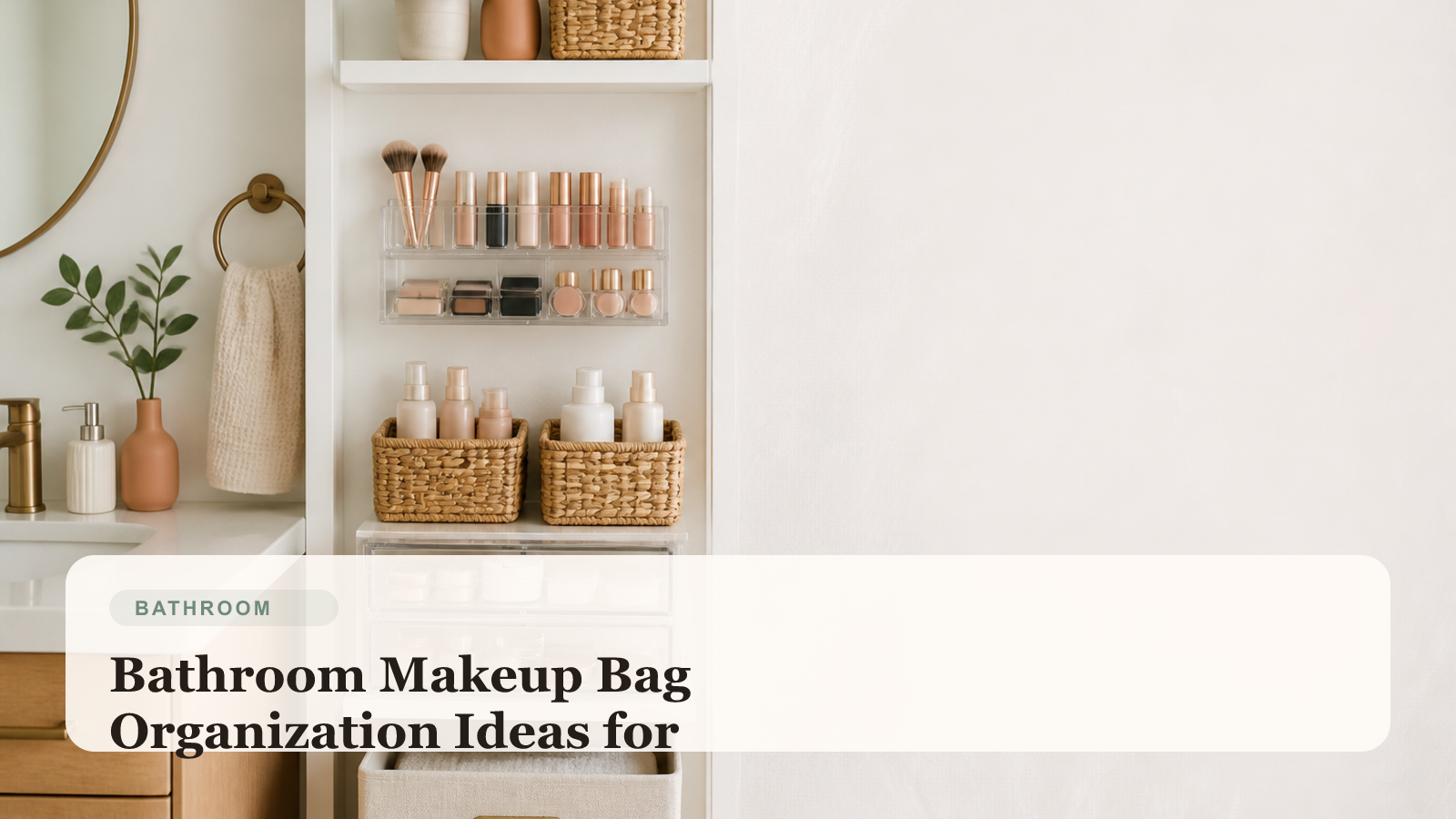
Bathroom Makeup Bag Organization Ideas for Renters
This guide focuses on one high-friction bathroom problem: how renters can organize a makeup bag so it stops becoming a cluttered catchall.
Editorial note
TidyHaven guides are written for practical, renter-aware small-space living. Pages may be updated over time for clarity, freshness, and better real-world usefulness.