
Bathroom Shower Product Refill Organization Ideas for Renters
Organize shower product refills with simple categories, small stock limits, and renter-friendly storage that keeps extra bottles from crowding the bathroom.
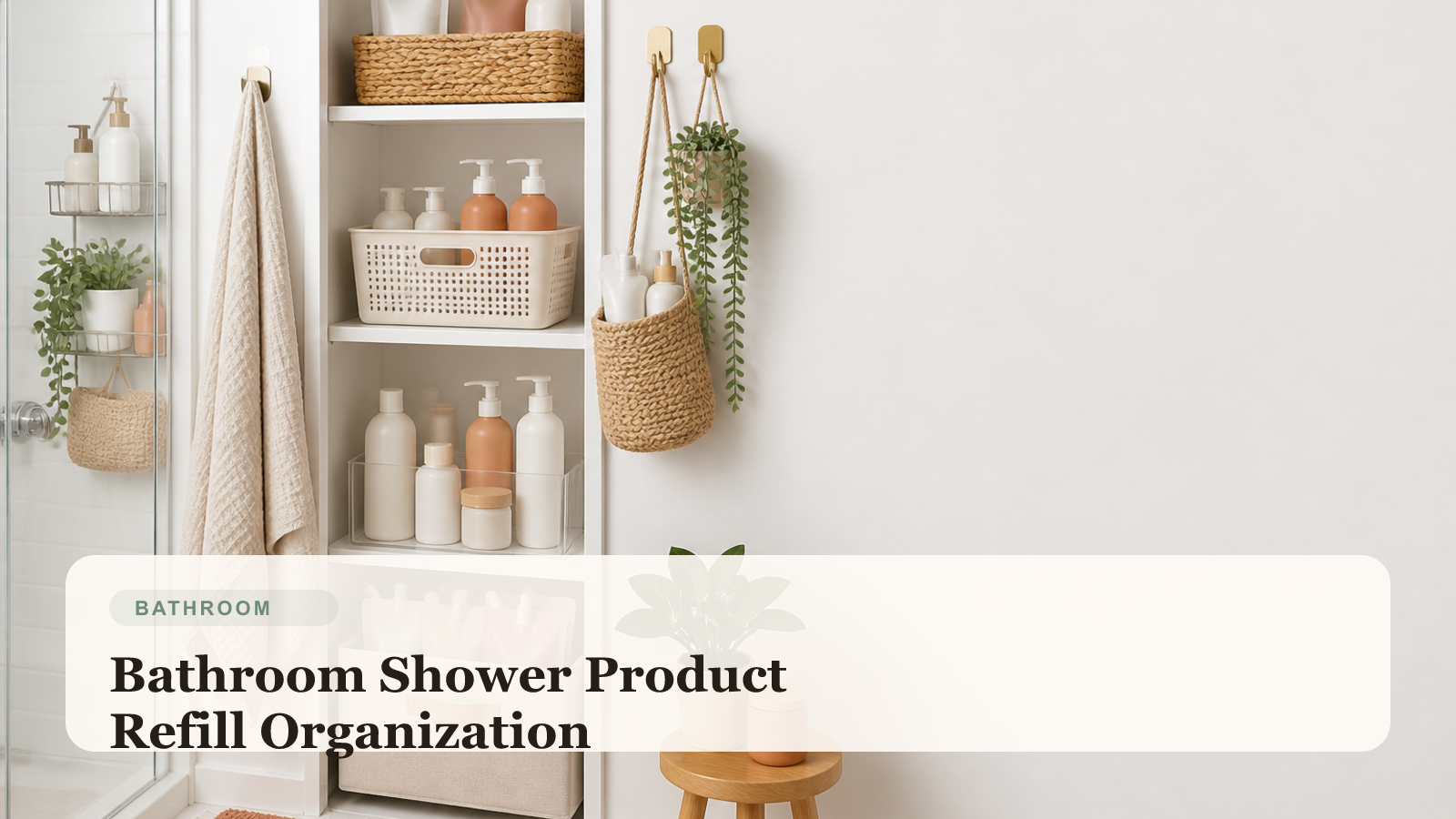
Quick takeaways
- Shower refill products should stay grouped separately from daily-use bottles.
- A few clear stock limits prevent bulky product extras from taking over the room.
- Smaller bins help backup shower products stay visible and easy to rotate.
- Refill storage works best when it supports the shower routine without crowding it.
Backup shower products create more bathroom clutter than people expect because the bottles are bulky, the shapes vary, and the extras tend to spread. One spare shampoo bottle goes under the sink, body wash ends up behind cleaning products, conditioner refills land on a shelf, and suddenly the bathroom feels fuller without being more functional.
That is why shower refill organization matters. A stronger system keeps extras grouped, visible enough to manage, and far enough away from daily-use space that they do not crowd the active routine.
This guide focuses on one clear search intent: bathroom shower product refill organization ideas for renters. The goal is to make backup shower products easier to store and easier to rotate without turning the bathroom into a stock room.
Separate active shower products from backup bottles
The first rule is simple: the bottles in use and the bottles waiting to replace them should not live in the same visual zone.
Active-use products belong:
- in the shower
- on a shower shelf
- in a shower caddy
Backup products belong:
- under the sink
- in one labeled cabinet bin
- on a less-visible shelf
This keeps the shower area from becoming crowded and makes it easier to see what is actually in use.
Group refill stock by shower category
Bulky bathroom refills become easier to manage when they are organized by type instead of by whichever bottle fits first.
A useful split might be:
- shampoo backups
- conditioner backups
- body wash refills
- shaving products
- shower accessories like razors or replacement loofahs
This creates a cleaner system than one mixed bin of slippery bottles and lets you check stock faster.
Set limits before products multiply
Bathroom refills quietly build up because buying one extra bottle feels harmless. But small bathrooms usually work better with low stock limits.
A practical rule might be:
- one active bottle
- one backup for slow-use categories
- one or two backups for products you run through quickly
If you buy in larger bundles, keep only the next-needed products in the bathroom and move the rest elsewhere if possible.
Use one container that can handle bottle shapes
Shower refill products are awkward because they are not all the same height or width. A good storage bin should:
- be wide enough for upright bottles
- have sides high enough to keep them contained
- still be light enough to lift out
- leave enough visibility to scan what is inside
A low, sturdy bin often works better than multiple tiny organizers because the products themselves are already bulky.
Keep refills close enough to rotate easily
The refill zone should not be buried so deeply that products are forgotten. If the stock is too hard to access, people often buy duplicates because they are unsure what is already there.
Good refill locations often include:
- front half of an under-sink shelf
- one side of a bathroom cabinet
- one easy-lift bin in a closet shelf
The key is reachability without letting the extras sit in the shower zone.
Rotate older bottles before buying more
A refill system only works when older stock gets used first. If not, the category starts collecting half-forgotten or duplicate products that look organized but are no longer efficient.
It helps to:
- keep similar products together
- place older backups in front
- check before opening a new bottle
- remove products you no longer use
This keeps the system functional instead of turning it into hidden overflow.
Avoid mixing shower stock with unrelated bathroom categories
Shower refills often get lost when they share space with:
- medicine cabinet extras
- oral care stock
- hair tools
- cleaning products
This is especially common under the sink, where everything competes for the same cabinet floor. The refill zone should have enough identity that the category stays easy to track.
Reset the refill zone when the shower routine changes
Not every refill system stays correct forever. Routines change, products change, and some categories become less relevant.
A short reset can help:
- remove products you no longer use
- reduce duplicates
- wipe residue from the bin
- move non-shower products out of the refill zone
- adjust stock limits if the category grew too large
This prevents the refill area from becoming a hidden collection of outdated extras.
What to avoid with shower refill storage
Avoid:
- storing backup bottles in the shower itself
- keeping too many extras in a small bathroom
- mixing all refill categories into one chaotic cabinet pile
- using containers too small for the bottle shapes
- buying new stock before checking what is already there
The best refill zone should feel controlled and easy to scan.
Final thought
Bathroom shower product refill organization for renters works best when the extras stay grouped, limited, and separate from the products you use every day. A simple bin, a clear stock rule, and easy rotation can make a small bathroom feel calmer without taking away convenience. When refill bottles stop spreading through the room, the whole shower routine becomes easier to manage.
Keep reading
Related guides worth reading next
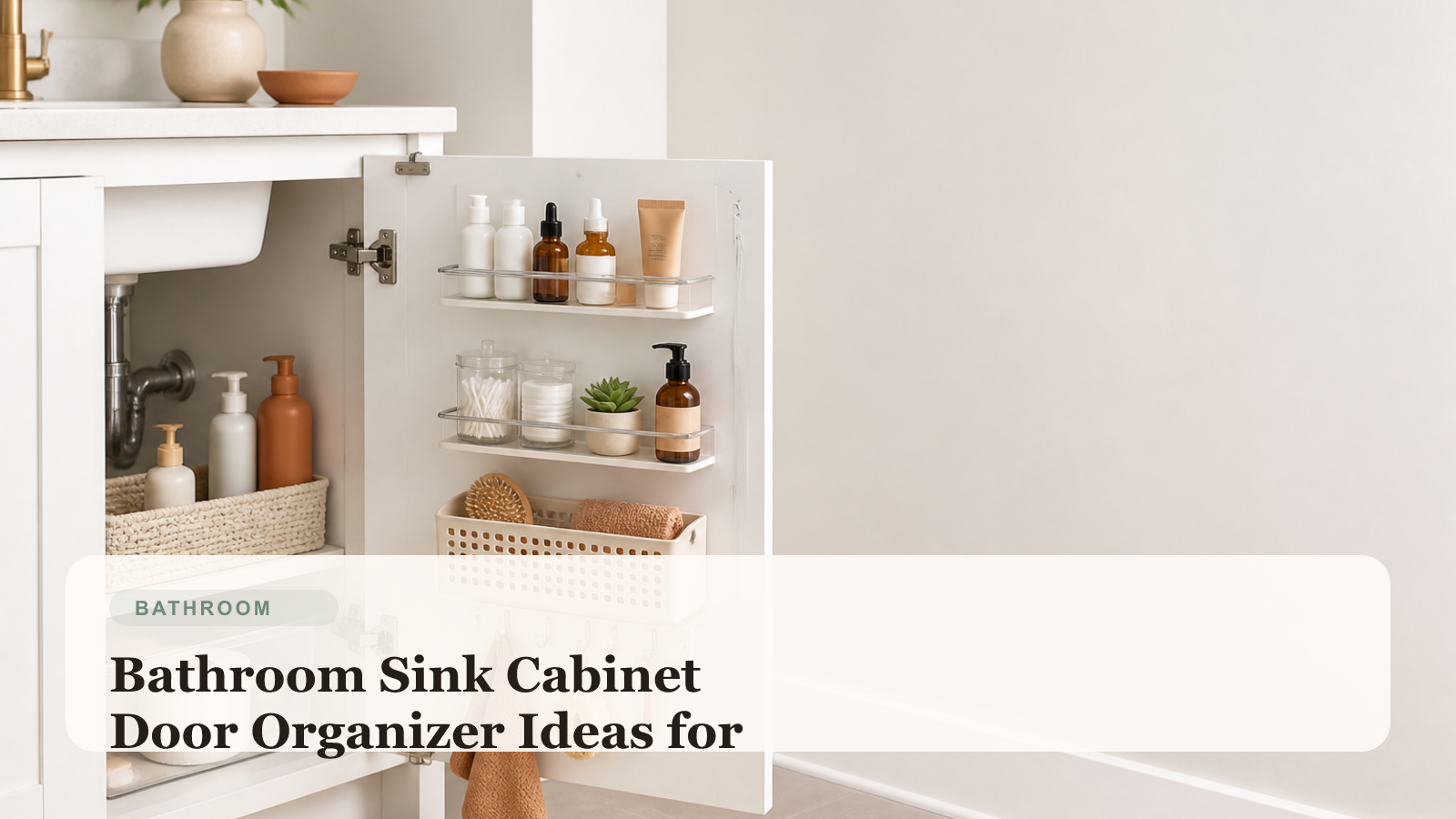
Bathroom Sink Cabinet Door Organizer Ideas for Renters
This guide focuses on one overlooked bathroom zone: how renters can use the inside of a sink cabinet door for smarter small-item storage.

Bathroom Toothbrush and Oral Care Organization Ideas for Renters
This guide focuses on one daily bathroom category: how renters can keep toothbrushes, toothpaste, floss, and oral care refills organized without cluttering the sink.
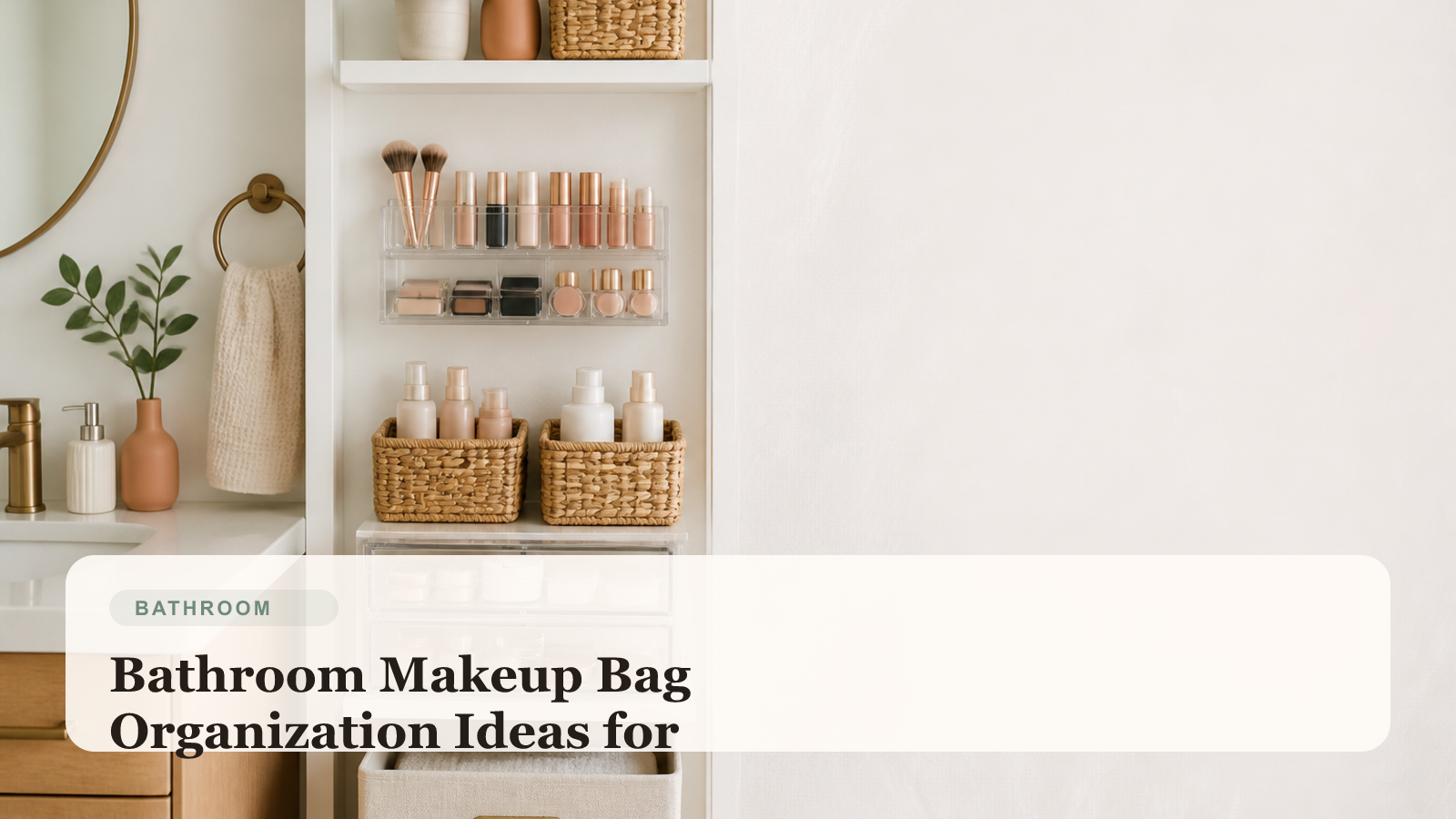
Bathroom Makeup Bag Organization Ideas for Renters
This guide focuses on one high-friction bathroom problem: how renters can organize a makeup bag so it stops becoming a cluttered catchall.
Editorial note
TidyHaven guides are written for practical, renter-aware small-space living. Pages may be updated over time for clarity, freshness, and better real-world usefulness.