
Bathroom Daily Essentials Tray Organization for Renters
Organize a renter bathroom tray with simple daily essentials, better category limits, and a calmer counter routine for small spaces.
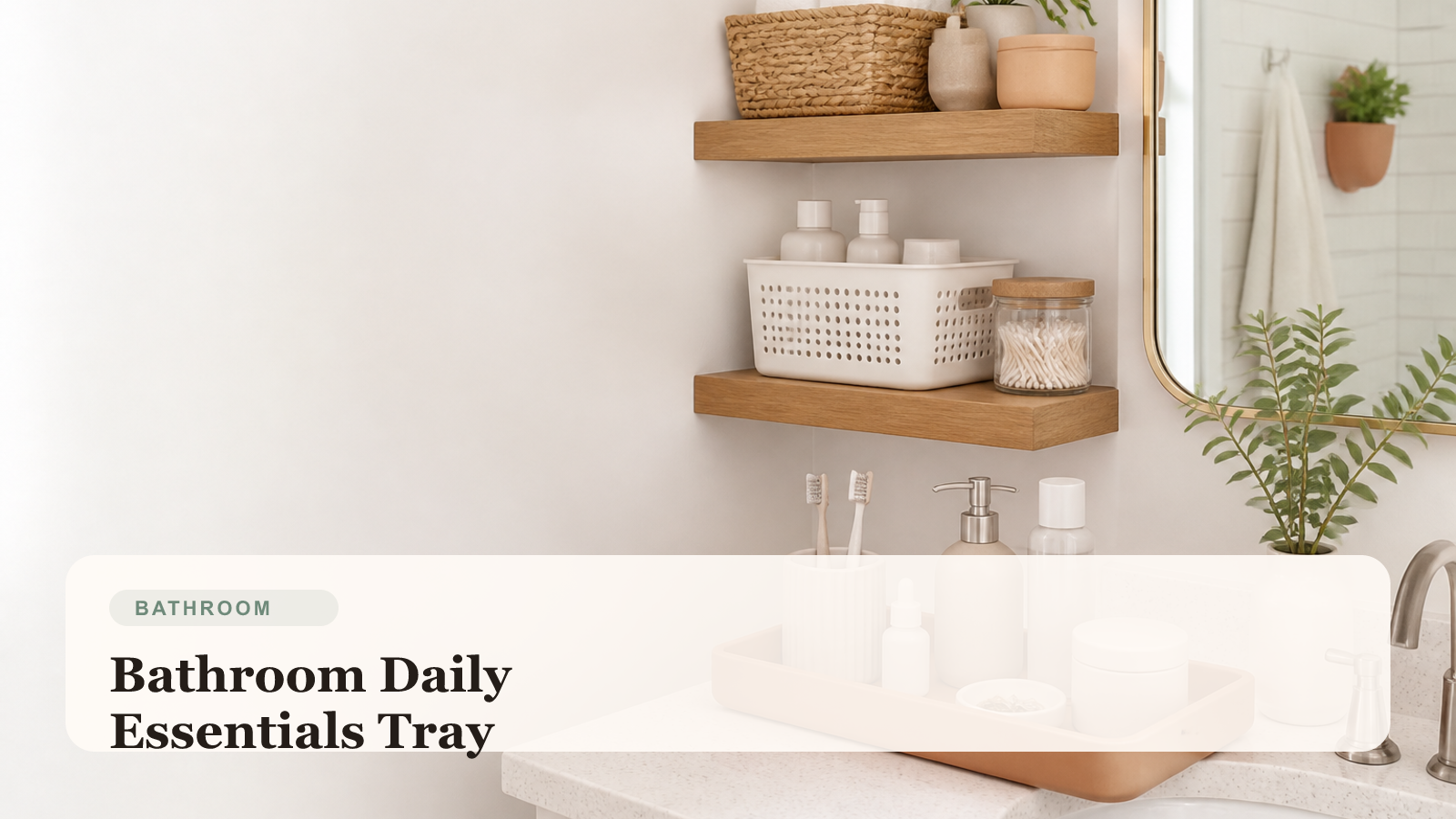
Quick takeaways
- A tray helps daily bathroom products feel intentional instead of scattered.
- Counters stay cleaner when the tray holds only true daily-use items.
- A small category limit is more useful than a bigger tray.
- The best tray setup supports your routine without becoming display clutter.
Bathroom counters collect clutter quickly because they attract the items people use most often. Toothbrushes, skincare, soap, deodorant, cotton pads, and hair tools can all seem reasonable on their own, but they spread visually fast in a small rental bathroom. That is why even a few products can make the whole room feel busier than it is.
A daily essentials tray helps because it gives those products a defined boundary. Instead of the counter acting like an open surface for everything, the tray becomes one clear routine zone. That makes the bathroom easier to wipe down, easier to style, and easier to keep from drifting into clutter.
This guide focuses on one clear search intent: bathroom daily essentials tray organization for renters. The goal is to create a small, useful tray system that supports real daily routines without turning the counter into a decorative shelf that no longer works.
Decide what truly belongs on the tray
The tray works best when it holds only the items you actually use every day. The fastest way to make it messy is to add backup products, occasional items, or categories that belong somewhere else.
A useful daily-essentials tray often includes:
- hand soap
- toothbrush or toothpaste if they live on the counter
- a small skincare set
- daily deodorant or fragrance
- one jar or dish for cotton rounds or hair ties
It usually works less well for:
- backup products
- bulky styling tools
- random samples
- every product in your routine
- loose clutter with no clear daily role
The more honest the tray is about daily use, the better it functions.
Choose a tray size that creates limits
Many people assume a bigger tray will solve clutter, but it often does the opposite. A large tray invites more products and can make a small counter feel even fuller.
A better tray is:
- large enough for your core routine
- small enough to leave counter space visible
- easy to lift for cleaning
- stable enough that products do not tip
The tray should create a boundary, not become a new storage surface for overflow.
Group products by the order you use them
One of the easiest ways to make a tray more functional is to organize it around the routine itself.
For example:
- soap or hand items at the front
- skincare products grouped together
- toothbrush items in one corner
- small loose essentials in a dish or jar
This keeps the tray from feeling like a random product lineup. Instead, it becomes a small operational zone that supports the way you move through the morning or evening.
Keep loose items contained inside the tray
Tiny items create clutter faster than larger products because they break the visual order of the whole setup. Hair ties, clips, cotton swabs, jewelry, and spare small items should not float loose on the tray surface.
Try containing them with:
- a tiny cup
- a small lidded jar
- a shallow dish
- one compartment insert if the tray allows it
The goal is not to over-organize. It is to stop small objects from making the tray look messy even when the main products are arranged well.
Separate display habits from routine habits
Bathroom tray ideas often look pretty online because they are styled like decor, but a renter bathroom still has to work every day. If the tray becomes too decorative, it can stop serving the routine.
That means it is okay to keep it simple:
- fewer products
- one clear category per corner
- no unnecessary filler
- no product lineup that hides what you actually use
The best tray is attractive because it is edited and tidy, not because it is overloaded with styling pieces.
Keep the tray aligned with your actual bathroom layout
The tray should fit where your routine happens. That might be:
- beside the sink
- near the mirror
- in the corner of a narrow counter
- on a vanity shelf if counter space is limited
What matters is that it does not block the sink or force you to move it constantly. A tray that is always in the way becomes another piece of clutter, even if it looks organized.
Move non-daily items off the tray immediately
One reason daily trays lose control is that the “daily” category slowly expands. A product you used once this week stays there. Then another occasional item joins it. Soon the tray no longer reflects everyday use.
Try a quick rule:
- if it is not used most days, it does not live on the tray
That includes:
- backup serums
- extra toothpaste
- occasional masks
- travel items
- unopened products
This one rule often helps more than buying another organizer.
Reset the tray as part of a counter wipe
The easiest maintenance routine is to pair tray organization with your normal counter reset:
- lift the tray
- wipe underneath it
- return only the products that still belong there
- remove empties or duplicates
- straighten the grouped sections
This keeps the tray clean without making it a separate big task.
What to avoid with bathroom tray organization
Some habits make tray setups fail quickly.
Avoid:
- choosing a tray that is too large
- adding products you do not use daily
- letting small loose items pile up
- turning the tray into backup storage
- keeping it where it blocks the sink or faucet
The tray should simplify the counter, not just rearrange clutter into a smaller rectangle.
Final thought
Bathroom daily essentials tray organization works best when the tray reflects your real routine and keeps only what belongs in daily reach. For renters, this is one of the simplest ways to make a small bathroom counter feel calmer without permanent changes. When the tray stays edited, contained, and easy to clean around, the whole bathroom feels more manageable.
Keep reading
Related guides worth reading next
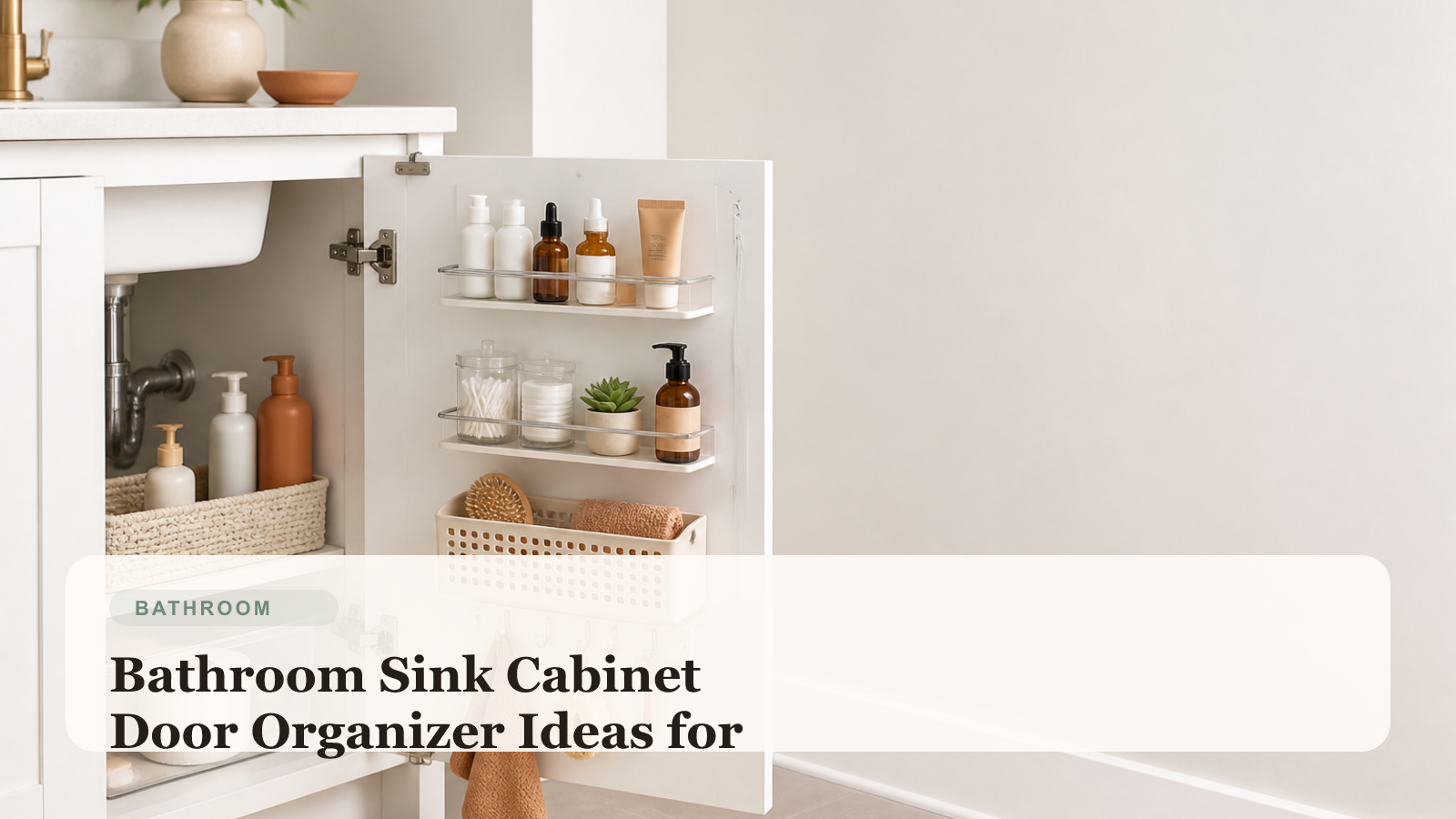
Bathroom Sink Cabinet Door Organizer Ideas for Renters
This guide focuses on one overlooked bathroom zone: how renters can use the inside of a sink cabinet door for smarter small-item storage.
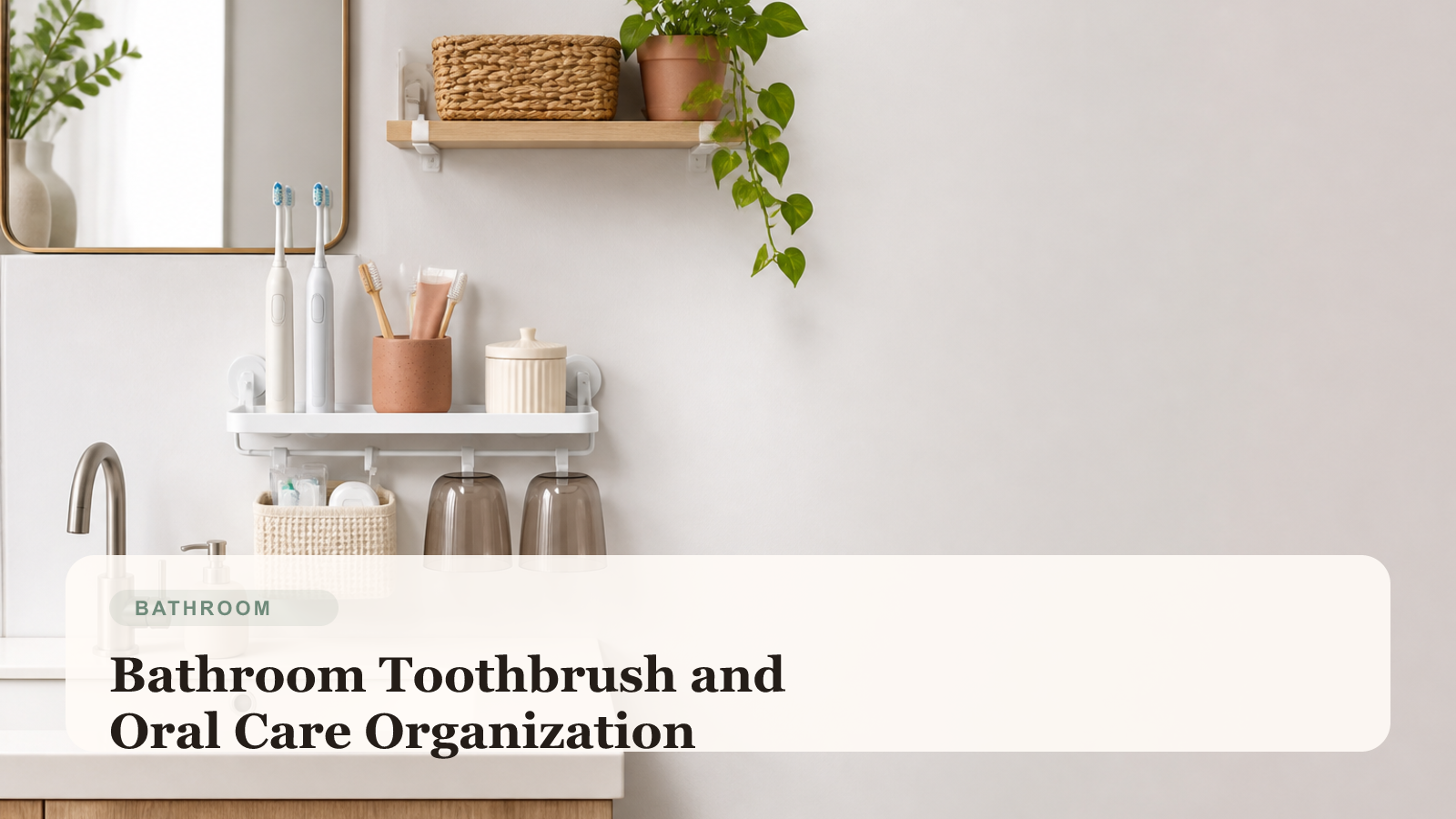
Bathroom Toothbrush and Oral Care Organization Ideas for Renters
This guide focuses on one daily bathroom category: how renters can keep toothbrushes, toothpaste, floss, and oral care refills organized without cluttering the sink.
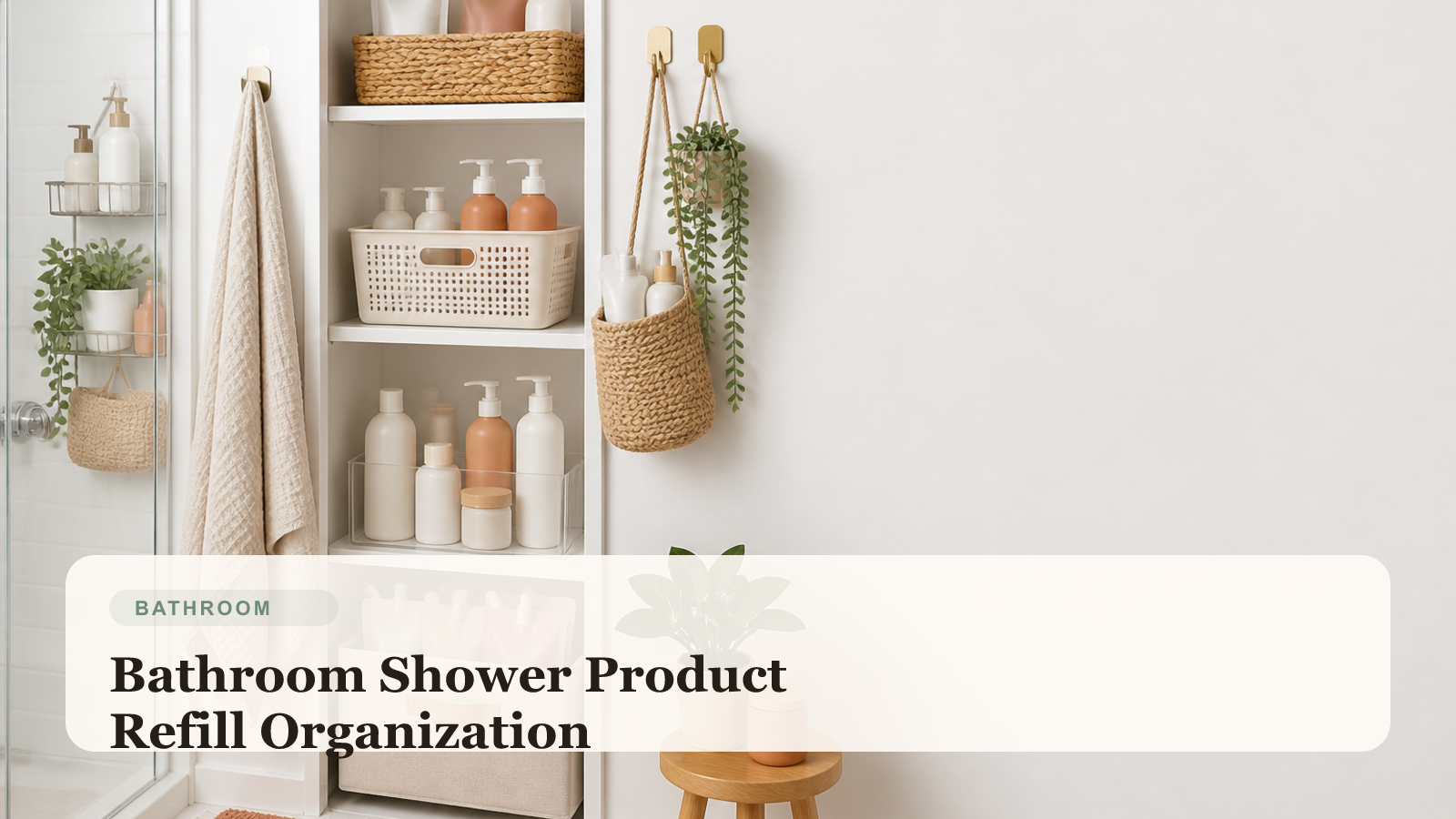
Bathroom Shower Product Refill Organization Ideas for Renters
This guide focuses on one specific bathroom problem: how renters can store backup shower products neatly without letting extras spread into every storage zone.
Editorial note
TidyHaven guides are written for practical, renter-aware small-space living. Pages may be updated over time for clarity, freshness, and better real-world usefulness.