
Bathroom Drawer Organization Ideas for Renters
Organize bathroom drawers with simple dividers, clear categories, and renter-friendly resets that stop small items from turning into clutter.
Quick takeaways
- Bathroom drawers work better when they store categories, not random loose products.
- Simple dividers and shallow containers usually beat complicated drawer systems.
- Daily-use items should stay near the front while backups move elsewhere.
- A quick weekly edit prevents bathroom drawers from turning into clutter traps.
Bathroom drawers are easy to ignore because they hide clutter instead of displaying it. In a small rental, that can feel helpful at first, but over time the drawer becomes a mix of loose toothpaste, old samples, tangled tools, makeup, razors, and products you forgot you owned. The result is a drawer that technically holds things but wastes time every morning.
That is why bathroom drawer organization matters. A good drawer setup makes your routine faster, helps you see what you actually use, and keeps the vanity from becoming a backup storage zone for every small item in the bathroom.
This guide focuses on one specific intent: bathroom drawer organization ideas for renters. The goal is to organize everyday products in a way that is portable, budget-friendly, and realistic for small apartment vanities.
Empty the drawer completely before buying anything
Bathroom drawers often look like they need more organizers when what they really need is an honest reset. Emptying everything first helps you see whether the problem is lack of structure, too many products, or a drawer trying to hold categories that belong somewhere else.
Lay everything out and sort it into broad groups like:
- dental care
- skincare
- makeup
- grooming tools
- medicine or first aid basics
- extras and backups
This first pass matters because many bathroom drawers are crowded by categories that should not live there full time. Once you see the whole drawer at once, it becomes much easier to edit before adding dividers.
If something is expired, broken, duplicated too many times, or clearly never used, remove it before planning the layout.
Decide what the drawer should actually store
The strongest bathroom drawers have a clear job. Some should hold only daily-use items. Others can hold grooming tools or getting-ready products. Problems start when one drawer tries to be everything at once.
Ask:
- Is this a daily routine drawer?
- Is this mostly for getting ready?
- Is this where dental care belongs?
- Is this a backup drawer or an active drawer?
For most small bathroom vanities, the best setup is to make the drawer an active-use zone, not a backup zone. That means daily items, not overflow stock.
Backups usually work better:
- under the sink
- in a small cabinet bin
- on a linen shelf
- in one labeled container outside the drawer
When the drawer stores only what you reach for regularly, it becomes much easier to keep neat.
Use shallow containers and dividers instead of deep bins
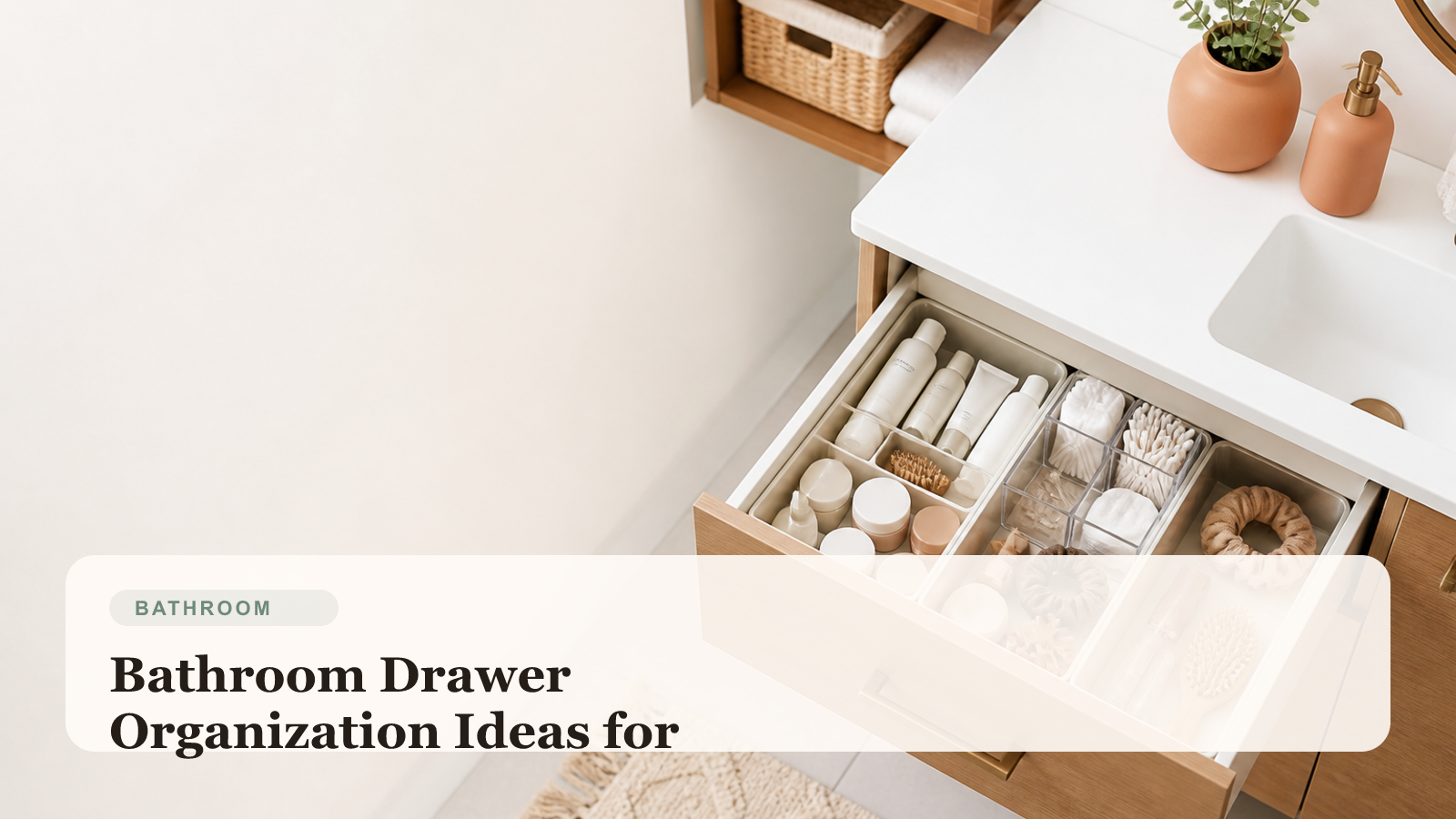
Bathroom drawers usually work best with low-profile organizers. Deep bins can waste vertical space and make small products harder to see.
Simple options that work well include:
- slim drawer dividers
- shallow acrylic trays
- small rectangular cups
- modular organizer inserts
- soft non-slip liners under the sections
These help separate categories without turning the drawer into a complicated system. The goal is to prevent products from sliding into each other, not to build a miniature cabinet inside the drawer.
If the drawer is especially shallow, use flatter trays rather than taller divider walls. A good organizer should fit the drawer, let it close easily, and still keep the contents visible.
Put the most-used items nearest the front
Bathroom drawer organization should mirror your actual routine. The products you use every day should be the easiest to reach, not buried behind occasional items.
Good front-of-drawer items might include:
- toothbrush or floss refills if that is where you keep them
- face wash or skincare basics
- deodorant
- a small makeup set
- hair ties or clips you use all the time
Back sections can hold:
- less-used tools
- occasional makeup items
- backup razors
- specialty skincare
This simple front-versus-back logic saves time and keeps the drawer from being rummaged through every morning.
Keep tools contained so they do not tangle everything else
Bathroom drawers often get messy because tools create disorder faster than bottles do. Tweezers, small scissors, nail files, razors, clips, and brushes drift around and catch on softer items.
Give tools a contained zone:
- one narrow tray
- one divided insert
- one small lidded box for sharp or awkward items
This is especially helpful if multiple people use the bathroom. Once tools have a clear home, they are much less likely to migrate across the drawer or disappear into other categories.
If a tool is large and frequently used, consider whether it belongs in a side caddy or upright cup elsewhere instead of inside the drawer.
Avoid filling every inch just because it is available
One common organizing mistake is treating full capacity like success. A bathroom drawer that is packed edge to edge usually becomes harder to maintain, not better organized.
Leave some breathing room so:
- items are easy to return
- categories stay visible
- the drawer can adapt when routines shift
- you can clean around containers without removing everything every day
This is especially important in renter bathrooms, where vanity drawers are often small, shallow, or oddly shaped. A slightly underfilled drawer is much more usable than a completely optimized but frustrating one.
Separate personal care from bathroom backups
Small vanities often collapse into chaos because personal care items and household extras mix together. Toothpaste backups, bar soap, travel minis, cotton rounds, and medicine start sharing space with your active daily routine.
It usually works better to divide the roles:
- drawer = active-use products
- cabinet or basket = backups
- separate small box = first aid or occasional medicine
This reduces visual noise and helps you answer one simple question fast: what do I need right now?
If you open the drawer and immediately see categories that belong to two completely different routines, it is a sign the drawer needs fewer jobs.
Build a quick weekly maintenance routine
Bathroom drawers rarely need full reorganization once the layout is good. What they do need is a light, repeatable reset.
Try this once a week:
- put loose items back into their tray or divider
- remove packaging, empty products, or duplicates
- wipe the drawer bottom if needed
- move backups back out of the drawer
- check that daily-use items are still in the front zone
This takes only a few minutes and prevents the drawer from sliding back into random clutter. It also keeps the system useful when your products or routine change.
What to avoid in a small bathroom drawer
Some drawer habits create clutter faster than organizers can fix it.
Avoid:
- storing too many backups in the active drawer
- using deep containers that hide the bottom layer
- mixing sharp tools with soft products
- packing the drawer so tightly that nothing goes back easily
- buying dividers before editing what you own
If the drawer is hard to scan at a glance, it probably has too many categories, too much stock, or the wrong organizer shapes.
Final thought
Bathroom drawer organization for renters works best when the drawer is treated like a daily-use tool, not a hidden junk zone. A few shallow dividers, clear categories, and a simple front-to-back layout make a small vanity easier to use without buying a lot of storage products. When the drawer holds only what belongs there and resets quickly, the whole bathroom feels more controlled.
Keep reading
Related guides worth reading next
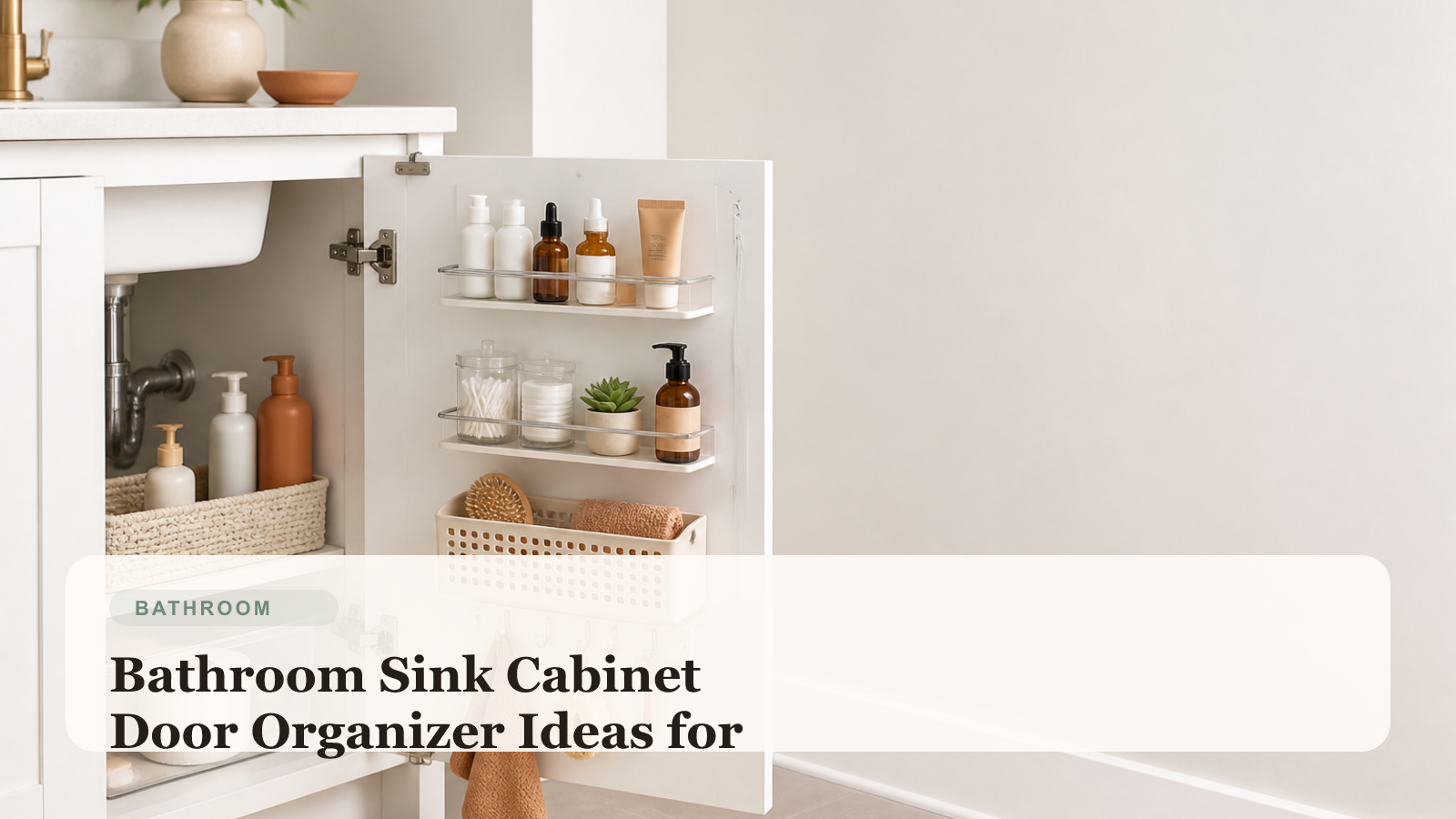
Bathroom Sink Cabinet Door Organizer Ideas for Renters
This guide focuses on one overlooked bathroom zone: how renters can use the inside of a sink cabinet door for smarter small-item storage.
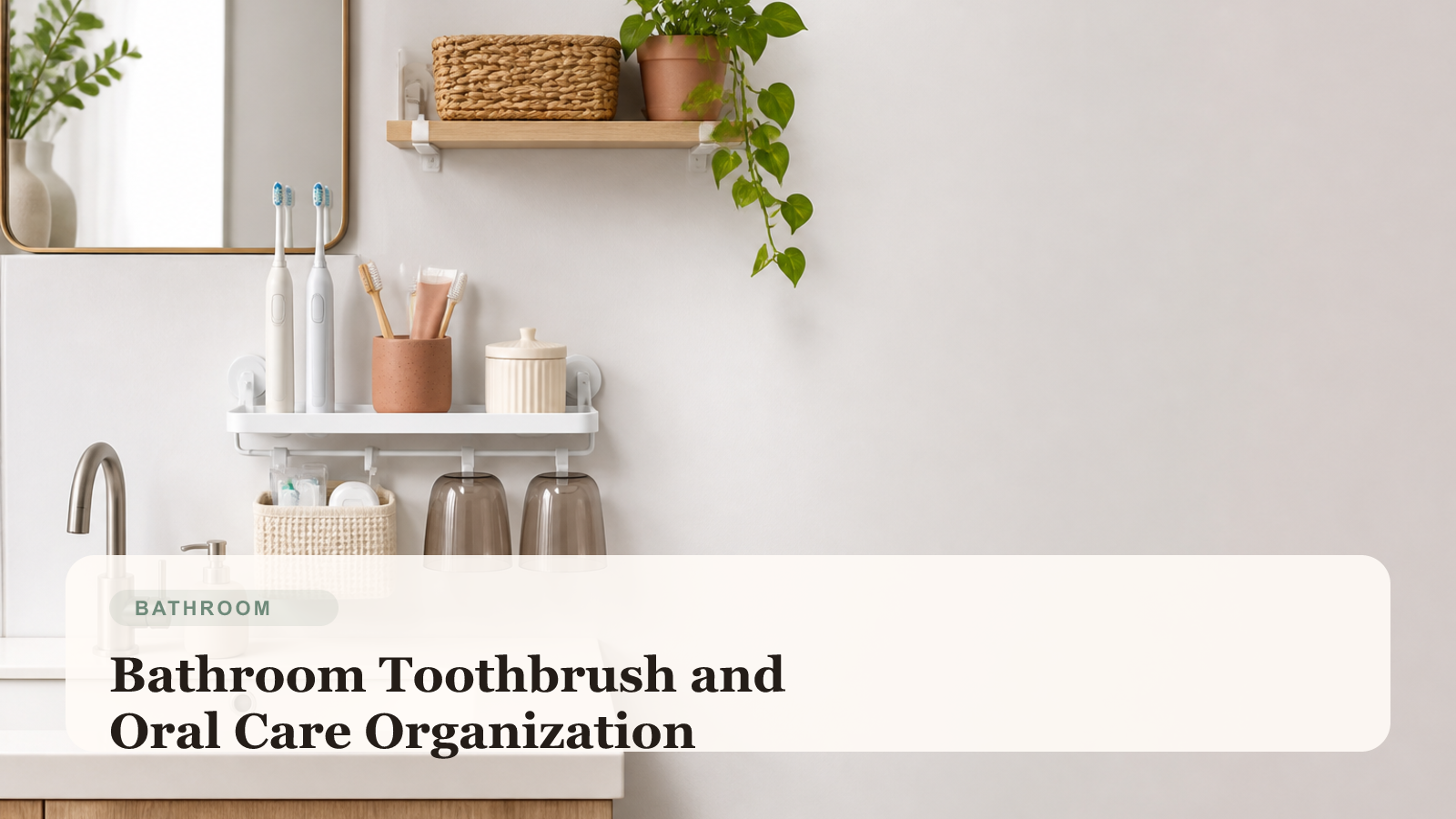
Bathroom Toothbrush and Oral Care Organization Ideas for Renters
This guide focuses on one daily bathroom category: how renters can keep toothbrushes, toothpaste, floss, and oral care refills organized without cluttering the sink.
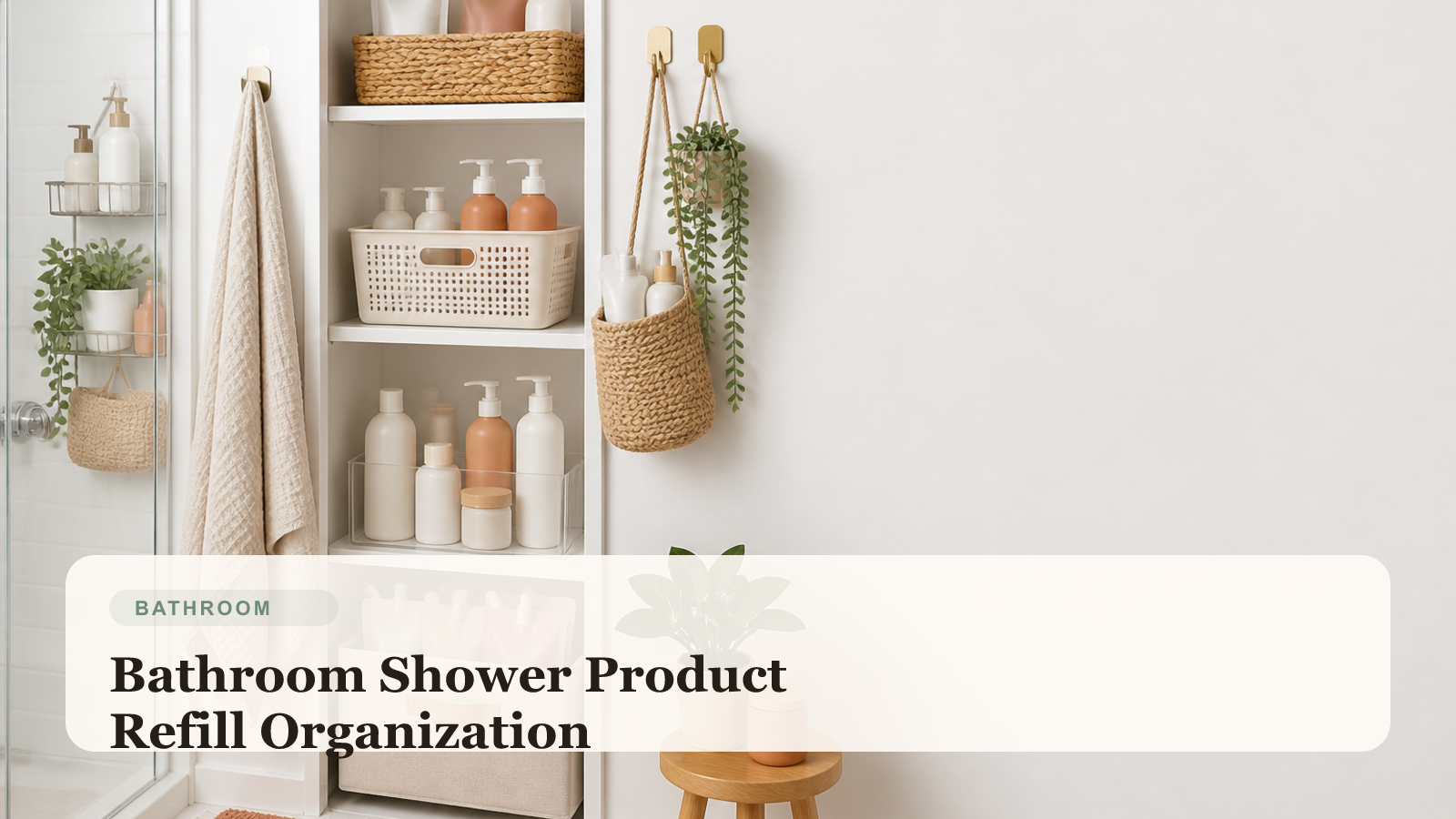
Bathroom Shower Product Refill Organization Ideas for Renters
This guide focuses on one specific bathroom problem: how renters can store backup shower products neatly without letting extras spread into every storage zone.
Editorial note
TidyHaven guides are written for practical, renter-aware small-space living. Pages may be updated over time for clarity, freshness, and better real-world usefulness.