
Bathroom Medicine Cabinet Organization Ideas for Renters
Organize a bathroom medicine cabinet with simple categories, shelf-height rules, and renter-friendly resets that keep daily items easy to find.
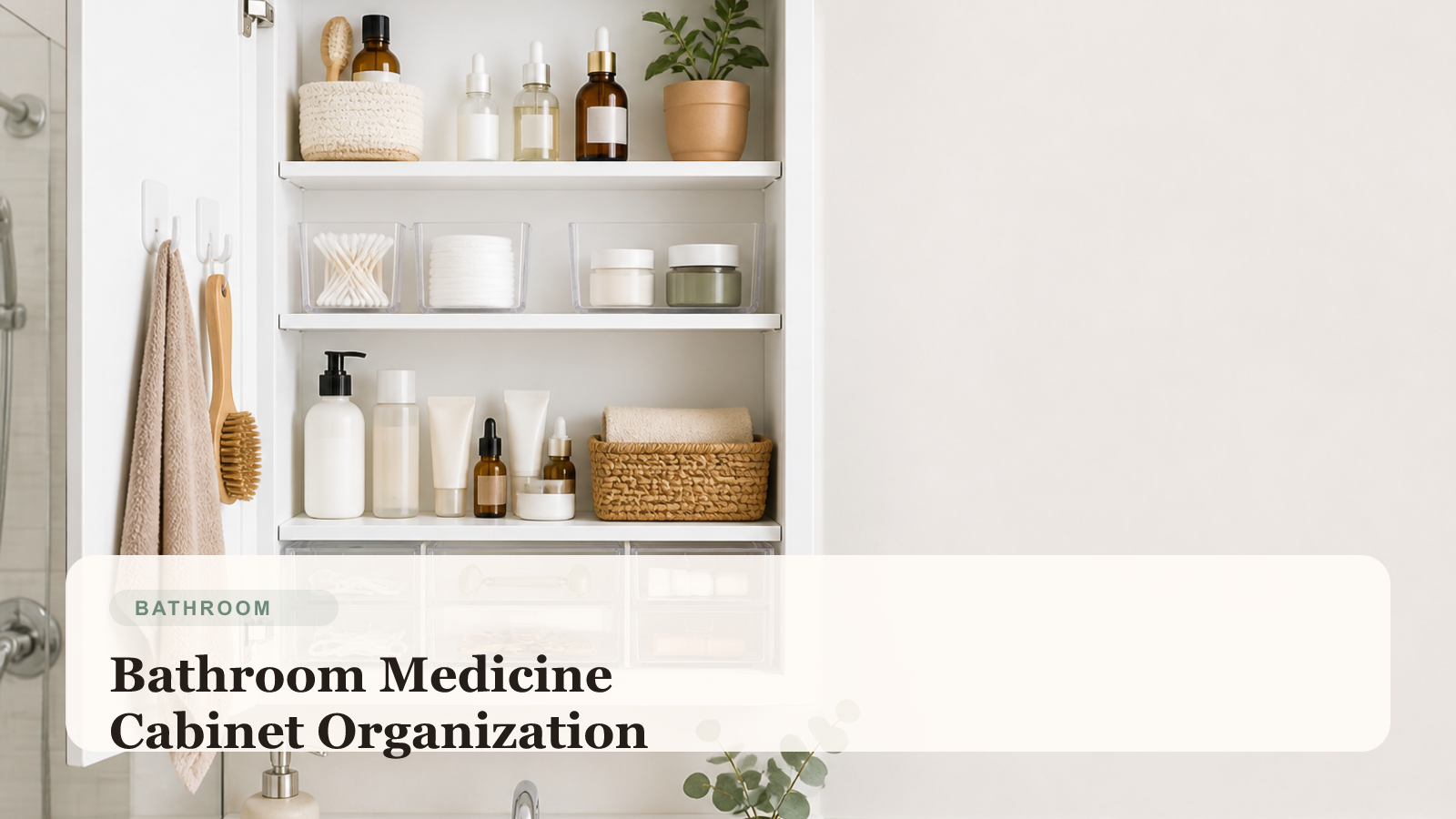
Quick takeaways
- A medicine cabinet works best when each shelf has one clear job.
- Keep the most-used daily items at eye level so the cabinet stays faster to use.
- Use only a few shallow organizers so products stay visible instead of disappearing in layers.
- Backups and oversized items should not compete with active daily-use products inside the cabinet.
Bathroom medicine cabinets look small, but they influence the whole room. When this one cabinet gets cluttered, the counter fills up faster, daily routines slow down, and basic products become harder to find than they should be. In a rental or apartment bathroom, that is a bigger problem than it sounds because the cabinet often serves as the main “quick access” zone for the entire space.
That is why medicine cabinet organization matters. A good setup makes it easier to get ready quickly, keep the sink area clear, and avoid stuffing every bathroom essential into one overloaded shelf.
This guide focuses on one specific intent: bathroom medicine cabinet organization ideas for renters. The goal is to make the cabinet easy to scan, easy to reset, and realistic for small bathrooms that cannot rely on endless built-in storage.
Empty the cabinet and sort by real use, not by random habit
The fastest way to improve a crowded medicine cabinet is to take everything out first. Cabinets often look “mostly fine” until you realize they are holding expired products, duplicate toothpaste, travel bottles, old samples, and categories that do not belong there anymore.
Sort the contents into broad groups like:
- daily skincare
- dental care
- shaving or grooming
- first aid basics
- occasional medicine
- backups
This helps you see whether the cabinet is doing too many jobs. In most small bathrooms, the cabinet should support quick daily access, not act as full overflow storage for the entire room.
If something is rarely used, oversized, or duplicated too often, it is usually a sign that it belongs somewhere else before you even think about organizers.
Give each shelf one clear role
Medicine cabinets become frustrating when every shelf holds a little bit of everything. A much better setup is to assign one clear job to each shelf.
A simple layout might be:
- top shelf: low-use or occasional items
- middle shelf: daily-use products
- bottom shelf: dental care, grooming, or quick-grab basics
This works because you stop searching the whole cabinet for one item. Once your eyes know what each shelf is for, the space feels larger and easier to manage even if the cabinet itself is small.
If the cabinet has only two shelves, keep daily-use items at eye level and let the second shelf handle less-frequent categories.
Keep eye-level space for the products you use most
The most convenient part of the medicine cabinet should hold the products you reach for every single day. In most bathrooms, that means the shelf closest to eye level.
Good eye-level candidates include:
- daily skincare
- toothbrush and toothpaste if that is your routine
- contact lens items
- shaving basics
- one or two small grooming products
Avoid wasting that prime shelf space on backups, first aid stock, or bulky items. A cabinet feels far more organized when the “main shelf” supports your actual routine rather than holding products you barely use.
If more than one person uses the bathroom, split the eye-level shelf into left and right zones when possible. That alone can cut down on mix-ups and scattered product drift.
Use only a few shallow organizers
Medicine cabinets are easy to overcrowd with containers. Deep bins and too many mini trays can make the shelves harder to use by hiding smaller products behind or underneath each other.
The best organizers are usually:
- shallow acrylic trays
- short bins with open tops
- small shelf cups for dental or grooming items
- clear narrow containers for medicine or travel-size products
These work well because they create boundaries without eating too much depth. The point is to stop products from collapsing into one messy line, not to build a complicated mini-storage system inside each shelf.
If you cannot see the front and back of a category at the same time, the organizer is probably too deep for the cabinet.
Move backups and oversized items somewhere else
One of the biggest medicine cabinet mistakes is letting backup items compete with daily products. Extra soap, unopened lotion, duplicate toothpaste, and large bottles often crowd out the very items you are supposed to find quickly.
Oversized products and backups usually belong better:
- under the sink
- in a labeled bathroom bin
- on a separate linen shelf
- in a portable basket for overflow stock
This matters because the medicine cabinet is not meant to store the whole bathroom. It is meant to keep the fast-access part of the routine easy and visible.
If you have to move three backup items every time you reach for face wash, the cabinet is doing too much.
Keep medicine simple and separated
Medicine cabinets often become messy when first aid, pain relief, and random health products mix with skincare and dental items.
If you store medicine in the cabinet, give it one clear zone such as:
- one narrow labeled bin
- one shallow tray
- one shelf corner reserved for health items
This helps prevent small packages from drifting into the rest of the cabinet. It also makes it easier to check expiration dates and refill only what is still relevant.
If the cabinet is very humid or the bathroom runs hot often, consider whether some medicine belongs outside the bathroom altogether based on product storage instructions.
Avoid product drift from the counter into the cabinet
Sometimes the medicine cabinet feels messy not because it stores too much, but because the counter and cabinet keep passing items back and forth without clear boundaries.
To reduce that drift:
- let the counter hold only a few active essentials
- let the medicine cabinet hold the rest of the quick daily routine
- keep backups out of both zones
This division works well because the cabinet becomes the true “hidden daily access” area while the counter stays lighter and easier to wipe down.
When the cabinet and the counter both try to hold the same categories, clutter tends to grow in both places at once.
Build a quick weekly cabinet reset
Medicine cabinets stay organized when they get edited lightly instead of only during major clean-outs.
A simple weekly reset can be:
- return loose products to their assigned shelf or tray
- remove empties and obvious duplicates
- wipe one shelf if spills or residue are visible
- move backups back out of the cabinet
- keep the eye-level shelf focused on current daily use
This takes only a few minutes and prevents the cabinet from becoming a hidden junk shelf.
What to avoid in a small medicine cabinet
Some habits make the cabinet harder to use immediately.
Avoid:
- stacking products in two layers
- storing too many backups on active shelves
- using deep bins that hide the back row
- mixing medicine, skincare, and random samples together
- overfilling every shelf just because the space exists
If the cabinet takes more than a quick glance to understand, it likely needs fewer products, not more storage pieces.
Final thought
Bathroom medicine cabinet organization for renters works best when the cabinet is treated like a quick-access zone, not a storage closet. A few shelf roles, shallow organizers, and a clear separation between daily use and backups can make the whole bathroom routine feel easier. When the cabinet becomes faster to scan and easier to reset, the counter usually gets cleaner too.
Keep reading
Related guides worth reading next
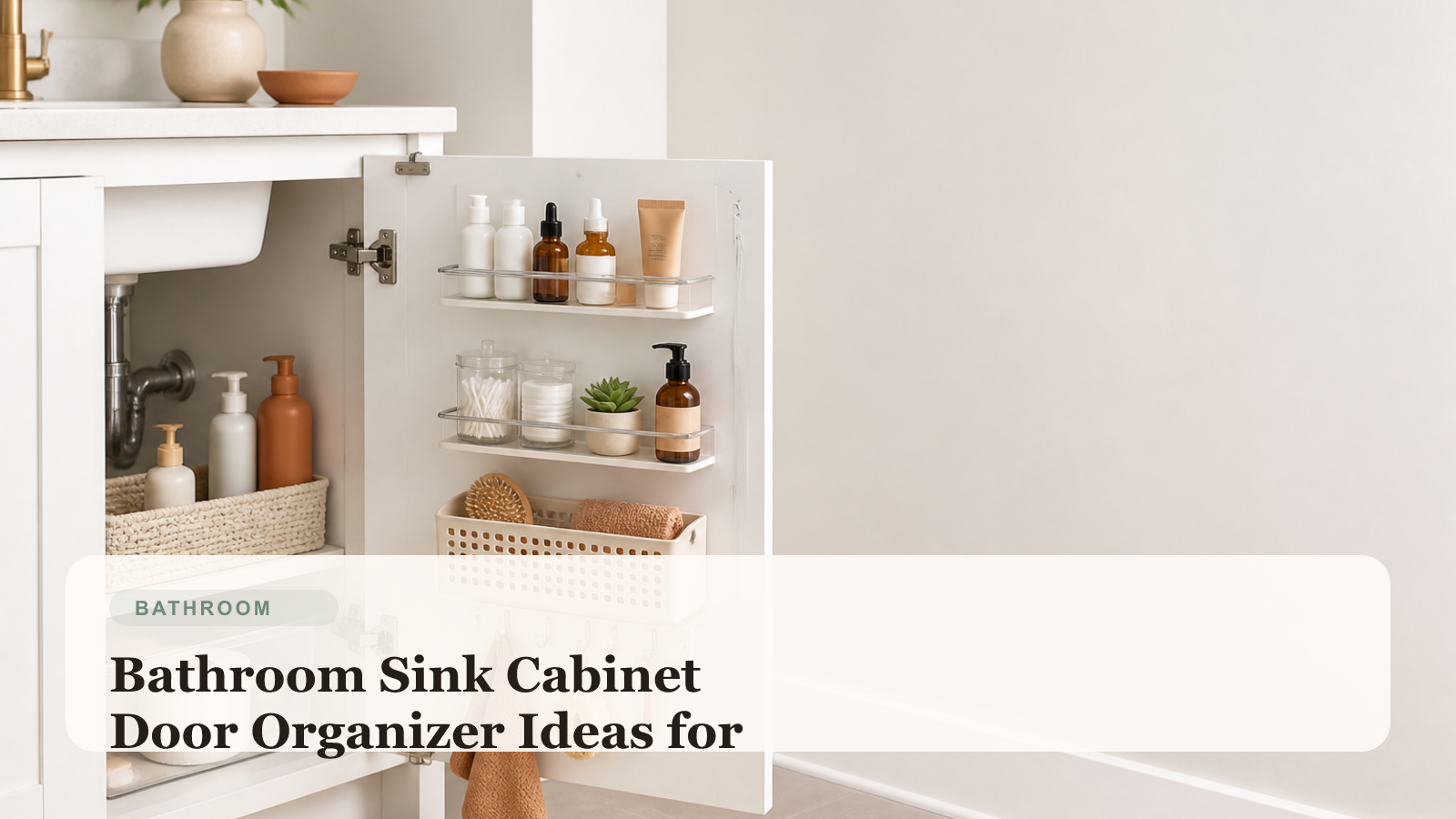
Bathroom Sink Cabinet Door Organizer Ideas for Renters
This guide focuses on one overlooked bathroom zone: how renters can use the inside of a sink cabinet door for smarter small-item storage.
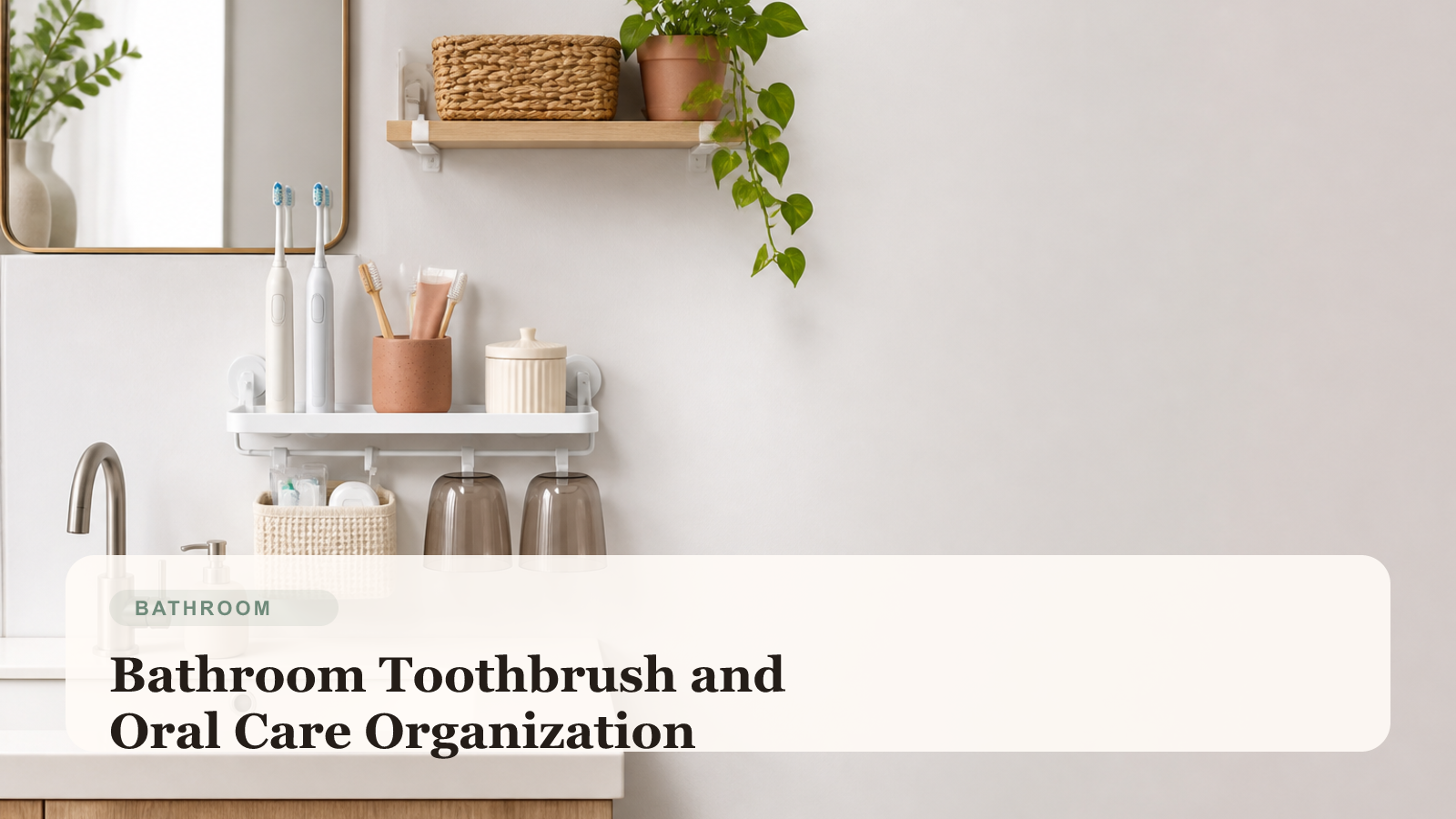
Bathroom Toothbrush and Oral Care Organization Ideas for Renters
This guide focuses on one daily bathroom category: how renters can keep toothbrushes, toothpaste, floss, and oral care refills organized without cluttering the sink.
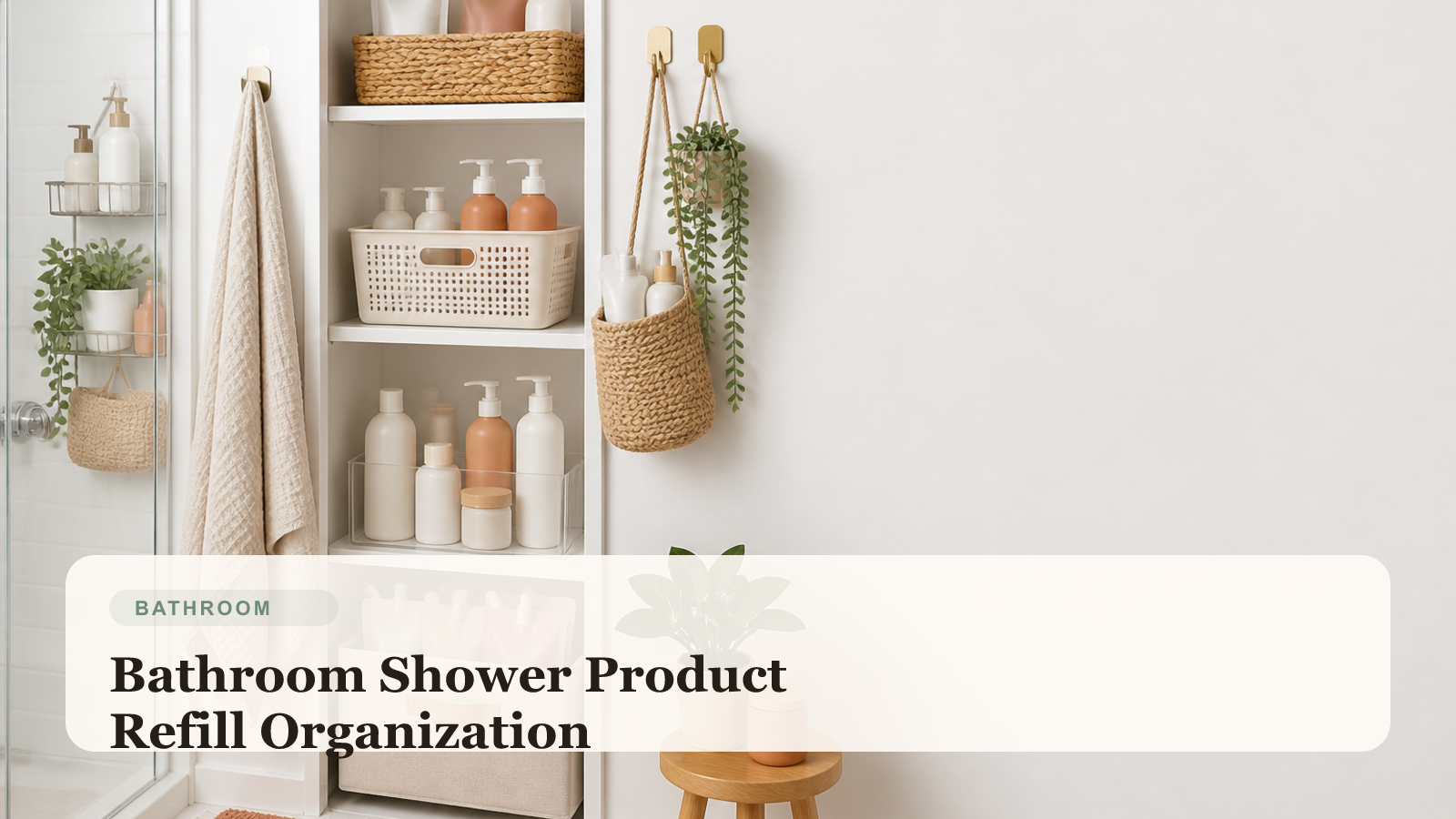
Bathroom Shower Product Refill Organization Ideas for Renters
This guide focuses on one specific bathroom problem: how renters can store backup shower products neatly without letting extras spread into every storage zone.
Editorial note
TidyHaven guides are written for practical, renter-aware small-space living. Pages may be updated over time for clarity, freshness, and better real-world usefulness.