
Bathroom Refill Station Organization for Renters
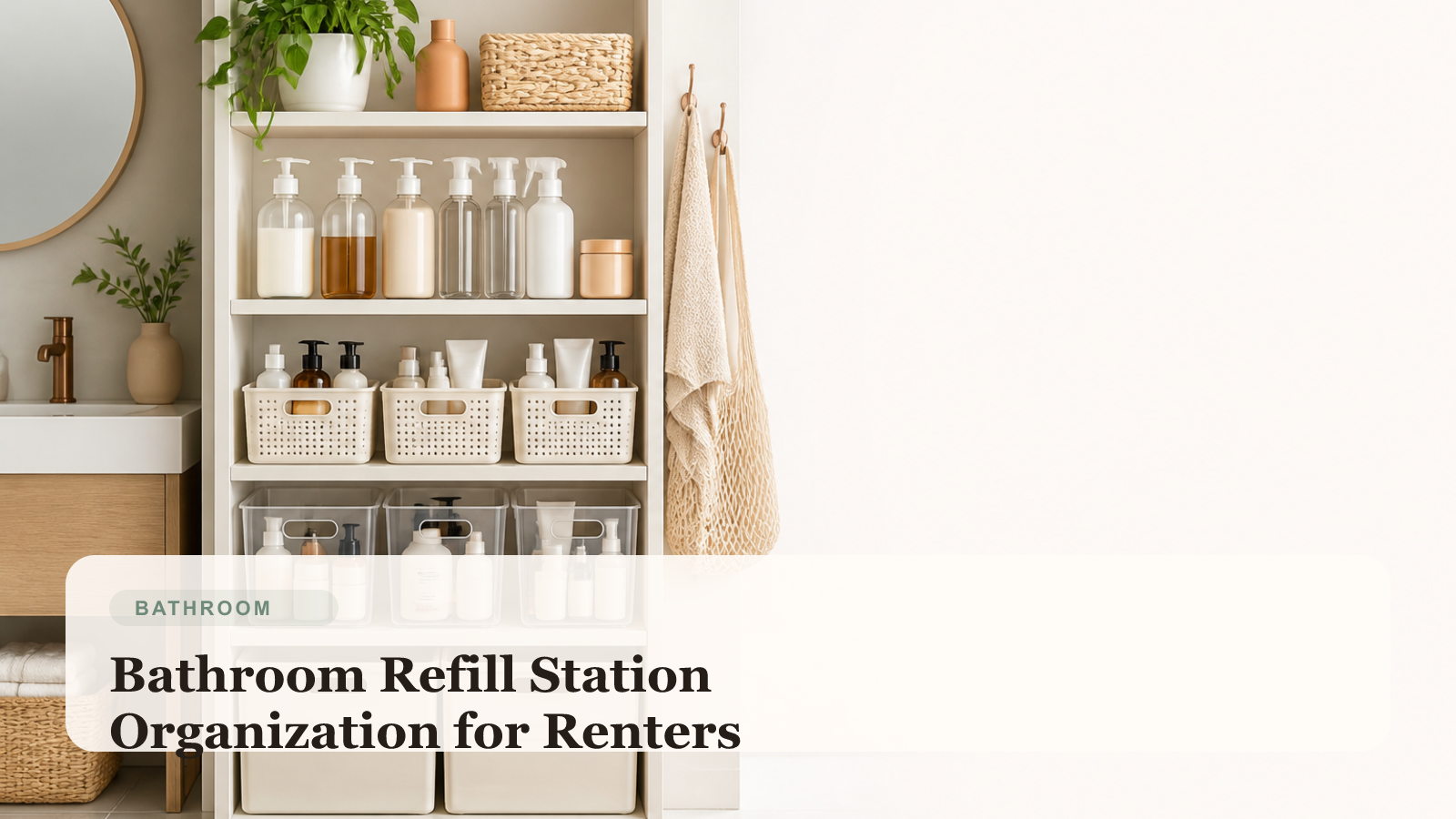
Create a renter-friendly bathroom refill station with grouped stock, simple labels, and a practical restock zone that keeps extras from spreading everywhere.
Quick takeaways
- A refill station works best when stock categories are grouped clearly and stored together.
- Simple labels make it easier to avoid duplicate purchases and forgotten products.
- The refill zone should feel separate from daily-use bathroom items.
- A small, controlled station is more useful than a bathroom full of scattered extras.
A refill station can make a bathroom feel much more controlled because it gives extra toiletries and repeat-purchase products one clear home. Without that kind of system, replacement items tend to spread into drawers, under-sink bins, and shelves in a way that makes the whole room harder to scan.
That is why refill station organization matters. It turns random backup storage into a more intentional system. For renters, that kind of structure can make a small bathroom easier to manage without changing the room itself.
This guide focuses on one clear search intent: bathroom refill station organization for renters. The goal is to create a simple restock zone for toiletries and repeat-use products that feels practical, visible enough to manage, and easy to maintain over time.
Decide which categories belong in the refill station
The refill station should hold the products you replace regularly, not every extra item in the bathroom.
Good refill categories often include:
- soap
- toothpaste
- shampoo and conditioner
- skincare staples
- deodorant
- paper goods or hygiene essentials
It usually works less well for:
- one-off purchases
- random samples
- half-used duplicates
- occasional treatments you do not replenish often
The more focused the refill station is, the more useful it becomes.
Keep the refill station separate from the daily routine zone
One reason bathroom storage starts feeling crowded is that restock products blend into the same spaces used for everyday routines. A refill station works best when it feels like its own support system.
That can mean:
- one basket zone under the sink
- one dedicated cabinet shelf
- one labeled bin setup on a less-visible shelf
Daily-use products should not have to compete with refill stock for the same space. The refill station exists to support the routine, not sit inside it.
Group the stock by category so it is easy to scan
When refill products are grouped by category, you can tell what is available much faster and avoid buying more of what you already have.
A simple setup might include:
- one bin for shower products
- one bin for oral care
- one bin for skincare refills
- one small zone for hygiene or paper stock
This keeps the station readable. Instead of one mixed pile of extras, you get several clear groups that are easier to restock from and easier to edit.
Use labels to reduce forgotten products
Labels are especially useful in refill storage because the products are not being handled every day. That makes it easier for extras to be forgotten or duplicated.
Simple labels like these help:
- shower refills
- oral care
- skincare backup
- hygiene stock
If more than one person uses the bathroom or buys similar products, labels become even more helpful because they add clarity without needing a complicated system.
Set stock limits so the refill station stays calm
Even a well-labeled refill station can get out of control if there is no limit on how much stays in the bathroom.
A practical rule might be:
- one active item
- one or two refills per fast-moving category
- fewer extras for slower-use categories
If bulk purchases are part of your routine, the bathroom does not have to hold all of them. Keep only the next-needed stock in the refill station and move the rest elsewhere if possible.
The strongest refill station feels prepared, not packed.
Make the station easy to pull from
The refill system should feel easy enough to use that you actually replenish products from it instead of buying duplicates out of uncertainty.
Helpful features include:
- bins that lift easily
- enough space to reach categories without shifting everything
- products facing the same direction when possible
- smaller bins for smaller products
The easier it is to pull from the station, the more likely it will stay accurate.
Keep paper goods and personal products slightly separate
Some refill categories behave very differently. Toilet paper and cotton rounds take up more visual room than serums or toothpaste. When those categories are mixed together, the station can start feeling messy even if it is technically organized.
It often helps to separate:
- bulkier refill categories
- smaller product refills
For example:
- one open basket for paper or hygiene stock
- smaller labeled bins for bottle and tube products
This helps the refill zone stay balanced and easier to scan.
Review the station before it becomes hidden clutter
Because refill zones are not touched as often as daily-use areas, they can quietly collect extras that no longer make sense.
A short reset helps:
- remove expired or unwanted items
- combine duplicates when appropriate
- reduce categories that have grown too large
- wipe bins or shelves
- note what truly needs replacing next
This keeps the station useful instead of turning it into a low-visibility clutter zone.
What to avoid with bathroom refill stations
Some habits make the station less effective quickly.
Avoid:
- mixing refill stock with daily-use items
- keeping too many extras in the bathroom
- storing mixed categories in one big unlabeled bin
- holding onto products you no longer use
- setting up a refill zone that is too deep or awkward to reach
The refill station should reduce friction, not create another hard-to-manage corner.
Final thought
Bathroom refill station organization for renters works best when replacement products are grouped clearly, labeled simply, and stored in a zone that supports the bathroom without crowding it. In a small rental, that kind of quiet structure can make the whole room feel easier to control. When refills stop spreading into every available space, the bathroom becomes simpler to maintain and easier to restock from.
Keep reading
Related guides worth reading next
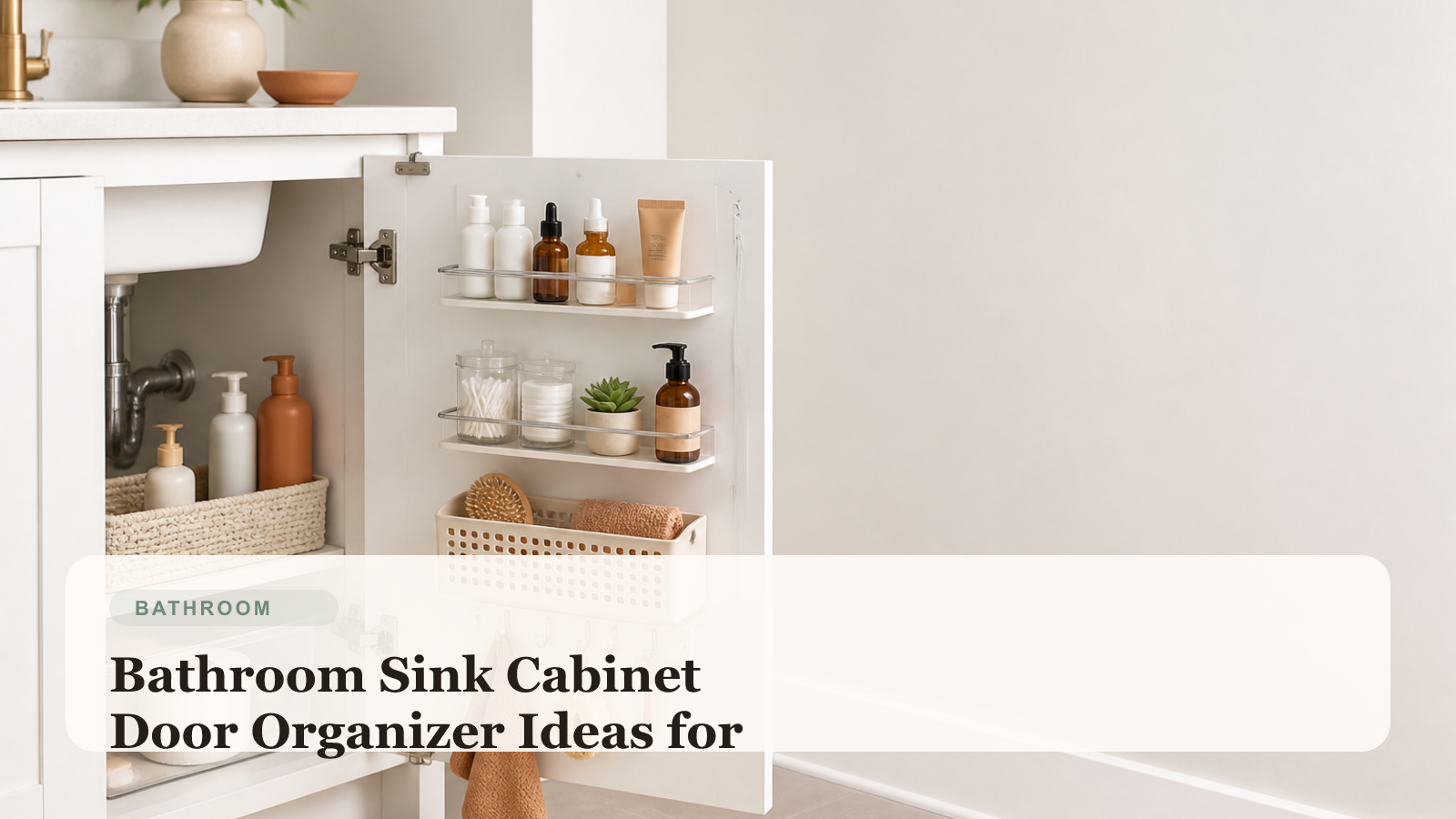
Bathroom Sink Cabinet Door Organizer Ideas for Renters
This guide focuses on one overlooked bathroom zone: how renters can use the inside of a sink cabinet door for smarter small-item storage.
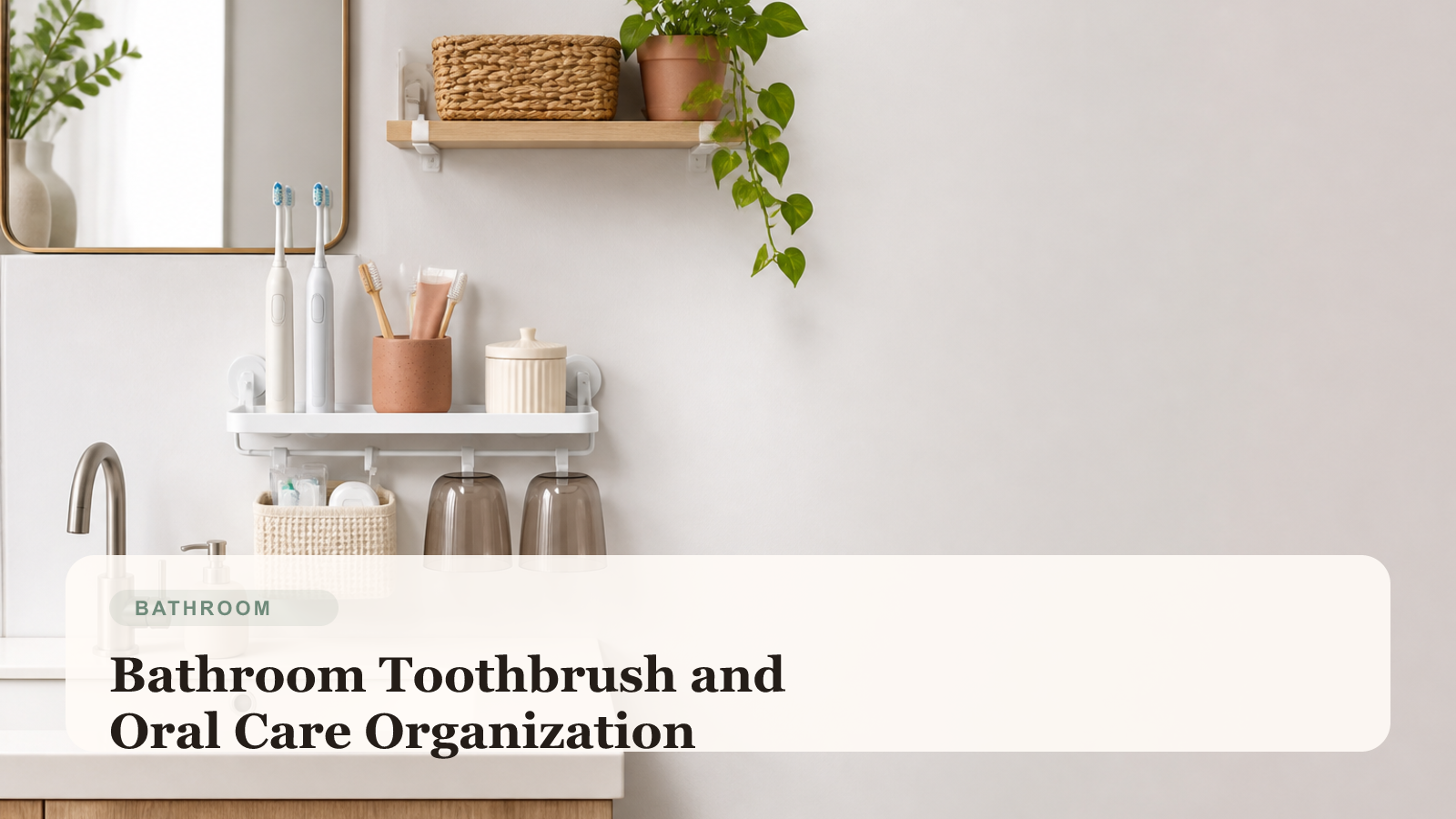
Bathroom Toothbrush and Oral Care Organization Ideas for Renters
This guide focuses on one daily bathroom category: how renters can keep toothbrushes, toothpaste, floss, and oral care refills organized without cluttering the sink.
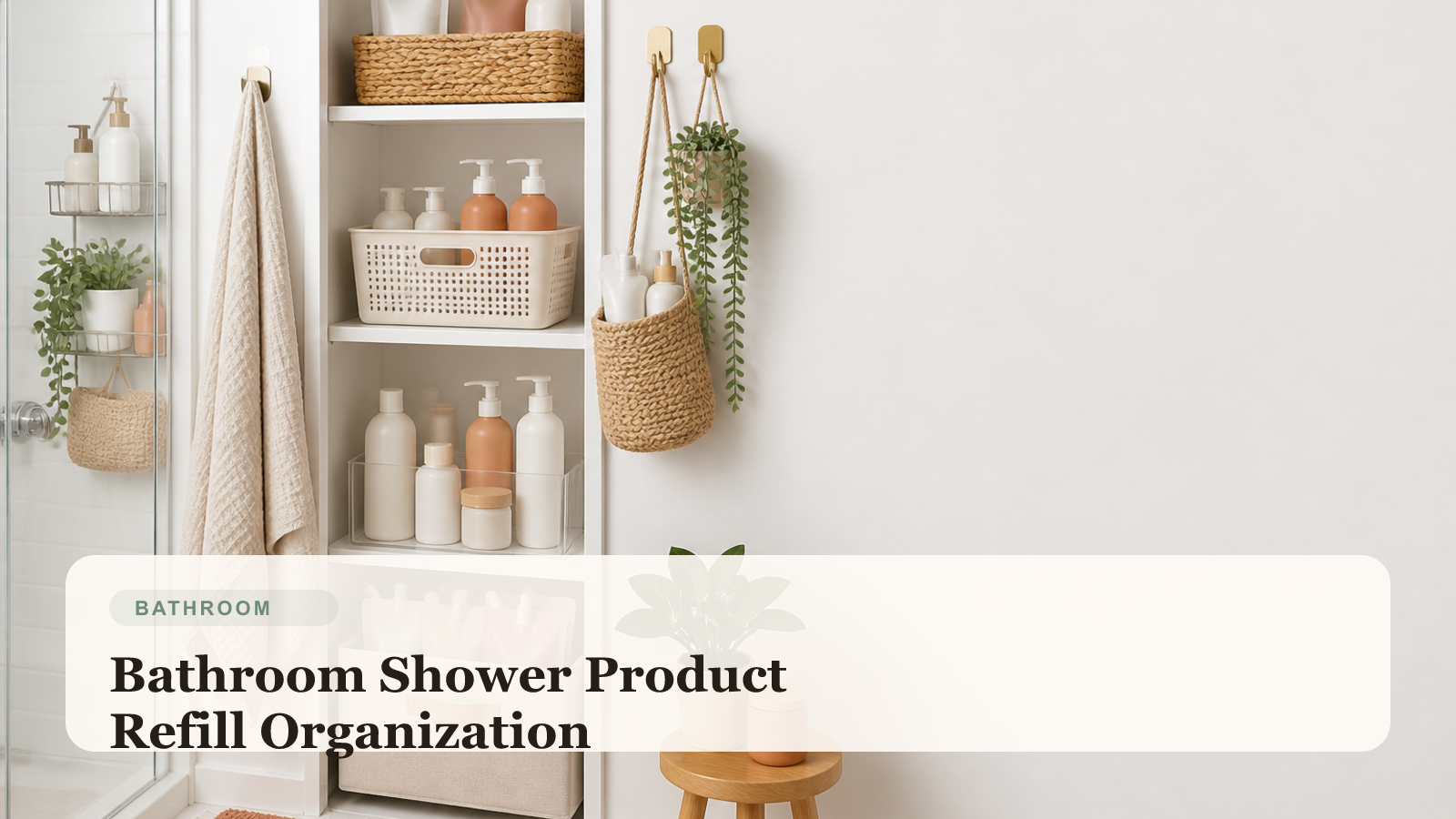
Bathroom Shower Product Refill Organization Ideas for Renters
This guide focuses on one specific bathroom problem: how renters can store backup shower products neatly without letting extras spread into every storage zone.
Editorial note
TidyHaven guides are written for practical, renter-aware small-space living. Pages may be updated over time for clarity, freshness, and better real-world usefulness.