
No-Drill Budget Closet Organization for Renters
Use tension rods, over-the-door organizers, and low-cost renter-safe tools to improve a small closet without drilling or damaging walls.
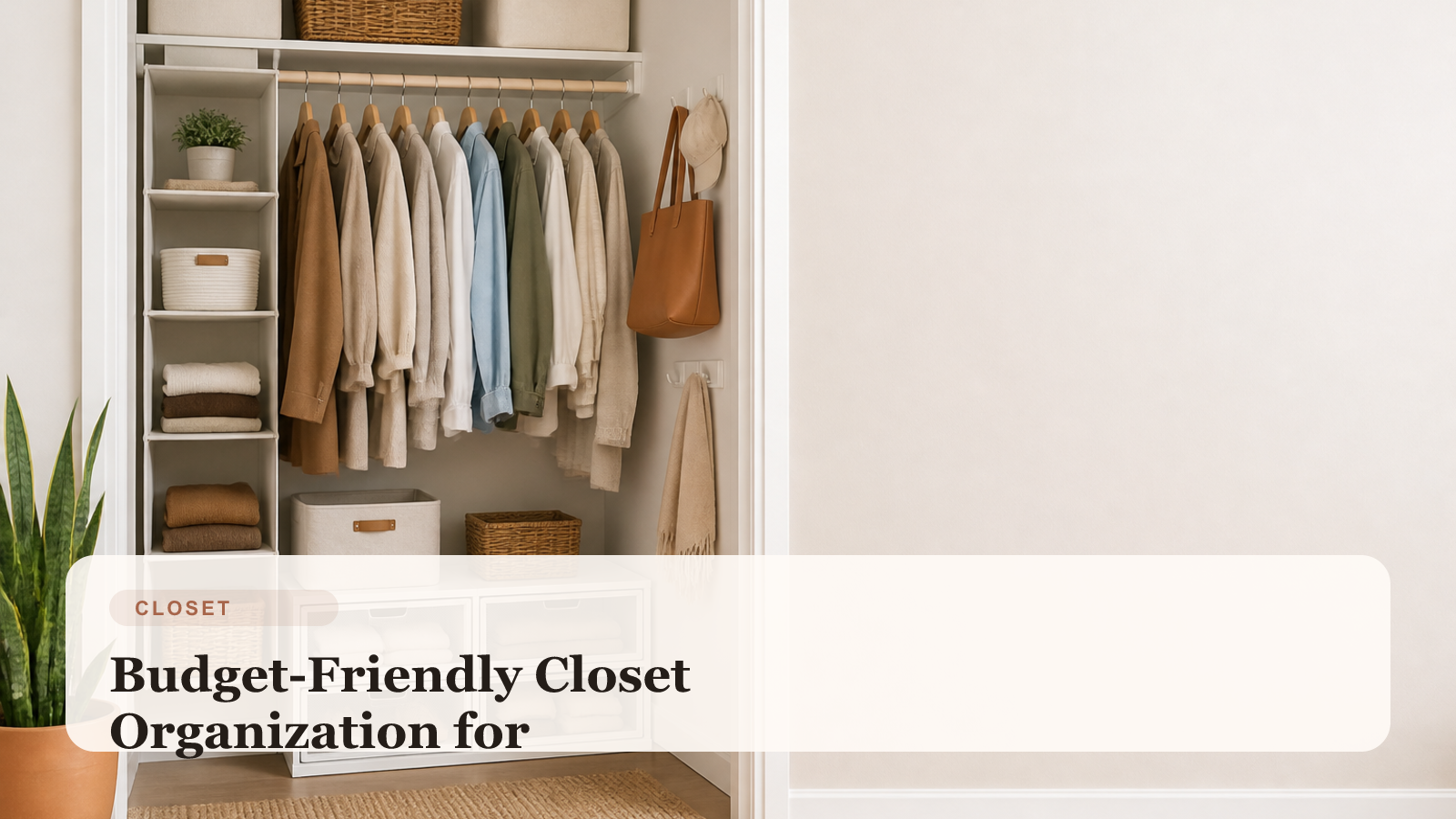
Quick takeaways
- Use tension rods and over-the-door organizers to save space without drilling.
- Choose multi-functional and budget-friendly storage solutions tailored for small closets.
- Implement maintenance habits like seasonal rotation to keep the closet clutter-free.
- Apply renter-approved hacks that protect walls and maximize vertical space.
Why this closet guide is different
This guide focuses on one specific closet problem: how to improve a rental closet when you cannot drill, mount shelves, or install anything permanent. If your main issue is closet layout planning or making better use of extra height, TidyHaven has other closet articles for those angles. This page is specifically about damage-free upgrades you can buy cheaply, set up quickly, and remove later.
Renters face unique challenges when organizing closets due to restrictions on modifying the property. Drilling holes or installing permanent fixtures can risk losing a security deposit, making it essential to find damage-free solutions. Additionally, many rental closets are smaller or awkwardly shaped, requiring creative approaches to maximize space.
- No drilling or permanent fixtures to avoid property damage.
- Closets often have limited width (commonly 24-30 inches deep) and height.
- Some closets include built-in shelves or rods that can be leveraged.
- Weight limits on rods and shelves should be considered to prevent damage.
The best no-drill closet tools for renters
When organizing a rental closet on a budget, prioritize tools that require zero permanent installation. Items like tension rods, adhesive hooks, and over-the-door organizers can transform space without causing damage. Affordability is key, so focus on versatile products available at discount stores or online for under $20 each. Multi-use items offer better value by serving several functions in your closet setup.
- Tension rods can divide vertical space or create double hanging sections (standard lengths 24-36 inches).
- Over-the-door shoe organizers and hooks utilize unused door space effectively.
- Adhesive hooks with strong but removable glue (e.g., Command hooks) support light accessories.
- Stackable fabric bins and collapsible cubes provide affordable shelf storage.
Use these tools to fix the right closet problem
The easiest way to waste money is to buy organizers before deciding what problem they are solving. Use this quick match-up instead:
- Tension rods for extra hanging space under an existing rail
- Over-the-door organizers for shoes, cleaning cloths, or small accessories
- Adhesive hooks for belts, caps, or lightweight bags
- Stackable fabric bins for folded clothing and seasonal categories
- Slim shelf risers for existing built-in shelves that waste height
That keeps the setup practical and helps you avoid cluttering the closet with products that do not actually solve anything.
Small closet hacks that stay removable
Utilizing vertical space is critical in small closets. Installing tension rods at different heights creates additional hanging zones, ideal for shorter garments like shirts or pants. Hidden spaces such as closet floors and backs of doors are often overlooked but perfect for extra storage. Adding low-profile storage bins or slim rolling carts can keep shoes or seasonal items neatly contained.
- Measure closet height and width accurately to select tension rods and bins that fit.
- Install one tension rod approximately 42 inches from the floor for longer garments.
- Add a second tension rod about 20-24 inches below the first to hang shorter items.
- Hang an over-the-door organizer on the closet or room door for shoes, scarves, or accessories.
- Place stackable fabric bins on the closet floor for folded clothes or out-of-season gear.
Renter-Friendly Storage Solutions for Different Clothing Categories
Organizing by clothing category simplifies daily access and maximizes efficiency. Separate storage solutions tailored to shirts, pants, shoes, and accessories help maintain order without clutter. Lightweight and portable containers allow easy adjustment without damage. Using clear or labeled bins ensures quick identification to save time during busy mornings.
- Use hanging organizers with multiple compartments for underwear, socks, and accessories.
- Fold sweaters and store them in fabric bins to avoid stretching hangers.
- Allocate specific sections for shoes using door organizers or slim floor racks.
- Keep belts, ties, and scarves on removable hooks or small hangers.
Affordable Multi-Functional Furniture and Storage Additions
Incorporating small furniture pieces designed for closets can enhance organization without costly renovations. Budget-friendly options include cube storage units, rolling carts, or foldable shelving that fit inside or adjacent to closet spaces. Prioritize lightweight, easy-to-move pieces that do not require assembly involving wall anchors or tools. These can be repositioned as needed, offering flexibility for renters who may move apartments frequently.
- Identify available floor space inside or near the closet (measure width, depth, height).
- Select cube storage units with 12x12 inch compartments for folded clothing or bins.
- Choose rolling carts with 2-3 shelves to store shoes or daily essentials.
- Use foldable or collapsible shelves that can be expanded or stored when not needed.
Maintenance Tips to Keep Your Rental Closet Neat and Functional
Regular maintenance keeps your closet organized and prevents the need for costly deep clean-ups. Simple habits like seasonal clothing rotation and periodic review reduce clutter buildup. Avoid overcrowding by sticking to a one-in, one-out rule for new clothing. Keeping storage containers dust-free and checking adhesive hooks for loosening ensures long-lasting functionality without damage.
- Rotate seasonal clothes every 3-4 months to free up space.
- Use clear labels on bins for quick identification and retrieval.
- Check and reapply adhesive hooks as needed to avoid falls.
- Declutter quarterly, donating unused items to maintain manageable volume.
Final thought
Maximizing closet space without drilling is entirely achievable for renters on a budget, but the best results usually come from choosing a few smart removable tools instead of trying to rebuild the whole closet. Focus on the highest-friction categories first, keep the system easy to undo, and let the closet stay flexible enough to move with you later.
Keep reading
Related guides worth reading next
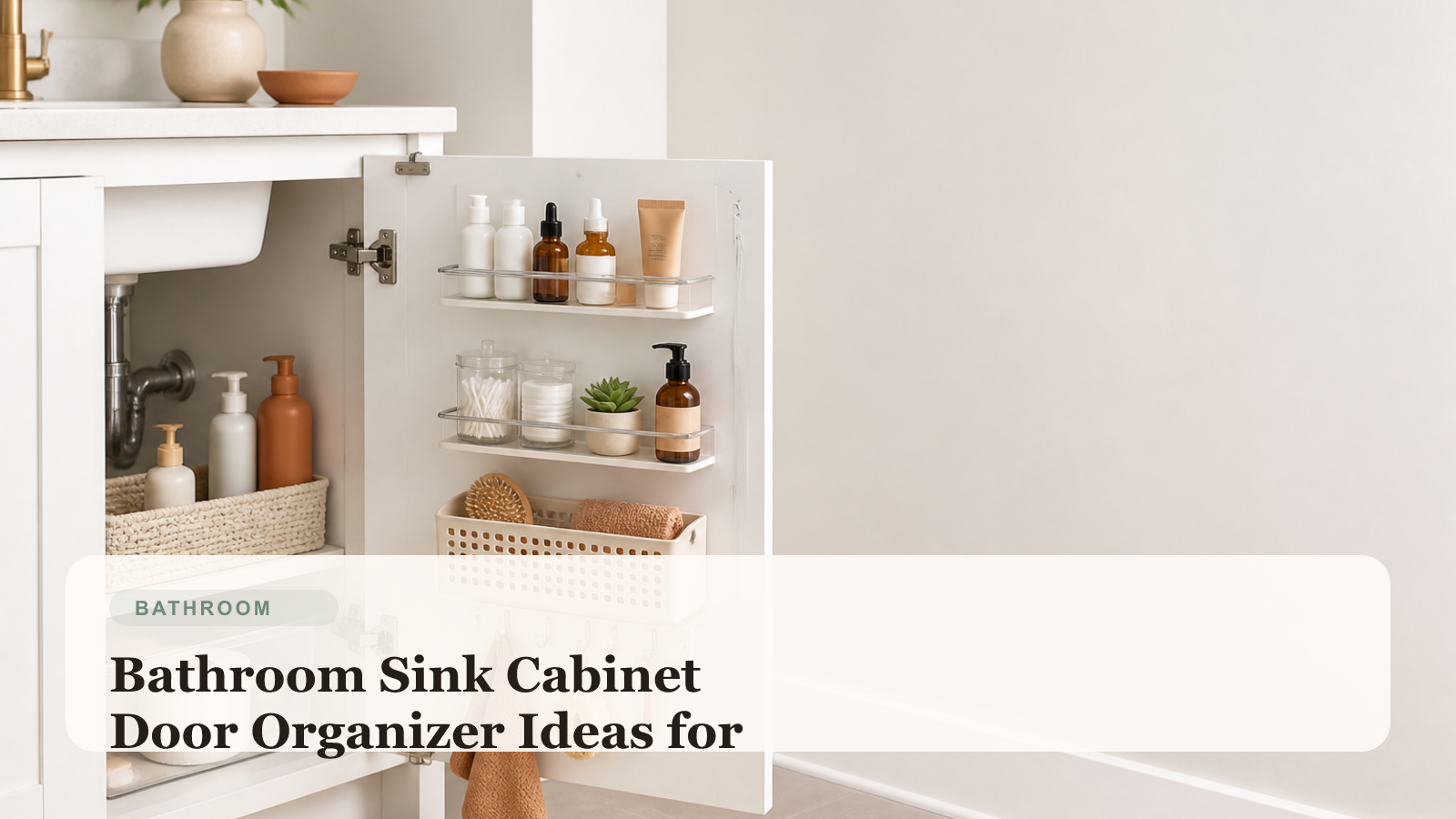
Bathroom Sink Cabinet Door Organizer Ideas for Renters
This guide focuses on one overlooked bathroom zone: how renters can use the inside of a sink cabinet door for smarter small-item storage.
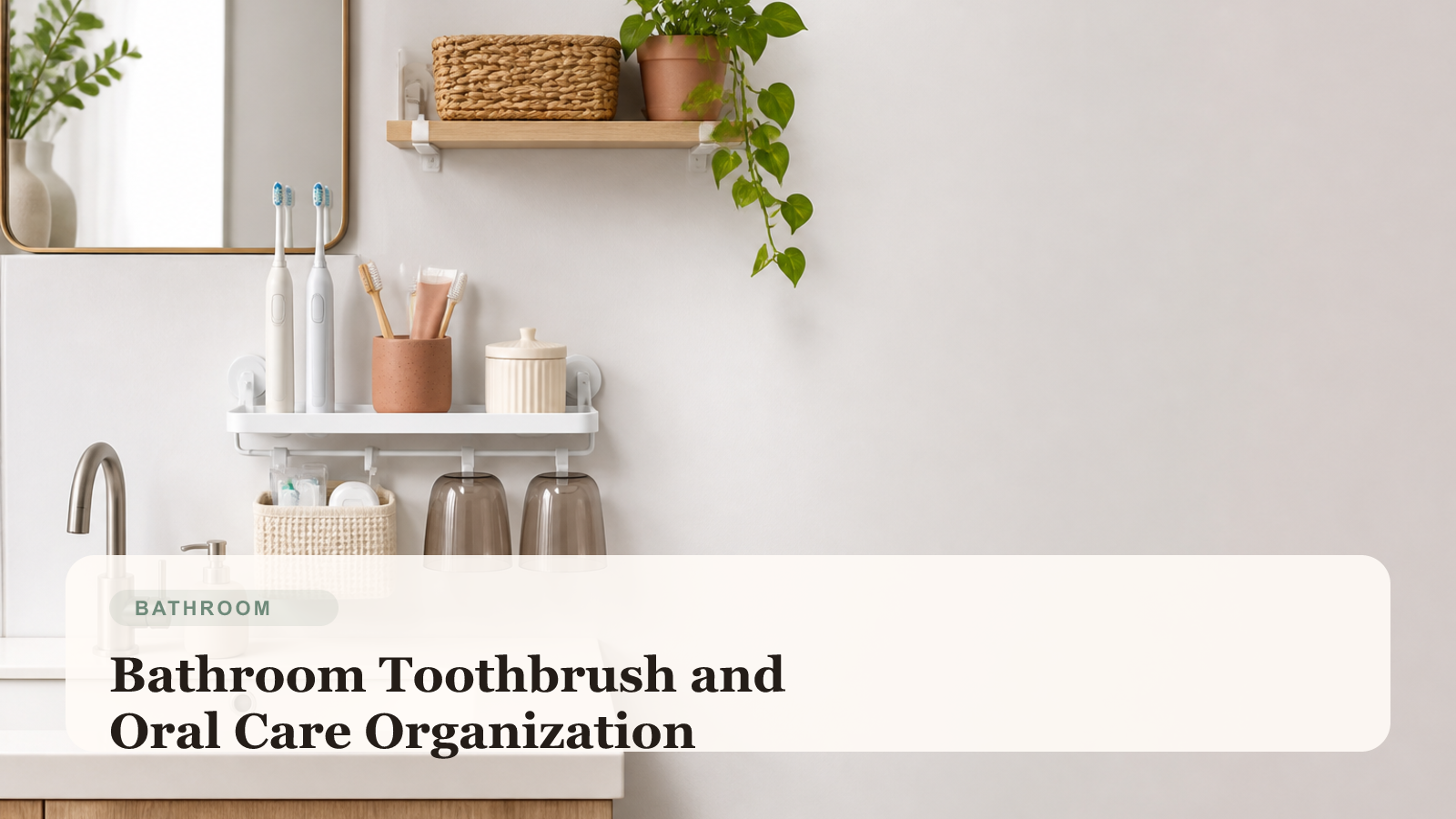
Bathroom Toothbrush and Oral Care Organization Ideas for Renters
This guide focuses on one daily bathroom category: how renters can keep toothbrushes, toothpaste, floss, and oral care refills organized without cluttering the sink.
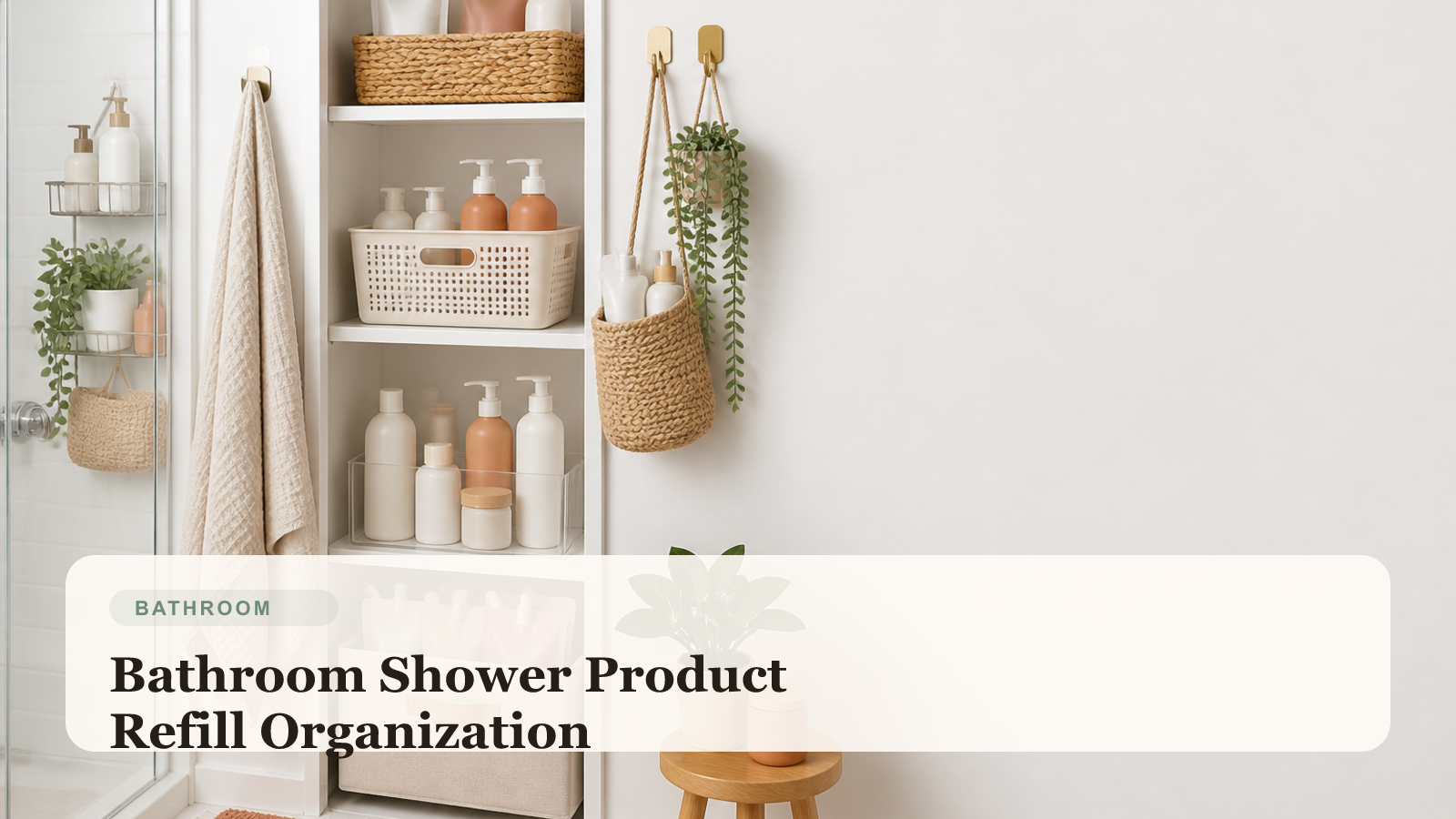
Bathroom Shower Product Refill Organization Ideas for Renters
This guide focuses on one specific bathroom problem: how renters can store backup shower products neatly without letting extras spread into every storage zone.
Editorial note
TidyHaven guides are written for practical, renter-aware small-space living. Pages may be updated over time for clarity, freshness, and better real-world usefulness.