
Budget-Friendly Closet Organization Tips for Renters to Maximize Small Spaces
Practical and affordable closet organization strategies tailored for renters living in small apartments. Discover clever rental-friendly storage hacks and budget closet storage solutions that optimize limited space without permanent modifications.
Quick takeaways
- Utilize adjustable, damage-free storage solutions to protect your rental.
- Prioritize vertical and door space to maximize storage in small closets.
- Choose budget-friendly organizers that suit renter constraints and small spaces.
- Develop maintenance habits to keep your closet organized long-term.
Understanding Rental Closet Limitations and Setting Realistic Goals
Renters face unique challenges when organizing closets, including restrictions on permanent modifications like drilling holes or installing customized shelving. Before starting, it’s essential to understand your lease constraints and prioritize reversible or damage-free storage solutions. Set practical goals based on your closet size, typically ranging from 24 to 36 inches deep and 36 to 60 inches wide in small apartments. Knowing these dimensions helps select appropriately sized organizers and prevents overcrowding.
- Review your lease agreement for any prohibitions on alterations.
- Measure closet dimensions accurately (depth, width, height).
- Assess your current clothing and accessory volume to avoid overfilling.
Maximizing Vertical and Door Space Without Drilling
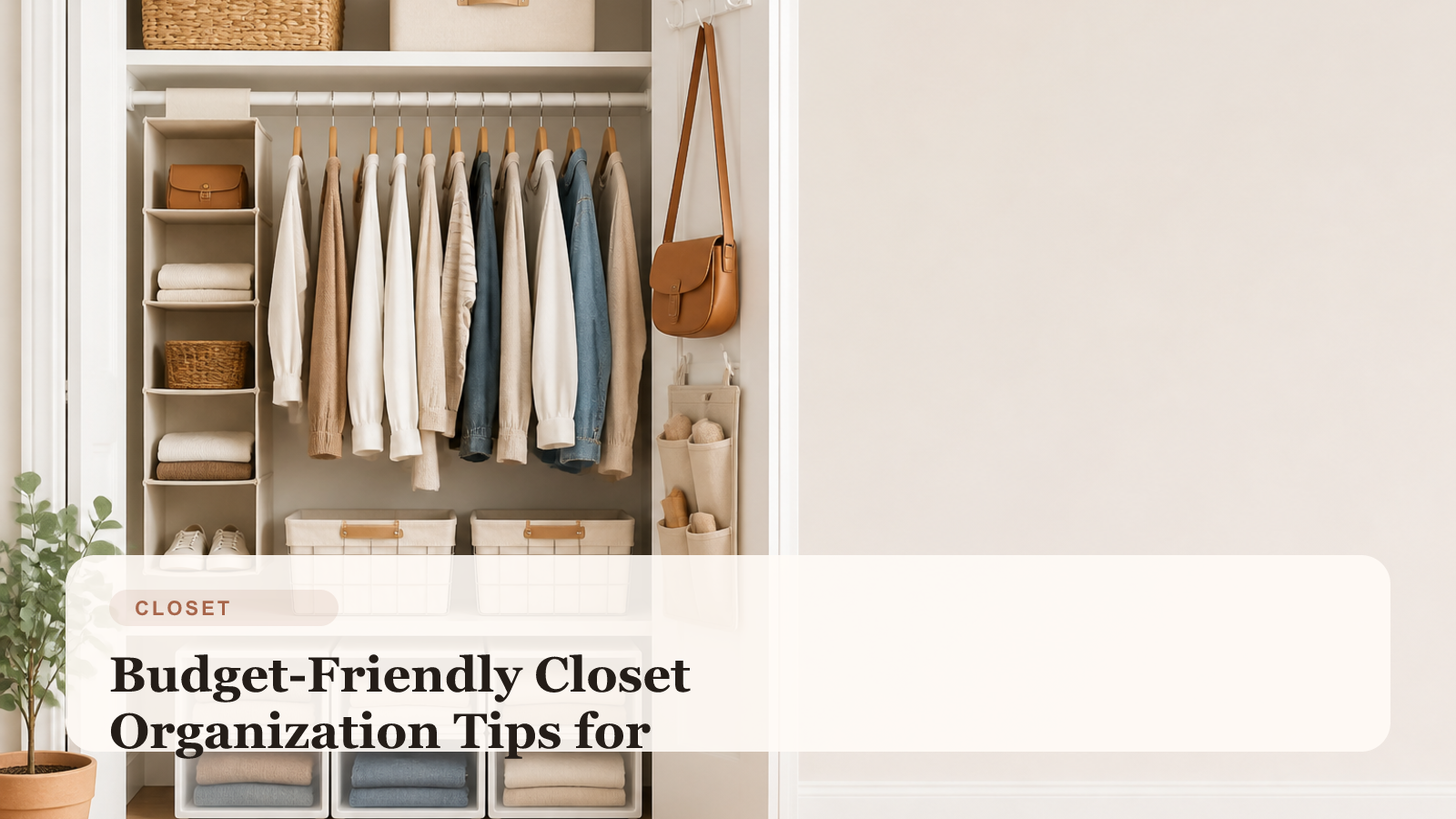
Vertical space is often underutilized but can dramatically increase storage capacity. Use tension rods to add extra hanging levels or install hanging shelves that rely on existing rods, all without damaging surfaces. Closet doors offer another valuable storage area. Over-the-door organizers can hold shoes, accessories, or folded clothes and typically cost between $10-$25, making them budget-friendly and renter-safe.
- Measure door width (usually 24-30 inches) to select fitting organizers.
- Purchase adjustable tension rods for additional hanging space.
- Install over-the-door hooks or shoe racks that require no screws.
- Use hanging fabric shelves to store sweaters or handbags.
Affordable Storage Solutions Tailored for Small Apartments
Opt for budget closet storage that provides multiple functions and fits small spaces easily. Cubes and stackable bins priced around $5-$15 each help segment your belongings and keep items accessible. Wire baskets and clear plastic containers can be slid onto shelves or under hanging clothes, making it easier to find what you need without creating clutter.
- Use 12x12 inch storage cubes for shoes or folded clothes.
- Clear containers help in quick visibility and reduce overbuying.
- Stackable bins optimize limited floor or shelf space.
- Wire baskets improve airflow and prevent mustiness.
Implementing Rental-Friendly Closet Hacks for Easy Customization
Leverage removable adhesive hooks and strips to hang lightweight accessories such as scarves, belts, or jewelry. These tools cause no damage and can be easily removed before moving out. Another hack includes using shower curtain rings on hangers to group similar items like scarves or tank tops. This method requires no extra investment and maximizes hanger utility.
- Select adhesive hooks rated for at least 2 lbs to ensure durability.
- Position hooks on interior closet walls or door backs as allowed.
- Attach shower curtain rings on pant or hanger rods to group accessories.
- Regularly check adhesive hooks for adhesion to avoid accidental falls.
Seasonal Rotation and Maintenance Habits for Long-Term Organization
For small rental closets, rotating seasonal clothing helps maintain order and frees up space. Store off-season items in under-bed storage bins or vacuum-sealed bags, which can cost between $10-$20 and compress bulky items effectively. Establish simple maintenance routines like dedicating 5-10 minutes weekly to re-fold clothes and rehang items properly to prevent clutter buildup, making your closet organization last.
- Use vacuum-sealed bags for bulky winter clothes during summer.
- Label storage bins clearly to save time when searching.
- Schedule a weekly 10-minute tidy-up to maintain order.
- Donate or discard unused clothing every few months.
Smart Categorization and Efficient Use of Hangers
Categorize clothes by type and frequency of use to reduce search time and consolidate space. For example, group daily wear separately from formal attire and hang them accordingly to optimize access. Use thin, non-slip velvet hangers that take up less space than traditional bulky ones, allowing up to 30% more hanging room. These cost around $10-$15 for a set of 30 and prevent clothes from slipping off.
- Sort clothing into categories: daily wear, work clothes, formalwear, and accessories.
- Replace bulky hangers with slim velvet hangers for space saving.
- Arrange clothes by length to create a streamlined visual and maximize rod space.
- Keep frequently worn items at eye level for easy access.
Creative Use of Lighting and Mirrors to Enhance Closet Usability
Small rental closets often suffer from poor lighting, which can make organizing and selecting clothes difficult. Affordable stick-on LED lights powered by batteries can be installed without wiring or tools, brightening the space effectively. Adding a full-length mirror on the inside of the closet door or nearby wall can increase perceived space and help with outfit planning. Removable adhesive mirror tiles are a renter-friendly option costing $15-$30.
- Install battery-operated LED puck lights or strip lights with adhesive backing.
- Position lights to reduce shadows on hanging clothes.
- Use removable adhesive mirrors to avoid wall damage.
- Keep lighting maintenance simple by using rechargeable batteries.
Final thought
Organizing a rental closet in a small apartment doesn’t require expensive renovations or permanent changes. By understanding your space constraints and lease restrictions, utilizing vertical and door spaces, and investing in budget-friendly, renter-safe storage tools, you can significantly enhance your closet’s functionality. Regular maintenance and smart categorization ensure your system remains efficient and clutter-free. These practical tips empower renters to create a neat, accessible closet without risking their security deposit or breaking the bank.
Keep reading
Related guides worth reading next
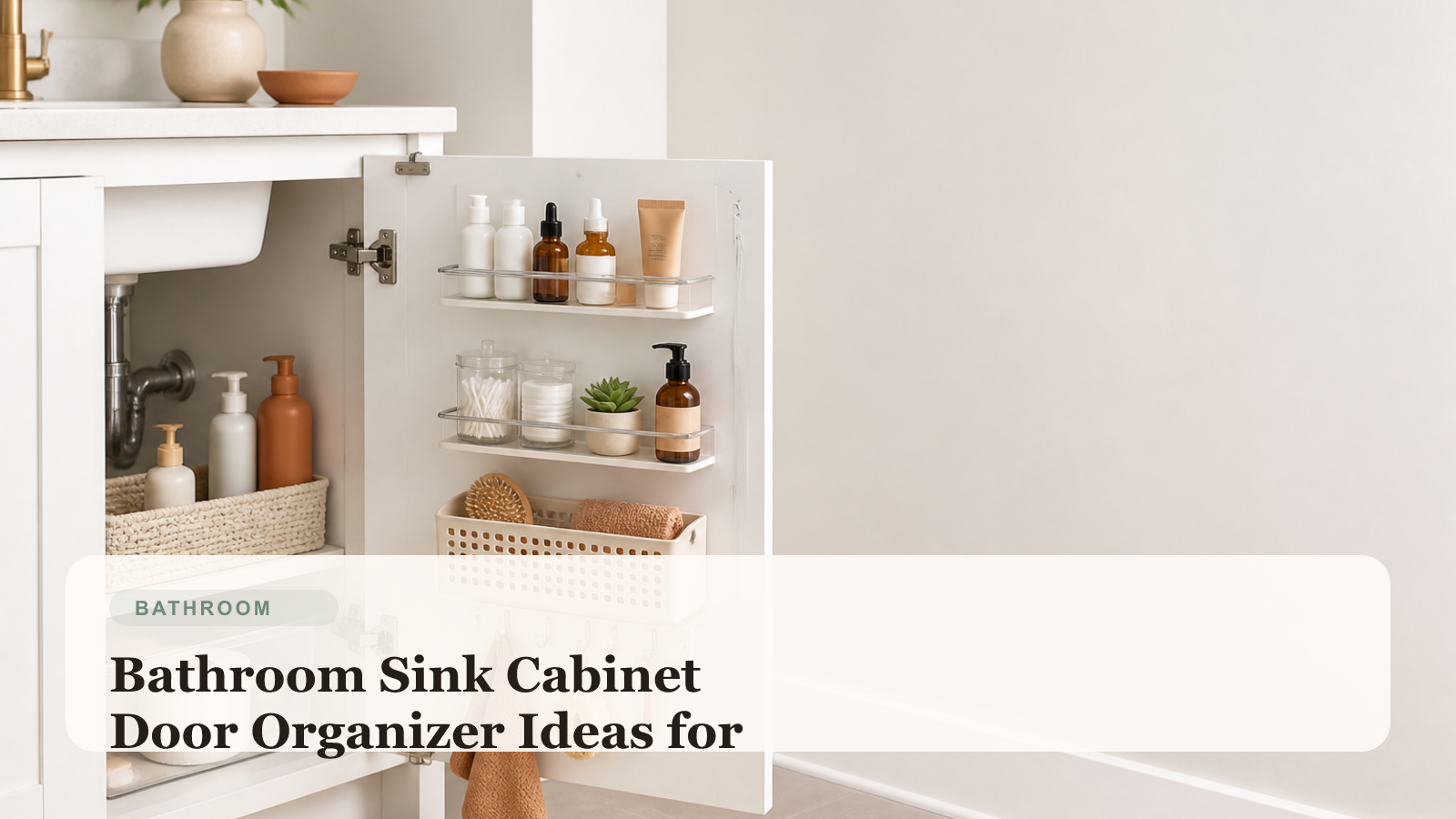
Bathroom Sink Cabinet Door Organizer Ideas for Renters
This guide focuses on one overlooked bathroom zone: how renters can use the inside of a sink cabinet door for smarter small-item storage.
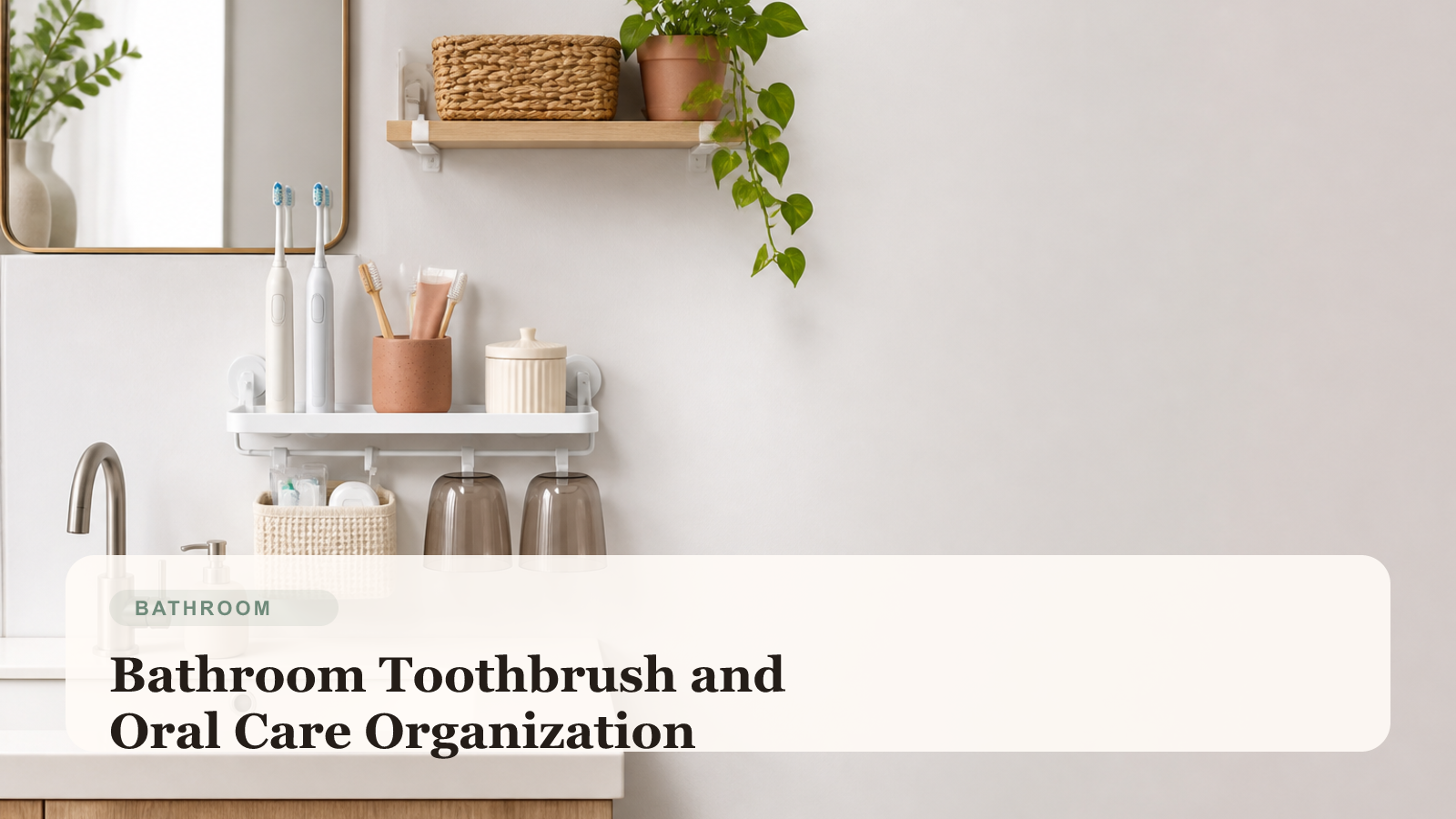
Bathroom Toothbrush and Oral Care Organization Ideas for Renters
This guide focuses on one daily bathroom category: how renters can keep toothbrushes, toothpaste, floss, and oral care refills organized without cluttering the sink.
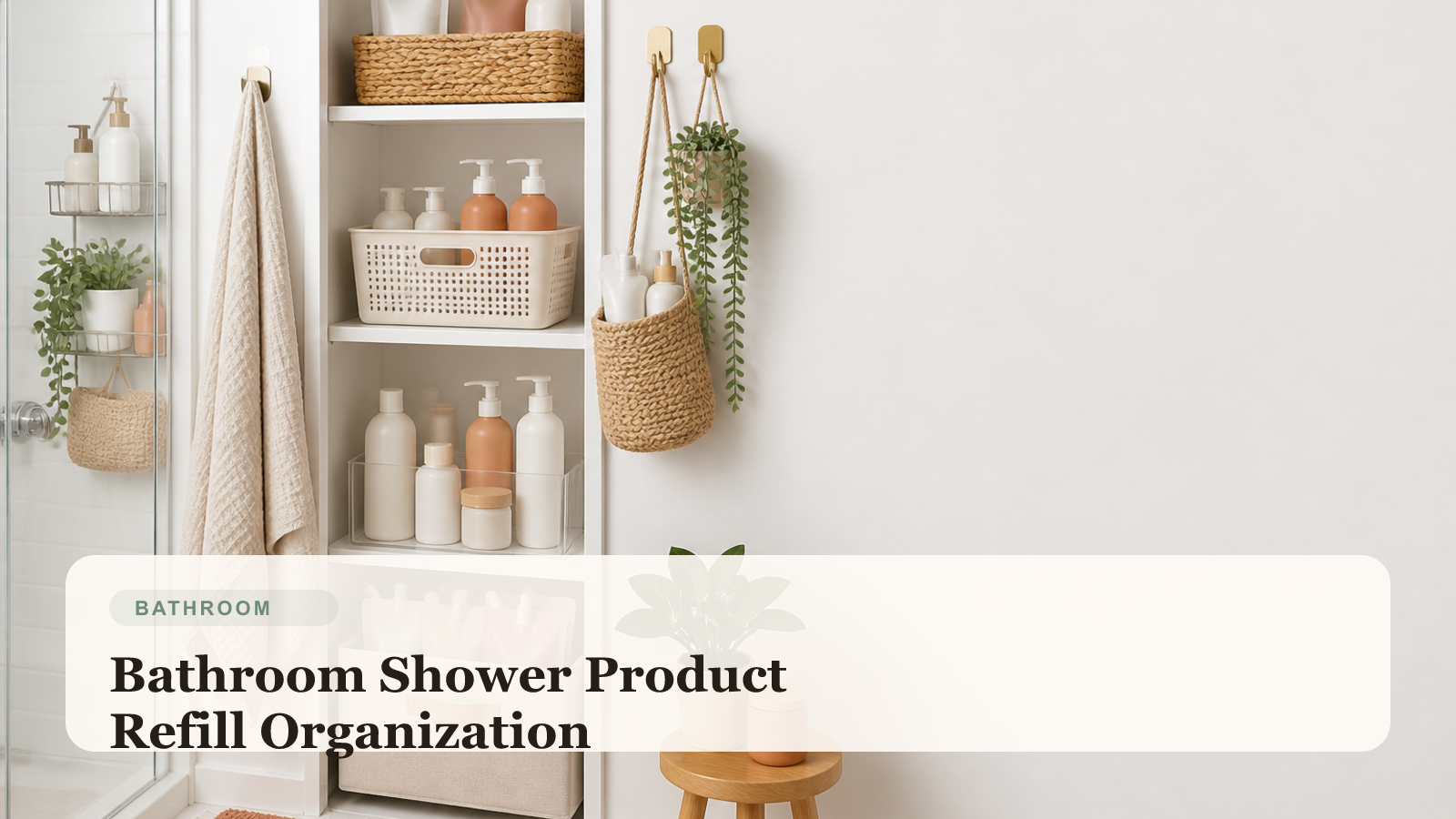
Bathroom Shower Product Refill Organization Ideas for Renters
This guide focuses on one specific bathroom problem: how renters can store backup shower products neatly without letting extras spread into every storage zone.
Editorial note
TidyHaven guides are written for practical, renter-aware small-space living. Pages may be updated over time for clarity, freshness, and better real-world usefulness.