
Small Apartment Entryway Storage Ideas for Renters on a Budget
Set up a clutter-free apartment entry with renter-friendly hooks, slim shoe storage, and budget drop-zone ideas that work in small spaces.
Quick takeaways
- Build an apartment drop zone with slim, renter-safe storage instead of bulky furniture.
- Use wall hooks, trays, and narrow shoe storage to keep the front door clear.
- Choose entryway pieces that work for move-in season and still stay easy to maintain.
- A simple daily reset keeps mail, shoes, and bags from spreading into the rest of the home.
Why small apartment entryways get messy so fast
The entryway in a small apartment usually has to do too many jobs at once. It catches shoes, bags, keys, mail, deliveries, umbrellas, and sometimes sports gear or laundry that has not made it farther into the home yet. If the area is narrow, every one of those items starts to spill into the path you walk every day.
This gets even more obvious during move-in season or the first few weeks in a new apartment. Most renters set up the kitchen and bedroom first, then realize the front door never got its own system. A good entryway setup does not need custom built-ins. It just needs a few clear landing spots that fit the scale of a small space.
The best entryway storage ideas for renters stay compact, removable, and easy to reset. Instead of filling the whole wall, focus on one slim shoe solution, one hook zone, and one catch-all tray or basket. That keeps the area functional without making it feel crowded.
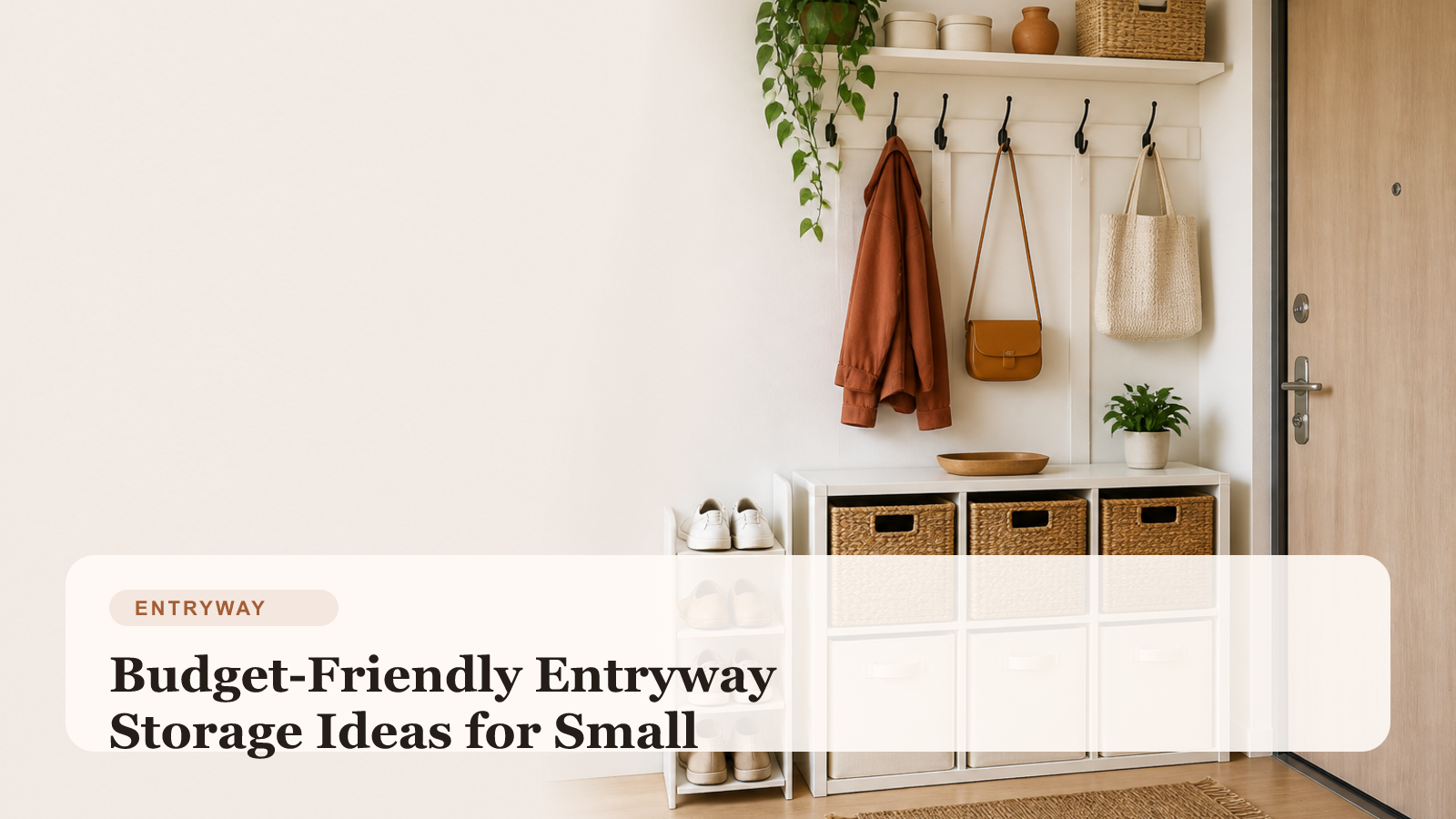
Renter-friendly wall hooks and vertical entryway storage
Vertical storage is one of the easiest wins in a small apartment entryway because it frees up the floor right away. Renters can get most of the benefit without drilling by using removable hooks, over-the-door storage, and narrow peg rails made for lease-friendly mounting strips.
Use hooks for the items that get dropped first: keys, tote bags, dog leashes, light jackets, and hats. Keep the hook zone limited to everyday essentials so it does not turn into a dumping wall. If your apartment has no coat closet near the door, a simple row of removable hooks often works better than a large standalone rack.
- Use removable hooks or a slim adhesive rail for keys, bags, and light layers.
- Add one narrow wall pocket or mail slot to stop paper clutter from landing on a counter.
- Try an over-the-door organizer for extras like umbrellas, sunglasses, or reusable shopping bags.
- Keep the tallest vertical storage on one side only so the entry still feels open.
Slim shoe storage that works in tight entryways
Shoes usually create the biggest visual mess near the door, so this is the first category worth solving. A shoe rack does not need to hold every pair you own. It just needs to hold the pairs you are actively using this week so the floor stays clear.
Look for racks that stay shallow and vertical rather than wide and deep. In very narrow entryways, a closed cabinet can feel cleaner, but an open rack is easier to maintain if you are trying to build a new habit. If you share the apartment, assign each person one shelf or lane so the system stays readable.
- Keep only daily-use shoes by the door and rotate out the rest.
- Choose a rack or cabinet that stays narrow enough to preserve the walkway.
- Use a tray underneath to catch dirt and make quick cleanup easier.
- If space is tight, try a stacked vertical rack instead of a bench with cubbies.
Budget drop-zone furniture for new apartments
If you have room for one piece of furniture, make it a drop-zone piece that does more than one job. A slim bench with storage, a narrow console table, or a wall-mounted shelf with a basket underneath can hold the items that usually float around near the entrance.
For move-in season, keep this practical. You do not need a styled foyer. You need a place for shoes, keys, mail, and bags that does not block the door. Multi-use pieces help because they can keep working later if you rearrange the apartment.
- A narrow bench helps with shoe changes and hides overflow underneath.
- A slim console gives you a landing zone for mail, keys, and small baskets.
- A floating shelf can work if floor space is extremely limited.
- Choose furniture with rounded corners or open legs if the entry path is tight.
Baskets, trays, and small containers that prevent clutter buildup
A small entryway gets messy when every tiny item lands in a different place. That is why baskets and trays matter. They keep the visual noise contained and make it easier to reset the area in under a minute.
Use one tray for keys and wallets, one basket for reusable bags or pet items, and one spot for incoming paper. The fewer categories you create, the easier it is for everyone in the apartment to follow the system. This is also where you can make the space feel nicer with a simple woven basket or ceramic tray without spending much.
- Use a shallow tray for keys, wallets, and earbuds.
- Add one basket for reusable bags, sunscreen, or dog-walk essentials.
- Keep a narrow paper sorter or wall pocket for mail that needs action.
- Avoid adding more than a few containers or the entry will start to feel busy again.
Entryway organization for shared apartments and busy routines
Shared apartments and busy weekday routines are where entryway systems either work or fail. If more than one person uses the space, each person needs one obvious place for shoes and one obvious place for grab-and-go items. Otherwise the whole setup falls apart by the second week.
Think in terms of friction. What slows you down when leaving the house? Shoes you cannot find, keys on the wrong surface, or bags dropped in the middle of the walkway. Build the storage around those friction points first instead of copying a picture-perfect entry table that does not match your routine.
- Give each person one hook or one bag slot.
- Limit the number of shoes that stay near the door.
- Keep the reset simple enough to finish in under two minutes.
- Rework the setup after move-in if one category keeps overflowing.
A five-minute reset that keeps the entryway working
The easiest way to keep a small apartment entryway organized is to attach it to an existing habit. Reset the area when you come home in the evening or right before bed. Put shoes back, hang the bag, clear paper, and toss anything that belongs elsewhere into a carry basket to deal with in one trip.
This short reset matters more than buying more storage. Even a well-designed entryway can look cluttered if the surfaces stay full. A five-minute rhythm protects the system and helps the apartment feel calmer as a whole.
Final thought
The best small apartment entryway storage ideas for renters are not the biggest ones. They are the ones that fit the wall, protect the deposit, and make leaving and coming home easier every day. Start with the categories that create the most mess, keep the storage narrow and simple, and build a drop zone that still works after the move-in excitement wears off.
Keep reading
Related guides worth reading next
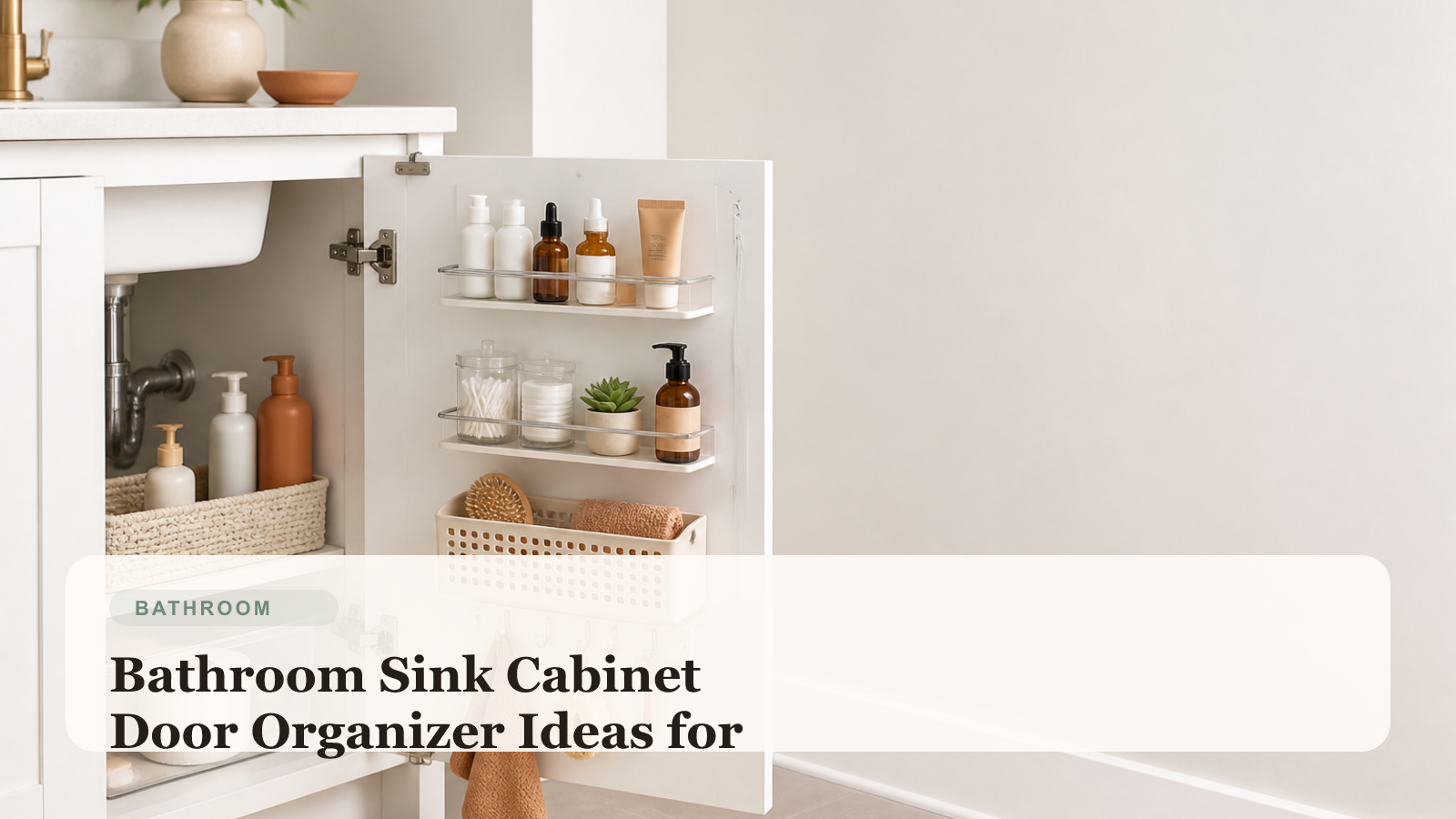
Bathroom Sink Cabinet Door Organizer Ideas for Renters
This guide focuses on one overlooked bathroom zone: how renters can use the inside of a sink cabinet door for smarter small-item storage.
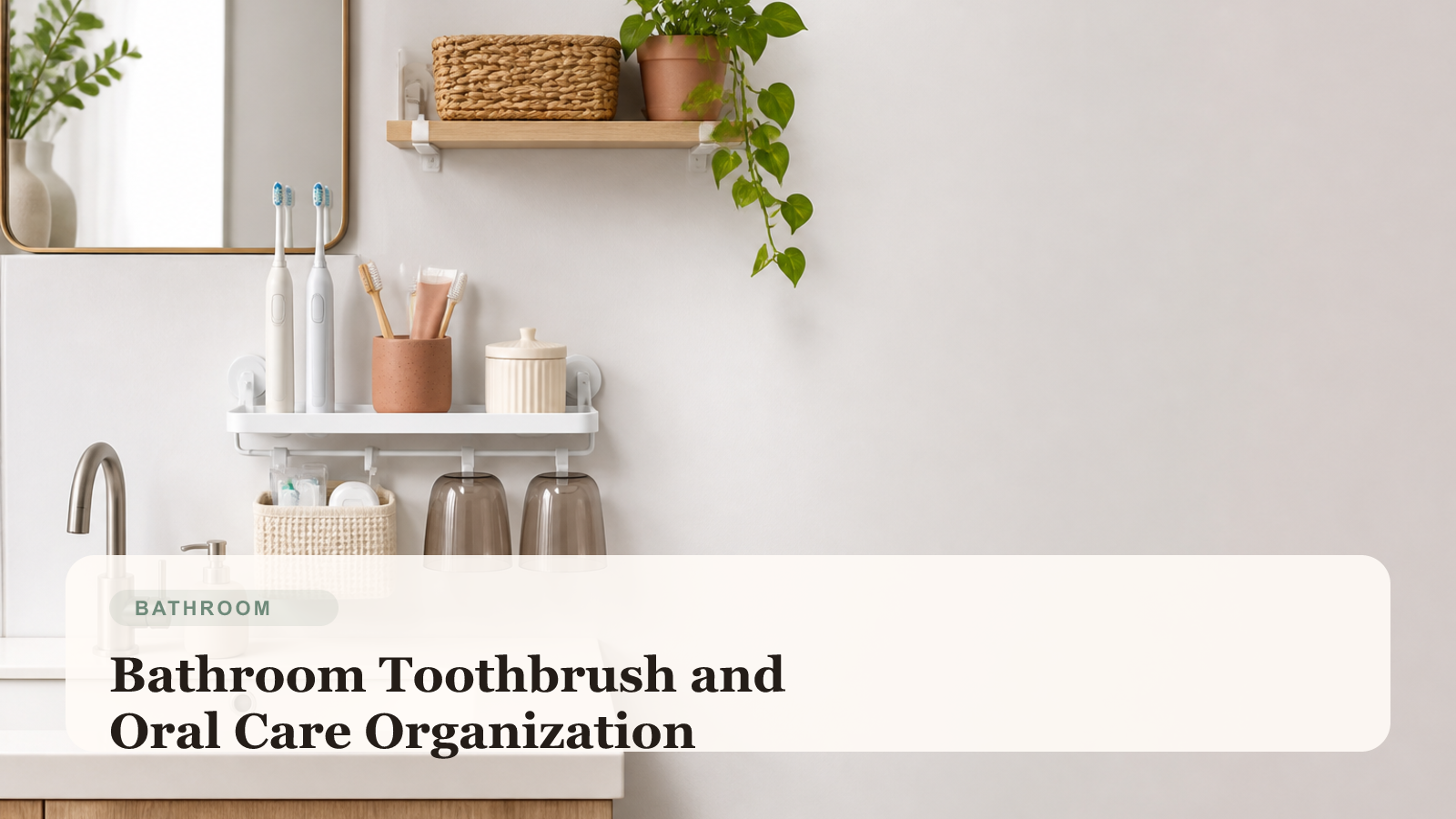
Bathroom Toothbrush and Oral Care Organization Ideas for Renters
This guide focuses on one daily bathroom category: how renters can keep toothbrushes, toothpaste, floss, and oral care refills organized without cluttering the sink.
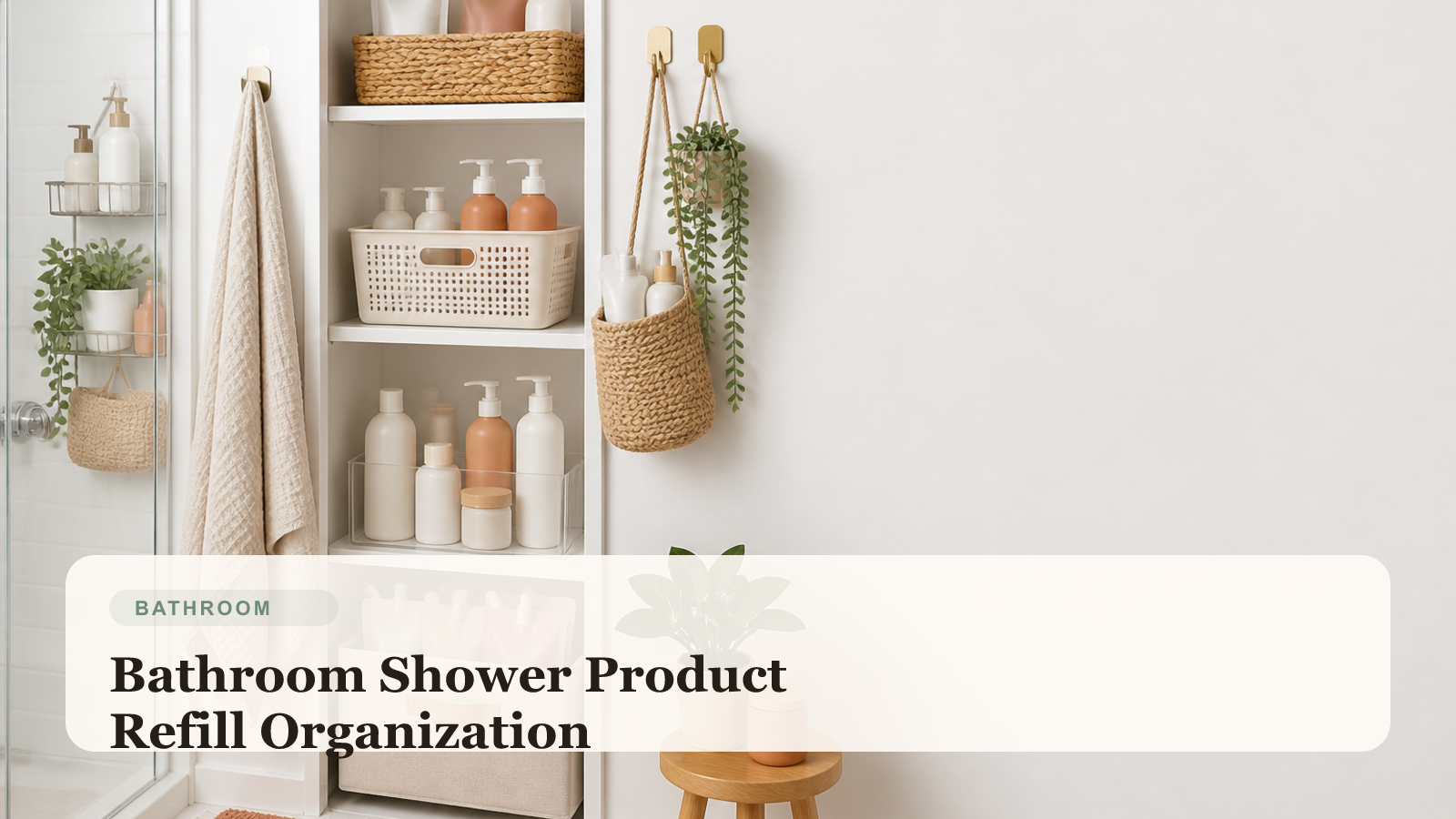
Bathroom Shower Product Refill Organization Ideas for Renters
This guide focuses on one specific bathroom problem: how renters can store backup shower products neatly without letting extras spread into every storage zone.
Editorial note
TidyHaven guides are written for practical, renter-aware small-space living. Pages may be updated over time for clarity, freshness, and better real-world usefulness.