
Creative Storage Solutions for Tiny Kitchens on a Budget
Explore practical and affordable storage ideas tailored for tiny kitchens in small apartments. Learn how to maximize space, stay organized, and maintain a functional kitchen without costly renovations.

Quick takeaways
- Use vertical space effectively with mounted racks and shelves.
- Incorporate multi-functional furniture and organizers to save space.
- Optimize pantry storage with inexpensive containers and labeling.
- Utilize under-sink and cabinet doors for additional storage.
- Adopt maintenance habits to keep small kitchens clutter-free.
- Choose renter-friendly solutions that don’t require permanent modifications.
Assessing Your Kitchen Space and Needs
Before implementing any storage solutions, measure your kitchen precisely. Note the dimensions of cabinets, countertops, and wall spaces to identify underused areas. Taking inventory of your kitchen items, including cookware, utensils, and pantry goods, helps prioritize what needs accessible storage. Understanding renter constraints is crucial. Avoid solutions that require drilling holes or permanent fixtures unless permitted. Focus on damage-free options such as adhesive hooks, tension rods, or freestanding organizers to protect your deposit and comply with lease agreements.
- Measure cabinet depth and width to select appropriately sized organizers.
- Inventory kitchen essentials to avoid unnecessary storage purchase.
- Check lease terms for restrictions on wall modifications.
- Plan around electrical outlets and appliances for usable wall space.
Maximizing Vertical Space with Wall-Mounted Solutions
Vertical space in tiny kitchens is often underutilized. Installing wall-mounted shelves or pegboards can free up countertop and cabinet space. For renters, consider removable adhesive hooks or magnetic strips that accommodate utensils, knives, or spice racks without permanent damage. Open shelving not only provides accessible storage but also visually expands the space. Use shelves sized between 8 to 12 inches deep to store everyday items like mugs, plates, or dry goods in labeled jars. Keeping frequently used items within arm’s reach reduces clutter and increases kitchen efficiency.
- Install adhesive-backed magnetic knife strips to save drawer space.
- Use adhesive hooks to hang mugs or lightweight pots on walls.
- Mount pegboards with removable hooks for flexible utensil storage.
- Place open shelves 54 to 60 inches from the floor for ergonomic access.
Smart Pantry Organization on a Budget
Small apartment kitchens often lack pantry space, making budget pantry ideas essential. Repurpose affordable clear plastic containers (around $1-$3 each) to store dry goods, preventing spills and saving space by uniform stacking. Label containers clearly with reusable chalkboard stickers or printed labels for quick identification. Use tiered organizers inside cabinets or the refrigerator to keep items visible and accessible. Lazy Susans or rotating shelves (often under $15) maximize corner spaces and reduce time spent searching for ingredients, especially in tight cabinets. Prioritize frequently used ingredients in the front for convenience.
- Purchase stackable clear containers in 1 to 2-liter sizes for grains and snacks.
- Label containers with erasable markers or chalkboard labels for reuse.
- Add wire rack tiered shelves inside cabinets to expand vertical space.
- Use a lazy Susan for spices and small jars to access items easily.
Utilizing Under-Sink and Cabinet Door Storage
The space under the sink is often cluttered with cleaning supplies but can be optimized for storage. Use stackable bins or adjustable tension rods to separate items, keeping everything organized and accessible. Waterproof liners help protect surfaces from leaks and make cleaning easier. Cabinet doors provide hidden storage opportunities. Hang slim racks or pocket organizers on the inside of cabinet doors to store cutting boards, pot lids, or cleaning sprays. These solutions generally cost under $10 and require no permanent installation, making them ideal for renters.
- Clear out the under-sink area and measure available height and width.
- Insert stackable bins or baskets to categorize cleaning, recycling, and cooking items.
- Install adhesive or magnetic racks on cabinet doors for flat or small items.
- Place waterproof liners on the cabinet floor to protect from moisture.
Incorporating Multi-Functional Furniture and Tools
Furniture with built-in storage such as foldable kitchen carts or stools with compartments can add both workspace and storage without crowding a tiny kitchen. Look for units under $50 that fit narrow spaces (e.g., 12-16 inches wide) and have wheels for mobility. Multi-use kitchen tools, like cutting boards that double as storage containers or collapsible dish racks, save valuable countertop and cabinet space. Prioritize items that serve two purposes to minimize clutter and keep your kitchen organized.
- Choose narrow rolling carts with shelves and drawers for extra storage.
- Select stackable or collapsible kitchenware to reduce bulk.
- Use cutting boards with built-in bins for prepping and storing scraps.
- Invest in foldable dish racks that store easily when not in use.
Maintenance and Daily Habits for Sustained Organization
Maintaining order in a tiny kitchen requires consistent habits. Set aside 5 to 10 minutes daily to return items to their designated spots and sweep countertops. Regularly reassess your inventory to discard expired goods and donate unused appliances or utensils. Use clear storage containers and visible labels to encourage tidiness. Incorporate habits like wiping down shelves and reorganizing pantry items monthly. These small routines prevent clutter buildup and prolong the effectiveness of your storage solutions.
- Daily: Wipe down counters and return items to storage.
- Weekly: Check pantry for expired or unused items.
- Monthly: Clean shelves, reorganize containers, and adjust storage as needed.
- Seasonally: Donate or store away appliances and utensils not in frequent use.
Renters’ Tips for Damage-Free Customization
Renters face unique challenges when customizing kitchens. Favor tension rods inside cabinets to hang spray bottles or dishcloths without hardware. Command hooks and strips provide strong adhesion and can be removed cleanly without damaging walls or tiles. Avoid drilling by using freestanding storage towers or modular organizers that can be stacked or rearranged. Investing in versatile, portable storage solutions ensures your kitchen stays functional throughout your lease and can move with you to a new home.
- Use tension rods for hanging cleaning supplies under the sink.
- Apply removable adhesive hooks and strips for lightweight storage.
- Select freestanding shelving units that fit your kitchen dimensions.
- Choose collapsible or modular organizers for easy transport.
Final thought
Maximizing tiny kitchen storage on a budget requires thoughtful planning, renter-friendly solutions, and consistent maintenance. By leveraging vertical spaces, customizing pantry organization, and incorporating multi-functional furniture, small kitchens can become both efficient and inviting without costly renovations. Prioritize damage-free installations and develop simple daily habits to keep your kitchen organized long-term, making the most of every square inch in your small apartment.
Keep reading
Related guides worth reading next
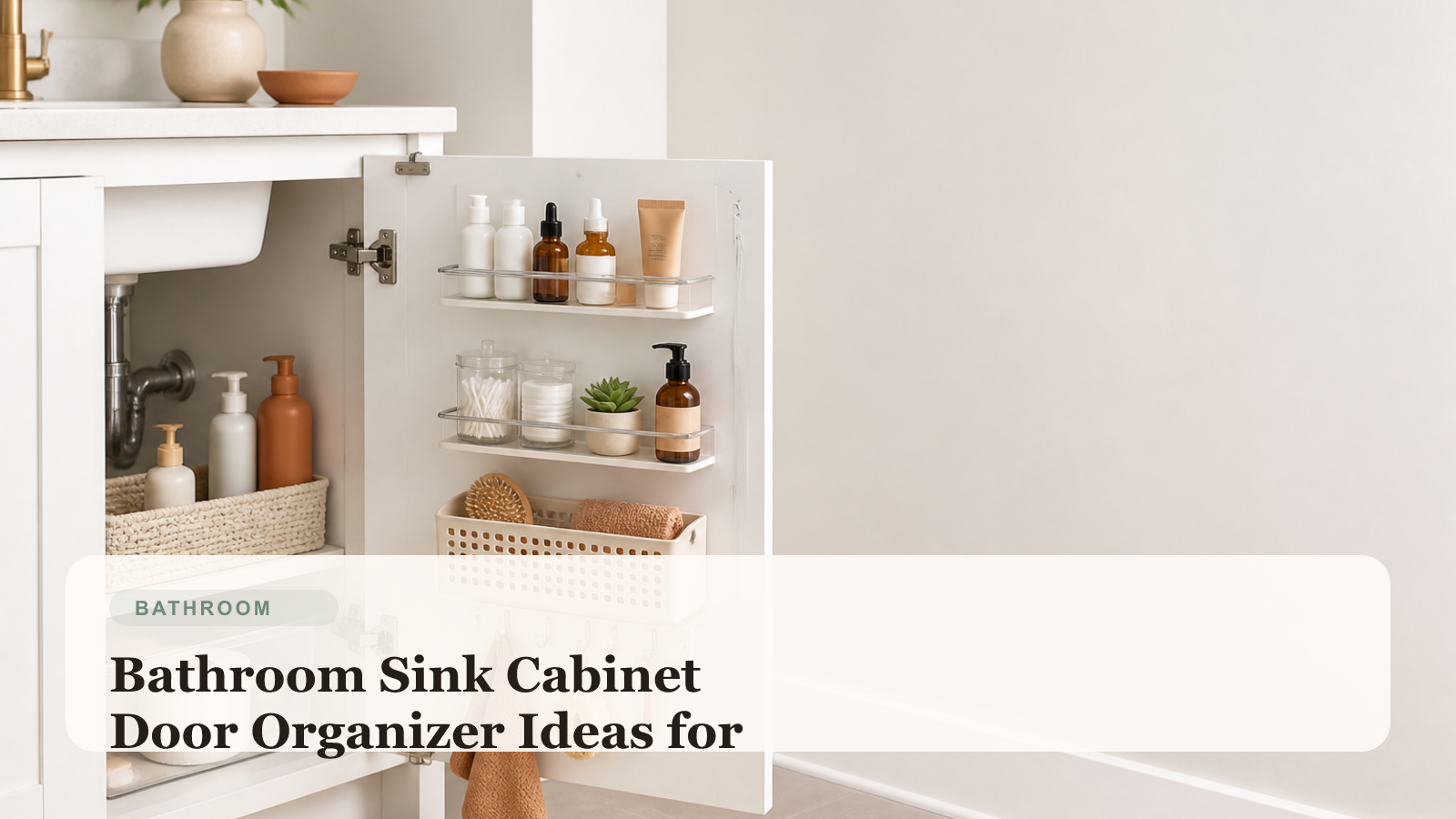
Bathroom Sink Cabinet Door Organizer Ideas for Renters
This guide focuses on one overlooked bathroom zone: how renters can use the inside of a sink cabinet door for smarter small-item storage.
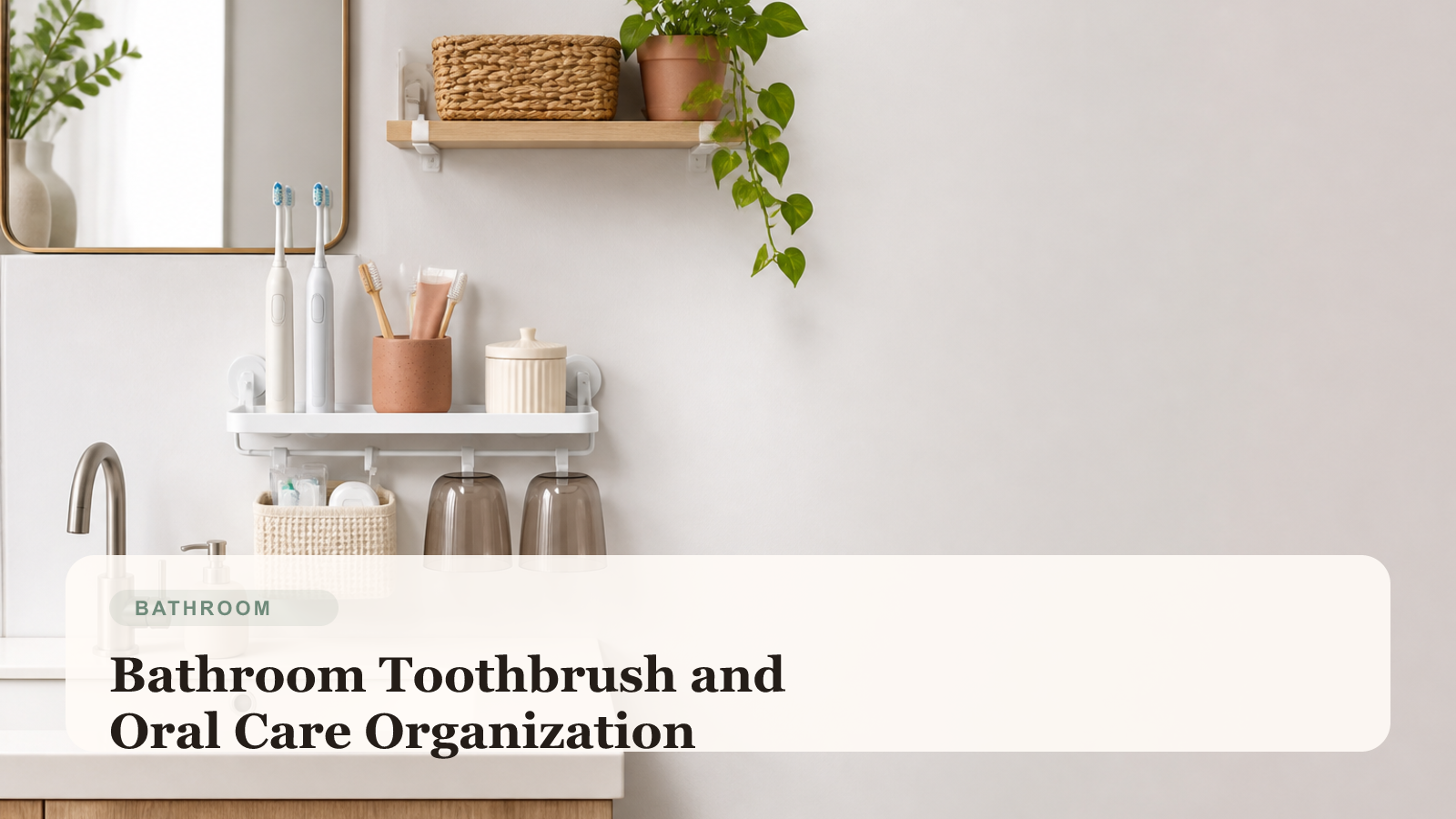
Bathroom Toothbrush and Oral Care Organization Ideas for Renters
This guide focuses on one daily bathroom category: how renters can keep toothbrushes, toothpaste, floss, and oral care refills organized without cluttering the sink.
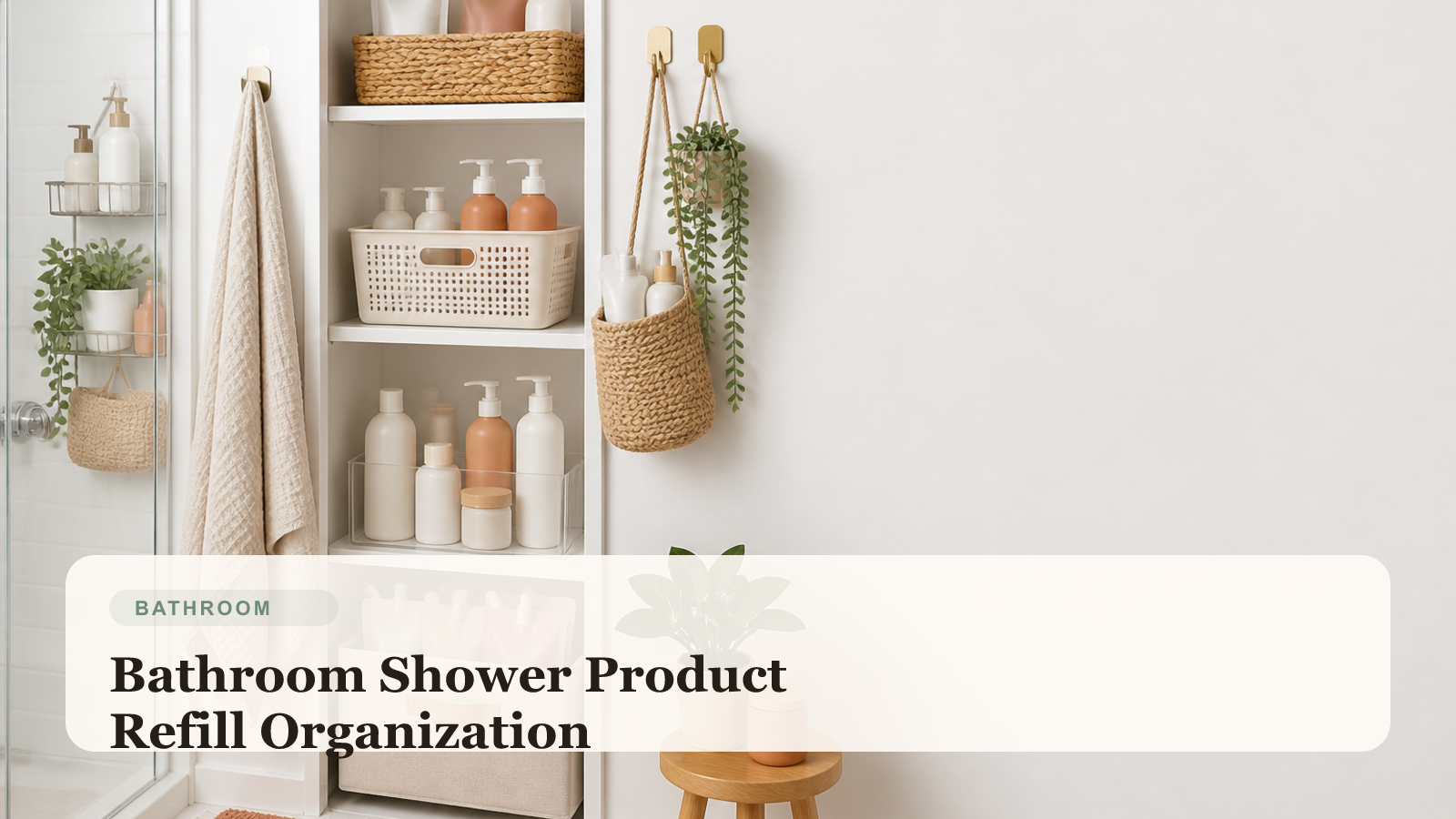
Bathroom Shower Product Refill Organization Ideas for Renters
This guide focuses on one specific bathroom problem: how renters can store backup shower products neatly without letting extras spread into every storage zone.
Editorial note
TidyHaven guides are written for practical, renter-aware small-space living. Pages may be updated over time for clarity, freshness, and better real-world usefulness.