
First Apartment Kitchen Prep Zones for Easier Small-Space Cooking
Set up a small first-apartment kitchen with simple prep zones, renter-friendly storage, and easier room-to-cook flow.
Quick takeaways
- Designate clear prep zones for chopping, cooking, and cleaning to streamline kitchen tasks in small spaces.
- Utilize vertical and multi-functional tiny kitchen storage solutions tailored for renters.
- Prioritize essentials and budget-friendly storage options that don’t require permanent installation.
- Establish simple maintenance routines to keep your kitchen organized and functional.
Understanding Kitchen Prep Zones in Small Apartments
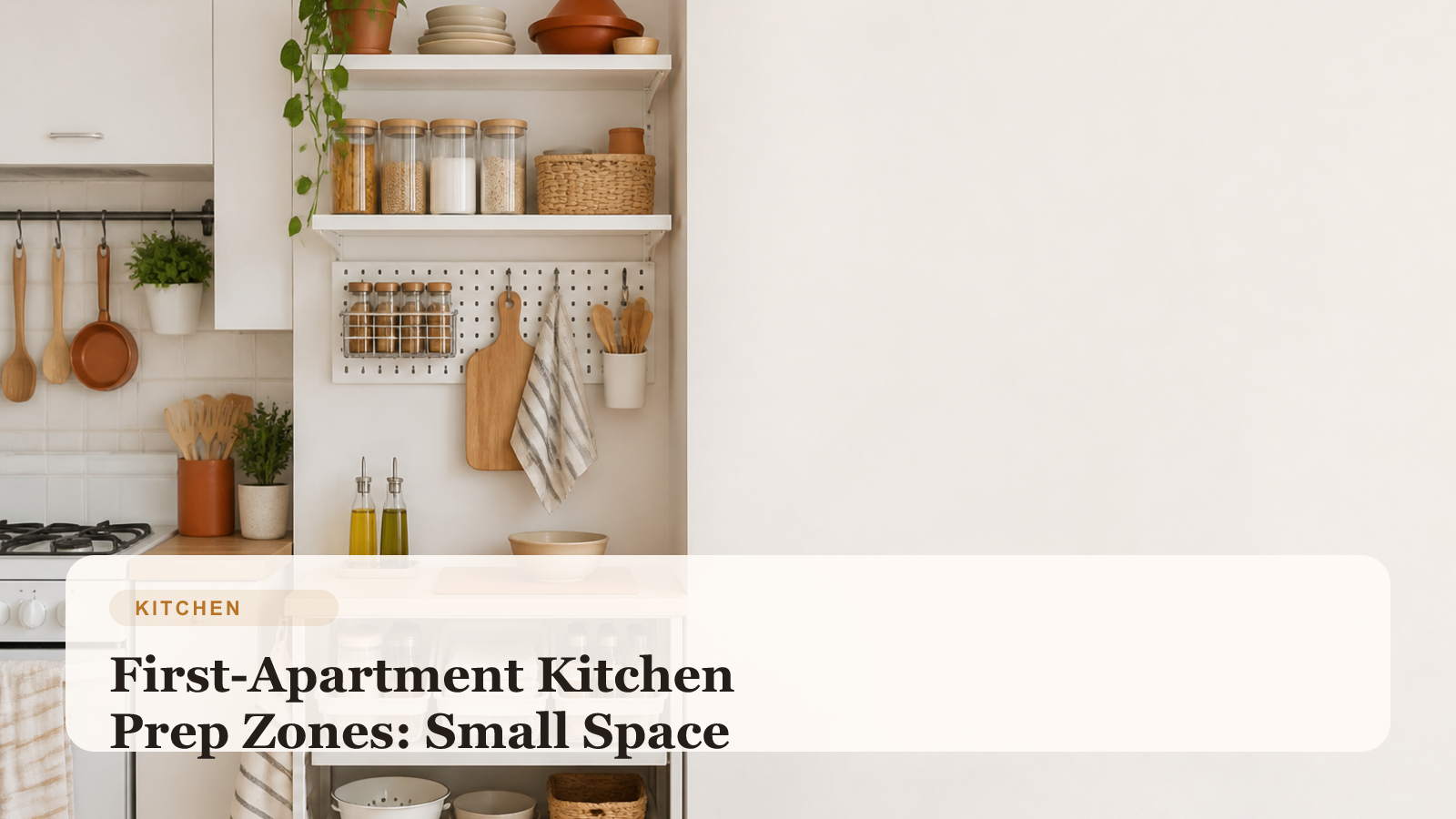
Kitchen prep zones segment your workspace into specific areas for tasks like food preparation, cooking, and cleaning. In small apartments, defining these zones helps maximize efficiency and minimizes clutter. Each zone should be compact yet functional, enabling smooth workflow despite limited counter space. For renters, it’s important to set up zones without making permanent changes. Focus on using furniture and storage that can be moved or removed easily, and consider the natural layout of your kitchen to designate zones close to plumbing, outlets, and storage cabinets.
- Prep Zone: Area near the sink for washing and chopping vegetables.
- Cooking Zone: Space around the stove or hot plate for cooking and assembling dishes.
- Cleaning Zone: Area for dishwashing and drying, typically around the sink.
- Storage Zone: Cabinets and shelves for ingredients, utensils, and cookware.
Maximizing Tiny Kitchen Storage Without Permanent Fixtures
Permanent modifications are often not allowed in rentals, so choose storage solutions that are easy to install and move. Vertical space is your best friend—use tension rods, adhesive hooks, and stackable shelves to increase storage without drilling holes. Invest in affordable, modular storage pieces such as tiered spice racks, magnetic knife strips, and collapsible containers. These options keep your kitchen organized and adaptable without exceeding typical renter budgets.
- Measure available vertical and horizontal space to identify underutilized areas.
- Purchase tension rods and adhesive hooks rated for kitchen use.
- Install magnetic strips on metal surfaces to hold blades and small metal tools.
- Use stackable shelves inside cabinets to double storage capacity.
Setting Up a Functional Prep Zone in Tight Spaces
Select a small, clear countertop or portable cart to serve as your main prep zone. The ideal prep surface should be about 18-24 inches wide to comfortably chop and assemble ingredients without feeling cramped. Use compact cutting boards with non-slip edges and keep frequently used utensils nearby in a countertop caddy or wall-mounted holder. This setup reduces the need to move around and speeds up cooking prep.
- Choose cutting boards that fit your countertop but still provide enough surface area.
- Store knives and peelers within arm’s reach using magnetic strips or small stands.
- Keep measuring cups and spoons organized in a drawer divider or jar on the counter.
- Use stackable bowls for washing and prepping ingredients to save counter space.
Organizing Cooking and Cleaning Zones for Efficiency
Arrange your cooking zone so that pots, pans, and cooking utensils are stored near the stove. Using a utensil crock or hanging rack keeps tools accessible and reduces countertop clutter. Consider a small rolling cart to hold spices and oils if counter space is minimal. The cleaning zone should accommodate dish racks or drying mats that fit your sink size. Use under-sink organizers to store cleaning supplies, ensuring they don’t spill into food prep areas. Opt for stackable or collapsible drying racks to free up counter space when not in use.
- Identify storage spots closest to the stove for pots and pans, ideally within 2-3 feet.
- Use a utensil crock or hanging hooks for spatulas, ladles, and spoons near cooking areas.
- Place a compact drying rack or mat beside the sink; fold or store it when not in use.
- Organize cleaning products in clear bins under the sink, labeling for easy access.
Smart Small Kitchen Organization Tips for Renters
Since renters often cannot make changes like installing cabinets, it’s crucial to use portable and reversible solutions. Over-the-door organizers for cabinets and refrigerator sides expand storage without damage. Keep only essential items visible and store extras in portable bins or baskets. Labeling containers and shelves helps maintain order, especially in tight spaces. Regularly reassess your supplies and donate or discard rarely used items to avoid overcrowding. Maintaining a minimalist mindset ensures your kitchen remains functional and inviting.
- Use over-the-door racks for cutting boards, spices, or cleaning supplies.
- Place baskets or bins inside cabinets to categorize cookware and pantry items.
- Label jars and containers with easily removable labels for quick identification.
- Perform a monthly tidy-up to remove expired food and unused kitchen gadgets.
Budget-Conscious Choices for First Apartment Kitchen Setup
Setting up a first apartment kitchen doesn’t require expensive buying. Thrift stores, discount retailers, and online marketplaces often have gently used kitchen essentials at a fraction of retail prices. Focus on multi-functional items like a cutting board that doubles as a serving tray or stackable cookware sets. When purchasing tiny kitchen storage, prioritize durability and ease of cleaning. Avoid complex installations that might cause damage fees when moving out. Simple, well-chosen pieces last longer and adapt better to future spaces.
- Make an inventory of essential items needed for your kitchen prep zones.
- Explore thrift stores and secondhand online platforms for affordable kitchen gear.
- Choose storage items that are lightweight and easy to clean.
- Test adhesive hooks or tension rods on inconspicuous surfaces to ensure no damage.
Maintaining Your Small Kitchen Setup for Long-Term Use
Implement daily habits that keep your kitchen zones neat and ready for cooking. Wipe down surfaces after each use, return utensils to their designated spots, and empty the trash regularly. Consistency prevents small kitchens from becoming cluttered and inefficient. Periodically review your kitchen setup to improve or adjust zones as your cooking habits evolve. Since small spaces require flexibility, being proactive about maintenance and organization saves time and stress over the long term.
- Clean prep and cooking surfaces immediately after use.
- Put away dishes and utensils as soon as they’re dry.
- Discard expired food monthly to keep pantry organized.
- Adjust storage solutions seasonally based on usage patterns.
Final thought
Creating functional kitchen prep zones and optimizing tiny kitchen storage in your first apartment is achievable with thoughtful planning and renter-friendly solutions. By designating clear zones, using non-permanent storage, and maintaining a streamlined setup, you can enjoy cooking even in a small space. Embrace flexibility and prioritize essentials to keep your kitchen efficient, budget-conscious, and easy to maintain throughout your rental journey.
Keep reading
Related guides worth reading next
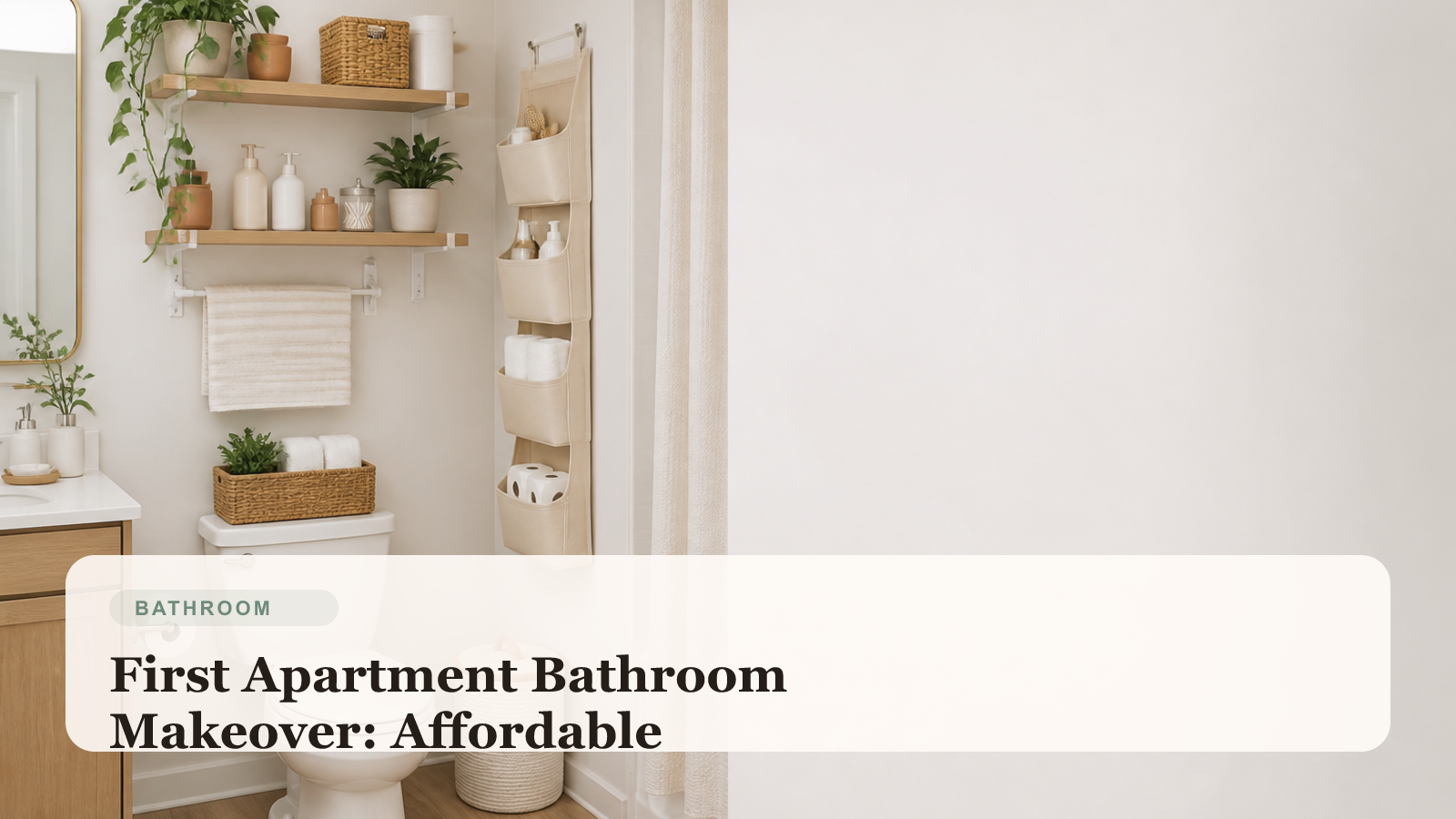
First Apartment Bathroom Storage Upgrades for Renters
Use affordable renter-friendly bathroom storage ideas to make a first-apartment bathroom feel tidier, calmer, and easier to maintain.
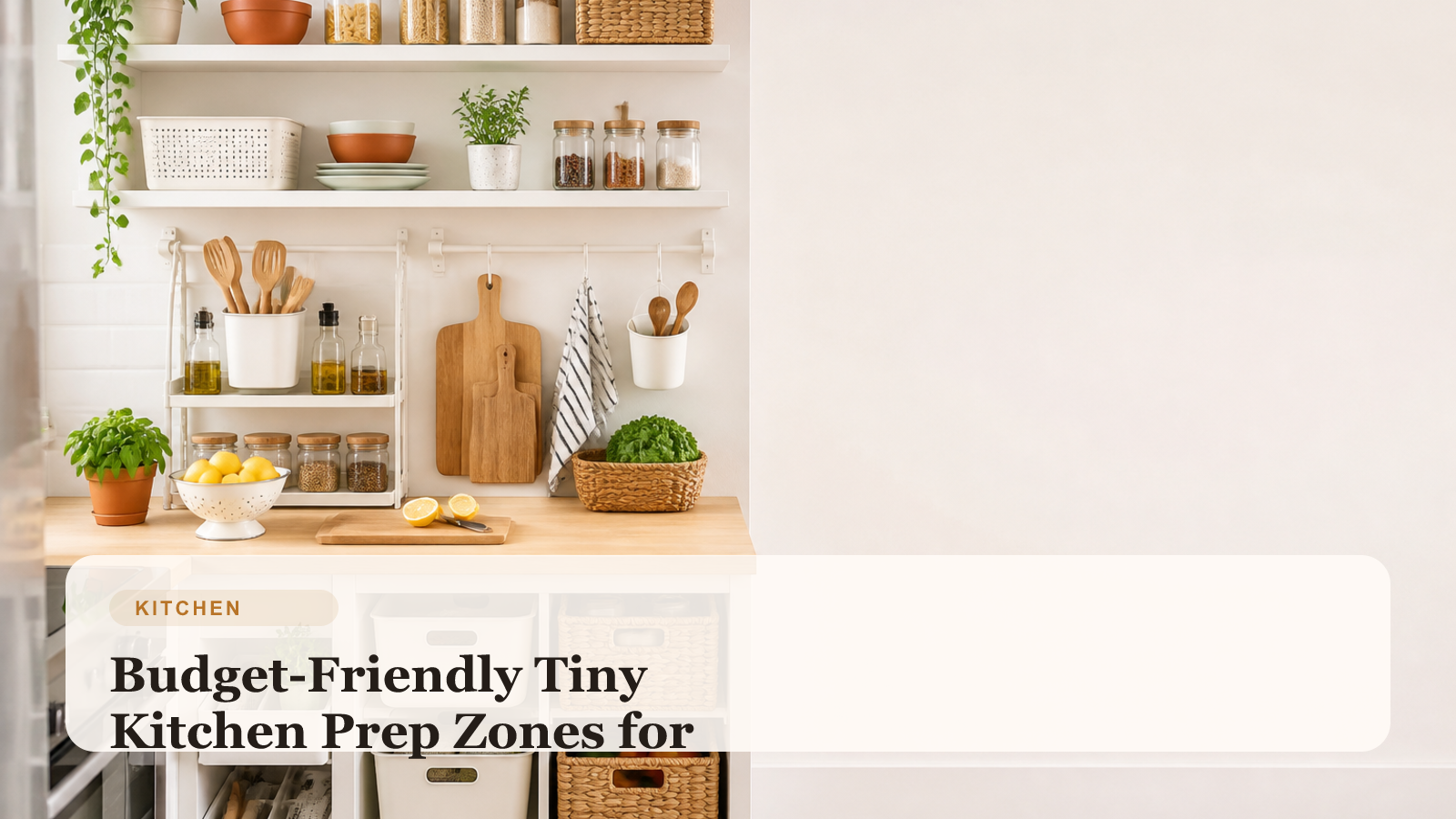
Tiny Kitchen Prep Zones for Easier Summer Cooking
Create better prep zones in a tiny kitchen with budget-friendly storage ideas that make summer cooking feel less crowded and more practical.
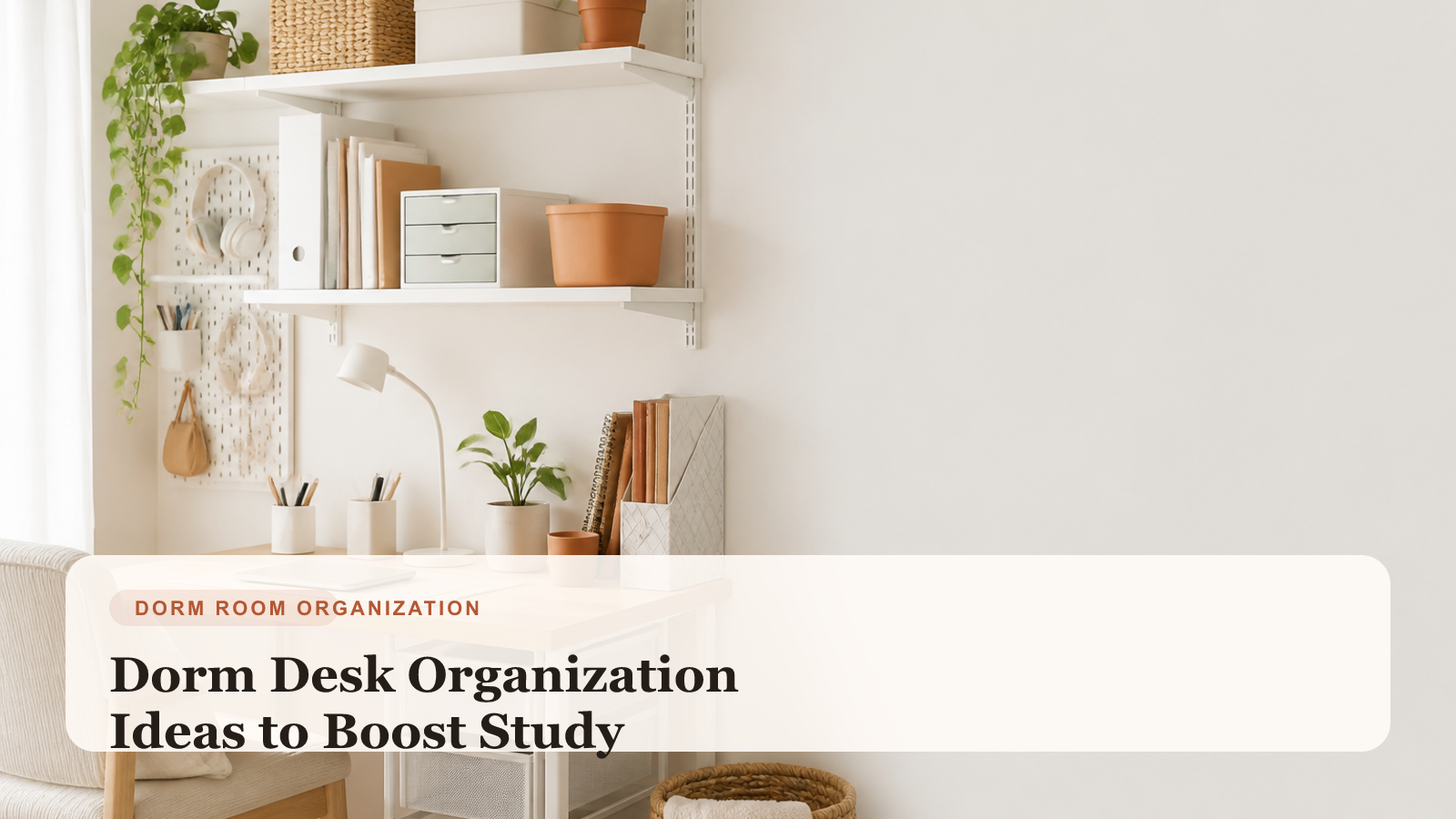
Dorm Desk Organization Ideas That Make Studying Easier
Use budget-friendly dorm desk organization ideas to clear paper piles, store supplies, and build a study setup that works in a small room.
Editorial note
TidyHaven guides are written for practical, renter-aware small-space living. Pages may be updated over time for clarity, freshness, and better real-world usefulness.