
Tiny Kitchen Prep Zones for Easier Summer Cooking
Set up simple prep zones in a tiny kitchen with renter-friendly storage, budget organizers, and better flow for quick summer meals.
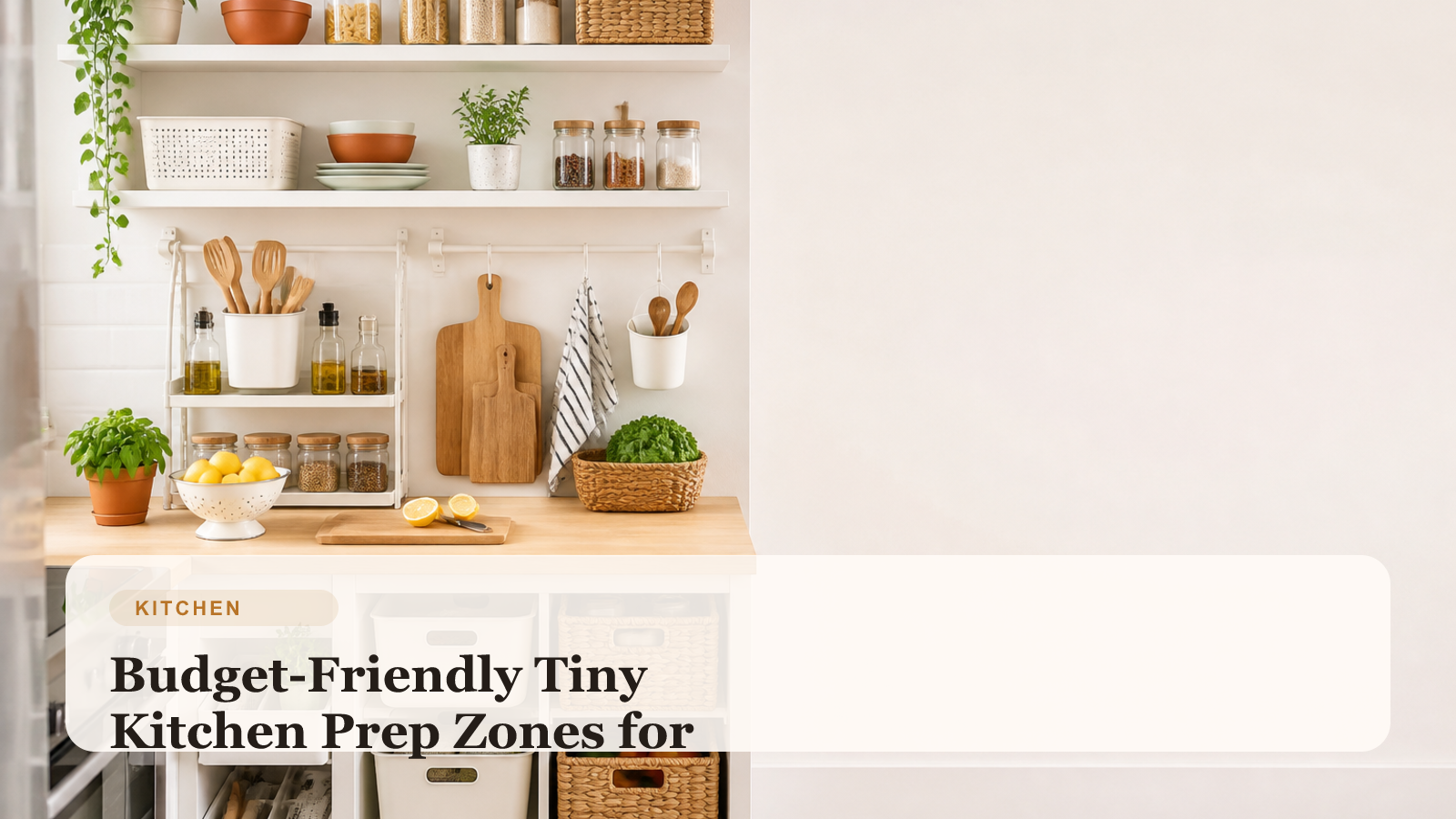
Quick takeaways
- Maximize tiny kitchen storage with multi-use, renter-friendly solutions.
- Create distinct small kitchen prep zones to streamline summer meal prep.
- Use budget kitchen organization hacks that require minimal permanent changes.
- Adopt simple maintenance habits to keep prep zones functional and stress-free.
Understanding the Challenges of Tiny Kitchen Storage in Rental Spaces
Renters with tiny kitchens face unique challenges when it comes to creating functional prep zones. Limited counter space, restricted options for permanent modifications, and often minimal storage can make summer cooking feel overwhelming. Recognizing these constraints upfront helps you choose organization strategies that are practical and renter-friendly. Unlike homeowners, renters often cannot install permanent shelves or hooks, so solutions must be portable and damage-free. Additionally, tiny kitchen storage areas often measure less than 6 feet of usable counter length, meaning every inch must be maximized efficiently without overcrowding the space.
- Limited countertop space under 6 feet
- No permanent modifications allowed
- Minimal cabinetry and shelving
- Need for portable, damage-free organizers
Designing Distinct Small Kitchen Prep Zones on a Budget
Dividing your countertop into distinct prep zones—such as chopping, assembling, and ingredient staging—can dramatically increase efficiency even in a tiny kitchen. Use low-cost items like colorful cutting boards to visually separate areas and keep tasks organized. This approach reduces clutter and speeds up meal prep. Stick to zones that fit within a 24- to 30-inch wide surface area each, aligning with standard chopping board sizes. Investing in stackable, lightweight containers for chopped ingredients can maintain order and prevent spills. By grouping tools and ingredients logically, you reduce cross-contamination and make summer cooking more enjoyable.
- Assign zones like chopping, assembling, and staging within 24-30 inch areas
- Use color-coded cutting boards to designate tasks
- Employ stackable, lightweight ingredient containers
- Keep frequently used tools within arm’s reach of each zone
Maximizing Tiny Kitchen Storage with Portable and Multi-Use Solutions
Portable storage carts and tiered shelves offer flexible storage that can be moved or tucked away when not in use. Look for budget options under $50 that fit under 30 inches wide and 15 inches deep to avoid crowding your kitchen. These items can hold utensils, spices, and prep tools to keep your counters clear. Multi-use items such as cutting boards that double as serving trays or mixing bowls with lids help reduce the number of single-use items occupying space. Magnetic knife strips that attach to the fridge or cabinet sides provide safe knife storage without using drawer space, ideal for renters who cannot drill into walls.
- Choose portable carts under 30 inches wide and 15 inches deep
- Opt for multi-use prep tools to minimize clutter
- Use magnetic strips for knives and metal tools
- Store spices and frequently used items on tiered shelves
Budget Kitchen Organization Hacks for Renters
Use removable adhesive hooks and strips for hanging lightweight kitchen tools like measuring spoons, small strainers, or oven mitts. These typically cost under $10 and leave no residue when removed, perfect for rentals. Organize drawers with inexpensive plastic dividers to keep utensils separated and easy to find. Label storage containers and spice jars with washable markers or printed tape to maintain order without permanent changes. A simple basket or bin system can group ingredients by recipe type or frequency of use, reducing decision fatigue during summer cooking sessions.
- Apply removable adhesive hooks for hanging utensils
- Use plastic drawer dividers for utensil separation
- Label containers with washable markers or tape
- Group ingredients in baskets by recipe or frequency
Creating Efficient Small Kitchen Prep Zones for Summer Cooking
Focus your summer cooking prep zones around the most common seasonal tasks, such as washing and cutting fresh produce, assembling salads, and preparing marinades. Allocate a 12x12 inch space near the sink for washing and drying produce, using a collapsible colander to save space when not in use. Set up a dedicated assembly zone with a clean cutting board, mixing bowls, and measuring tools close to your stovetop or fridge to minimize back-and-forth trips. Keep summer cooking essentials like olive oil, lemon juice, and herbs within easy reach in small, clear containers to streamline meal assembly.
- Measure available countertop space and divide into task zones (e.g., washing, chopping, assembling).
- Place a collapsible colander and drying mat near the sink for produce prep.
- Arrange cutting board and mixing bowls near the stove or fridge.
- Store frequently used condiments in small containers within arm’s reach.
Maintaining Your Tiny Kitchen Prep Zones for Long-Term Use
Regular maintenance keeps tiny kitchen prep zones efficient and stress-free. Clean surfaces immediately after use to avoid buildup of stains and crumbs, which can quickly make a small space feel cluttered. Establish a simple nightly routine to wipe down counters and reorganize any displaced items. Rotate seasonal tools and ingredients according to cooking needs. Store away bulky winter cookware during summer months to free up storage space. Keeping only summer essentials visible and accessible helps maintain focus on current cooking tasks and reduces overwhelm in the small kitchen.
- Wipe down prep zones immediately after cooking sessions.
- Develop a nightly tidying routine to reset the space.
- Store off-season cookware elsewhere to free storage.
- Rotate ingredients and tools based on seasonal cooking demands.
Additional Tips for Enhancing Tiny Kitchen Storage Without Major Renovations
Leverage overlooked vertical space by adding tension rods inside cabinets to hang spray bottles or small baskets. Use under-shelf baskets to increase shelf capacity without requiring permanent fixtures. These inexpensive hacks typically cost under $20 and are entirely renter-friendly. Consider stackable, clear plastic bins for pantry items to keep visibility high and reduce overbuying. Label bins clearly to streamline shopping and prep. Small magnetic spice jars attached to the fridge door save drawer space and bring frequently used flavors right to your prep zones.
- Install tension rods inside cabinets for hanging items
- Use under-shelf baskets to increase storage volume
- Employ stackable clear bins for pantry organization
- Attach magnetic spice jars to the fridge for easy access
Final thought
Creating budget-friendly, efficient prep zones in a tiny kitchen is entirely achievable for renters with limited space and restrictions. By thoughtfully dividing tasks into compact zones, utilizing portable and multi-use storage solutions, and adopting consistent maintenance habits, you can enjoy a stress-free summer cooking experience. These practical strategies help maximize tiny kitchen storage without costly renovations, making your small kitchen a functional and pleasant place to prepare seasonal meals.
Keep reading
Related guides worth reading next
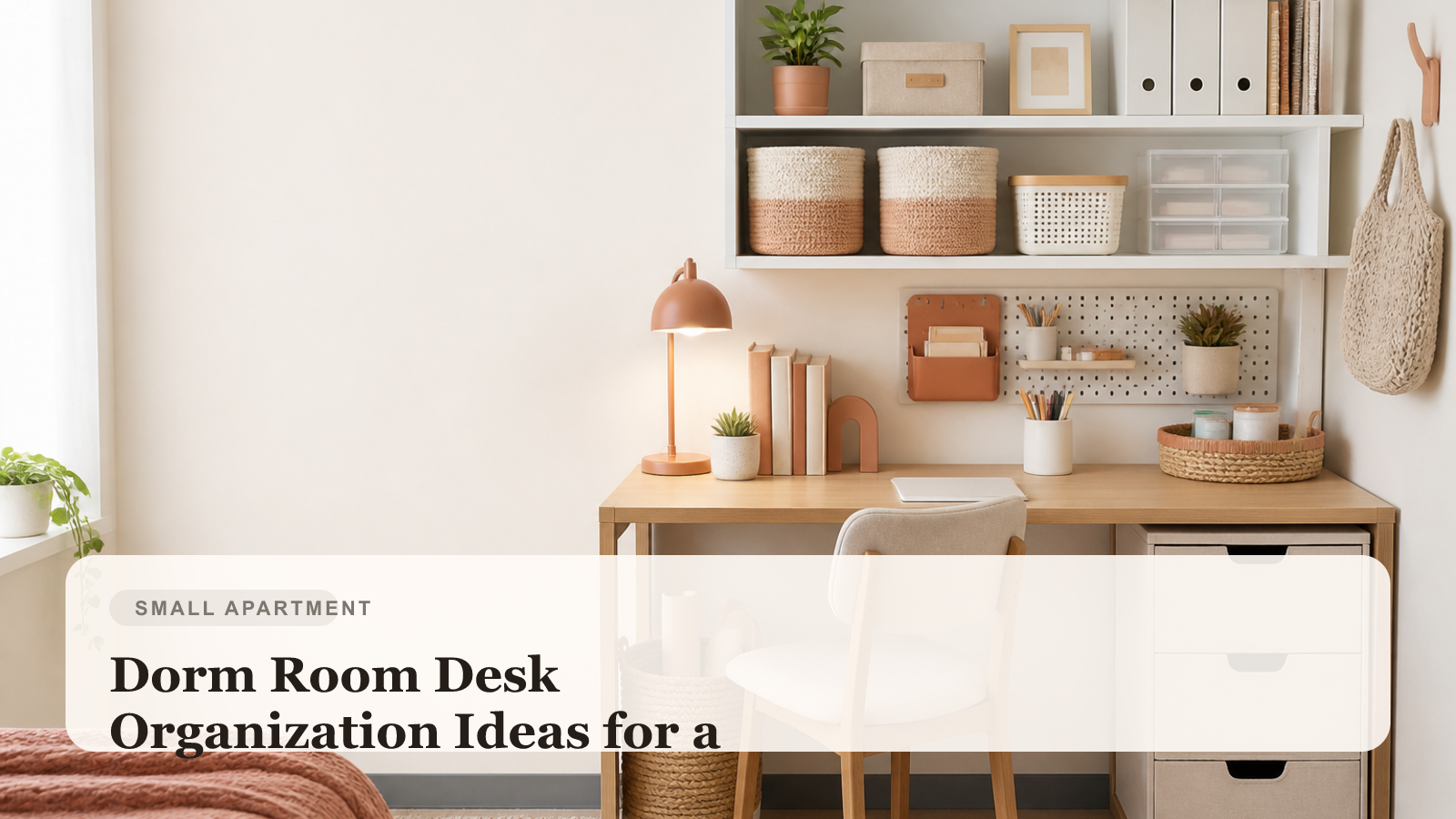
Summer Dorm Desk Organization Ideas for Better Study Focus
Use a quick summer desk reset, smarter organizers, and easy storage zones to make a dorm study setup feel cleaner and easier to use.
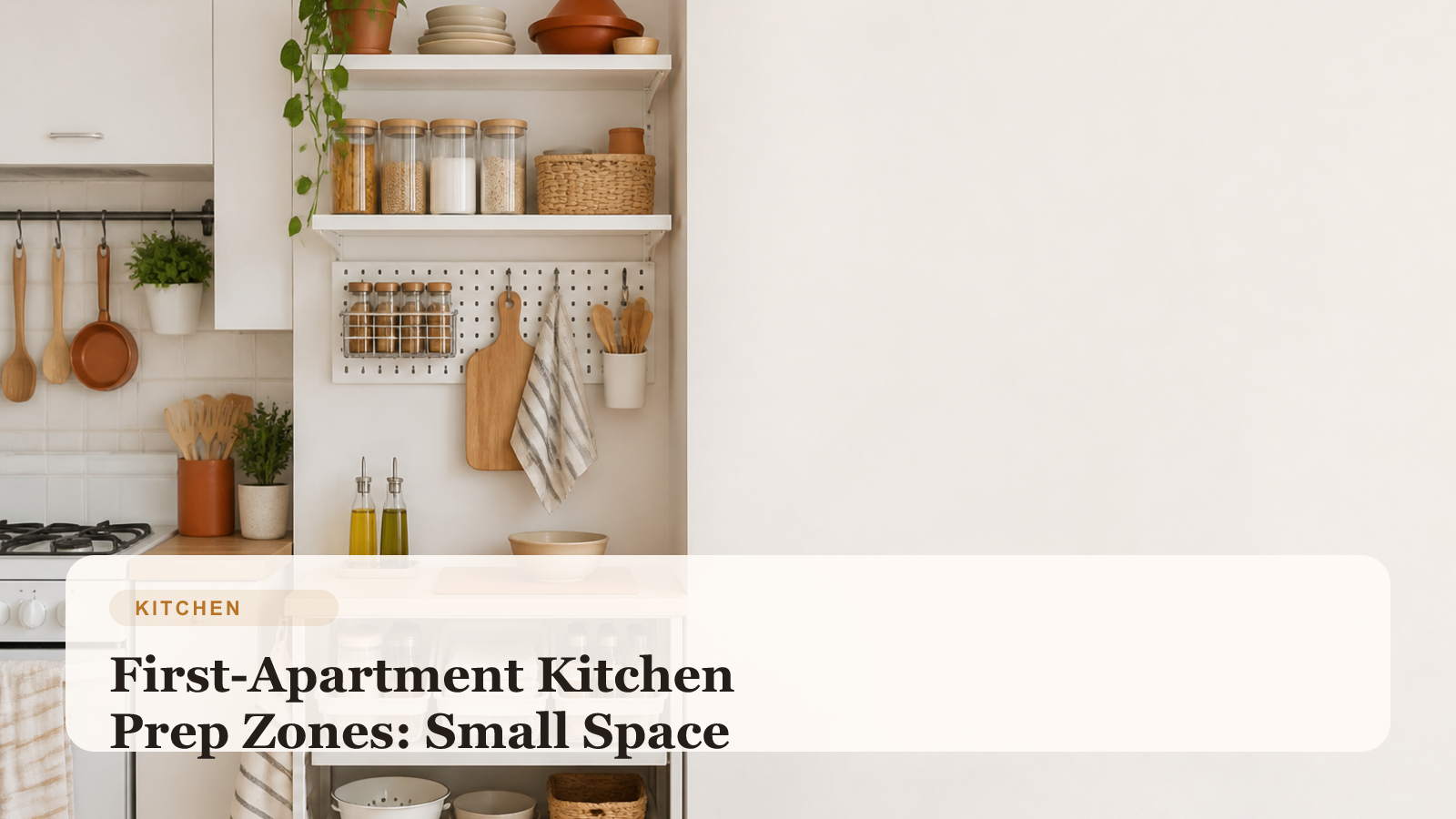
First Apartment Kitchen Prep Zones for Easier Small-Space Cooking
Use clear prep zones and compact storage to make a first apartment kitchen easier to cook in, even when counter space is limited.

Budget-Friendly Dorm Closet Organization for Summer Move-In
Set up a small dorm closet with budget-friendly organizers that keep clothes, shoes, and daily essentials easier to find during move-in season.
Editorial note
TidyHaven guides are written for practical, renter-aware small-space living. Pages may be updated over time for clarity, freshness, and better real-world usefulness.