
Small Apartment Study Nook Ideas for Better Focus
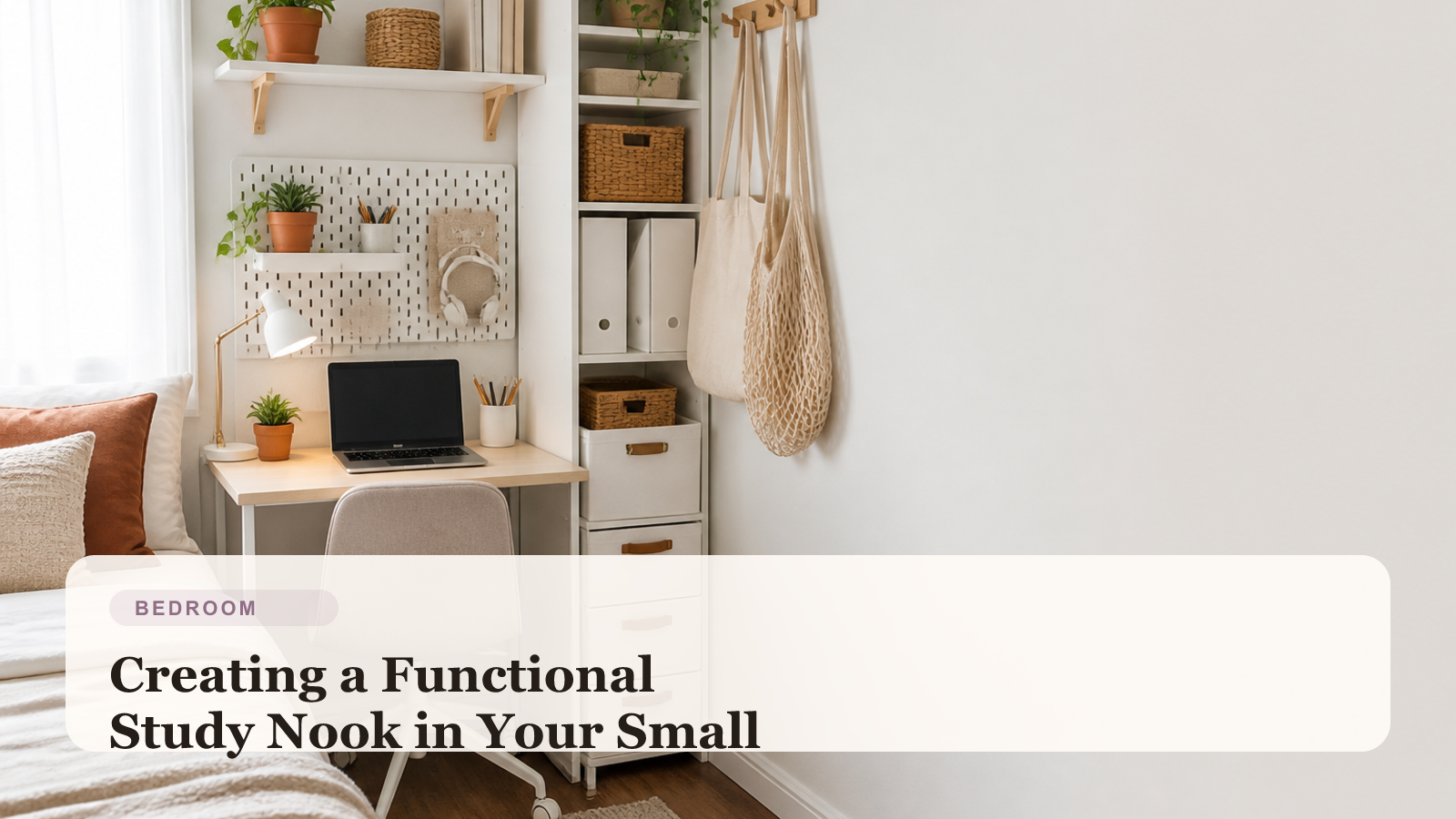
Set up a practical study nook in a small apartment bedroom with compact furniture, renter-friendly storage, and better everyday organization.
Quick takeaways
- Utilize vertical space to maximize storage and functionality.
- Choose multipurpose and compact furniture suited for renters.
- Implement practical lighting and ergonomic setups within small footprints.
- Incorporate organizational systems that fit renter restrictions and maintenance routines.
Assessing Your Space and Setting Realistic Goals
Before setting up a study nook, analyze your bedroom’s layout to identify underutilized corners or wall space. Measure available areas precisely—common study nooks require at least 24-30 inches in width and 18-24 inches in depth to accommodate a small desk and chair comfortably. Set achievable goals based on your daily study habits and rental limitations, such as avoiding permanent fixtures or modifications. Prioritize flexibility and portability to maintain your apartment’s condition and ease of future moves.
- Measure potential nook areas carefully (width, depth, height).
- Identify natural lighting sources and electrical outlets.
- Note any rental restrictions regarding wall-mounted installations.
- Define essential study needs: desk surface, storage, lighting.
Selecting the Right Furniture for Small Spaces
Opt for compact, multipurpose furniture pieces such as fold-down desks, wall-mounted shelves, or desks with built-in storage to conserve floor space. Prioritize lightweight and easy-to-move options that comply with renter restrictions and budget considerations. Consider secondhand or DIY options that can be customized without permanent alterations. A chair with adjustable height and ergonomic support enhances comfort without requiring extra space.
- Fold-down or wall-mounted desks save up to 50% floor space.
- Desks with integrated drawers reduce the need for additional storage units.
- Ergonomic chairs with slim profiles optimize comfort and footprint.
- Use affordable materials like plywood or metal frames to balance cost and durability.
Maximizing Vertical Storage and Organization
Utilize vertical space by installing removable shelving units or stackable organizers that don’t damage walls. This approach keeps study materials accessible while freeing desk space. Incorporate pegboards or magnetic boards for organizing stationery and notes, ensuring easy upkeep and minimal mess, which is crucial in small bedrooms.
- Install tension rod shelves or adhesive hooks to avoid wall damage.
- Use stackable drawers (dimensions around 12x16 inches) to categorize supplies.
- Pegboards with hooks accommodate tools, scissors, and cables efficiently.
- Keep frequently used items within arm’s reach to reduce clutter.
Optimizing Lighting for Productivity
Combine natural and artificial lighting to reduce eye strain and create an inviting study atmosphere. Position your desk near a window to maximize daylight, but use blinds or curtains to control glare during peak hours. Add task lighting such as adjustable LED desk lamps with dimmers. Battery-operated or plug-in lamps with flexible arms work well for renters who prefer not to install new wiring.
- Place desk within 3 feet of natural light sources for optimal brightness.
- Use LED lamps with adjustable brightness (300-500 lumens recommended).
- Choose warm white light (2700-3500K) for comfort and focus.
- Consider portable lamps to avoid permanent electrical changes.
Incorporating Practical Decor and Comfort Elements
Add a small rug (around 3x5 feet) and ergonomic accessories like wrist rests to increase comfort without overcrowding. Select calming colors and minimalistic decor to avoid visual clutter, which can disrupt concentration in small spaces. Plants with low light and water needs can enhance air quality and mood without demanding extra maintenance time. Keep decor renter-friendly by avoiding adhesives that might damage surfaces.
- Choose compact rugs that define the nook area without overwhelming the room.
- Use soft cushions or chair pads for ergonomic support.
- Select low-maintenance plants like snake plants or pothos.
- Avoid wall adhesives; prefer suction hooks or removable strips.
Establishing Maintenance and Organizational Habits
Regular upkeep is essential to maintain a functional study nook in limited space. Schedule weekly quick cleanups to clear dust, reorganize supplies, and discard unnecessary items to prevent build-up. Adopt simple organizational systems such as labeling storage bins and using cable organizers to streamline your workflow and keep the nook tidy without consuming extra space.
- Set a 10-minute weekly routine for tidying and inventory checks.
- Label drawers and containers clearly for quick access.
- Use cable clips or sleeves to manage cords efficiently.
- Rotate and declutter study materials monthly to maintain focus.
-
- Clear desk surface and remove all items.
-
- Dust surfaces and vacuum around the nook.
-
- Sort items into keep, relocate, and discard piles.
-
- Reorganize supplies into designated storage with labels.
-
- Secure and tidy cables using organizers.
-
- Replace decor or supplies as needed.
Adapting Your Study Nook Over Time
As your study needs evolve, periodically reassess your nook setup to improve functionality and comfort. Flexibility in furniture and storage solutions is key for renters who might move or change space utilization. Stay informed about affordable and renter-friendly products that can refresh your study area without significant investment or structural changes, ensuring a sustainable and productive environment.
- Swap foldable desks for larger surfaces if space allows.
- Upgrade lighting or seating based on comfort feedback.
- Experiment with modular storage that can be reconfigured easily.
- Monitor rental policies to avoid penalties when making changes.
Final thought
Creating a functional study nook in a small apartment bedroom is achievable with careful planning, renter-conscious furniture choices, and smart organization. By leveraging vertical space, optimizing lighting, and maintaining consistent upkeep, renters can establish a productive and comfortable workspace without permanent alterations or excessive spending. Regular reassessment ensures the nook continues to meet evolving needs, making study time both efficient and enjoyable within the limitations of small apartment living.
Keep reading
Related guides worth reading next
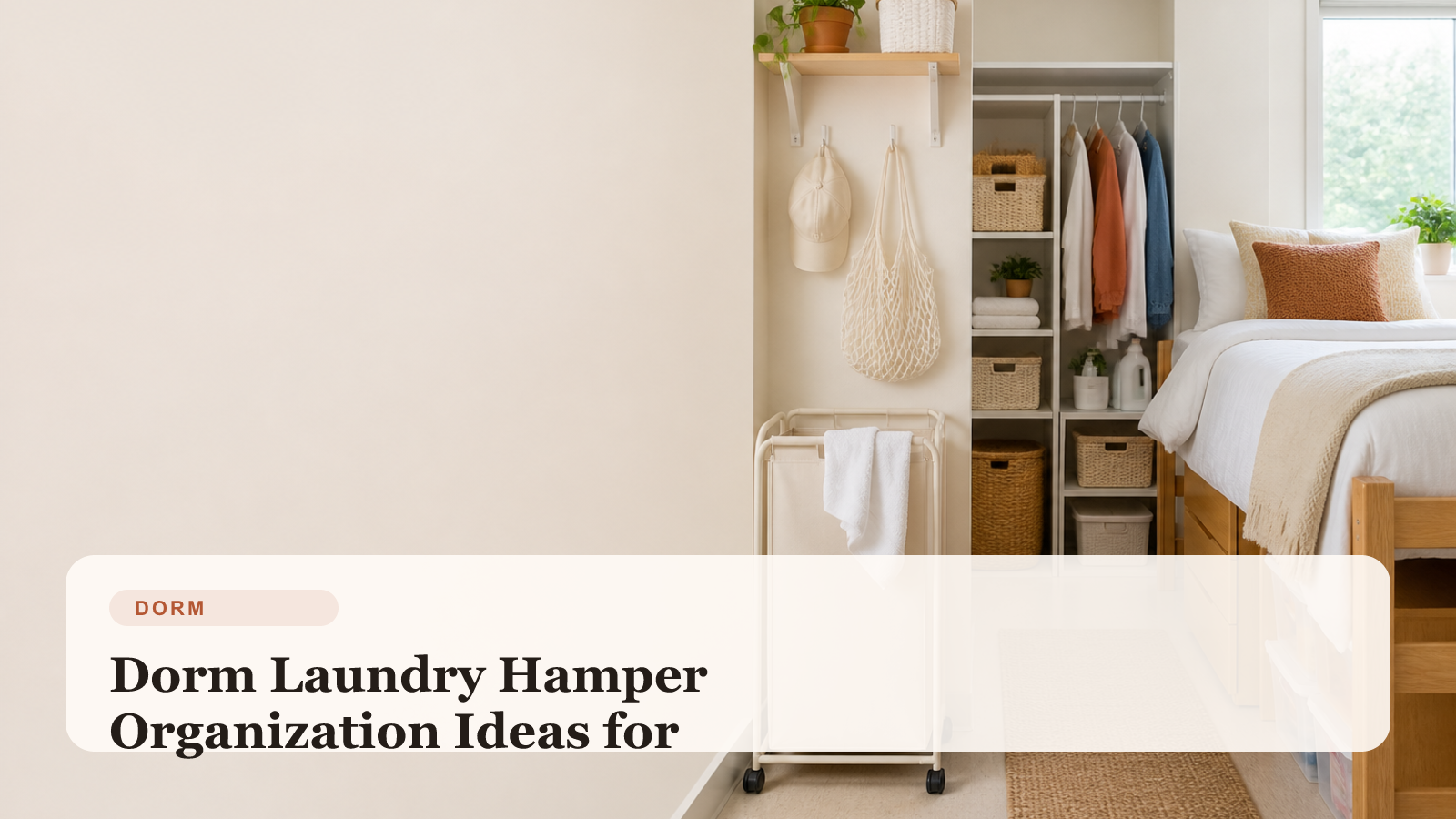
Dorm Laundry Hamper Organization Ideas for Small Rooms
This dorm guide focuses on one high-friction zone: how to organize a laundry hamper in a small dorm room so dirty clothes stay contained and the floor stays clearer.
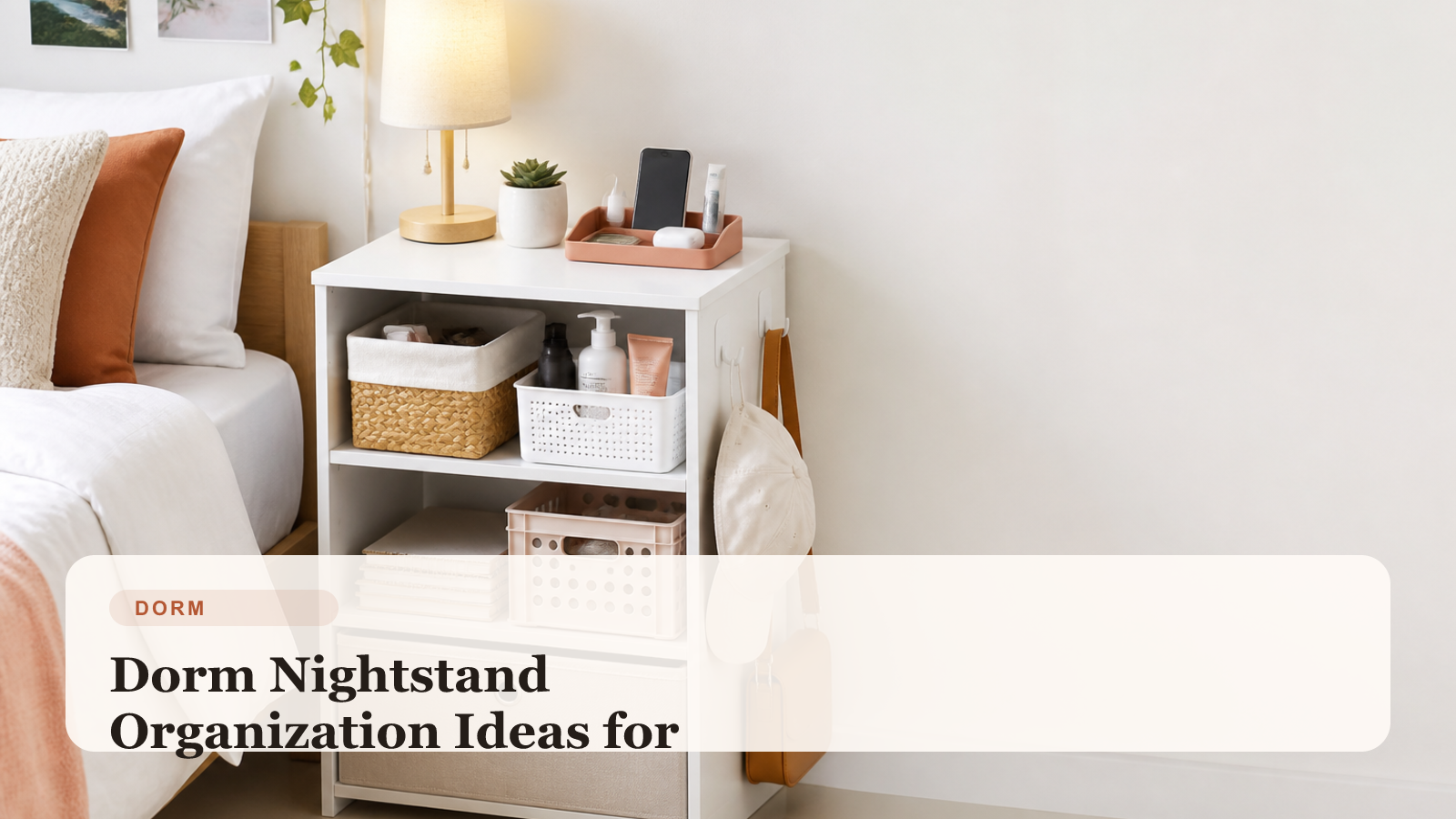
Dorm Nightstand Organization Ideas for Small Rooms
This guide focuses on one overlooked dorm zone: how to organize a small nightstand so essentials stay reachable without making the bed area feel crowded.
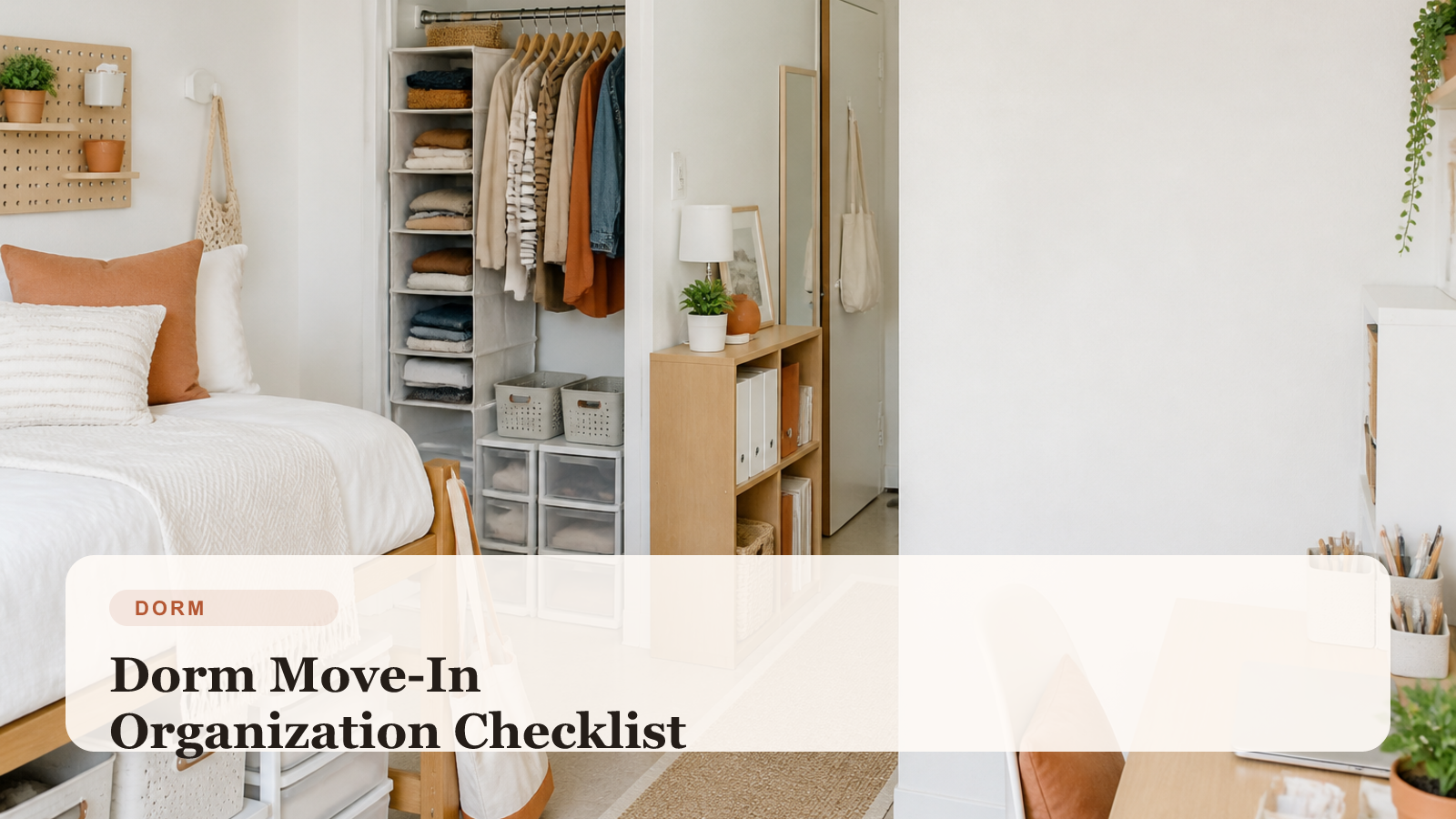
Dorm Move-In Organization Checklist for Small Rooms
This dorm move-in guide walks through the first setup decisions that matter most in a small room, from under-bed storage and closet zones to desk setup and shared-space rules.
Editorial note
TidyHaven guides are written for practical, renter-aware small-space living. Pages may be updated over time for clarity, freshness, and better real-world usefulness.