
Maximizing Vertical Space: Clever Closet Organization for Renters
Explore practical and budget-friendly strategies to optimize vertical closet storage in rental apartments. This article offers renter-specific hacks and step-by-step guidance to make the most of limited closet space without damaging walls or fixtures.
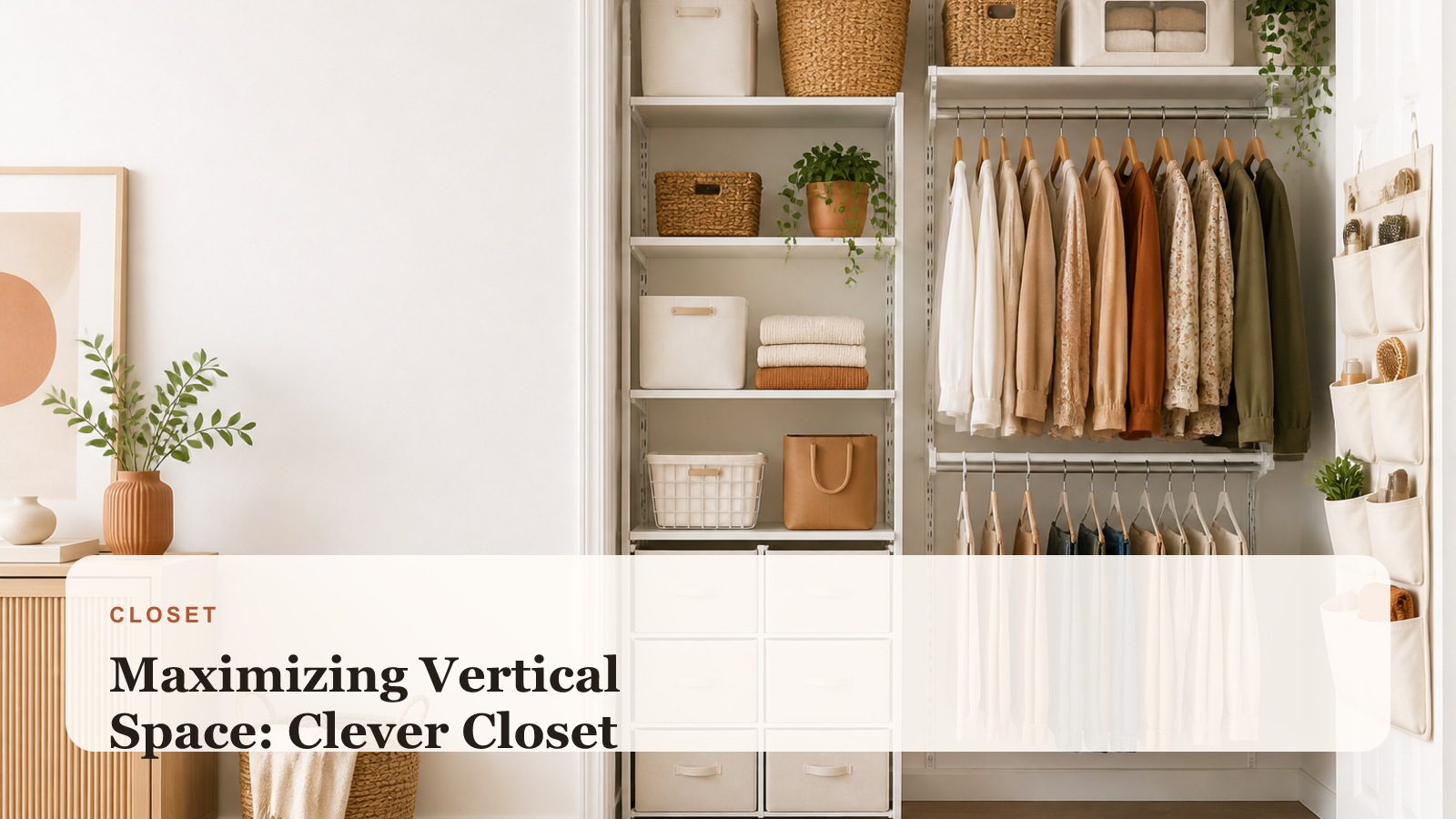
Quick takeaways
- Utilize vertical space with tension rods, hanging organizers, and stackable bins to expand storage without permanent fixtures.
- Implement renter-friendly solutions that avoid damage, such as removable hooks and freestanding shelving.
- Prioritize easy maintenance habits to keep vertical storage clutter-free and accessible.
- Leverage budget-conscious purchases including multi-use organizers and DIY shelving to optimize space efficiently.
Understanding Your Rental Closet Constraints
Renters face unique challenges when organizing closets, primarily due to restrictions on modifications that may damage walls or fixtures. Most leases prohibit drilling holes or installing permanent shelves, making it essential to find solutions that maximize vertical space without violating agreements. Closets in rentals often come in standard sizes ranging from 24 to 36 inches in depth and 48 to 72 inches in width. Knowing these dimensions helps in selecting storage products that fit perfectly and utilize every inch of vertical space efficiently.
- Typical rental closet depth: 24–36 inches
- Common width range: 48–72 inches
- No drilling or permanent alterations allowed
- Preference for removable, non-damaging storage options
Installing Tension Rods and Adjustable Hanging Systems
Tension rods are an inexpensive and renter-friendly way to add extra hanging levels within your closet. They can be installed vertically or horizontally without any tools, making them perfect for creating double or triple hanging tiers for shorter garments like shirts and pants. Adjustable hanging systems, such as no-drill shelving units or modular wire racks, can fit snugly into your closet and leverage vertical height without permanent fixtures. These systems often allow customization to accommodate various clothing types, shoes, and accessories.
- Measure the width and height of your closet interior to ensure tension rods fit securely.
- Purchase tension rods rated for the weight of your clothing (check packaging for max load, typically 20-30 lbs per rod).
- Install rods horizontally at staggered heights: top rod at 72 inches, second at 42 inches, third (optional) at 18 inches for shoes or accessories.
- Add adjustable shelving units or wire racks on one side for folded items or handbags.
Using Vertical Hanging Organizers and Multi-Tiered Shelves
Vertical hanging organizers made from fabric or lightweight plastic provide compartments for sweaters, shoes, and smaller items. Typically 12 inches wide and 48-60 inches long, they hang from existing rods and free up shelf or floor space. Multi-tiered shelves stack vertically and can be placed on the closet floor or existing shelves to create extra levels for shoes, handbags, or folded clothes. Choosing collapsible or lightweight plastic options keeps costs low and ease of relocation high.
- Vertical hanging organizer dimensions: approx. 12” W x 48-60” L
- Ideal for shoes, sweaters, and accessories
- Multi-tiered shelves stack 3-5 levels high
- Look for collapsible or lightweight materials under $25
Creative Use of Wall Space with Removable Hooks and Over-the-Door Storage
Renters can utilize closet side walls or the back of the closet door for additional storage without causing damage. Removable adhesive hooks or command strips are excellent for hanging hats, scarves, belts, or bags vertically. Over-the-door organizers with pockets or shelves add storage without occupying floor space. These are especially useful for small items like jewelry, makeup, or cleaning supplies and generally cost between $15 and $40.
- Clean the surface thoroughly before applying adhesive hooks to ensure strong hold.
- Distribute hooks evenly to avoid overloading any single point.
- Select over-the-door organizers with clear pocket sizes to match items you plan to store.
- Regularly rotate or clean stored items to prevent clutter and maintain accessibility.
Incorporating Stackable Storage Bins and Clear Containers
Stackable storage bins maximize vertical floor space and keep items organized by category. Clear containers are especially valuable since they allow you to see contents without opening each bin, saving time and effort when searching. For budget-friendly options, look for plastic bins with dimensions around 12x12x12 inches to fit neatly in most closet corners. Label each bin with removable tags for easy identification and maintenance.
- Use bins approx. 12” x 12” x 12” for optimal stackability
- Choose clear plastic for visibility
- Label bins by category: seasonal clothing, shoes, linens, etc.
- Stack no more than 3 bins high to prevent instability
Maintaining Your Vertical Closet Organization System
Maintaining an organized closet requires consistent habits. Dedicate 10-15 minutes weekly to return items to their designated spots and reassess the functionality of your vertical storage solutions. Rotate seasonal clothing to keep the most relevant items accessible. Use vacuum-sealed bags for off-season garments to reduce volume, and avoid overloading rods or shelves to maintain structural integrity.
- Set a weekly reminder for quick closet tidying
- Review and adjust hanging heights every 3 months as needed
- Vacuum-seal off-season clothes to save space
- Avoid stacking bins or items beyond recommended weight limits
Final thought
Maximizing vertical space in rental closets is achievable with renter-conscious strategies that respect lease agreements and physical constraints. By combining tension rods, vertical organizers, removable hooks, and stackable bins, renters can transform limited closet real estate into well-organized, efficient storage. Consistent maintenance ensures these systems remain practical and clutter-free over time, empowering renters to enjoy their small spaces without compromise.
Keep reading
Related guides worth reading next
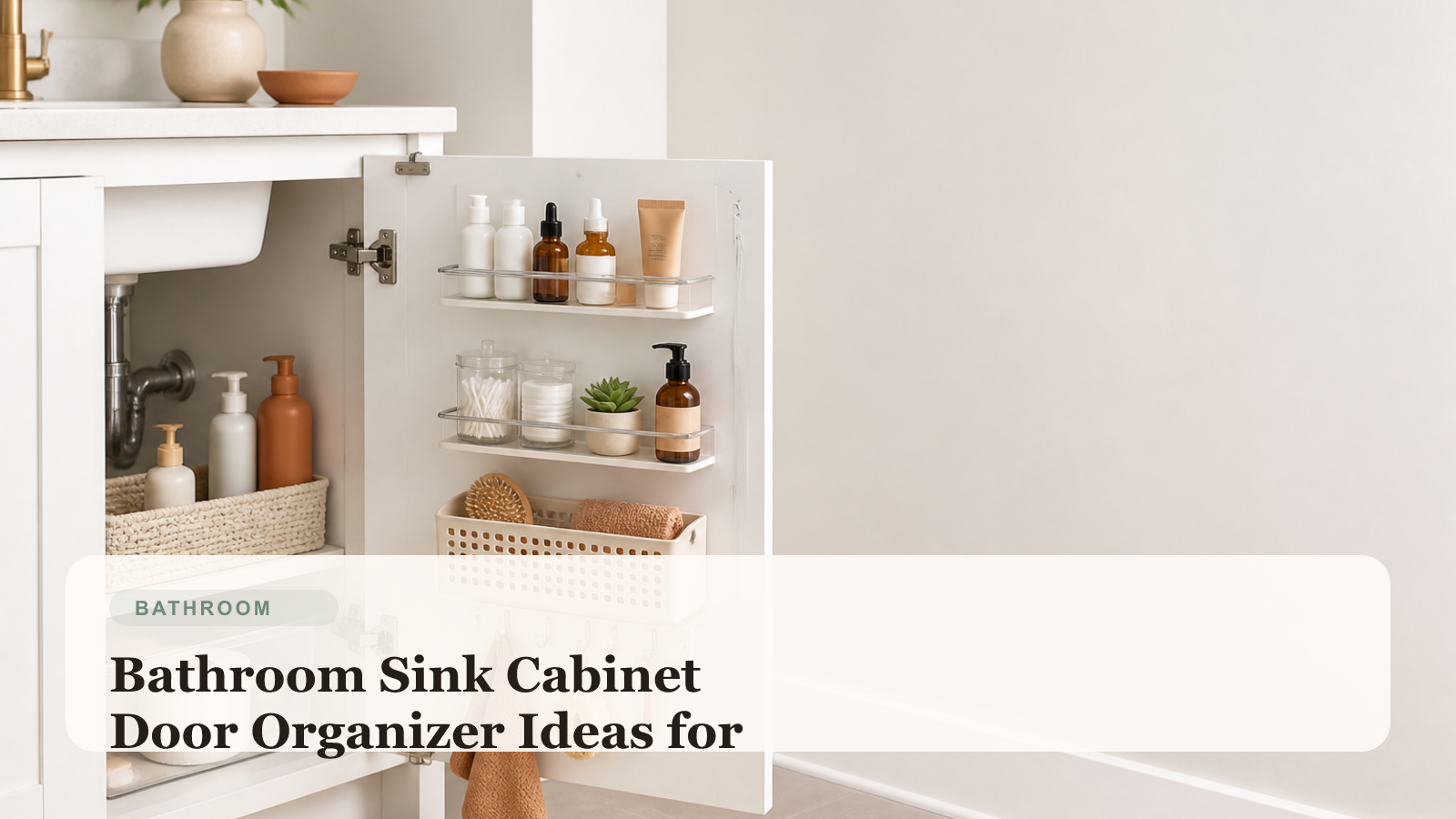
Bathroom Sink Cabinet Door Organizer Ideas for Renters
This guide focuses on one overlooked bathroom zone: how renters can use the inside of a sink cabinet door for smarter small-item storage.
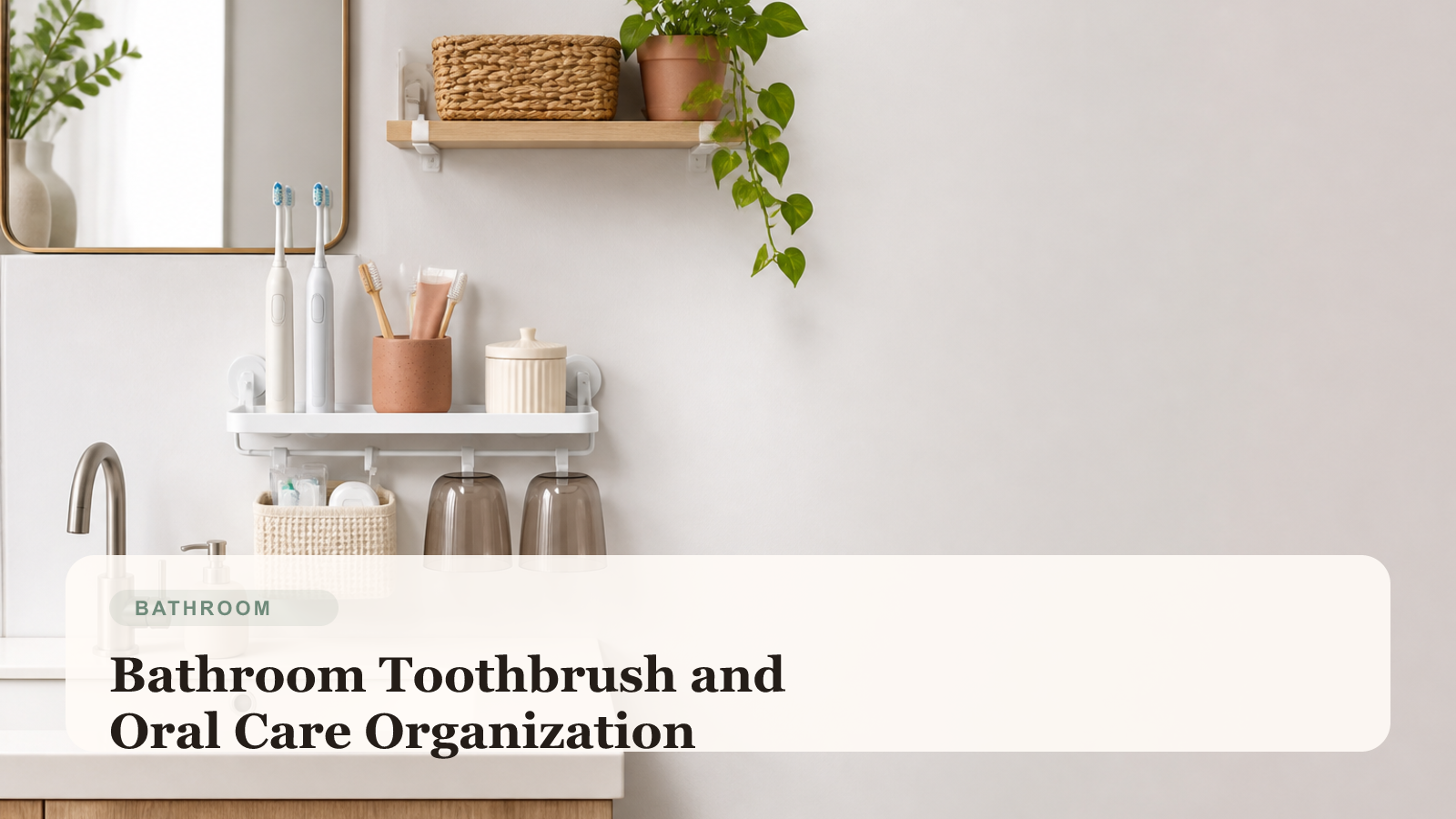
Bathroom Toothbrush and Oral Care Organization Ideas for Renters
This guide focuses on one daily bathroom category: how renters can keep toothbrushes, toothpaste, floss, and oral care refills organized without cluttering the sink.
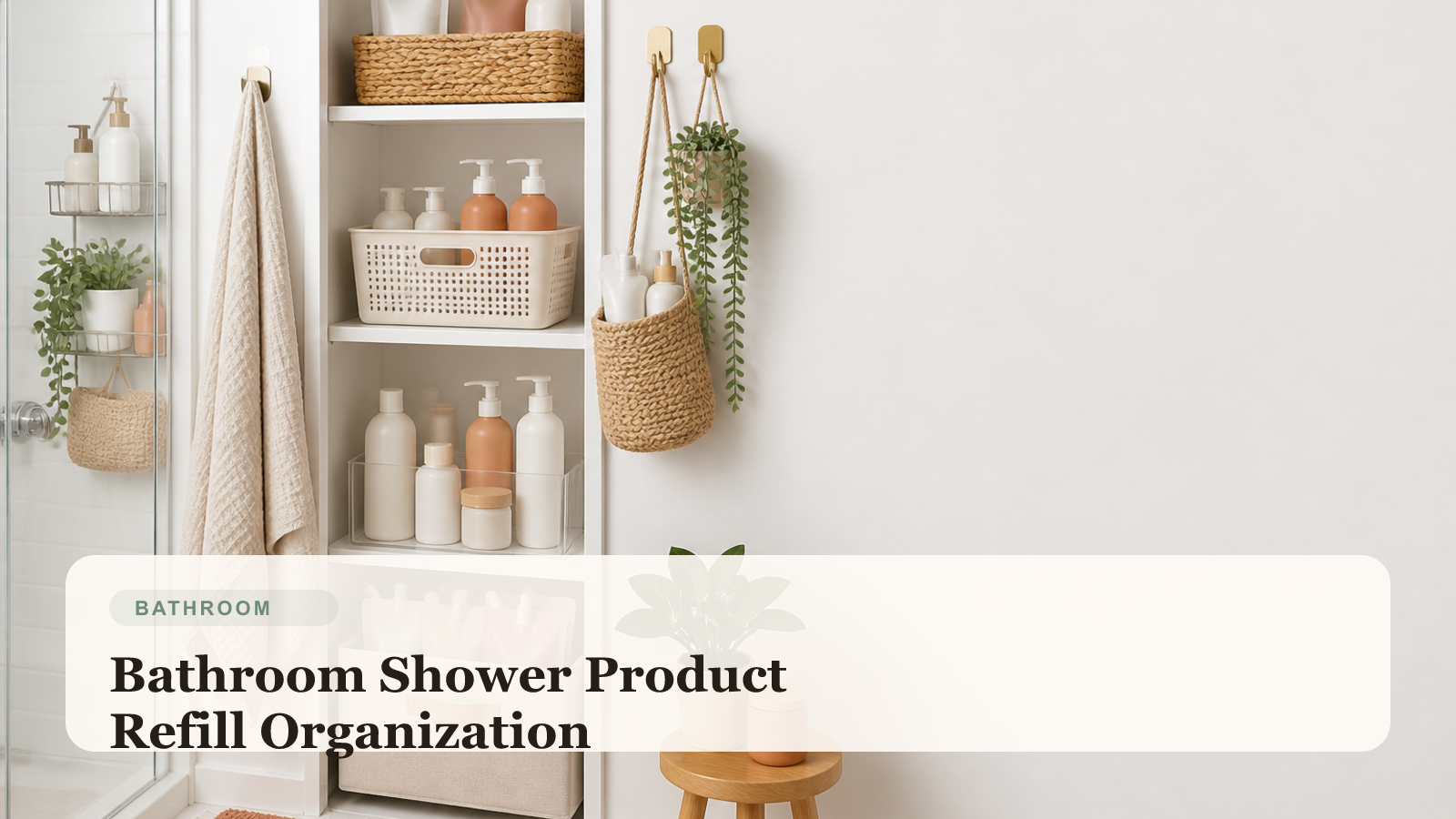
Bathroom Shower Product Refill Organization Ideas for Renters
This guide focuses on one specific bathroom problem: how renters can store backup shower products neatly without letting extras spread into every storage zone.
Editorial note
TidyHaven guides are written for practical, renter-aware small-space living. Pages may be updated over time for clarity, freshness, and better real-world usefulness.