
Small Bathroom Counter Organization Ideas for Renters
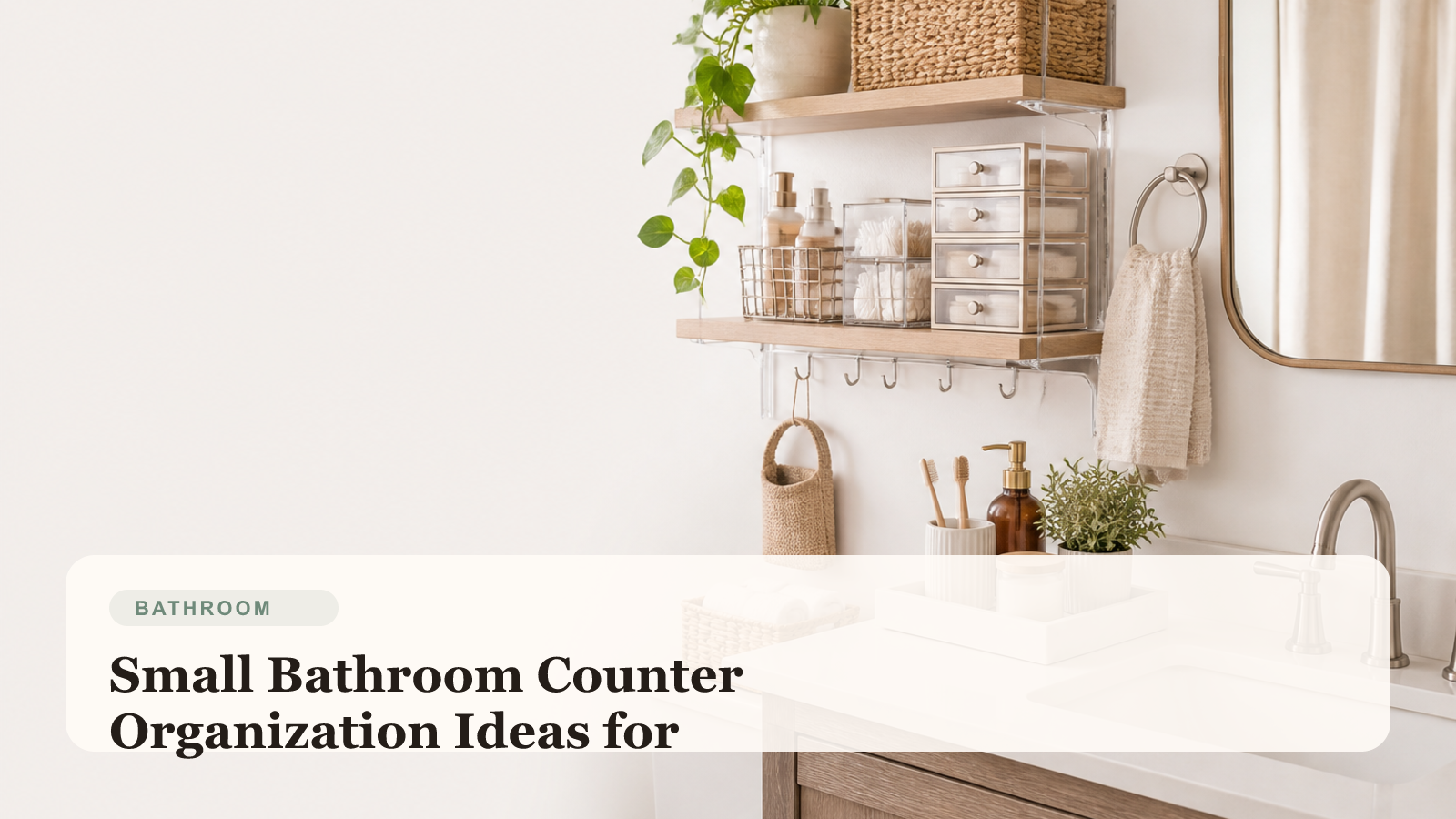
Keep a small bathroom counter usable with renter-friendly trays, vertical organizers, and simple daily routines that cut visual clutter fast.
Quick takeaways
- Limit the counter to true daily-use items instead of storing every product in sight.
- Use one tray or caddy to make the counter easier to reset in under a minute.
- Choose vertical storage before adding wider organizers that eat up sink space.
- A bathroom counter stays cleaner when backups live somewhere else on purpose.
A crowded bathroom counter can make the whole room feel messier than it really is. In small apartments and rentals, the vanity often has just enough space for the sink, a few essentials, and not much else. Once skincare bottles, toothbrushes, cosmetics, hair tools, and extra products start collecting there, the room loses usable surface area almost immediately.
That is why small bathroom counter organization matters so much. This is not just about making the vanity look nicer for a photo. It is about keeping the counter easy to wipe, easy to use in a rush, and calm enough that the whole bathroom feels less cramped.
This guide is built around one specific search intent: small bathroom counter organization ideas for renters. The goal is to keep the vanity functional without drilling into tile, adding bulky furniture, or pretending a tiny counter can hold everything at once.
Start by deciding what deserves space on the counter
The fastest way to improve a cramped vanity is to decide what actually belongs on top. Many small bathroom counters feel overfilled because they are holding both daily-use products and long-term storage at the same time.
Keep only the items you reach for almost every day, such as:
- hand soap
- toothbrush holder
- daily skincare basics
- one makeup cup or tray if you use it every morning
- one tissue box or cotton round jar if there is still room
Everything else should be questioned. Backup toothpaste, extra hair products, deep-cleaning items, travel minis, and unopened toiletries usually do not need visible counter space.
If you cannot wipe the counter quickly without moving ten separate things, that is a sign the surface is storing too much, not that you need another random organizer.
Use one tray to stop visual clutter from spreading
One tray is often the simplest upgrade for a small bathroom vanity. It creates a visible boundary for daily-use items and keeps them from drifting all over the surface.
A tray works well because it:
- groups products into one clear zone
- makes cleaning faster
- reduces the “clutter scatter” look
- keeps the counter from feeling visually noisy
Look for a tray that is narrow enough to leave usable sink space on both sides when possible. In many small bathrooms, something around 8 to 12 inches wide works better than a wide decorative tray that eats half the vanity.
If the sink edge or faucet already steals depth, use a low-profile tray instead of anything with bulky sides. The point is to contain essentials without making the counter feel even tighter.
Favor vertical storage before wider storage
On a tiny bathroom counter, horizontal sprawl is usually the real problem. That is why vertical organization tends to work better than adding wider bins or multiple side-by-side containers.
Good renter-friendly vertical options include:
- a slim tiered shelf for skincare
- an upright toothbrush and toothpaste holder
- a narrow cup for makeup brushes
- a stacked acrylic organizer for small daily items
These help because they use height instead of spreading products across the surface. They also leave more open area around the sink, which matters both visually and practically.
If you add any vertical piece, keep it proportionate to the vanity. A tall organizer that towers over a shallow counter can make the bathroom feel more crowded, even if it stores more.
Separate daily-use products from backups on purpose
Small bathroom counters get overloaded when they become a holding area for products that are not even in active use. One of the most effective renter-friendly systems is simply separating “daily” from “backup.”
Daily-use might include:
- face wash
- moisturizer
- deodorant
- toothbrush items
- one or two makeup essentials
Backups should usually move:
- under the sink
- into a labeled basket
- into a cabinet shelf
- onto a freestanding bathroom cart if you use one
This separation keeps the vanity from becoming a mini stockroom. It also makes it much easier to tell when the counter is actually getting messy versus just full.
Keep hair tools and cords off the vanity when possible
Hair tools are one of the most common reasons a small bathroom counter stops functioning well. Dryers, straighteners, brushes, clips, and loose cords take up more room than people expect, especially when there is no real drawer system nearby.
If you use hair tools often, give them a dedicated home that is not the main counter surface. Better options include:
- a heat-safe basket under the sink after the tool cools
- a side caddy on a freestanding shelf
- a handled bin stored on a nearby linen shelf
- an over-cabinet organizer inside the vanity
For cords, use a simple wrap or tie instead of letting them spread across the sink edge. Even one hair tool with a loose cord can make a small vanity feel more chaotic than it is.
If you need a brush or comb on the counter every day, give it one upright container instead of leaving it flat beside the faucet.
Protect the sink zone so the vanity still feels usable
Many people organize the decorative side of the counter and forget the sink zone itself. In a small bathroom, the area around the faucet and basin matters most because it affects hand washing, tooth brushing, and quick cleanups.
Try to keep:
- one clear space beside the faucet
- the area in front of the sink open when possible
- the back edge of the sink free from random extras
- splash-prone items in easy-to-clean containers
This is especially important in rentals where water spots, toothpaste residue, and product buildup become more obvious on a crowded surface. A counter that looks “organized” but still has no working room beside the sink is not really organized enough.
Choose materials that clean quickly in a humid room
Bathroom counters need organizers that can handle water, residue, and humidity. Pretty containers are not useful if they trap product buildup or become annoying to wipe down.
Practical materials include:
- acrylic
- coated metal
- sealed ceramic
- washable plastic trays
- smooth resin containers
Avoid anything too textured or absorbent if it will sit near water every day. Untreated woven pieces can work in drier shelf zones, but on a tight counter they often collect dust, splashes, and product residue faster than expected.
The best small bathroom counter organizers are the ones you can wipe in seconds, not the ones that turn cleaning into a separate project.
Create a one-minute reset that keeps the vanity clear
Even a good bathroom counter setup falls apart if products never get returned to their zone. That is why a tiny reset habit matters more than buying one more organizer.
A one-minute reset can look like this:
- return every product to the tray or upright holder
- wipe the sink edge and faucet area
- move any backup item off the counter
- wrap one loose cord if needed
- throw away cotton pads, tissues, or packaging right away
This works because it keeps the vanity from drifting into gradual clutter. When the counter already has a clear layout, that reset becomes realistic enough to repeat without thinking about it.
What to avoid on a small bathroom counter
Some bathroom organizers look helpful but make a small counter harder to use.
Try to avoid:
- oversized decorative trays
- too many separate cups and jars
- duplicate products stored on the vanity
- bulky drawer towers that block sink space
- countertop storage for items you use only once in a while
If the setup makes the counter look fuller, harder to wipe, or harder to use beside the sink, it is likely solving the wrong problem.
Final thought
Small bathroom counter organization for renters works best when the surface is treated like working space, not storage overflow. A narrow tray, a few upright essentials, and a clear boundary between daily-use items and backups can change how the whole vanity feels. When the counter stays easy to wipe, easy to reach, and visually lighter, the bathroom becomes calmer without needing a major renovation or a pile of new products.
Keep reading
Related guides worth reading next
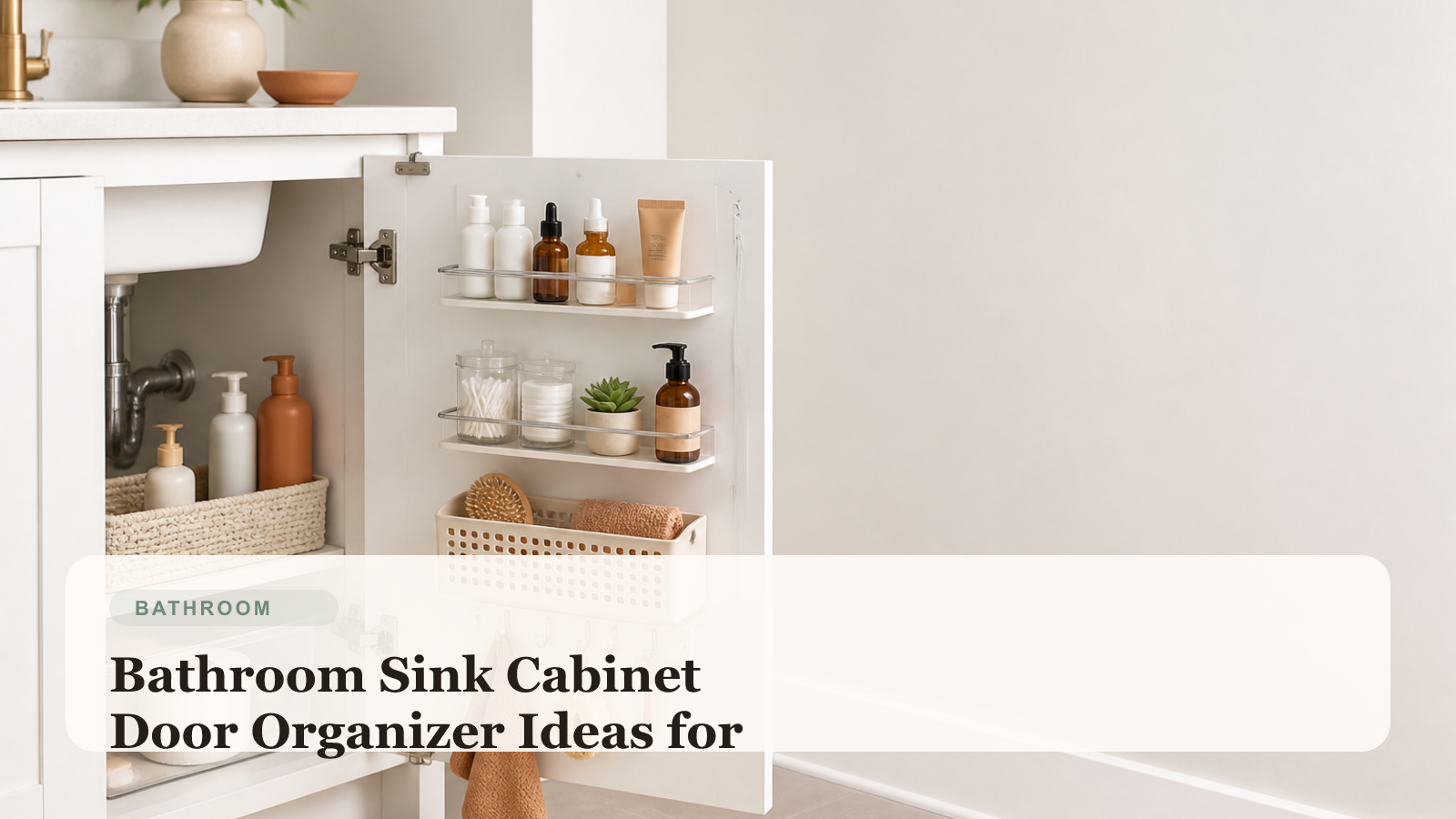
Bathroom Sink Cabinet Door Organizer Ideas for Renters
This guide focuses on one overlooked bathroom zone: how renters can use the inside of a sink cabinet door for smarter small-item storage.
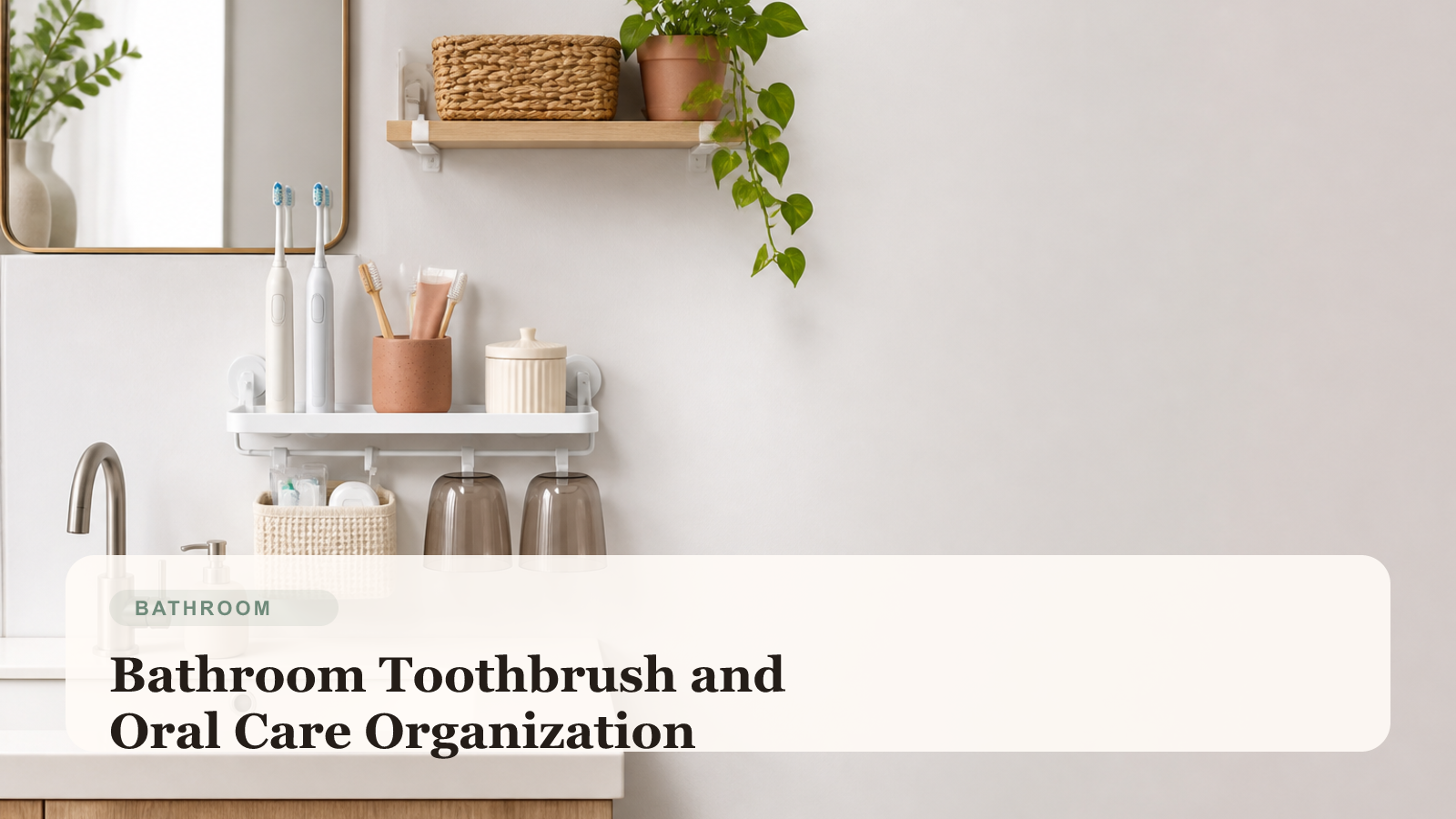
Bathroom Toothbrush and Oral Care Organization Ideas for Renters
This guide focuses on one daily bathroom category: how renters can keep toothbrushes, toothpaste, floss, and oral care refills organized without cluttering the sink.
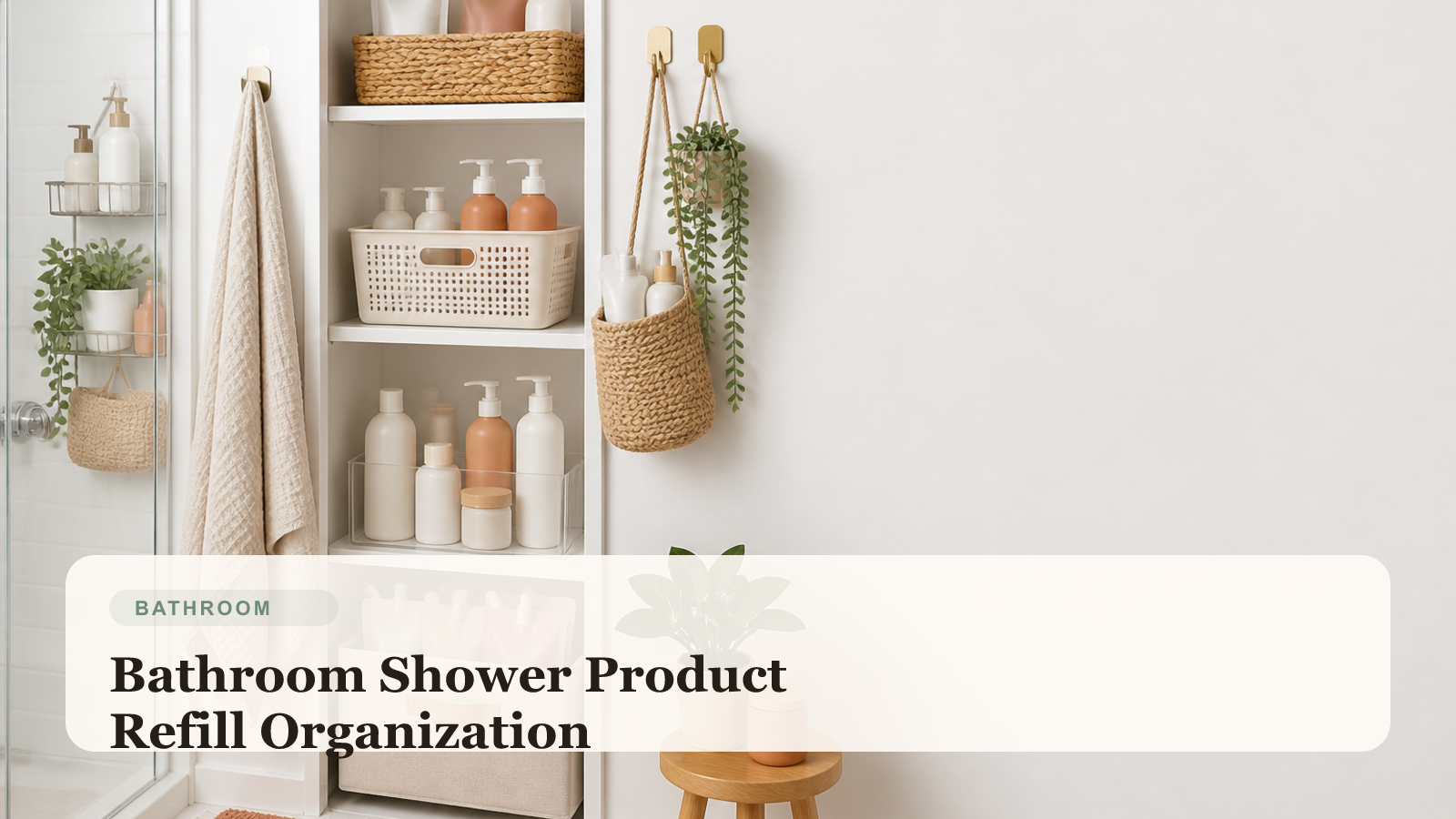
Bathroom Shower Product Refill Organization Ideas for Renters
This guide focuses on one specific bathroom problem: how renters can store backup shower products neatly without letting extras spread into every storage zone.
Editorial note
TidyHaven guides are written for practical, renter-aware small-space living. Pages may be updated over time for clarity, freshness, and better real-world usefulness.