
Tiny Linen Closet Ideas That Keep Towels Under Control
Tidy a narrow linen closet with categories, basket labels, and realistic towel limits.
Quick takeaways
- Fold towels to match the shelf depth.
- Contain backups in one basket.
- Reduce categories before adding organizers.
Why this space gets cluttered so quickly
The core issue behind tiny linen closet ideas is usually not laziness or lack of effort. It is friction. When daily items do not have an obvious home, they land wherever there is open surface area. A better system reduces decisions. It makes the right storage choice easier than leaving things out, and it keeps the most-used items closest to the place where they are actually needed.
Set up zones before buying new organizers
The best starting point is to sort the area by real use. Group the items you reach for daily, the things you need weekly, and the extras that can live farther away. Once the categories are clear, it becomes easier to see whether you need a basket, a shelf riser, a drawer divider, or simply fewer items in the space.
- Create one easy-access daily zone.
- Move backups to a separate overflow section.
- Label broad categories so everyone can maintain the system.
Choose storage tools that lower friction
In small homes, the best storage tools are the ones that make items more visible and easier to return. Deep containers can look tidy but often slow you down when you need to search or stack. Favor organizers that let you pull out a full category at once or see what is inside without unpacking the whole shelf.
- Open bins for frequent-use categories
- Clear containers when visibility matters
- Slim risers or baskets that match the shelf depth
- One flexible catch-all bin for in-progress resets
Create a fast weekly reset routine
Good systems last because they include a maintenance rhythm. The reset does not need to be long. It just needs to happen before the clutter spreads into nearby rooms or surfaces. A short weekly review keeps categories accurate and helps you notice duplicates before they become waste.
- Put wandering items back into their home zone.
- Move older or half-used items forward.
- Refill the categories that support your busiest routines.
- Remove one thing that no longer earns space in the area.
Mistakes to avoid
A common mistake is trying to organize too precisely. Overly detailed systems can look impressive on day one but become frustrating on normal weekdays. Another mistake is storing low-use items in your easiest-to-reach area. Premium storage space should go to the things that support your current routine, not occasional what-ifs.
- Do not buy bins before measuring the shelf or drawer.
- Do not mix daily-use items with long-term backups.
- Do not create more categories than the household will realistically maintain.
Final thought
The strongest organization systems are the ones you can keep using when life is busy. Start with zones, choose low-friction storage, and protect the areas that carry the most daily traffic.
Keep reading
Related guides worth reading next
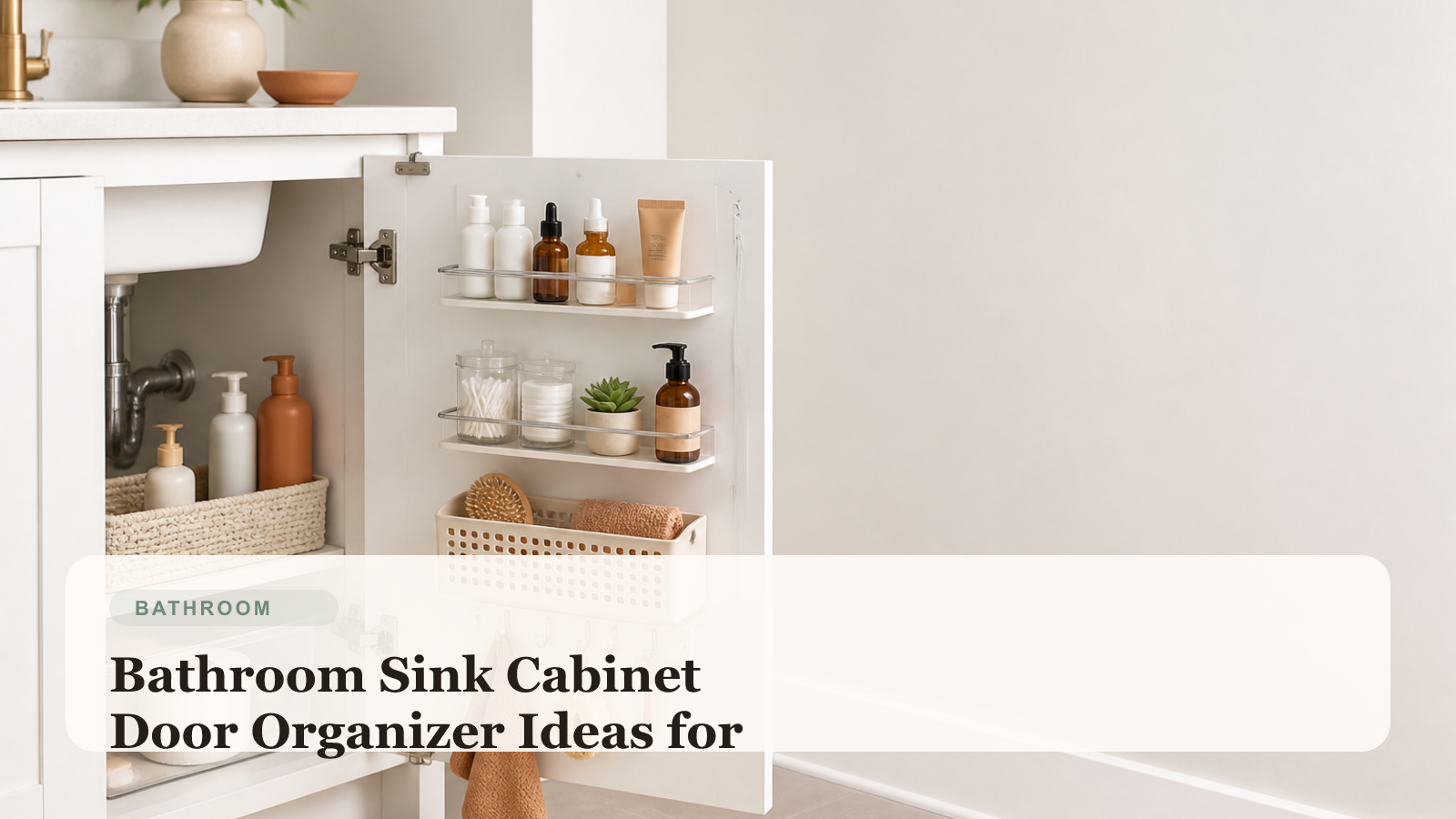
Bathroom Sink Cabinet Door Organizer Ideas for Renters
This guide focuses on one overlooked bathroom zone: how renters can use the inside of a sink cabinet door for smarter small-item storage.
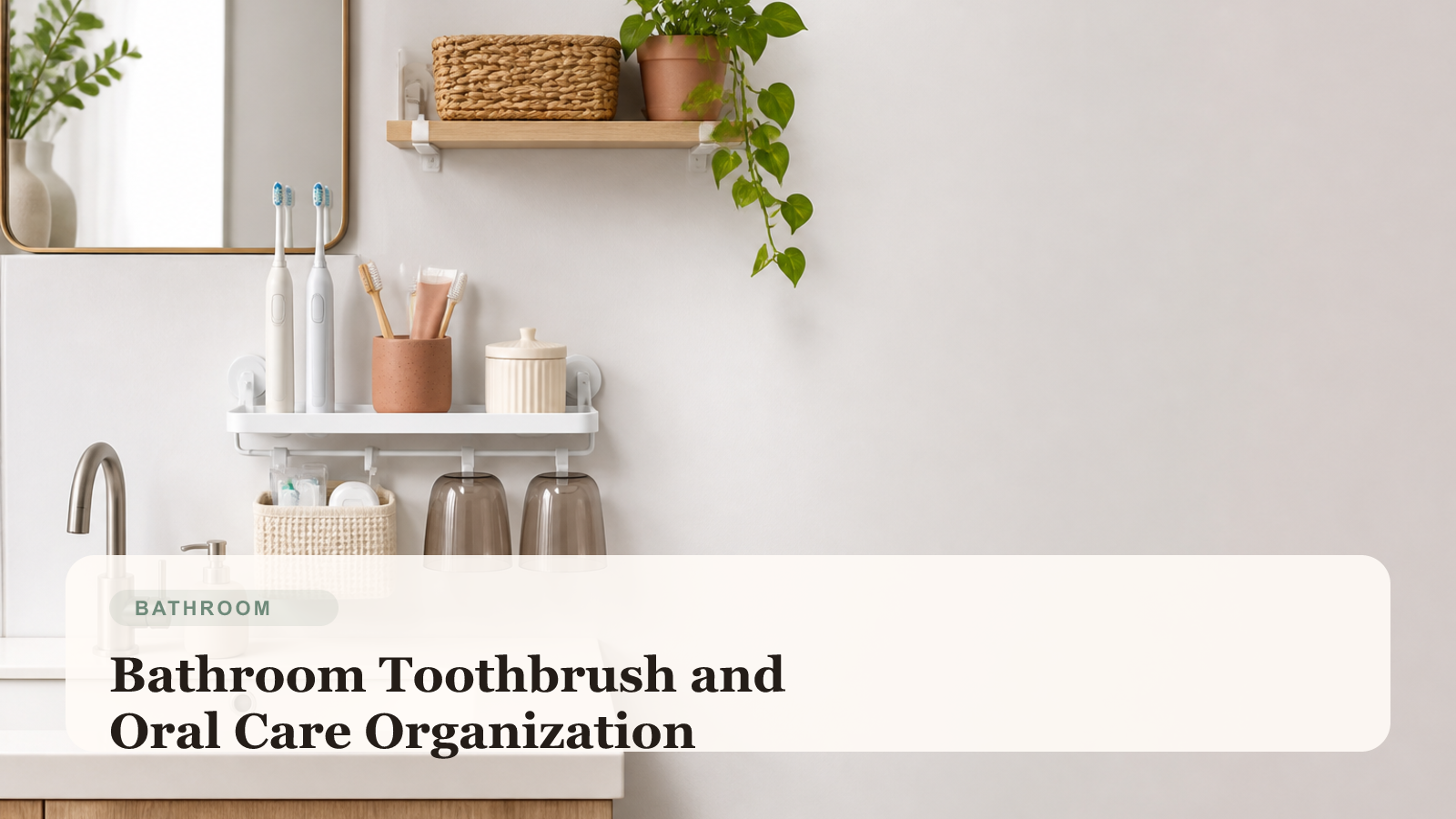
Bathroom Toothbrush and Oral Care Organization Ideas for Renters
This guide focuses on one daily bathroom category: how renters can keep toothbrushes, toothpaste, floss, and oral care refills organized without cluttering the sink.
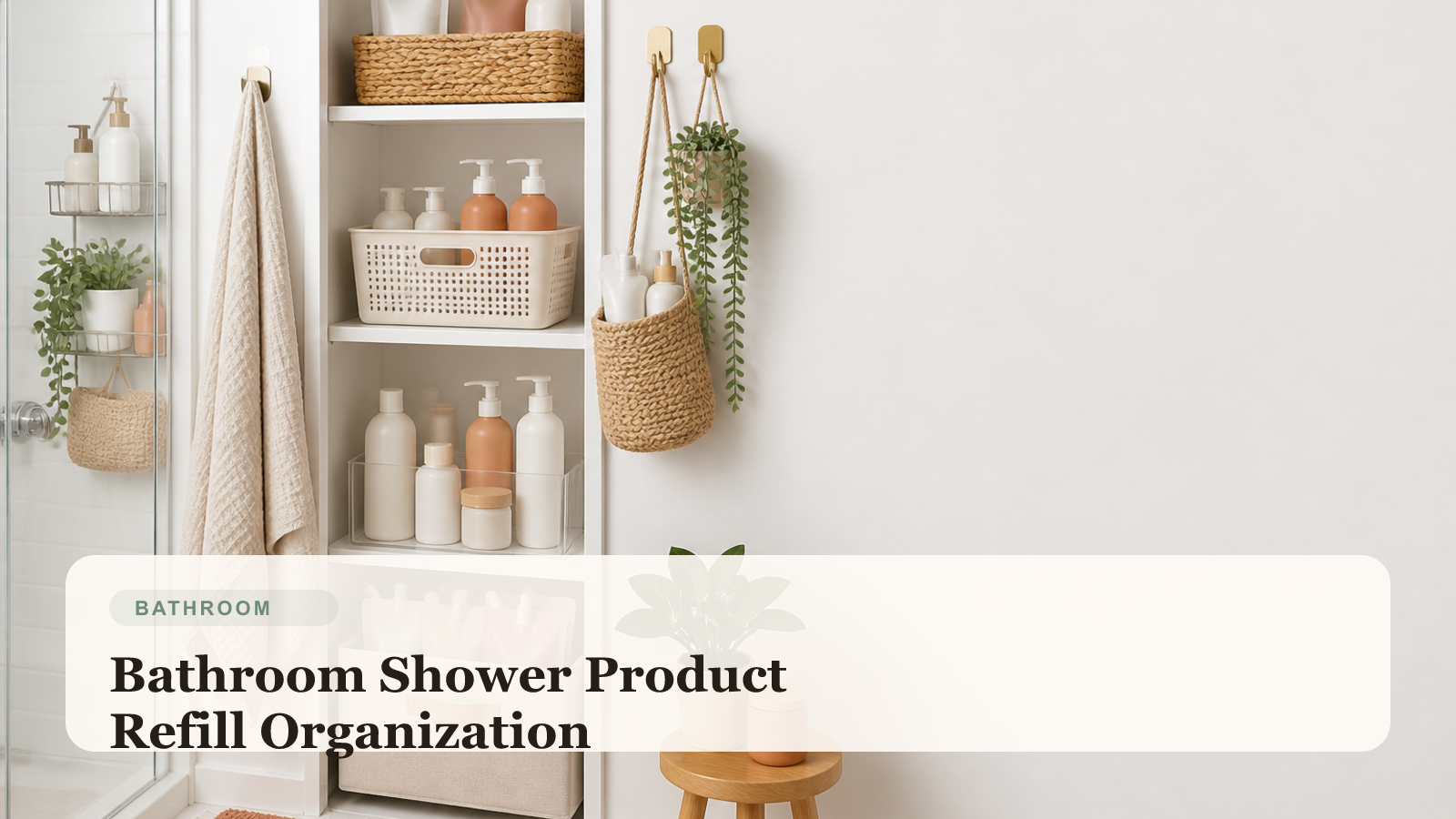
Bathroom Shower Product Refill Organization Ideas for Renters
This guide focuses on one specific bathroom problem: how renters can store backup shower products neatly without letting extras spread into every storage zone.
Editorial note
TidyHaven guides are written for practical, renter-aware small-space living. Pages may be updated over time for clarity, freshness, and better real-world usefulness.