
Under-Sink Bathroom Organization Ideas for Renters
Use bins, risers, tension rods, and renter-safe organizers to make an under-sink bathroom cabinet easier to use in a small apartment.
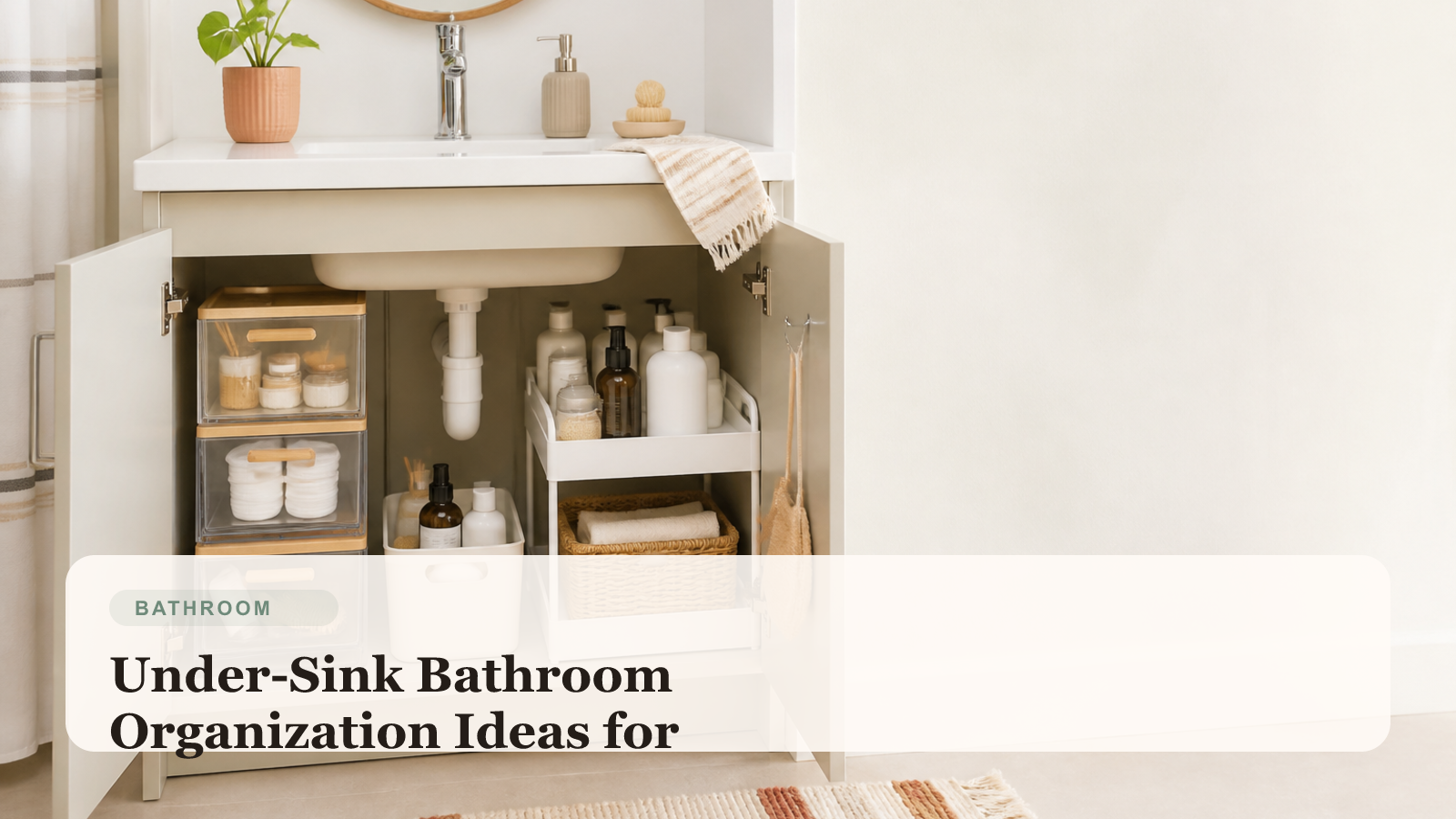
Quick takeaways
- Measure around the plumbing before buying any under-sink organizer.
- Use a few broad categories instead of too many tiny containers.
- Give daily-use items the easiest-to-reach zone inside the cabinet.
- Choose renter-safe organizers that can move with you to the next apartment.
The under-sink cabinet is one of the easiest bathroom zones to ignore and one of the fastest to become annoying. In small apartments, it often turns into a cramped mix of cleaning bottles, extra toiletries, toilet paper, hair tools, and half-used backups that never quite fit around the plumbing.
That is exactly why it is worth organizing on purpose. A better under-sink setup does not need expensive pull-out hardware or custom cabinetry. It usually needs better measuring, fewer categories, and a layout that works with the pipes instead of pretending they are not there.
This guide focuses on one specific search intent: under-sink bathroom organization for renters. The goal is to make the vanity cabinet easier to use without drilling, damaging the cabinet, or buying storage that only works in one apartment.
Measure the cabinet before buying organizers
The biggest under-sink mistake is shopping first and measuring later. Bathroom organizers often fail simply because the plumbing steals more space than people expect.
Before buying anything, measure:
- the full cabinet width
- the full cabinet depth
- the cabinet height
- the width and depth available on each side of the plumbing
- the height below the drain pipe
Take a quick photo of the empty cabinet too. That makes it easier to compare products later and avoid buying bins that look right online but do not fit in real life.
If the vanity is especially shallow, focus on narrow bins and stackers instead of deep drawers. If the pipes sit low, use shorter containers and leave the center section for low, flexible items.
Sort the cabinet into broad categories
Under-sink cabinets get messy when too many categories compete for one awkward space. Instead of organizing every product into its own tiny container, start with broad groups that reflect how you actually use the bathroom.
Good renter-friendly categories include:
- daily-use products
- extra toiletries and backups
- cleaning supplies
- hair tools or grooming tools
- paper goods or overflow stock
This keeps the cabinet understandable at a glance. It also makes it easier to maintain, which matters more than having a visually perfect organizer setup.
If a category is too small to need its own container, let it live inside a shared bin instead of forcing one more piece into the cabinet.
Put daily-use items in the easiest zone
Once the categories are clear, arrange them by frequency of use. The most useful part of the cabinet should go to the items you reach for all the time, not the items you only buy once every few months.
A simple layout usually works best:
- front left or front right: daily-use products
- back corners: backups and refills
- center low zone: flexible items that can sit around the pipe
- upper vertical space: lightweight add-ons like a short riser or hanging caddy
If more than one person uses the bathroom, split one side for each person when possible. That cuts down on morning clutter and makes it easier to see when something needs to be restocked.
Use renter-safe organizers that work around plumbing
Under-sink organization works best when the products are simple and portable. Renters do not need complicated pull-out systems that depend on hardware or exact cabinet dimensions.
The most useful options are usually:
- open bins with handles
- low-profile drawers
- short shelf risers
- small stackers
- a slim tension rod for hanging spray bottles
Open bins are especially helpful because they are easier to move around the pipe than rigid systems with fixed rails. A short tension rod can also create one of the most effective upgrades in the cabinet by lifting spray bottles off the floor of the space and freeing up room below.
If you use a riser, keep the heavier items on the cabinet floor and lighter backups on the top level. That keeps the setup steadier and makes the items you use every day easier to grab.
Build around the awkward center section
Most under-sink cabinets lose the center because the drain pipe breaks up the layout. Instead of treating that area like dead space, use it for categories that can flex.
That center section works well for:
- extra toilet paper
- folded cleaning cloths
- a shallow tray of backups
- one low bin for travel-size products
Try not to cram the middle with tall bottles unless the plumbing shape allows it. The center usually works better for low or soft items that can slide in and out easily.
On either side of the plumbing, use the more regular rectangular zones for bins, drawers, or stacked containers. That way the awkward part of the cabinet stops dictating the whole layout.
Keep cleaning supplies controlled
Cleaning supplies are often what make the cabinet feel chaotic, especially when different bottles tip over or leak. If you store them here, contain them in one obvious spot.
A good approach is:
- one upright bin for cleaning products
- one cloth or sponge tray
- one backup zone for refills
This makes the cabinet easier to wipe down and helps prevent the “everything under the sink smells like a mystery product” problem that can happen when bottles shift around loosely.
If space is very limited, move heavy cleaning products to another cabinet and keep only the bathroom-specific essentials under the sink.
Avoid over-organizing a small vanity
One of the most common mistakes in small bathrooms is buying too many tiny organizers. They may look tidy at first, but they often create a cabinet that is harder to reset and more irritating to use.
Avoid:
- too many miniature bins
- deep drawers you cannot fully open
- organizers that block the pipe but do not increase storage
- products that only fit one exact vanity layout
The best under-sink systems feel simple. You should be able to remove one bin, wipe the cabinet quickly, and return everything without needing to rebuild the whole layout.
A practical reset routine that keeps it working
Under-sink organization stays useful when it is easy to maintain. A quick monthly reset is usually enough:
- pull out each bin
- wipe the cabinet floor
- throw away empties or expired items
- move backups to the back again
- return only what belongs in that zone
That takes much less time than a full reorganization and helps the cabinet stay clear enough to actually use.
If one category keeps overflowing, that is usually a sign to reduce quantity rather than add another organizer.
Final thought
Under-sink bathroom organization for renters works best when it is honest about the space. Pipes take room, cabinets are awkward, and small bathrooms do not need perfect systems to feel better. If you measure first, organize into a few broad categories, and use simple movable organizers, the cabinet becomes easier to clean, easier to restock, and much less frustrating in daily life.
Keep reading
Related guides worth reading next
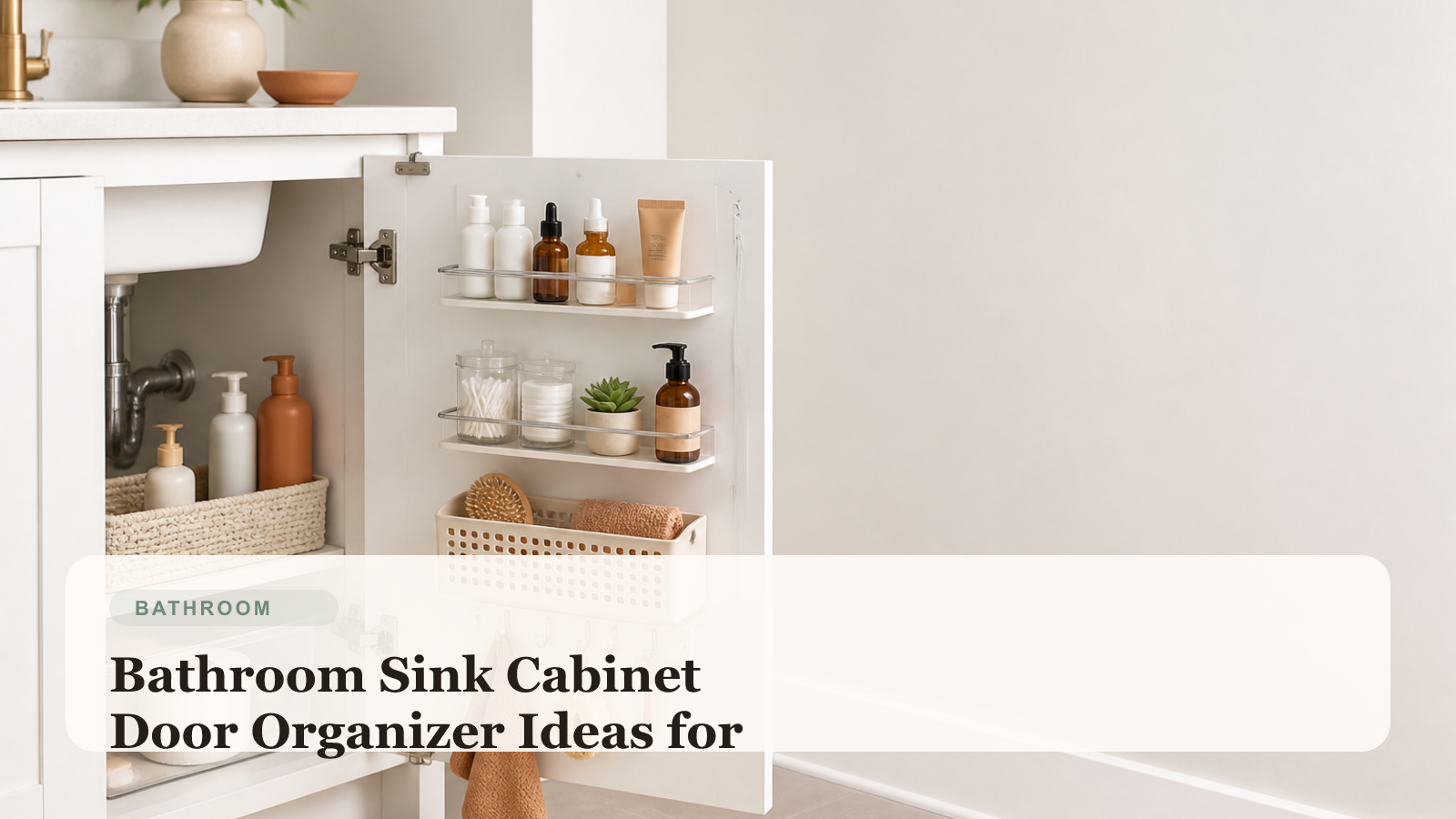
Bathroom Sink Cabinet Door Organizer Ideas for Renters
This guide focuses on one overlooked bathroom zone: how renters can use the inside of a sink cabinet door for smarter small-item storage.
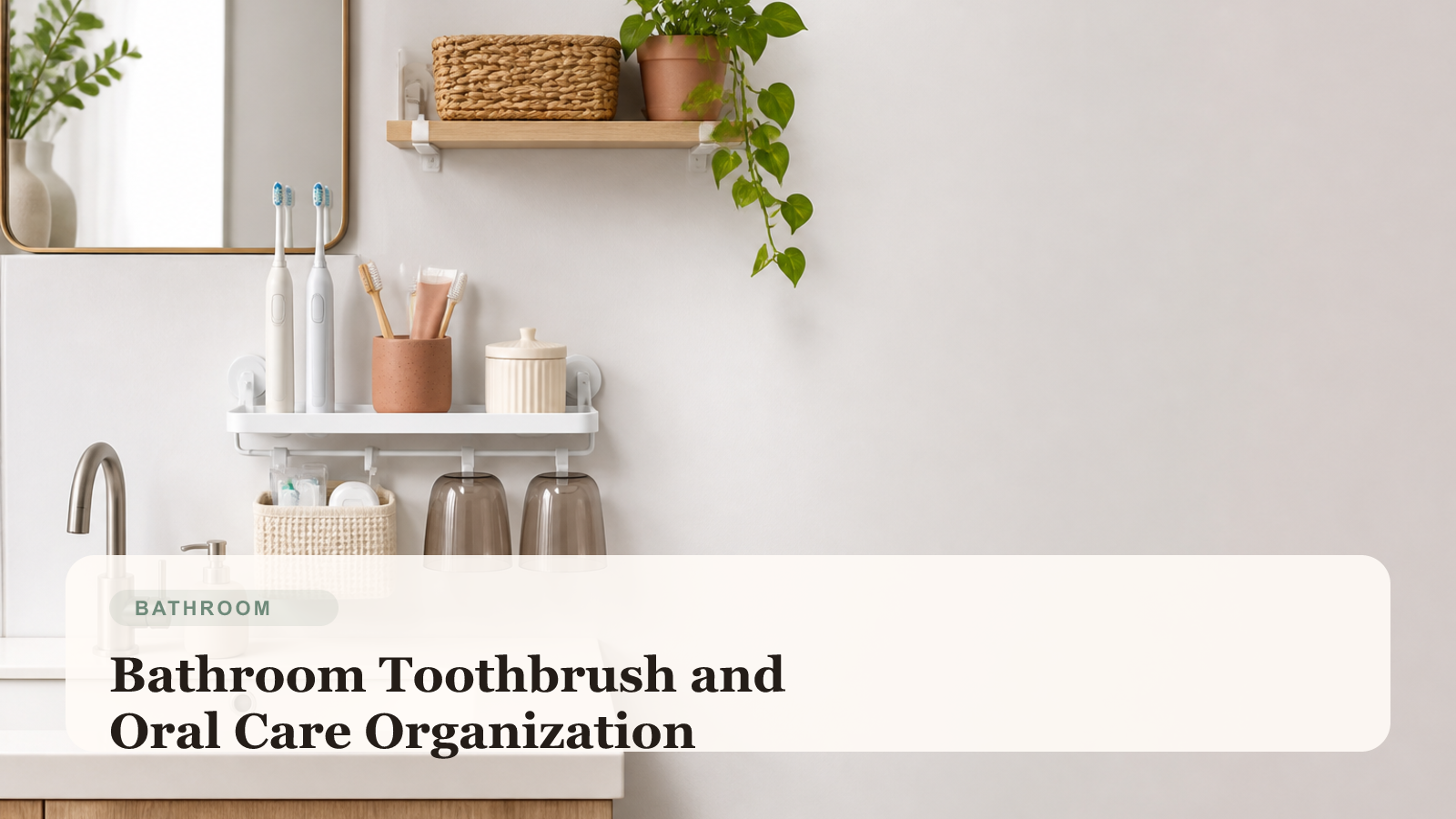
Bathroom Toothbrush and Oral Care Organization Ideas for Renters
This guide focuses on one daily bathroom category: how renters can keep toothbrushes, toothpaste, floss, and oral care refills organized without cluttering the sink.
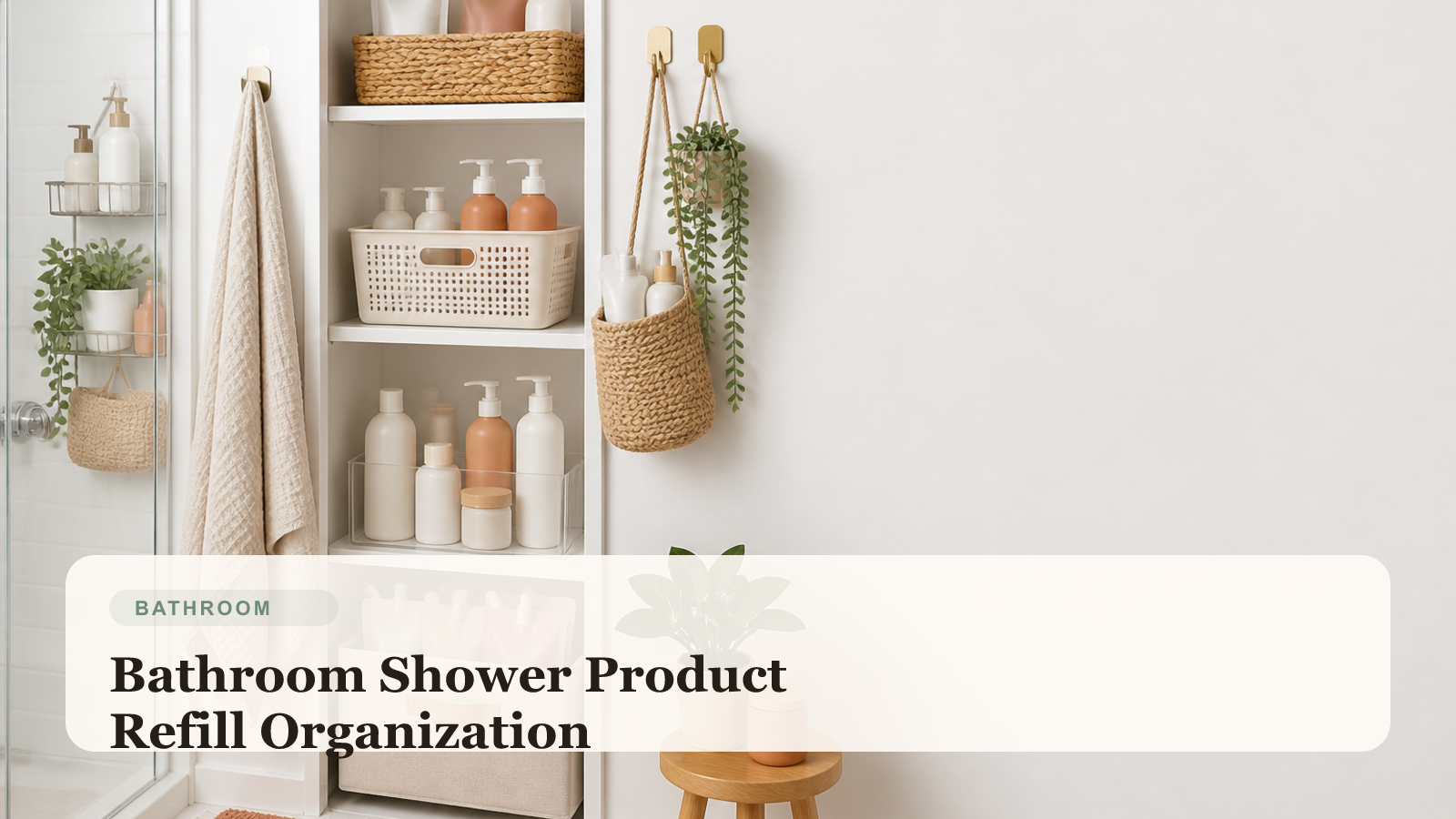
Bathroom Shower Product Refill Organization Ideas for Renters
This guide focuses on one specific bathroom problem: how renters can store backup shower products neatly without letting extras spread into every storage zone.
Editorial note
TidyHaven guides are written for practical, renter-aware small-space living. Pages may be updated over time for clarity, freshness, and better real-world usefulness.