
Stylish Entryway Storage Ideas for Small Apartments That Hide Clutter
Use slim benches, concealed baskets, mirrors, and renter-friendly furniture to create an entryway that looks polished while still storing everyday mess.
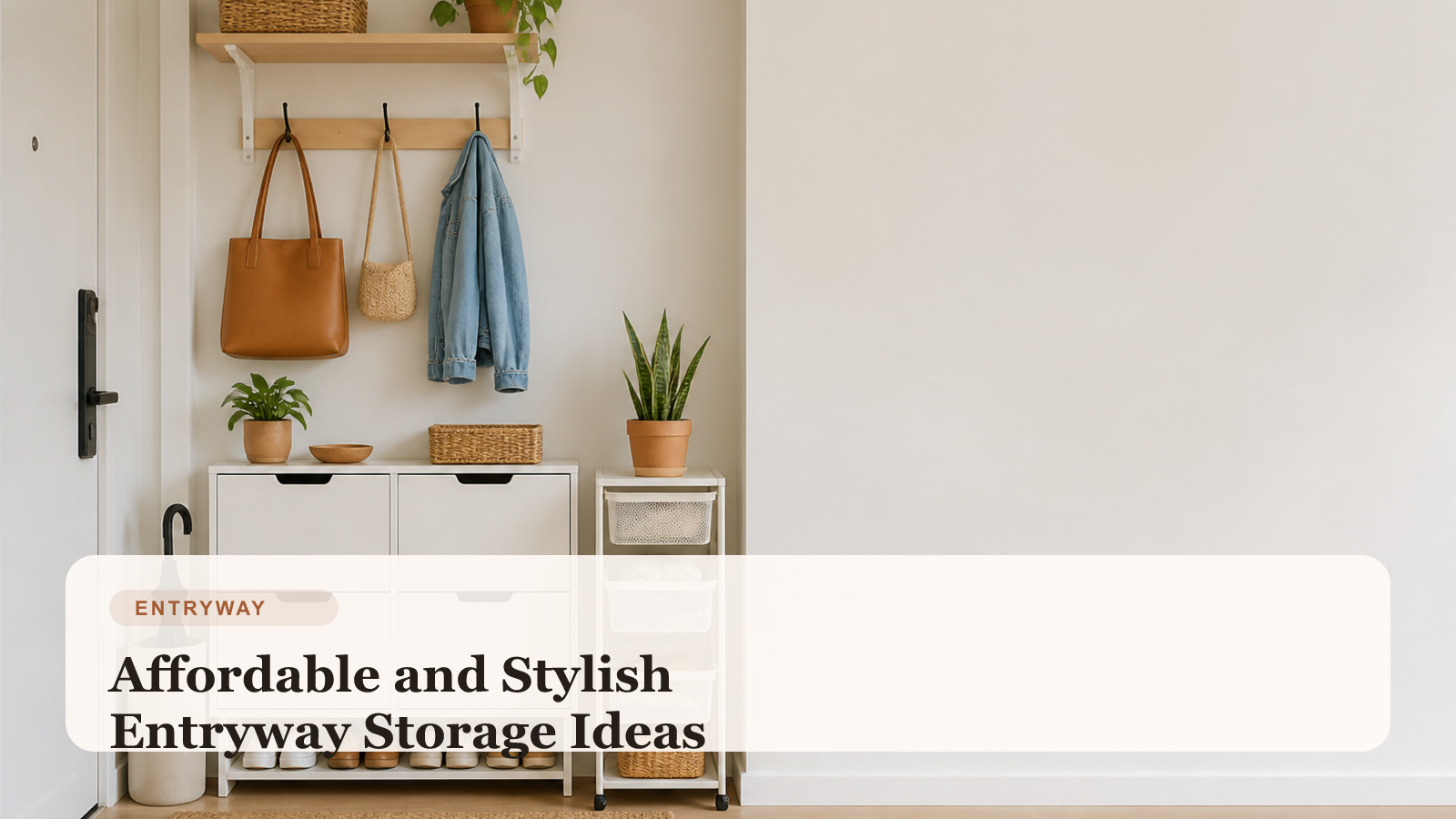
Quick takeaways
- Maximize limited entryway space using multifunctional and vertical storage pieces
- Choose budget-friendly and damage-free storage solutions ideal for renters
- Utilize hidden and under-bench storage to minimize visible clutter
- Maintain an organized entryway through daily and periodic habits
- Incorporate stylish elements that complement your apartment’s decor without sacrificing space
Design an entryway that stores clutter quietly
Small apartment entryways usually present unique obstacles, including narrow or irregularly shaped spaces that can easily become cluttered. Renters often face strict lease restrictions that prohibit drilling holes or making permanent alterations, making traditional storage installations infeasible.
This article focuses on a specific version of the problem: how to make an entryway look calmer and more intentional while still hiding everyday clutter. That usually means choosing storage pieces that do not just hold things, but also soften what you see first when you walk in.
- Narrow floor space that restricts bulky furniture or wide storage units
- Lease agreements commonly forbid permanent wall fixtures or damage
- High foot traffic demands durable yet easily maintainable storage
- Need for storage that adapts to seasonal changes and varying items
- Balancing storage efficiency without creating a cramped or unwelcoming area
Choose furniture that looks finished, not improvised
Choosing the right furniture can dramatically enhance entryway organization without breaking the bank. Focus on multifunctional pieces that combine seating with storage, such as narrow entry benches with hidden compartments or shoe racks underneath. Aim for compact dimensions — ideally a depth no greater than 12 inches — to ensure walkways remain clear and comfortable. Materials like lightweight metal frames, engineered wood, or durable plastic often provide cost savings while maintaining durability and style. Affordable options under $100 can be found at popular retailers or secondhand stores, and DIY projects using pallets or crates can offer custom budget-friendly solutions. Prioritize pieces that are easy to assemble, disassemble, and move, essential for renter flexibility.
- Narrow benches with hinged lids or cubbies for shoe and accessory storage (approx. 36” wide x 12” deep)
- Wall-mounted cubbies or slim shelves to hold keys, mail, and small items without occupying floor space
- Over-the-door shoe organizers or pocket holders to utilize door backs efficiently
- Multipurpose hooks that combine shelving and hanging capability, optimizing vertical space
Use renter-friendly storage that still feels polished
To respect rental agreements and avoid losing security deposits, opt for storage solutions that require no drilling or permanent fixtures. Command hooks and strips are excellent choices, available in various sizes and weight ratings to hold coats, bags, and even lightweight shelves. Tension rods can be installed inside door frames or narrow alcoves to create hanging space for scarves, umbrellas, or bags without any damage. Freestanding storage units like slim shoe racks or small bookcases can be placed strategically to maximize use without obstructing doors. Using adhesive-backed organizers with peel-and-stick installation allows for flexible placement and easy removal. Additionally, modular storage cubes or portable carts on wheels can be moved as needed, providing adaptable solutions for renters.
- Measure your entryway’s width, height, and depth to understand exact space constraints.
- Select Command hooks or strips rated to hold specific items — for example, hooks that support up to 5 lbs for hats and scarves, or 7.5 lbs for heavier coats.
- Install tension rods between door frames or narrow vertical spaces to hang lightweight items like umbrellas or reusable shopping bags.
- Place a slim, freestanding shoe rack or storage bench within the measured footprint, ensuring it does not block door swing or pathways.
- Use adhesive-backed wall organizers for keys or mail, placing them at eye level for convenience.
Prioritize hidden and low-visual-noise storage
Vertical storage is crucial in small entryways where floor space is limited. Tall and narrow shelving units, pegboards, or wall grids hold a variety of items such as hats, bags, and mail without consuming precious floor area. Under-bench storage provides an excellent hidden space for shoes and seasonal gear. Use labeled baskets or bins to keep similar items grouped, making it easier to find things quickly and maintain order. Stackable storage containers or collapsible fabric bins can be stored on shelves or inside cabinets, allowing for seasonal rotation and flexibility. The key is to utilize all available vertical and hidden nooks without overcrowding or making the entryway feel cramped.
- Wall-mounted pegboards or metal grids with hooks for hanging keys, hats, and reusable bags
- Stackable, labeled baskets or fabric bins for gloves, scarves, and other accessories
- Under-bench shoe storage using pull-out drawers or open racks designed to fit slim benches
- Slim vertical shelves or ladder-style storage units occupying less than 10 inches in depth
- Utilizing the back of doors with over-the-door hooks or racks for additional hidden storage
Add style in ways that also improve function
Entryway storage doesn’t have to be purely functional; it can also contribute to your apartment’s aesthetic. Select storage pieces with clean lines and neutral or light color palettes to visually expand small spaces and keep the area feeling bright and airy. Decorative baskets or matching fabric bins unify the look while keeping clutter hidden. Mirrors with integrated hooks or narrow shelves serve dual roles — offering last-minute appearance checks and functional storage without requiring extra furniture. Coordinated hardware such as decorative hooks, knobs, and handles can uplift inexpensive storage furniture, making the entryway feel thoughtfully styled. Adding a small rug or runner with a subtle pattern can also define the space and protect floors from dirt and moisture.
- Choose storage furniture that complements your existing decor in terms of color and material—light wood, white finishes, or black metal frames work well in most interiors.
- Incorporate decorative baskets or fabric bins in consistent colors or patterns to conceal clutter while adding texture and warmth.
- Install a slim mirror with a built-in shelf and hooks near the entrance to combine storage with style and utility.
- Upgrade plain hooks with decorative ones in finishes like brass, matte black, or brushed nickel for a cohesive, polished look.
- Add a narrow runner rug that fits your entryway dimensions and complements the color scheme to enhance visual appeal and protect flooring.
Keep the entryway looking intentional
An organized entryway requires regular maintenance, especially in small apartments where clutter accumulates quickly. Establish simple daily habits such as immediately placing shoes on racks, hanging coats and bags on hooks, and sorting mail and keys into designated containers. Set a recurring monthly schedule to declutter and clean the entryway, removing items no longer in use and wiping down storage surfaces to keep the space fresh and inviting. This is especially important in rentals to avoid damage and maintain a tidy appearance. Encourage family members or roommates to follow these habits to ensure the shared entryway remains functional and welcoming for everyone.
- Immediately remove shoes and place them in designated storage after entering to prevent floor clutter.
- Sort and file mail and keys daily into small wall-mounted baskets or trays to prevent pile-ups.
- Declutter baskets, shelves, and bins monthly, donating or discarding unused items to maintain space.
- Wipe down all storage surfaces weekly with gentle cleaners to avoid dirt buildup and protect finishes.
- Encourage consistent use of hooks and bins by household members through reminders or simple signs.
Final thought
Optimizing entryway storage in small apartments is not only about fitting more items near the door. It is also about controlling what the eye sees first. A few renter-safe pieces that hide clutter well can make the whole apartment feel more finished, even when the footprint is small.
Keep reading
Related guides worth reading next
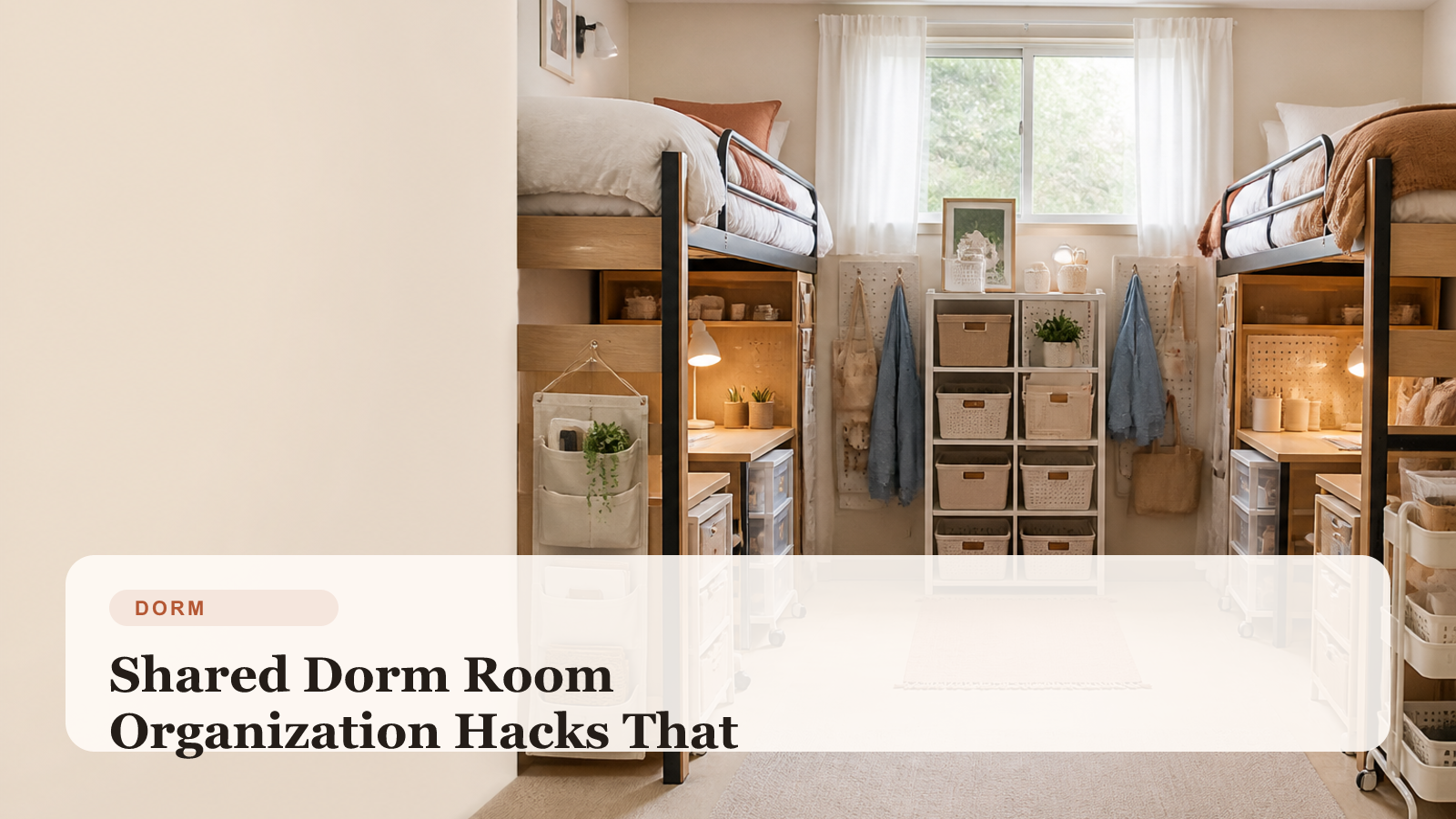
Shared Dorm Room Organization Hacks That Actually Reduce Clutter
This dorm guide focuses on shared-room organization: how roommates can divide storage, protect walkways, and set up systems that are realistic during a busy semester.
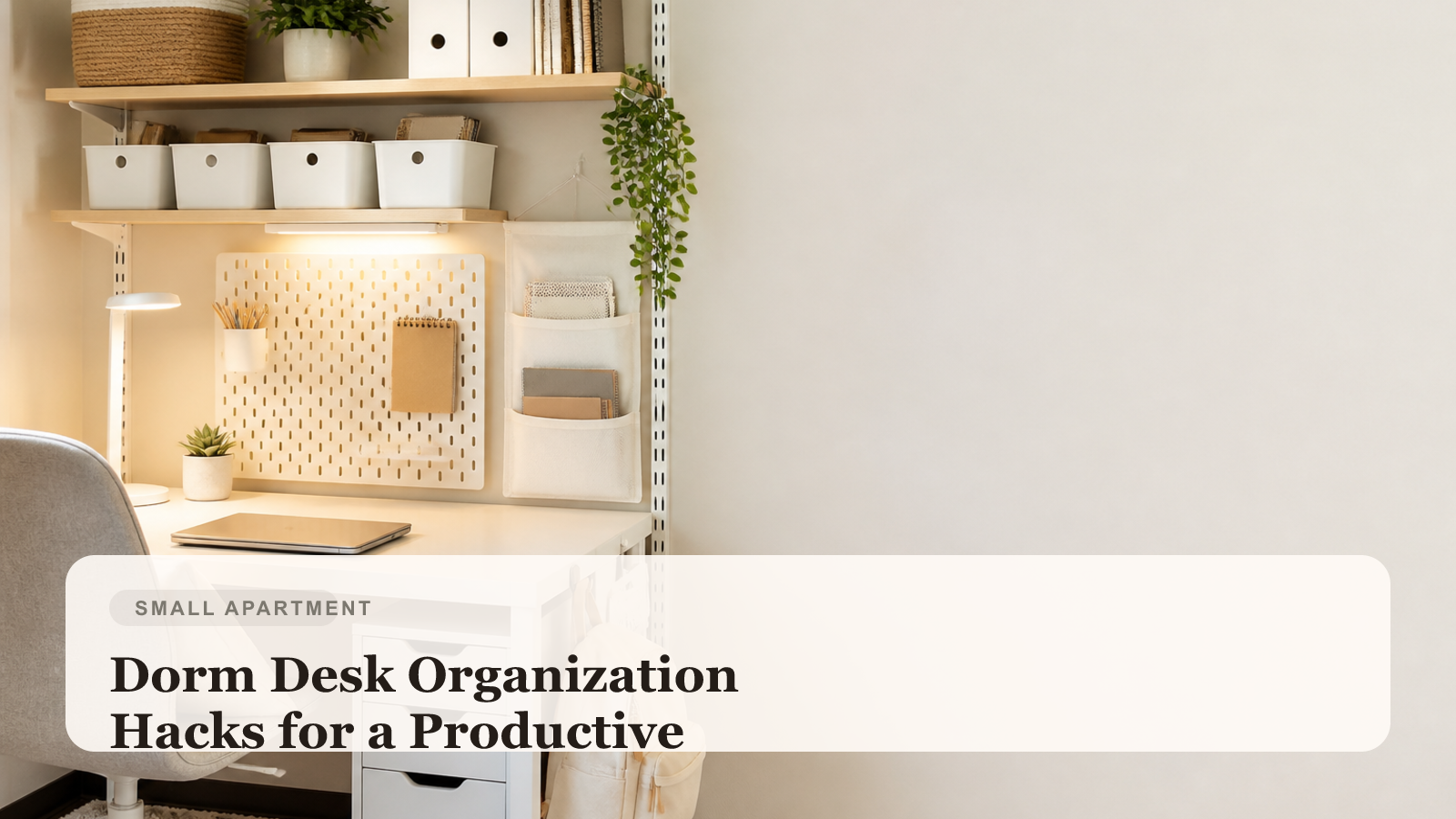
Dorm Desk Organization Hacks That Save Space Fast
Try fast dorm desk organization hacks that clear visual clutter, improve storage, and make a small study setup easier to use every day.
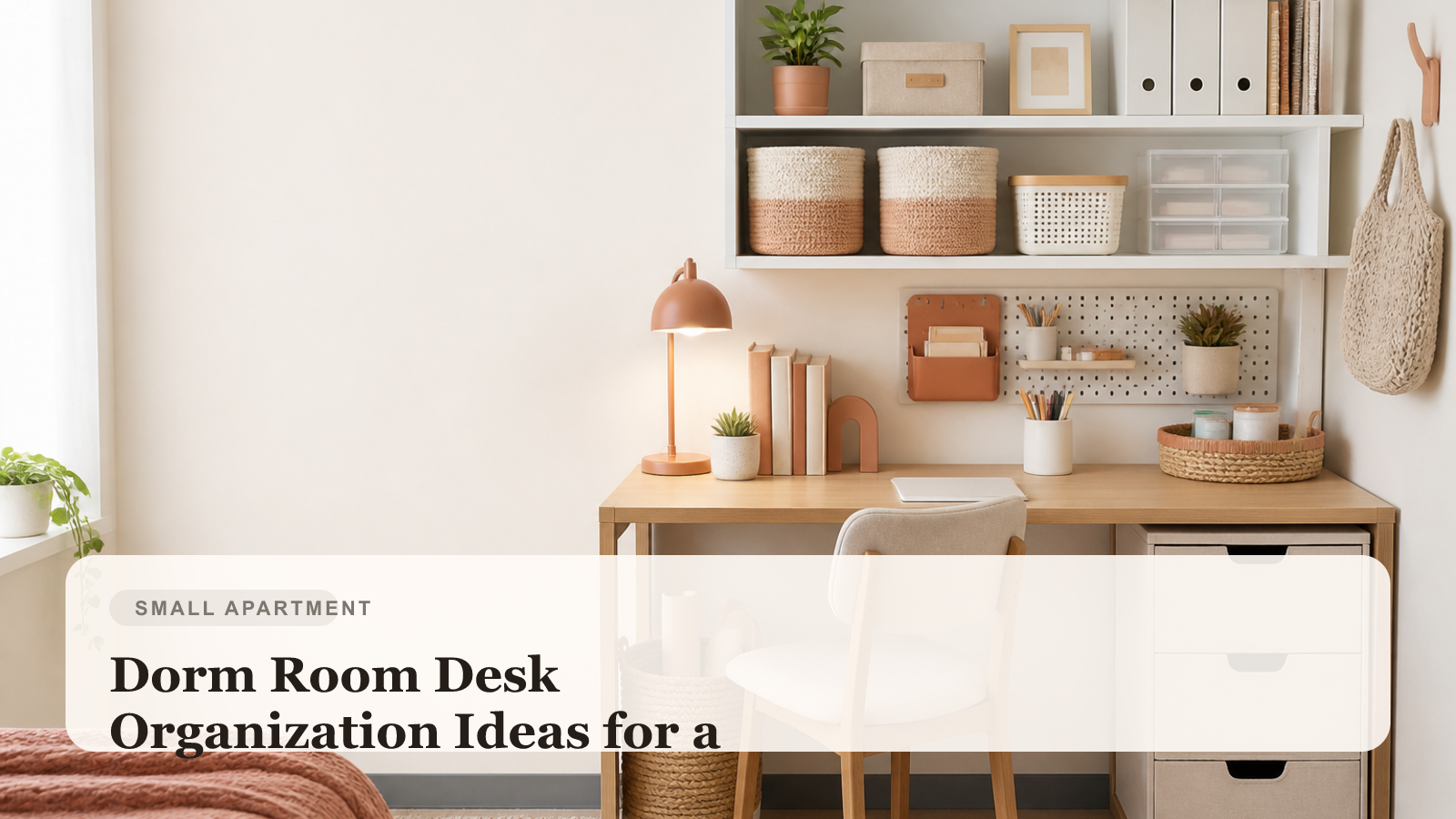
Summer Dorm Desk Organization Ideas for Better Study Focus
Use a quick summer desk reset, smarter organizers, and easy storage zones to make a dorm study setup feel cleaner and easier to use.
Editorial note
TidyHaven guides are written for practical, renter-aware small-space living. Pages may be updated over time for clarity, freshness, and better real-world usefulness.