
Dorm Desk Organization Hacks That Save Space Fast
Use renter-friendly desk hacks, compact organizers, and quick storage wins to make a dorm study space cleaner, calmer, and easier to work at.
Quick takeaways
- Use vertical space and wall-mounted organizers to save desk area.
- Incorporate multi-functional storage to maximize limited square footage.
- Choose affordable, damage-free solutions suitable for renters.
- Maintain organization by establishing daily and weekly habits.
- Customize storage by categorizing study materials for easy access.
- Leverage small apartment organization principles for efficient desk use.
Assessing Your Desk Space and Planning Storage
Start by measuring your dorm desk dimensions, typically around 30 inches wide by 18 inches deep, to understand your available surface area. Assess common items you frequently use such as textbooks, notebooks, stationery, and electronic devices to identify storage needs and clutter sources. Plan your storage by categorizing items into groups like writing tools, study materials, tech accessories, and personal items. Prioritize items you need daily to keep within reach and those used less often to store elsewhere, ensuring a streamlined workspace.
- Measure desk surface and height to fit storage units.
- List study essentials and categorize by usage frequency.
- Plan vertical and under-desk storage options.
Utilizing Vertical Space with Wall-Mounted Organizers
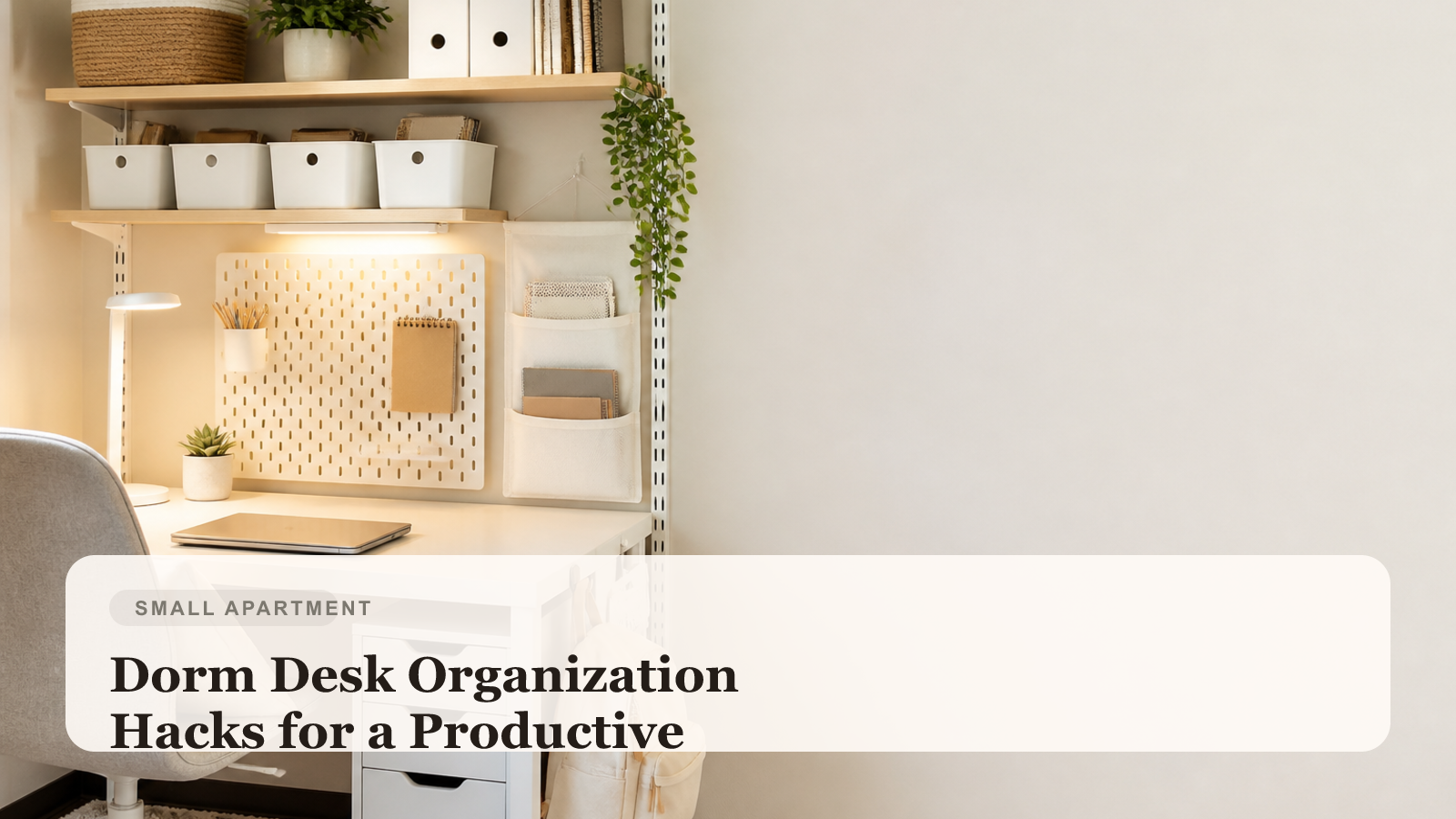
Maximize limited desk surface area by installing wall-mounted storage such as pegboards, floating shelves, or magnetic strips. These options help keep supplies off the desk while remaining easily accessible, perfect for renters since many use removable adhesive hooks or damage-free mounting solutions. Choose organizers that allow customizable layouts, like adjustable pegboards with hooks and baskets, to fit different items. Floating shelves can hold small containers for stationery or display small plants for a pleasant study environment.
- Use removable hooks to avoid wall damage.
- Install a pegboard sized around 18x24 inches above the desk.
- Add magnetic strips for metal tools like scissors or clips.
- Select wall area within arm’s reach of your desk.
- Clean surface before applying adhesive hooks or strips.
- Arrange and hang your storage components based on item categories.
Choosing Multi-Functional Desk Organizers and Storage Solutions
Invest in multi-functional desk organizers that combine compartments for pens, papers, and electronics. Look for stackable trays or modular cubes approximately 12 inches wide to fit on one desk corner without overwhelming the space. Affordable options like plastic or fabric bins under $20 can hold textbooks or binders vertically, saving space and protecting your materials. For renters, avoid permanent fixtures and select lightweight, easy-to-move organizers.
- Stackable trays to separate documents by subject.
- Small fabric bins to hold chargers and cables.
- Compact drawer units for under-desk storage (around 12”x15”).
- Measure available desk corners for organizer placement.
- Purchase organizers that fit your budget and style preferences.
- Assign each compartment a specific category to maintain order.
Maximizing Under-Desk and Hidden Storage
Under your desk is prime real estate for additional storage without cluttering your workspace. Use shallow rolling carts with wheels around 10 inches wide to fit between desk legs, ideal for storing papers, notebooks, or small tech items. Consider using under-desk hooks or hanging baskets for bags or headphones. These renter-friendly options attach with clamps or removable adhesive strips, preventing damage and offering quick access to frequently used items.
- Compact rolling carts with multiple shallow drawers.
- Clamp-on hooks for bags or headphones.
- Hanging fabric baskets adhered with removable strips.
- Measure desk leg clearance and floor space under desk.
- Select storage carts or hooks compatible with your desk frame.
- Organize items in carts by priority and frequency of use.
Incorporating Smart Cable Management Techniques
Cables and chargers can create visual clutter and reduce workspace efficiency. Use cable clips, ties, and sleeves to bundle cords neatly along desk edges or behind monitors. Many renter-friendly options use adhesive backing that won’t leave marks. Label cables with masking tape or small tags to quickly identify devices and avoid unplugging the wrong item. Keep a small storage box or container on or under the desk to hold spare chargers and tech accessories.
- Adhesive cable clips to route wires along desk sides.
- Velcro or reusable ties for bundling multiple cables.
- Small labeled containers for spare accessories.
- Gather all device cables and unplug for sorting.
- Attach clips along desk edge or leg to route cables.
- Label and bundle cables, placing extras in storage containers.
Establishing Daily and Weekly Maintenance Habits
Maintaining an organized dorm desk requires consistent habits. Each day, spend 5 minutes tidying your workspace by returning items to their designated compartments and discarding unnecessary papers. This prevents buildup of clutter and maintains a productive environment. On a weekly basis, review your study supplies and reorganize as needed. Rotate seasonal materials or less-used items into storage bins elsewhere in your dorm or apartment to free up desk space. Regular cleaning also prevents dust accumulation and keeps your area inviting.
- Daily 5-minute tidy-up routine.
- Weekly review and rotation of study materials.
- Monthly cleaning of desk surface and organizers.
- Set a daily reminder for quick desk organization.
- Create a weekly schedule to evaluate and re-arrange items.
- Vacuum or wipe desk and storage units monthly to maintain cleanliness.
Customizing Your Space with Personal Yet Practical Decor
While functionality is key, personalizing your desk with small decorative elements can enhance motivation and comfort. Choose compact items like a small desk lamp with adjustable brightness or a corkboard for pinning reminders and inspiration. Avoid overcrowding by limiting decor to 2-3 items that serve a purpose. For example, a plant under 6 inches tall improves air quality and mood without taking valuable space. This balance helps maintain a clutter-free, renter-friendly study zone.
- Adjustable desk lamp for focused lighting.
- Small corkboard or magnetic board for notes.
- Compact desk plant (under 6 inches) for ambiance.
- Select decorative items that double as functional tools.
- Place decor strategically to avoid reducing workspace.
- Regularly assess decor to prevent desk overcrowding.
Final thought
Creating a productive study space in a dorm or small apartment is achievable with intentional organization tailored to renter constraints and limited square footage. By measuring your space, using vertical and under-desk storage, managing cables smartly, and maintaining daily habits, you can keep your desk clutter-free and efficient. Incorporate personalized yet practical decor without sacrificing functionality to foster an inviting environment. These realistic, budget-conscious hacks ensure that your study area supports your academic goals without overwhelming your living space.
Keep reading
Related guides worth reading next
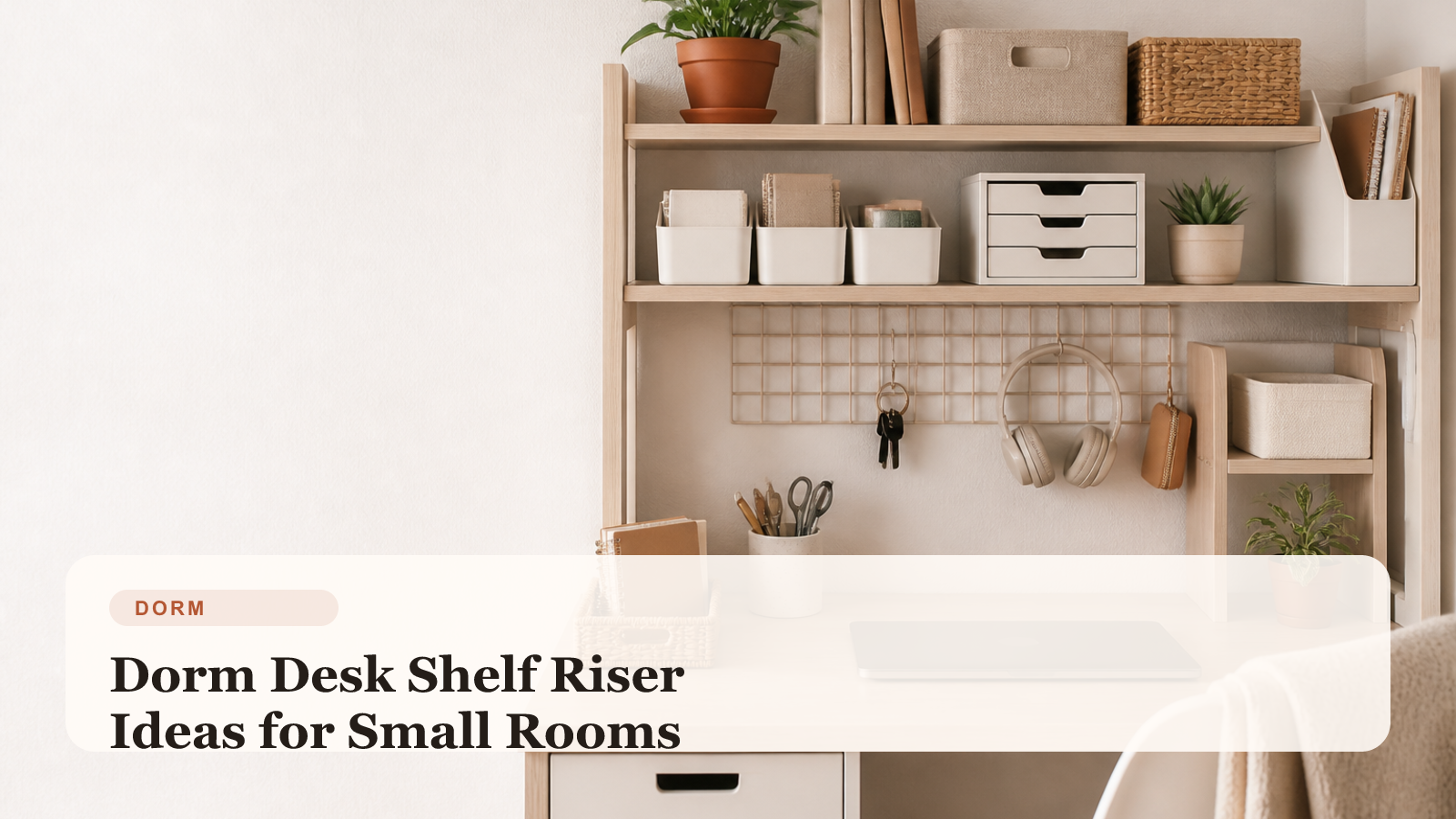
Dorm Desk Shelf Riser Ideas for Small Rooms
This guide focuses on one smart dorm desk upgrade: how a shelf riser can create more storage without turning a tiny study setup into visual clutter.

Dorm Move-In Packing Zone Ideas for Small Rooms
This guide focuses on one stressful dorm moment: how to build a packing zone that keeps move-in supplies, bedding, toiletries, and daily essentials easier to manage.
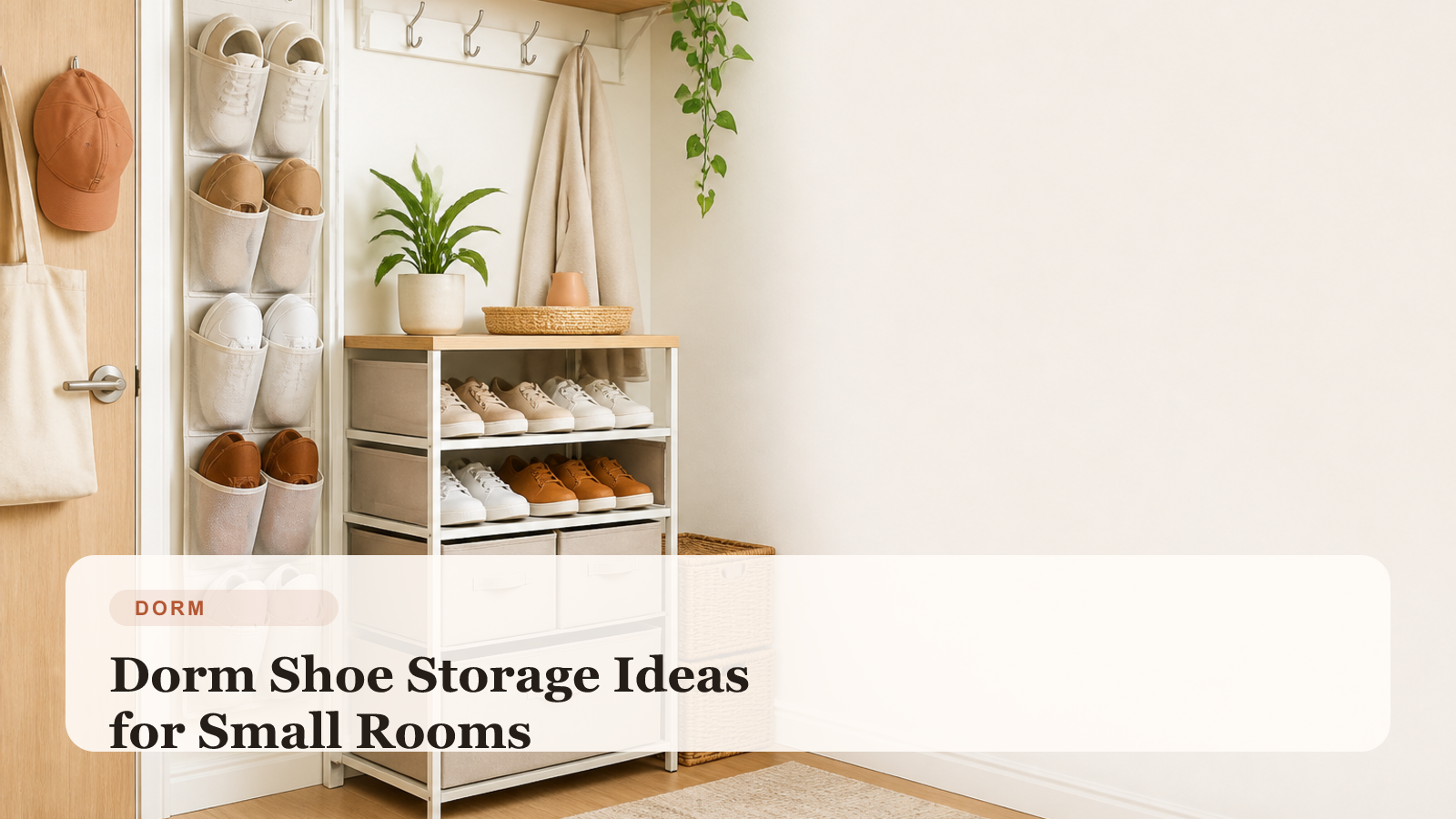
Dorm Shoe Storage Ideas for Small Rooms
This guide focuses on one common dorm mess: how to organize shoes so the floor stays clearer and the room feels easier to keep tidy.
Editorial note
TidyHaven guides are written for practical, renter-aware small-space living. Pages may be updated over time for clarity, freshness, and better real-world usefulness.