
Summer Dorm Desk Organization Ideas for Better Study Focus
Refresh a dorm desk for summer classes with renter-friendly organizers, better cable control, and small-space storage that keeps study sessions calmer.
Quick takeaways
- Use vertical and under-desk storage to maximize limited space.
- Choose multi-functional and affordable storage solutions designed for renters.
- Implement daily maintenance habits to keep your study space clutter-free.
- Incorporate personalized organization systems tailored to your study needs.
Assessing Your Desk Space and Study Needs
Begin by measuring your dorm room desk area accurately, including width, depth, and available wall space above or beside the desk. Typical dorm desks range from 30 to 48 inches wide and 18 to 24 inches deep, so knowing your exact dimensions helps in selecting tailored storage solutions. Identify the categories of study materials you use most frequently such as textbooks, notebooks, stationery, or digital devices. Prioritizing these will inform your storage choices and ensure easy access during focused study sessions.
- Measure desk surface and adjacent wall space (height and width).
- List study materials by frequency of use.
- Note any renter restrictions like no permanent wall fixtures.
Maximizing Vertical and Under-Desk Storage
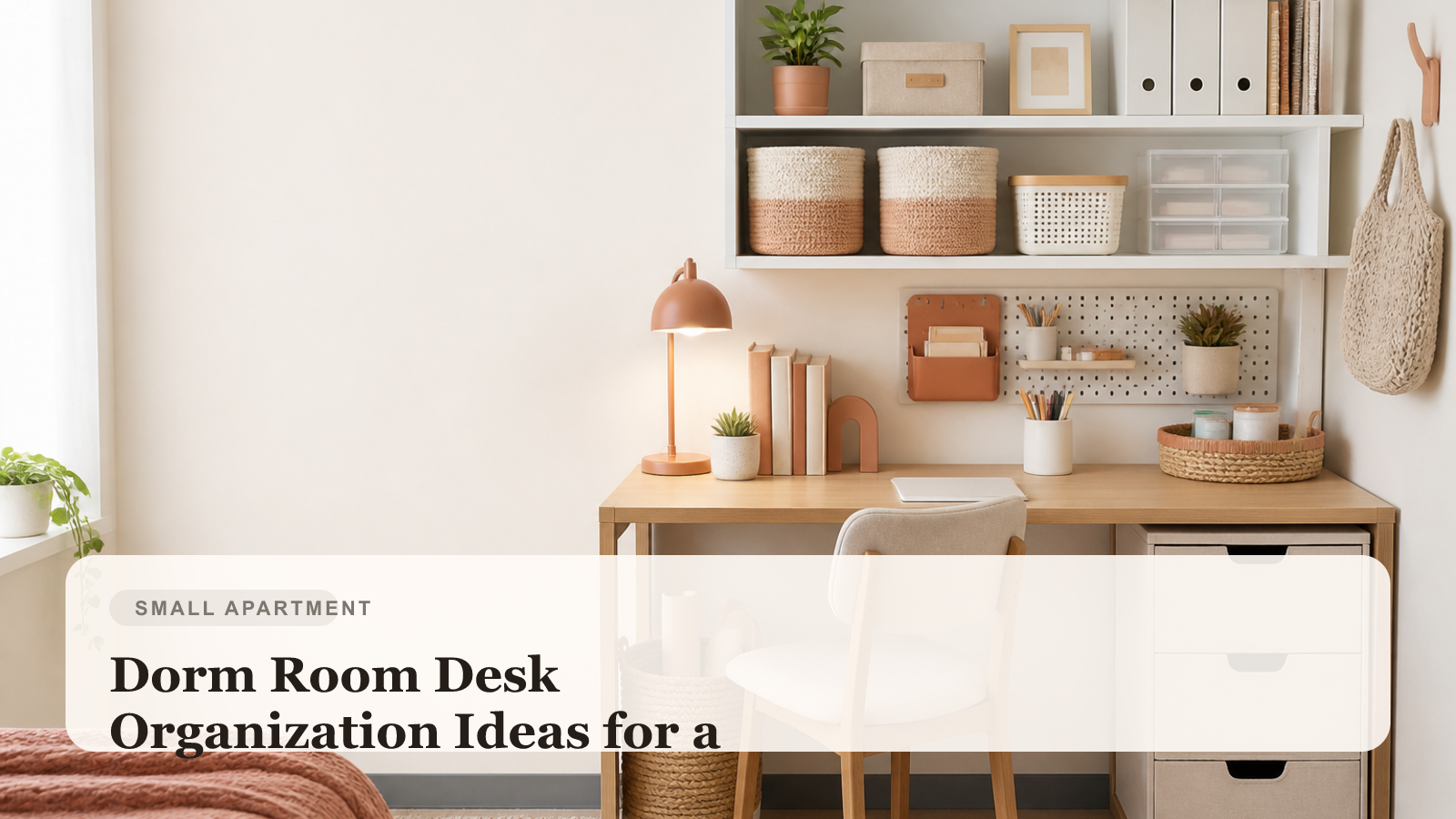
Utilizing vertical space is essential in small apartments and dorms where desk surface is limited. Consider renter-friendly options like tension rods or removable adhesive hooks to install lightweight shelves or pegboards without damaging walls. Under-desk storage solutions like slim rolling carts or stackable plastic bins (approximately 12” wide and 15” deep) can hold files and stationery supplies neatly while keeping the floor area uncluttered.
- Install removable wall-mounted shelves or pegboards.
- Use adhesive hooks for hanging planners or headphones.
- Place rolling carts or storage bins under the desk for extra storage.
Choosing Affordable and Multi-Functional Storage Tools
Opt for budget-conscious storage items that serve multiple purposes, such as a desk organizer with compartments for pens, sticky notes, and paper clips, or storage cubes that double as seating when needed. Inexpensive options from dollar stores or discount retailers often provide durable and versatile solutions. Stackable trays can organize documents by subject or priority, making it easier to maintain a tidy desk and avoid mixing papers, which is particularly helpful during busy summer study periods.
- Use compartmentalized desk organizers for small stationery.
- Select stackable trays for document segregation.
- Consider storage cubes that can also function as extra seating.
Implementing Daily Maintenance Habits for a Clutter-Free Desk
Establish a simple end-of-day routine to clear your desk surface and return items to their designated spots. This habit prevents clutter accumulation and maintains a focus-friendly environment, which is vital for productivity during summer studies. Use a timer or phone reminder to spend 5 minutes tidying the area daily. This consistent upkeep is more manageable and effective than periodic deep cleans, especially in tight dorm spaces.
- Spend 5 minutes daily organizing study materials.
- Return items to storage bins or organizers promptly.
- Discard or recycle unnecessary papers weekly.
- Set a daily reminder for desk cleanup.
- Remove all items from the desk surface.
- Sort items back into their designated storage containers.
- Wipe the desk surface if needed.
Customizing Organization for Your Study Style
Tailor your dorm room desk organization system to suit your study habits. Visual learners may benefit from color-coded folders and labeled containers, while those who prefer digital note-taking might allocate more space to chargers and devices. Invest time in setting up personalized storage categories such as ‘In-Progress Work,’ ‘Completed Assignments,’ and ‘Reference Materials,’ and select storage bins or trays that fit these divisions effectively to streamline your workflow.
- Use color-coded folders or labels for quick identification.
- Designate specific bins for different project stages.
- Allocate a charging station area for electronic devices.
- Analyze your preferred study workflow.
- Assign storage containers for each category.
- Label containers clearly.
- Regularly review and adjust categories as needed.
Incorporating Space-Saving Home Hacks for Apartments
Leverage everyday household items as unconventional storage solutions that protect your wallet and maximize space. For instance, use magnetic strips affixed under shelves to hold metal paper clips or scissors, or repurpose a muffin tin for organizing small office supplies. Consider foldable lap desks with built-in compartments that can be stored away when not in use, freeing up desk space and providing flexibility in where you study during the summer.
- Attach magnetic strips under shelves for metal accessories.
- Use muffin tins or ice cube trays for small item sorting.
- Choose foldable lap desks with storage for flexible study spots.
- Identify commonly misplaced small items.
- Select suitable household containers for organization.
- Designate specific spots for these items on or near the desk.
- Incorporate foldable furniture to enhance space flexibility.
Balancing Functionality and Aesthetics in Small Spaces
A visually appealing study area can boost motivation, but in small apartments and dorms, functionality cannot be sacrificed. Choose storage solutions with clean lines and neutral colors to keep the space feeling open and calm, enhancing focus without overwhelming the senses. Maintain a minimalist approach to desk decor by limiting items to essentials and incorporating a small plant or personal photo to create a pleasant environment without sacrificing valuable study space.
- Select neutral-colored and slim-profile storage items.
- Limit desk decor to one or two meaningful objects.
- Use cable organizers to keep electronic cords tidy and hidden.
Final thought
Creating an organized dorm room desk tailored to renter constraints and small apartment living requires intentional measurement, smart storage solutions, and consistent maintenance habits. By maximizing vertical space, choosing affordable multi-use organizers, and customizing your system to fit your study style, you can build a focused and efficient summer study space that supports productivity without sacrificing comfort or aesthetics.
Keep reading
Related guides worth reading next
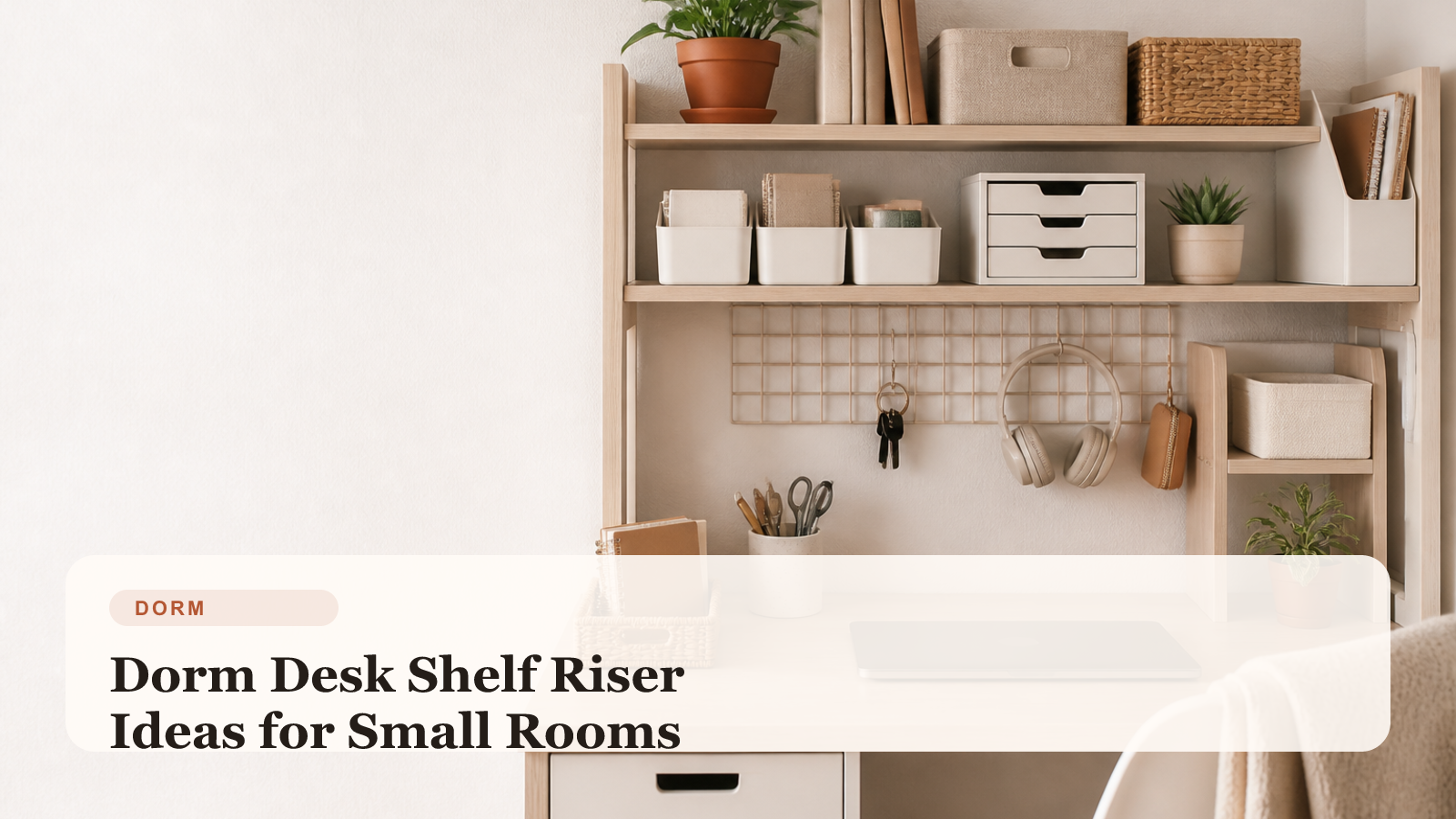
Dorm Desk Shelf Riser Ideas for Small Rooms
This guide focuses on one smart dorm desk upgrade: how a shelf riser can create more storage without turning a tiny study setup into visual clutter.

Dorm Move-In Packing Zone Ideas for Small Rooms
This guide focuses on one stressful dorm moment: how to build a packing zone that keeps move-in supplies, bedding, toiletries, and daily essentials easier to manage.

Dorm Shoe Storage Ideas for Small Rooms
This guide focuses on one common dorm mess: how to organize shoes so the floor stays clearer and the room feels easier to keep tidy.
Editorial note
TidyHaven guides are written for practical, renter-aware small-space living. Pages may be updated over time for clarity, freshness, and better real-world usefulness.