
Rental Closet Layout Ideas That Add Space Without Wall Damage
Plan a smarter rental closet layout with better zones, better shelf use, and more efficient hanging space without making permanent changes.
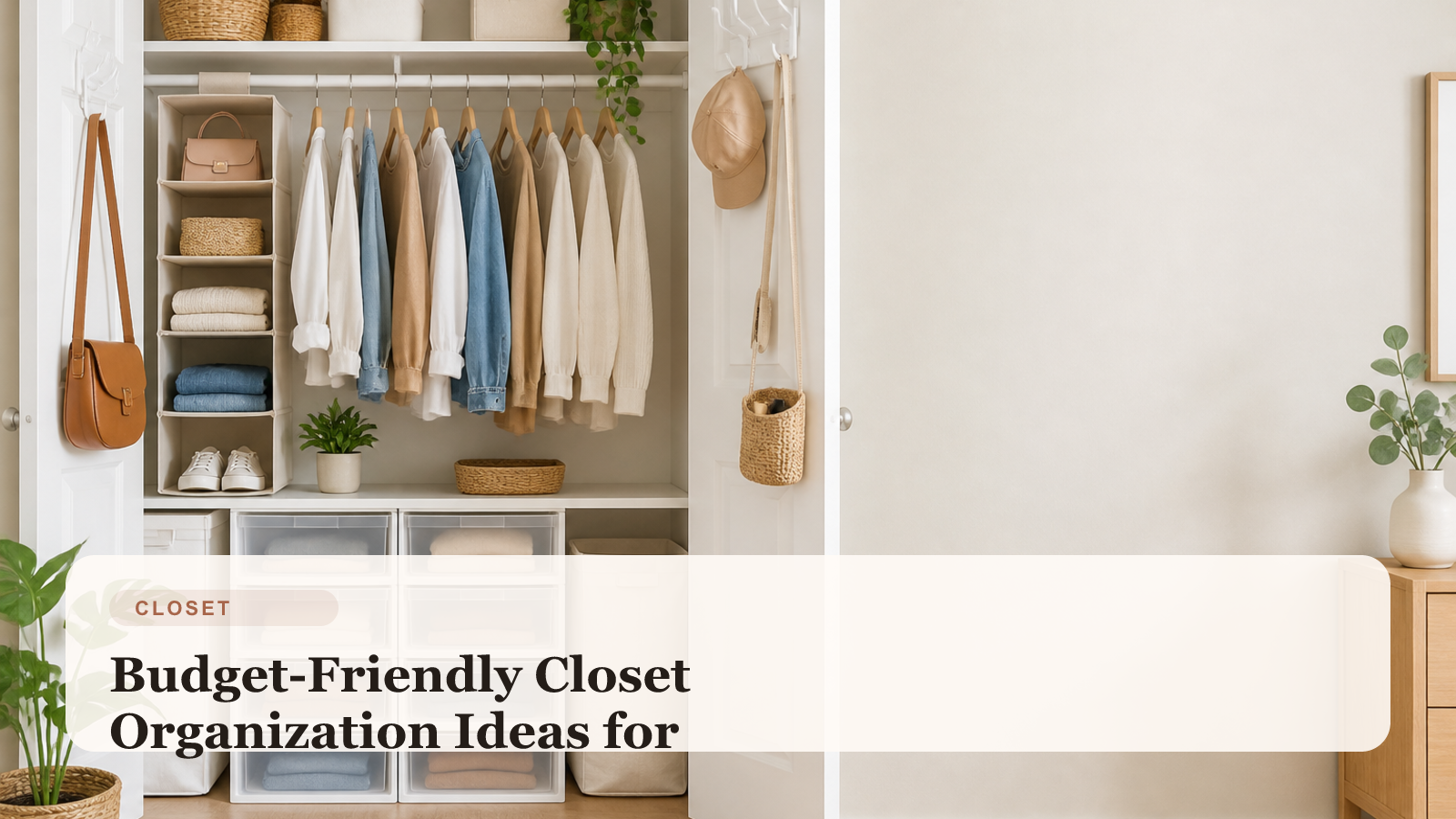
Quick takeaways
- Use tension rods and adjustable shelving to avoid wall damage.
- Incorporate vertical storage and underutilized spaces for maximum efficiency.
- Choose budget-friendly, multi-functional organizers ideal for rental closets.
- Implement maintenance habits to sustain organization in small spaces.
Start with closet layout before buying organizers
Before diving into organization products, it is worth fixing the layout itself. Many small closets feel cramped not because they are hopelessly tiny, but because hanging space, folded storage, shoes, and overflow items are all competing in the same zone. This article is about layout planning first: how to divide the closet so daily-use items stay accessible and awkward dead space gets used better.
Before buying anything, assess the size, shape, and features of your rental closet. Many rental units offer small closets with fixed shelving or limited hanging space. Measuring dimensions accurately, including height, width, and depth, will help you select appropriate organizers that fit without overcrowding.
- Measure closet dimensions precisely: height, width, depth
- Check lease for wall modification restrictions
- Note presence of fixed shelves or rods
- Assess natural lighting and airflow in the closet
Build a closet layout around clothing zones
A smarter layout usually starts with clear categories:
- daily hanging clothes
- folded items
- shoes
- accessories
- off-season or low-use storage
Once those categories are separated, it becomes much easier to decide where each one should live. That alone can make a closet feel less chaotic without buying much at all.
Maximize Vertical Space Without Damage
Vertical space is often underutilized in small rental closets. Using adjustable tension rods can create additional hanging layers for clothing without drilling. For example, installing a tension rod about 12-15 inches below the existing rod can double hanging capacity for shorter items like shirts and pants. Another approach is investing in freestanding vertical shelving units that fit inside the closet footprint. These units, ideally 12-18 inches wide, offer multiple shelves for folded clothes, shoes, and accessories. They can be moved easily when cleaning and cause no wall damage.
- Measure vertical clearance between existing closet rod and floor.
- Select a tension rod rated to hold your clothing weight.
- Install the rod ensuring it’s secure but without wall anchors.
- Place freestanding shelving unit on one side of the closet for folded items.
Budget Closet Storage Solutions That Work
When organizing on a budget, prioritize versatile and affordable storage options. Plastic or fabric bins around 12x16 inches are inexpensive and stackable, fitting neatly on shelves or closet floors for items like scarves, hats, or seasonal clothes. Investing in multipurpose organizers such as hanging shoe pockets or over-the-door racks—compatible with rental doors—adds functional storage without extra cost. Aim to keep individual item costs below $20 to maintain affordability while improving closet usability.
- Use clear plastic bins (12x16 inches) for visibility and stackability
- Hang over-the-door shoe organizers for footwear and small accessories
- Choose foldable fabric bins for lightweight, easy-to-store option
- Opt for affordable tension rods and expandable shelving from discount retailers
Rental Closet Hacks Using Non-Damaging Organizers
Renters can exploit clever hacks that avoid permanent fixtures. Command hooks and strips offer a damage-free way to hang lightweight bags, belts, or jewelry inside closets. Using removable adhesive hooks inside closet doors creates storage zones without drilling. Another hack is using adjustable closet dividers or shelf risers made from lightweight materials. These can be rearranged frequently as your storage needs change, offering flexibility uncommon with built-in storage while preserving the integrity of rental walls.
- Clean surface area before applying adhesive hooks for better hold.
- Space hooks evenly to prevent overcrowding.
- Use adjustable shelf risers to double shelf capacity.
- Regularly check and replace adhesive strips to maintain strength.
Utilize Underbed and Floor Space as Closet Extensions
In small apartments, floor space inside the closet is limited, so thinking beyond the closet itself is essential. Underbed storage containers, ideally no taller than 7 inches to fit standard bed clearance, can hold off-season clothing or bulky items, freeing closet space for daily use items. Similarly, low-profile rolling carts or stackable bins placed near the closet can act as accessible storage extensions. Prioritize wheeled units with locking casters to facilitate movement and prevent accidental shifting.
- Choose underbed bins with transparent lids for easy identification
- Use rolling carts with 2-3 tiers for shoes or folded clothes
- Label containers to streamline retrieval and maintenance
- Opt for stackable bins that fit closet floor dimensions
Maintenance Tips to Sustain Closet Organization
Keeping your rental closet organized requires regular upkeep. Schedule monthly 10-15 minute tidy-ups to remove unworn clothes and reorganize bins. This prevents clutter from accumulating and preserves available space. Additionally, maintain cleaning habits such as vacuuming closet floors and wiping down organizers to avoid dust buildup. These small efforts extend the lifespan of your storage solutions and keep your closet inviting.
- Set a recurring calendar reminder for monthly closet tidying.
- Sort clothes by frequency of use to optimize access.
- Dust and clean storage bins and shelves during tidying.
- Donate or store unused items seasonally to maintain space.
Final thought
Maximizing your closet space as a renter is not only about buying bins or hooks. It is about creating a layout that gives each category a real home. Once the zones are clear, budget-friendly organizers start working much harder and the closet stays easier to maintain without permanent changes.
Keep reading
Related guides worth reading next
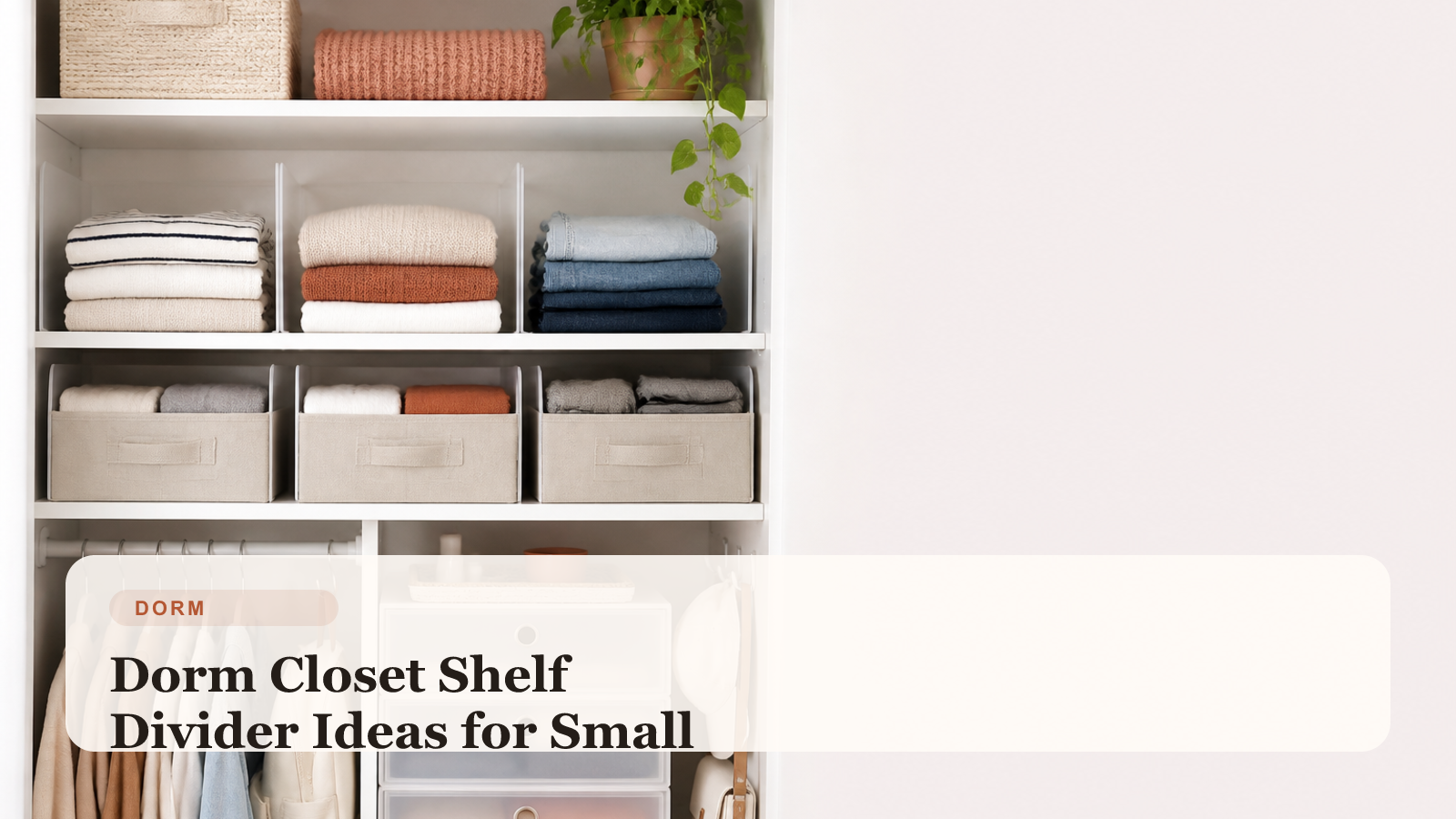
Dorm Closet Shelf Divider Ideas for Small Rooms
This guide focuses on one tricky dorm closet problem: how to use shelf dividers and simple layout rules to keep clothing stacks from becoming clutter.
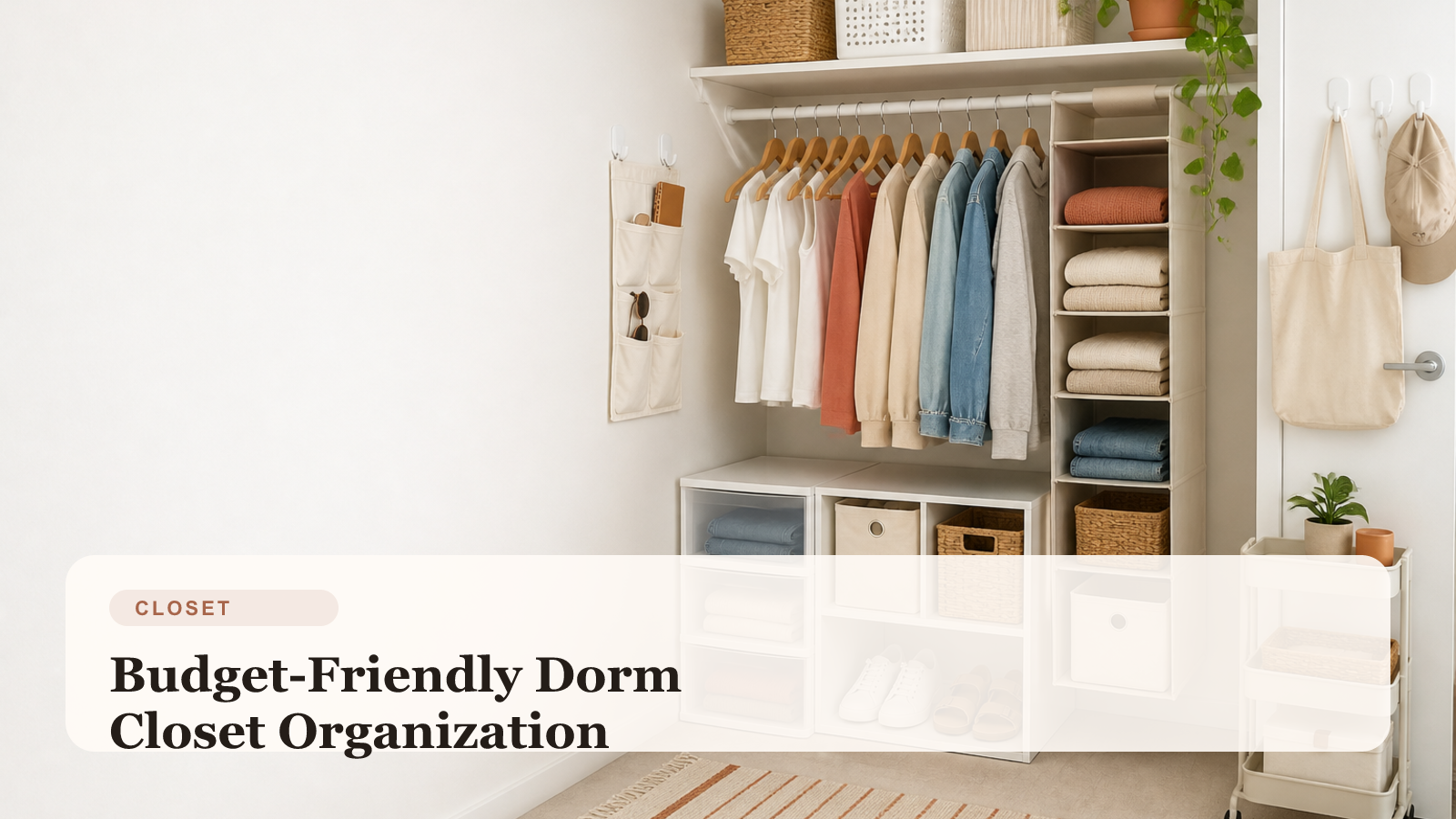
Budget-Friendly Dorm Closet Organization for Summer Move-In
Set up a small dorm closet with budget-friendly organizers that keep clothes, shoes, and daily essentials easier to find during move-in season.
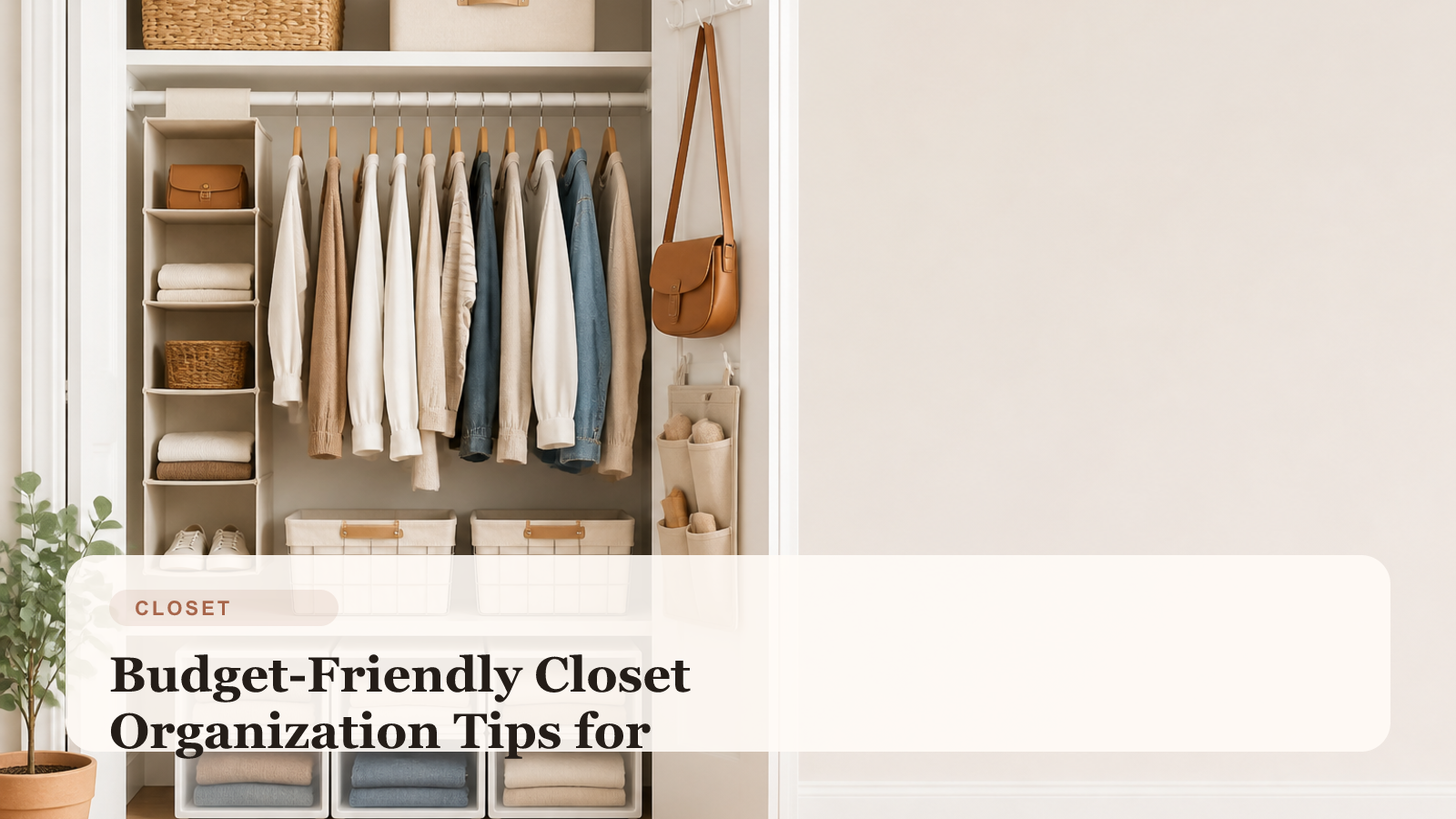
Budget-Friendly Closet Organization Tips for Renters to Maximize Small Spaces
Maximize your rental closet space with budget-friendly organization tips designed specifically for small apartments. Learn renter-friendly hacks and affordable storage ideas that keep your closet neat and accessible without risking your security deposit.
Editorial note
TidyHaven guides are written for practical, renter-aware small-space living. Pages may be updated over time for clarity, freshness, and better real-world usefulness.