
Budget-Friendly Dorm Closet Organization for Summer Move-In
Use renter-safe dorm closet organizers, slim hangers, and low-cost storage bins to make move-in week feel easier in a small room.

Quick takeaways
- Use multi-functional storage to maximize limited closet space.
- Choose budget-friendly and renter-approved organizers that don’t require permanent modifications.
- Implement daily and weekly maintenance habits for sustained organization.
- Prioritize categorization by item type and usage frequency for easy access.
- Incorporate vertical storage solutions and portable organizers to save floor space.
Understanding Renter Constraints and Closet Dimensions
Before diving into organization, it’s crucial to assess your dorm closet’s dimensions and any restrictions imposed by your rental agreement. Most dorm closets are compact, usually around 24-30 inches wide, with a hanging rod positioned 60-65 inches from the floor, limiting vertical storage options. Given these parameters, avoid permanent fixtures like nails or drilling holes. Instead, focus on non-invasive solutions such as tension rods, adhesive hooks, and free-standing organizers that comply with renter policies.
- Typical dorm closet width: 24-30 inches
- Hanging rod height: 60-65 inches
- Avoid permanent modifications (no drilling or nails)
- Check with dorm policies for allowed adhesives and fixtures
Maximizing Vertical Space with Budget-Friendly Solutions
Vertical space is often underutilized in small closets. Adding tiered shelving units or hanging organizers can double usable storage without occupying floor space. For example, inexpensive hanging shelves priced around $15-$25 can store folded clothes or accessories efficiently. Utilize the back of the closet door by installing an over-the-door organizer to hold shoes, toiletries, or small items. These cost-effective organizers usually range from $10-$20 and require no permanent installation.
- Measure door width to ensure organizer compatibility (typically 24-30 inches).
- Select a hanging shelf with compartments sized 10-12 inches wide for folded items.
- Position the organizer at eye level for easy access to frequently used items.
- Use labeled bins or baskets inside shelves to categorize belongings.
Incorporating Multi-Functional and Portable Storage
Multi-functional furniture pieces, such as under-bed storage bins with wheels, can serve as additional closet space during summer move-in. These bins typically measure 30-36 inches long, 15-20 inches wide, and 6-8 inches high, fitting neatly under most dorm beds. Portable storage options like collapsible fabric cubes or stackable drawers offer flexibility to rearrange your space as needed. These items are affordable, usually under $20 per unit, and can be packed away at move-out without damage.
- Under-bed storage dimensions: approx. 30x15x6 inches
- Collapsible fabric cubes cost around $10-$15 each
- Stackable plastic drawers can be combined vertically
- Portable units avoid permanent closet modifications
Smart Categorization Strategies for Easy Access
Categorizing items by type and frequency of use simplifies daily routines and keeps your closet manageable. Group hanging clothes by season or function—e.g., summer tops on one side and jackets on the other. Fold smaller, less frequently worn items like workout gear or pajamas in baskets or bins labeled clearly. This reduces clutter and helps maintain order throughout the semester.
- Sort clothing into categories: everyday wear, seasonal, formal, and accessories.
- Use matching hangers to maintain uniformity and save space (slim velvet hangers are ~$10 for 10).
- Designate labeled bins for folded items positioned on shelves or within hanging organizers.
- Reassess categories monthly and remove unused items to prevent overcrowding.
Maintaining Organization with Daily and Weekly Habits
Sustaining closet organization is easier when you develop simple maintenance routines. Daily, take 5 minutes to put clothes back in their designated spots rather than piling them on surfaces. Weekly, perform a quick visual scan to ensure bins are tidy and no items have migrated out of place. These habits prevent clutter buildup and extend the lifespan of your organizational setup.
- Daily: Hang or fold clothes immediately after use
- Weekly: Reorganize bins and remove any misplaced items
- Monthly: Donate or store out-of-season clothes to keep closet light
- Use reminders on your phone or planner to maintain consistency
Affordable Materials and Where to Source Them
Finding budget-friendly materials is key for renters, especially students. Dollar stores, discount retailers, and online marketplaces offer affordable organizers, hooks, and storage bins typically priced between $5-$20. Consider repurposing household items such as shoeboxes for drawer dividers or using fabric scraps to create DIY dust covers. Thrift stores often have inexpensive baskets and containers that can be adapted for closet use.
- Identify the types of organizers needed based on your categorization (bins, hooks, shelves).
- Research local dollar stores and online sellers like Amazon or Walmart for price comparisons.
- Evaluate repurposing opportunities with existing household items before purchasing new.
- Purchase only items that comply with dorm rules and can be easily removed at move-out.
Creating a Functional Closet Layout for Quick Access
Designing your closet layout with function in mind reduces frustration during busy mornings. Keep everyday items within arm’s reach and store less-used items higher or lower in the closet space. Use color-coded hangers or bins to visually separate categories, speeding up selection and maintaining order. Allow at least 2 inches between hangers to prevent clothes from overcrowding and wrinkling.
- Place daily-use clothes at mid-level height (4-5 feet from floor)
- Store seasonal or rarely used items on top shelves or under-bed bins
- Use color coding for categories to enhance visual organization
- Maintain 2-inch spacing between hangers to preserve garment shape
Final thought
Efficient closet organization in a dorm setting hinges on understanding space limitations, renter-friendly solutions, and consistent maintenance. By leveraging vertical space, multi-functional storage, and clear categorization, you can transform a small dorm closet into a tidy, accessible area without expensive investments or permanent modifications. Regular upkeep further ensures your organization lasts all semester, making daily routines smoother and your living space more enjoyable.
Keep reading
Related guides worth reading next
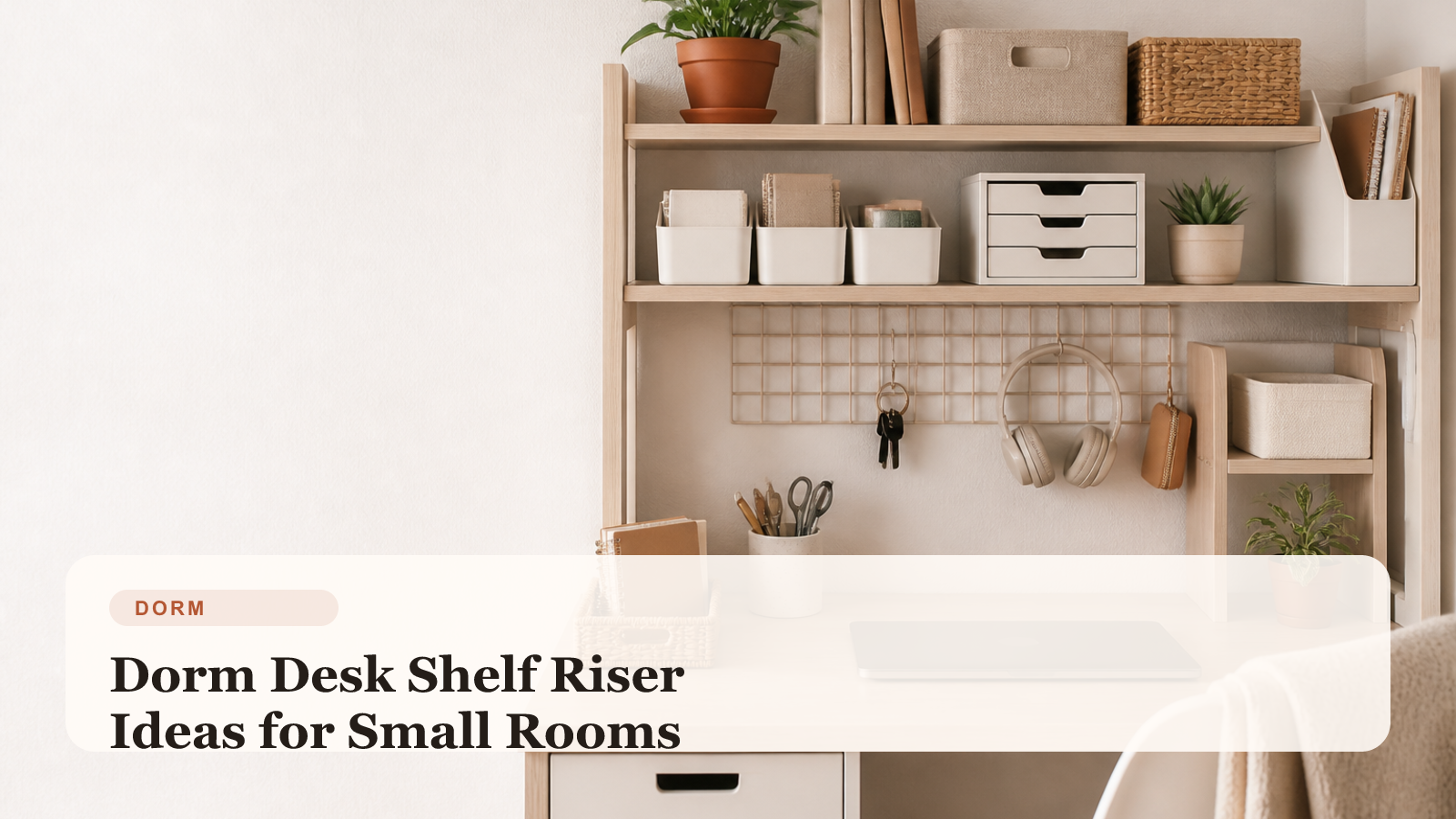
Dorm Desk Shelf Riser Ideas for Small Rooms
This guide focuses on one smart dorm desk upgrade: how a shelf riser can create more storage without turning a tiny study setup into visual clutter.
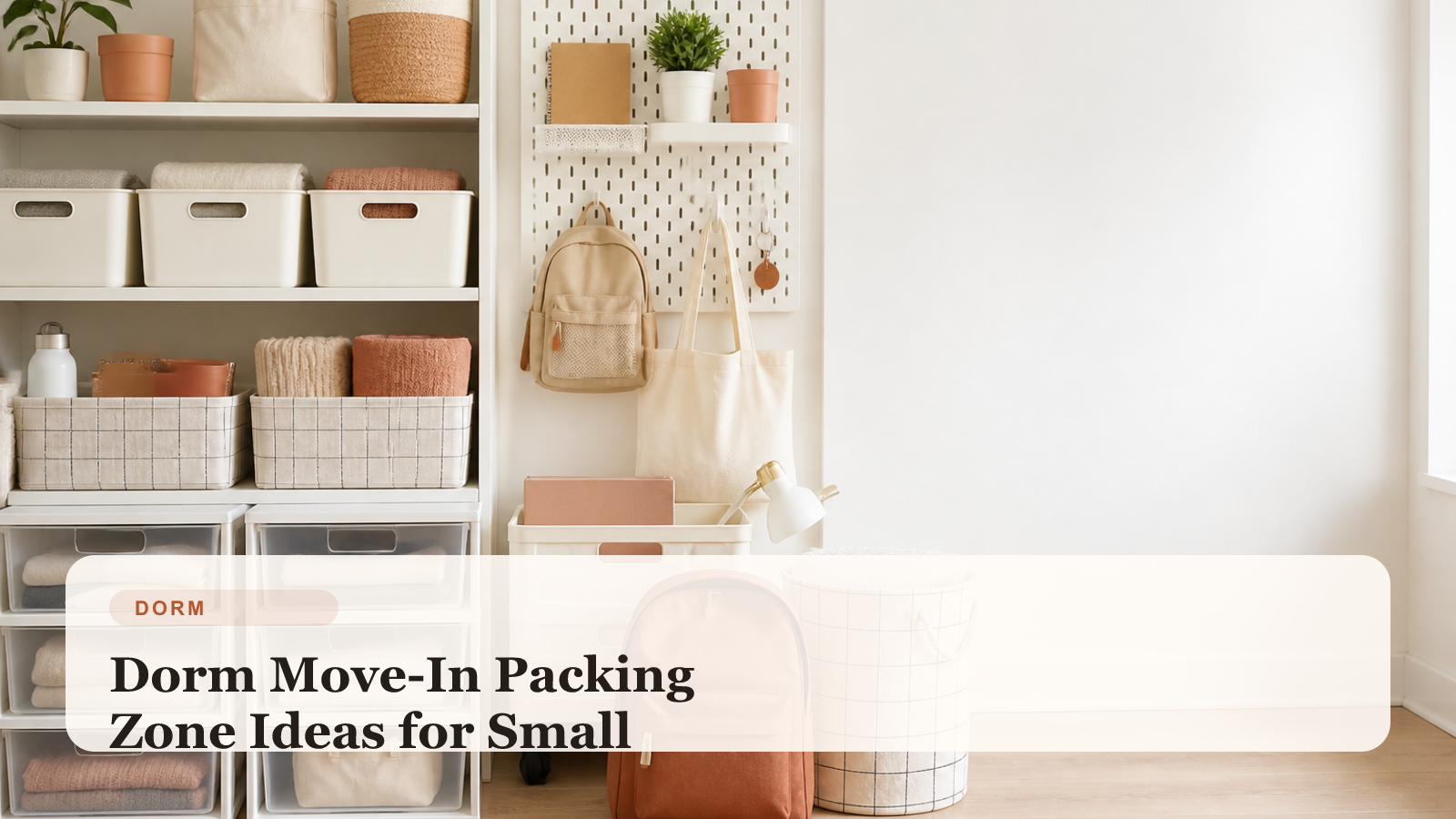
Dorm Move-In Packing Zone Ideas for Small Rooms
This guide focuses on one stressful dorm moment: how to build a packing zone that keeps move-in supplies, bedding, toiletries, and daily essentials easier to manage.
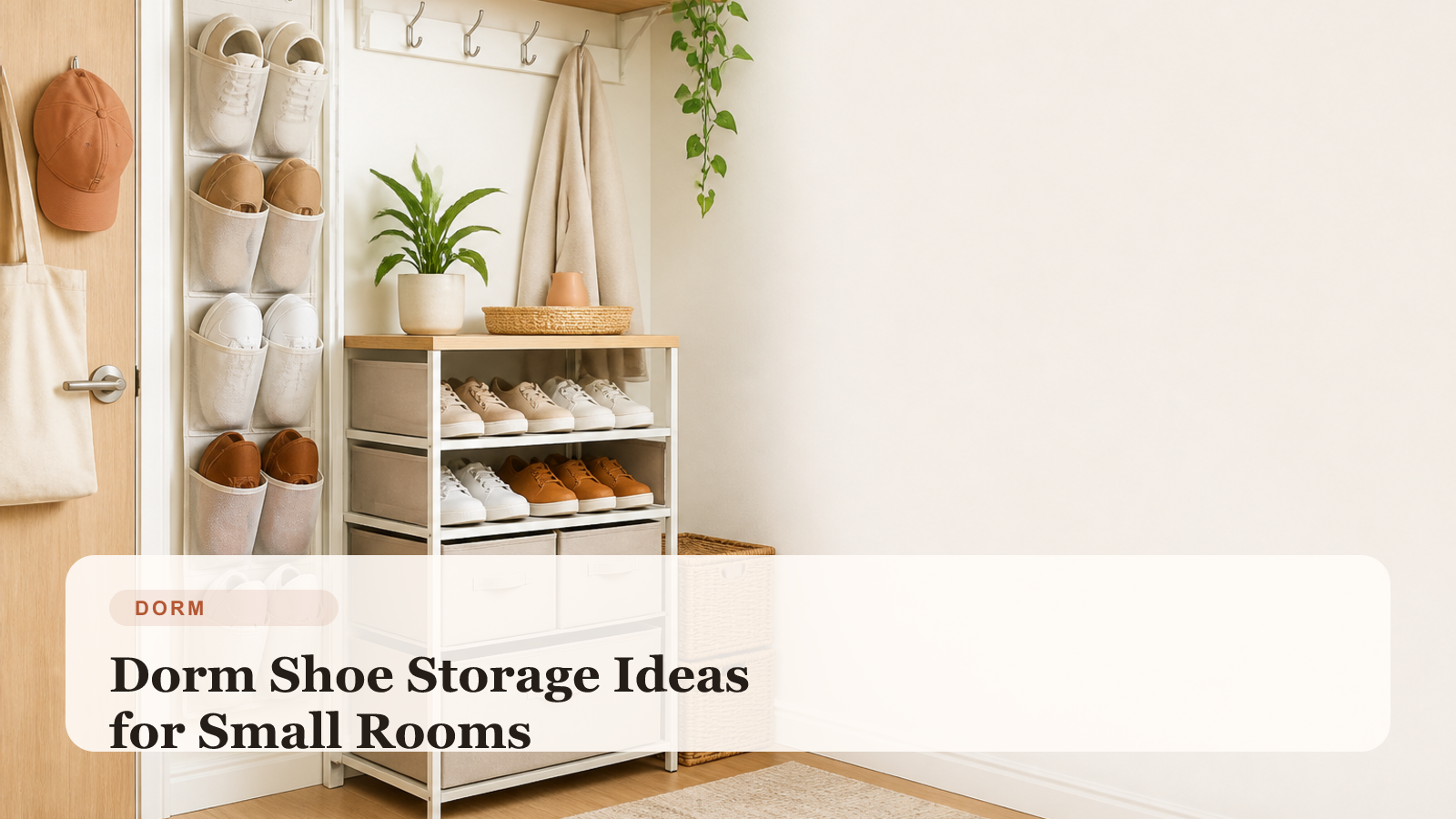
Dorm Shoe Storage Ideas for Small Rooms
This guide focuses on one common dorm mess: how to organize shoes so the floor stays clearer and the room feels easier to keep tidy.
Editorial note
TidyHaven guides are written for practical, renter-aware small-space living. Pages may be updated over time for clarity, freshness, and better real-world usefulness.