
Dorm Move-In Packing Zone Ideas for Small Rooms
Set up a dorm move-in packing zone with labeled bins, floor categories, and easy grab-and-load steps that make small-room move-in less chaotic.
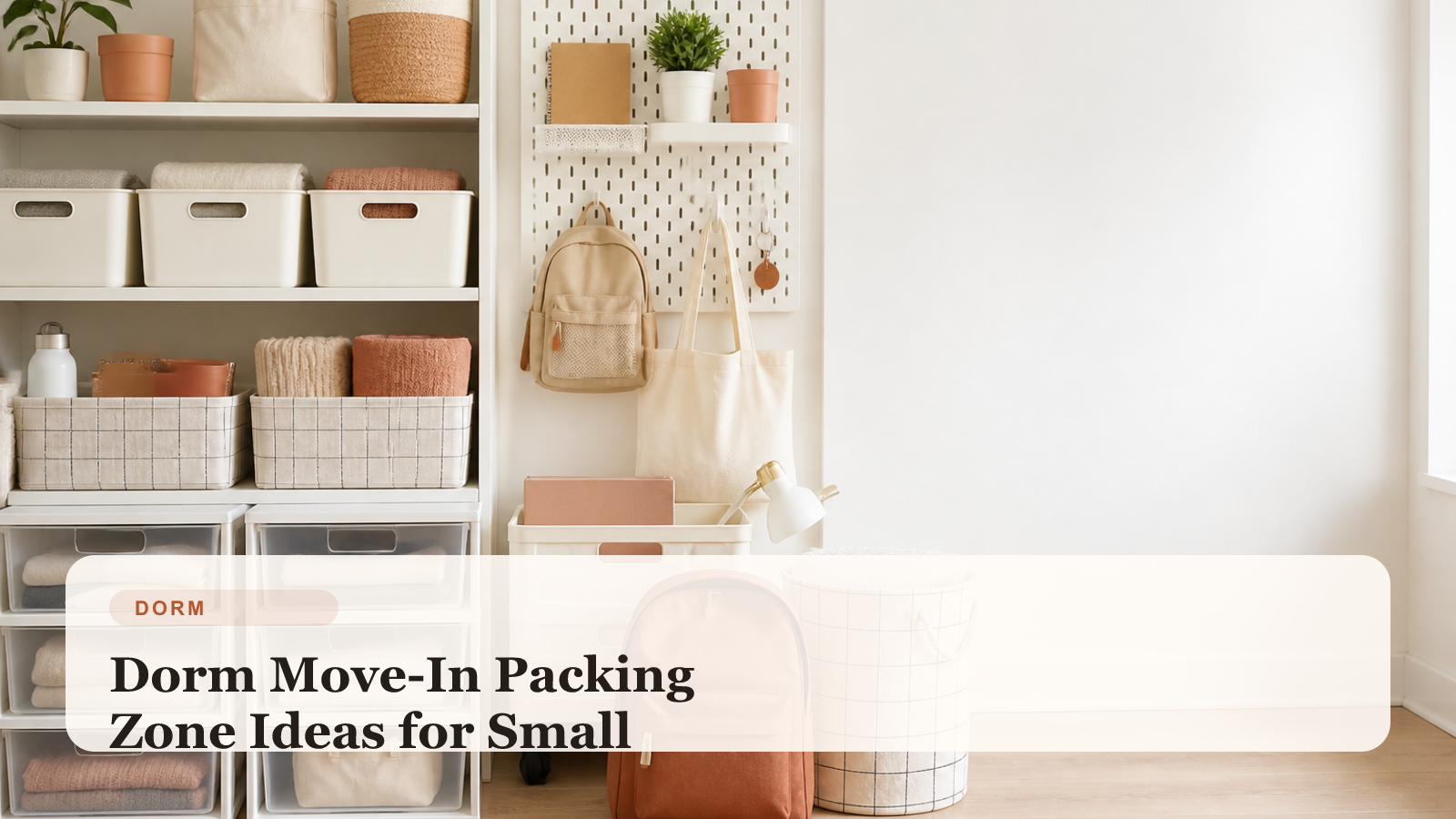
Quick takeaways
- A dorm packing zone works best when categories are visible before move-in day starts.
- Soft goods, bathroom items, and daily essentials should not all load together in random bags.
- One open floor zone can reduce move-in stress more than buying extra containers.
- Packing for setup order matters as much as packing for quantity.
Dorm move-in can feel chaotic fast because the problem is not just what to bring. It is how everything gets grouped, loaded, unloaded, and found again inside a very small room. Bedding ends up mixed with bathroom supplies, snacks get packed beside cords, and the first hour in the dorm turns into a scavenger hunt instead of a setup process.
That is why a packing zone helps. It gives move-in items one temporary system before the room is even assembled. Instead of packing by whatever bag is available, you pack by use and setup order, which makes the whole day smoother.
This guide focuses on one clear search intent: dorm move-in packing zone ideas for small rooms. The goal is to create a realistic staging system that makes unpacking faster and helps the room come together in the right order.
Pick one open staging area before you start packing
The easiest way to improve move-in organization is to claim one place where all dorm items get sorted before they are loaded.
That could be:
- part of a bedroom floor
- a cleared hallway wall
- one side of the living room
- a garage or entry area with enough space
What matters is that the categories stay visible. When move-in items are packed directly from scattered rooms around the house, the process becomes harder to control.
Build categories around setup order, not just product type
A lot of move-in packing goes wrong because the categories make sense in theory but not in use. Instead of packing only by object type, group items by the order they will matter once you arrive.
A stronger packing-zone split often looks like:
- first-hour essentials
- bedding and sleep setup
- bathroom and shower kit
- desk or study supplies
- snacks and convenience items
- clothing and closet setup
This helps because the first categories you need are not buried under low-priority items.
Keep first-hour essentials in one clearly labeled container
The first hour in the dorm usually needs:
- phone charger
- wallet or ID
- water bottle
- paper towels or wipes
- scissors or box cutter
- basic toiletries
- one change of clothes
These items should not disappear into a larger move-in pile. One tote, duffel, or caddy labeled for immediate access makes the arrival much less stressful.
Separate soft goods from hard supplies
Bedding, towels, and soft storage items are flexible, but they also create visual bulk. If they are mixed with harder supply categories, they become harder to unpack in the right order.
Try keeping:
- bedding bundled together
- towels together
- desk and utility items in sturdier bins
- toiletries in one caddy or basket
This keeps the room from filling with mixed piles as soon as the bags open.
Give bathroom and shower supplies their own move-in zone
Dorm bathrooms often require a different setup than the room itself, especially if the bathroom is shared. That means those items should travel together.
A useful bathroom packing zone often includes:
- shower caddy
- soap and personal care
- flip-flops
- extra towels
- bathroom cleaning basics if needed
This category should not be broken apart between luggage pockets. If the bathroom setup is easy to find, one major stress point disappears quickly.
Use visible labels, not memory
Move-in days create enough noise and distraction that memory is not reliable. A simple label on each bag or bin helps more than people expect.
Helpful labels include:
- first hour
- bedding
- desk setup
- closet
- bathroom
- snacks
They do not need to be beautiful. They just need to make the categories obvious at a glance.
Pack the room like a sequence, not a storage puzzle
The room usually comes together in this kind of order:
- claim the space
- set up the bed
- get bathroom and daily essentials visible
- build the desk zone
- handle clothing and storage overflow
If the packing zone follows that sequence, unpacking becomes much easier. You are not trying to fully solve the room in one move. You are building the room in layers.
Keep “maybe” items out of the main move-in zone
One reason packing zones become overwhelming is that uncertain items keep getting added:
- decor you are not sure about
- duplicates
- backup convenience items
- random storage gadgets
Put these in a lower-priority “maybe” category or leave them out entirely at first. A smaller, more certain move-in load almost always works better.
Reset the packing zone once the room is functioning
The packing zone is a temporary system, not a permanent holding area. Once the dorm is functional:
- break down empty bags and boxes
- move any leftover overflow into real room storage
- remove unnecessary duplicates
- note what the room still truly needs
This keeps move-in clutter from becoming the room’s starting baseline.
What to avoid with dorm packing zones
Avoid:
- packing by random bag instead of by setup order
- mixing first-hour items into larger bins
- carrying too many “just in case” extras
- skipping labels
- unpacking everything at once without category order
The best move-in systems feel simple, visible, and easy to follow under pressure.
Final thought
Dorm move-in packing zone ideas work best when the goal is to reduce confusion, not to create a perfect system. One clear staging area, visible labels, and packing by setup order can make a small dorm room come together much faster. When the first part of move-in feels calmer, the rest of the room is easier to organize from the start.
Keep reading
Related guides worth reading next
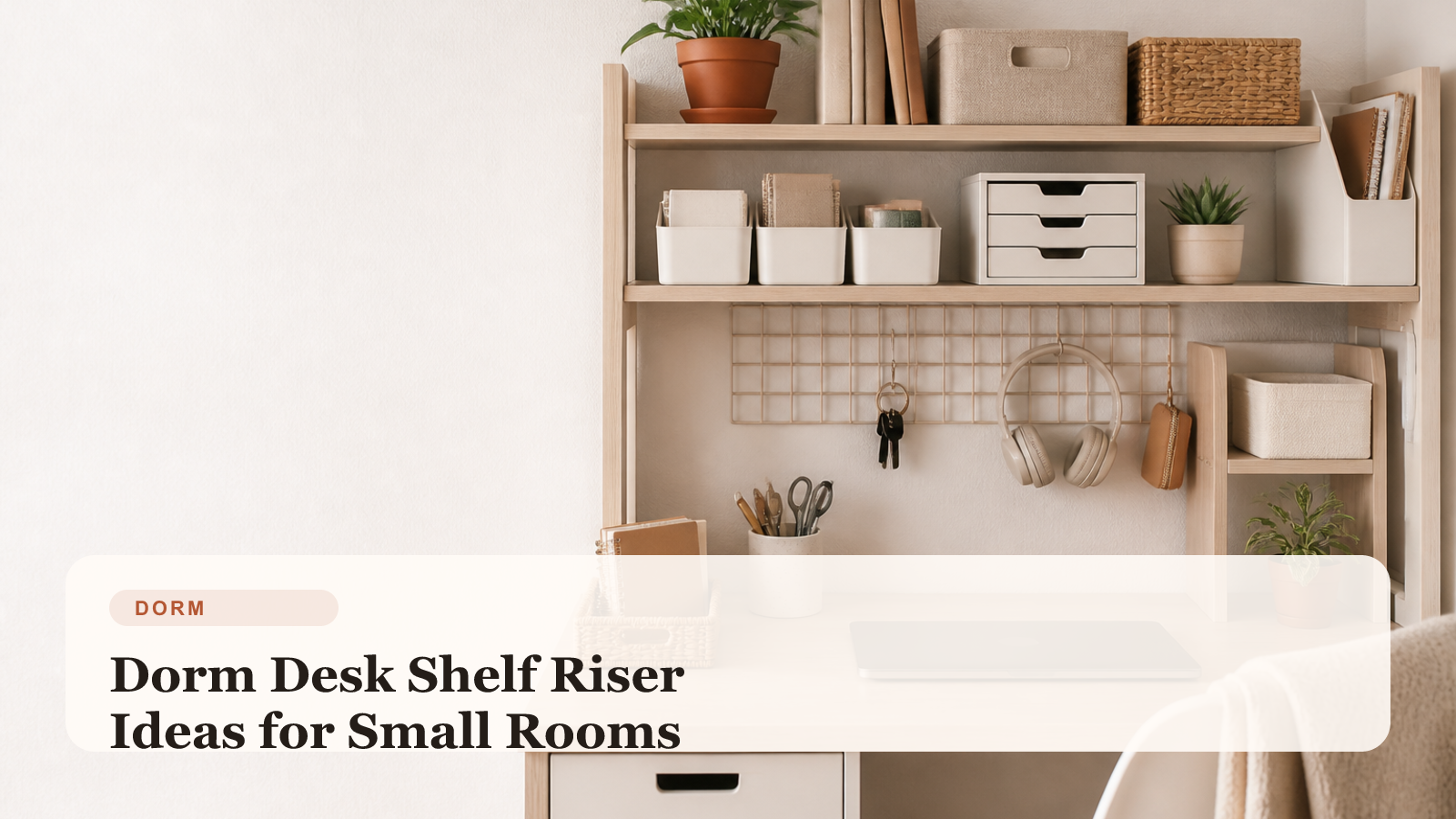
Dorm Desk Shelf Riser Ideas for Small Rooms
This guide focuses on one smart dorm desk upgrade: how a shelf riser can create more storage without turning a tiny study setup into visual clutter.
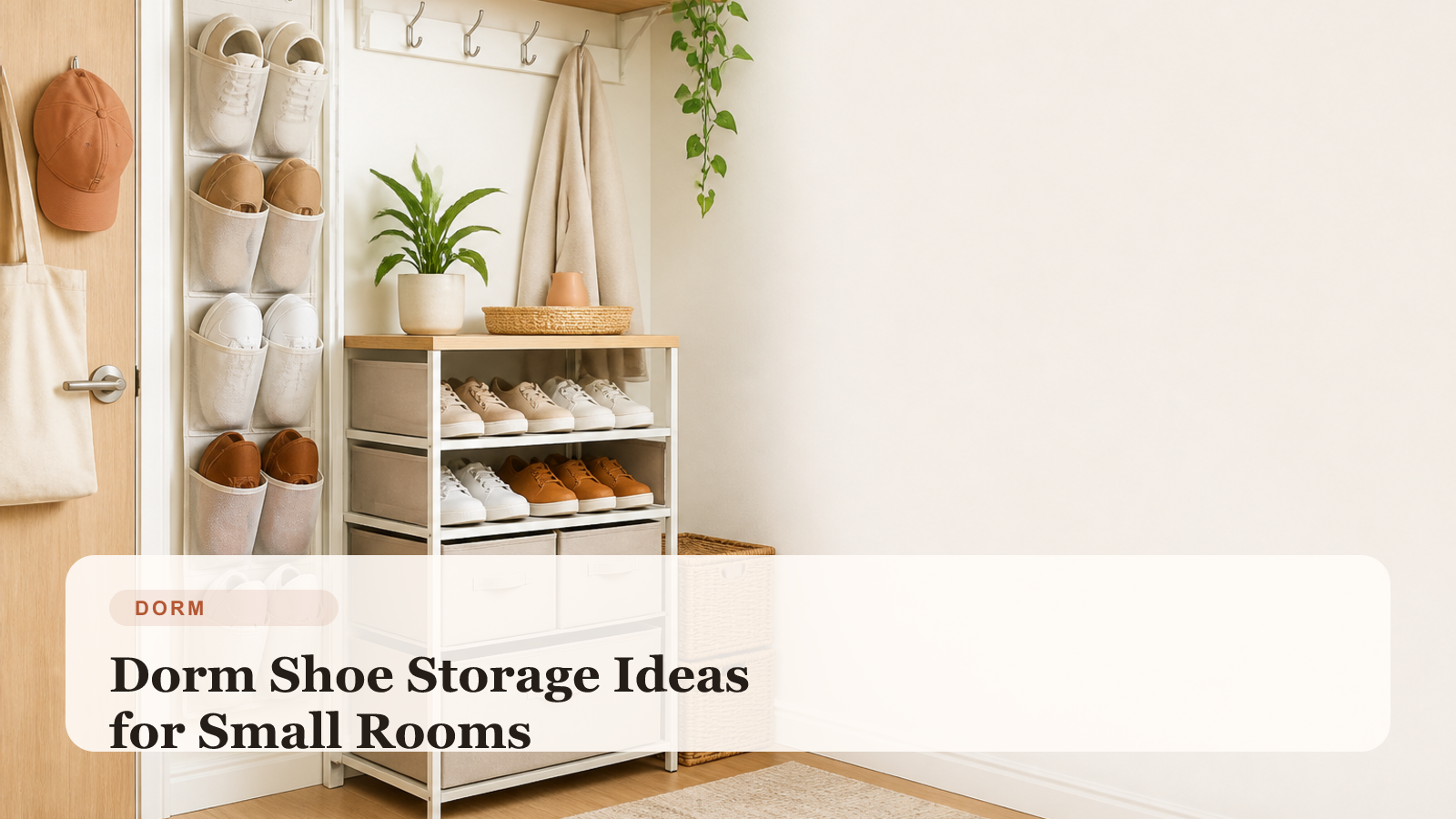
Dorm Shoe Storage Ideas for Small Rooms
This guide focuses on one common dorm mess: how to organize shoes so the floor stays clearer and the room feels easier to keep tidy.
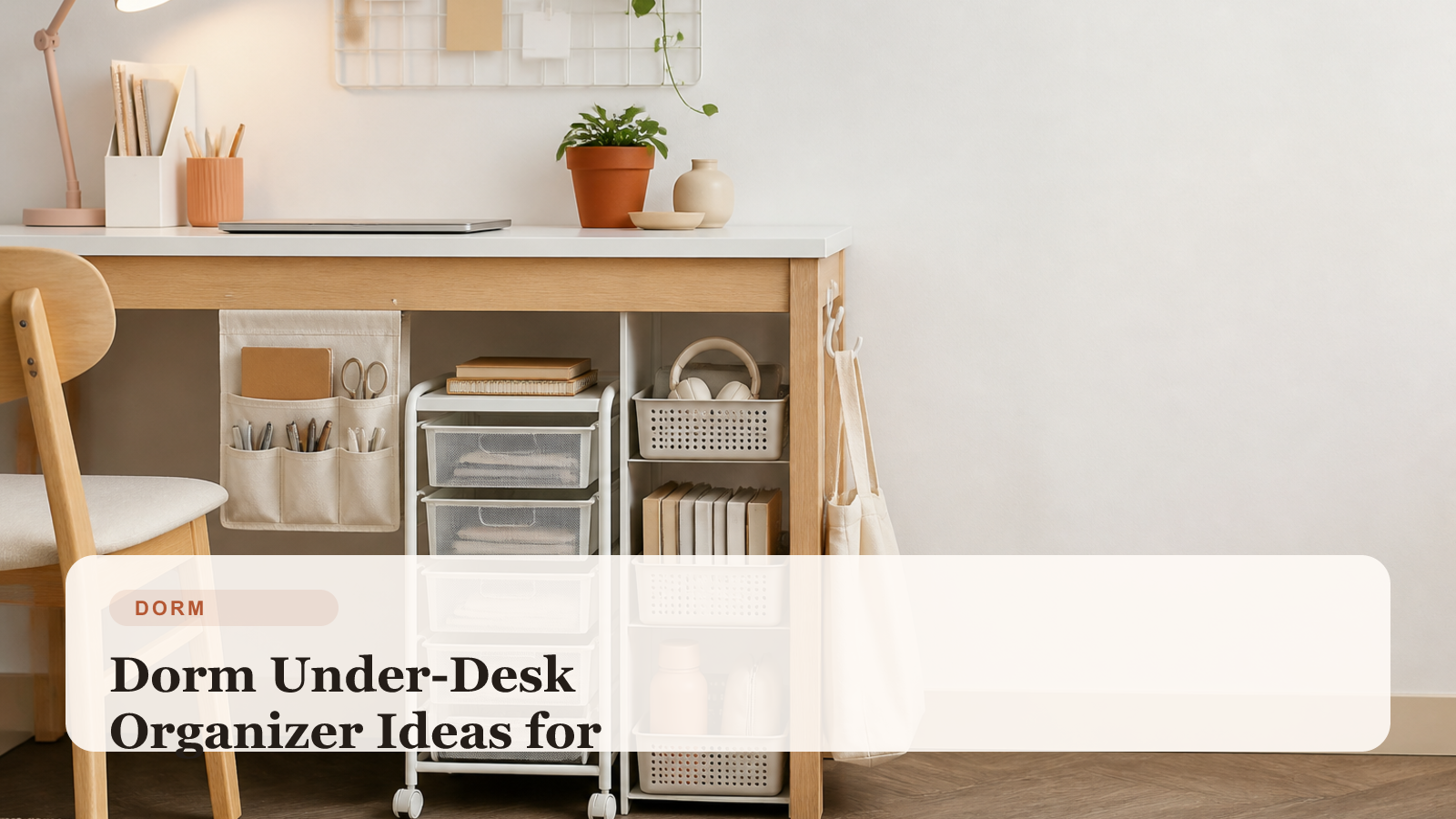
Dorm Under-Desk Organizer Ideas for Small Rooms
This guide focuses on one smart dorm zone: how to use under-desk organizers so study supplies stop spreading across the room.
Editorial note
TidyHaven guides are written for practical, renter-aware small-space living. Pages may be updated over time for clarity, freshness, and better real-world usefulness.