
Budget Pantry Organization Ideas That Make Cooking Easier
Create a tidy, low-cost pantry using labels, repeat containers, and simple food zones that save time during the week.
Quick takeaways
- Sort food by use, not by packaging shape.
- A few repeated containers look calmer than many random ones.
- Use labels to reduce food waste and duplicate purchases.
A pantry works best when it answers three questions instantly: what do I have, where does it go, and what needs to be used first? If you cannot answer those without digging, the pantry will keep getting messy no matter how often you reorganize.
Start with a fast edit
Take everything out and make four groups:
- Everyday cooking
- Snacks and lunch items
- Baking and backup ingredients
- Donate or toss
This step reveals duplicates, expired food, and categories that need more or less space than you thought.
Create zones that match your routine
The most helpful pantry layouts are based on how you cook and shop. Keep your weekly staples together so grabbing dinner ingredients feels automatic.
Useful pantry zones include:
- Breakfast
- Pasta, rice, and grains
- Canned goods
- Snacks
- Baking
- Backstock
If you live in a small apartment, it helps to put backstock on the highest shelf so the items you use every week stay visible.
Buy containers strategically
You do not need to decant everything. Start with the foods that create the most visual mess or spill easily:
- Flour
- Sugar
- Rice
- Oats
- Cereal
- Crackers
Choose container shapes that stack well and fit your shelves. Repeating two or three styles usually works better than a dozen different sizes.
Use bins to group loose packaging
Bins are especially helpful for small packaged items that slide around or disappear behind bigger boxes. They also make it easier to pull out an entire category at once.
Try bins for:
- Sauce packets
- Granola bars
- Chips
- Baking extras
- Tea and drink mixes
Label the front, not the lid
Front-facing labels save time because you see them when standing in front of the shelf. Labels also help other people in the home put items back correctly.
Keep the wording simple:
- Pasta
- Lunch snacks
- Baking
- Soup
- Use first
Add one friction-reducing zone
If you have a shelf or basket that repeatedly gets chaotic, convert it into a flexible helper zone. Good options are:
- A “use first” bin for half-open packages
- A weekly meal bin for upcoming dinners
- A snack refill basket for school or work lunches
These small systems help prevent waste and make the pantry easier to maintain midweek.
Reset with a quick weekly check
Once a week, spend five minutes on:
- Moving older items forward
- Tossing packaging crumbs or empty boxes
- Refilling your snack or breakfast bins
- Adding urgent staples to the shopping list
Final thought
Budget pantry organization is not about a picture-perfect result. It is about removing the little delays that make cooking feel harder than it should. A simple layout, repeated bins, and clear labels can completely change how the space functions.
Keep reading
Related guides worth reading next
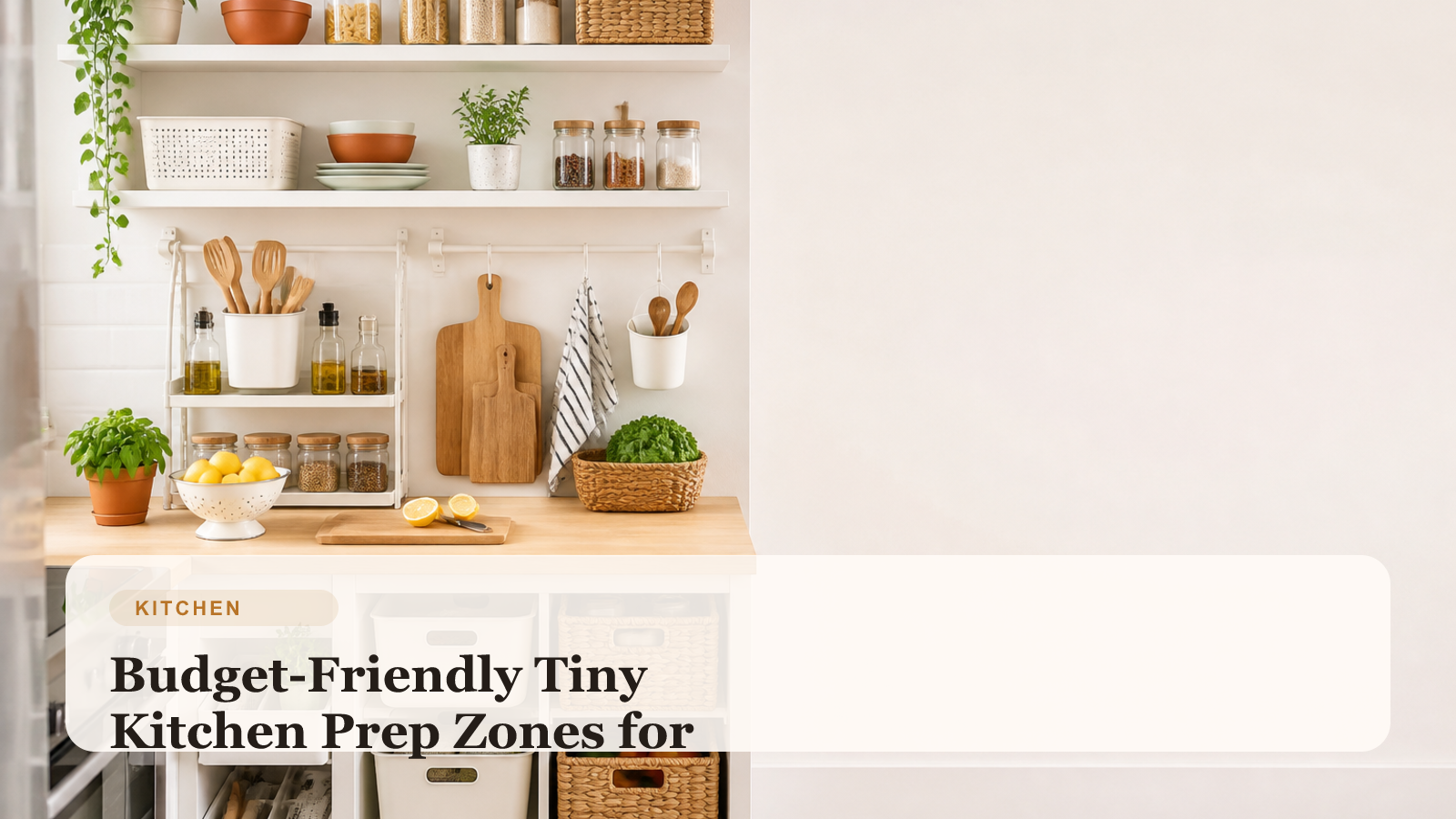
Tiny Kitchen Prep Zones for Easier Summer Cooking
Create better prep zones in a tiny kitchen with budget-friendly storage ideas that make summer cooking feel less crowded and more practical.
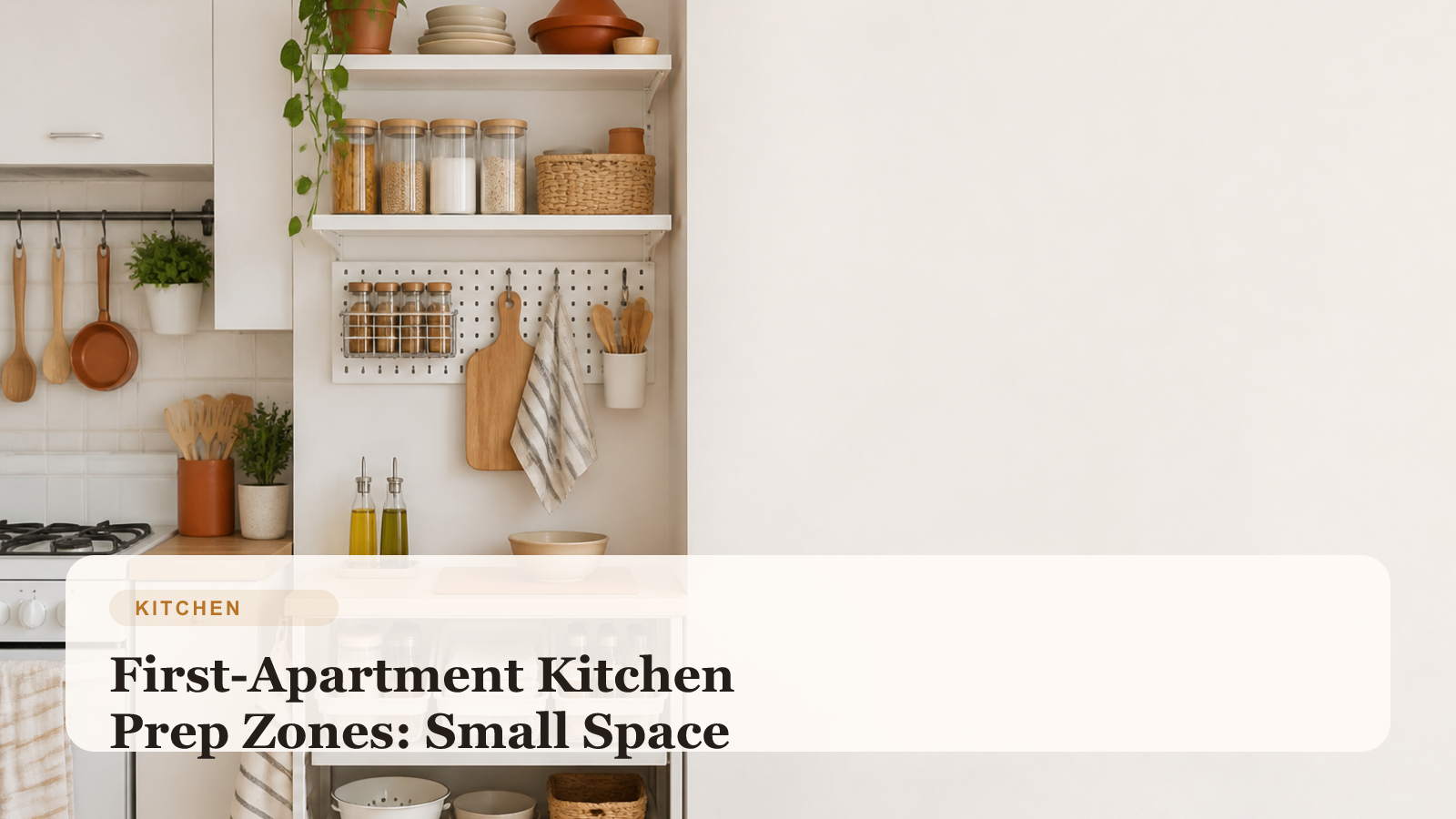
First Apartment Kitchen Prep Zones for Easier Small-Space Cooking
Use clear prep zones and compact storage to make a first apartment kitchen easier to cook in, even when counter space is limited.
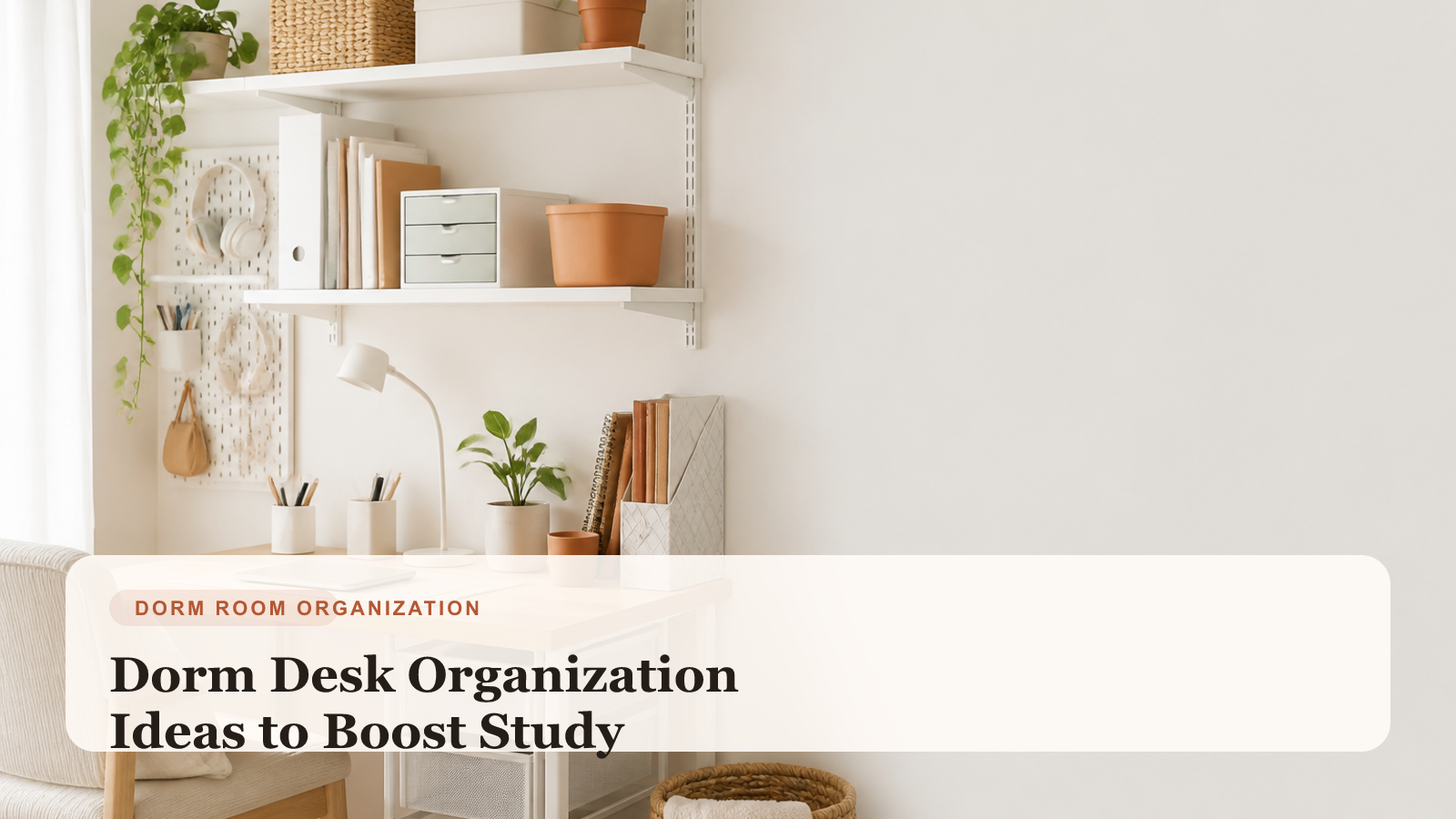
Dorm Desk Organization Ideas That Make Studying Easier
Use budget-friendly dorm desk organization ideas to clear paper piles, store supplies, and build a study setup that works in a small room.
Editorial note
TidyHaven guides are written for practical, renter-aware small-space living. Pages may be updated over time for clarity, freshness, and better real-world usefulness.