
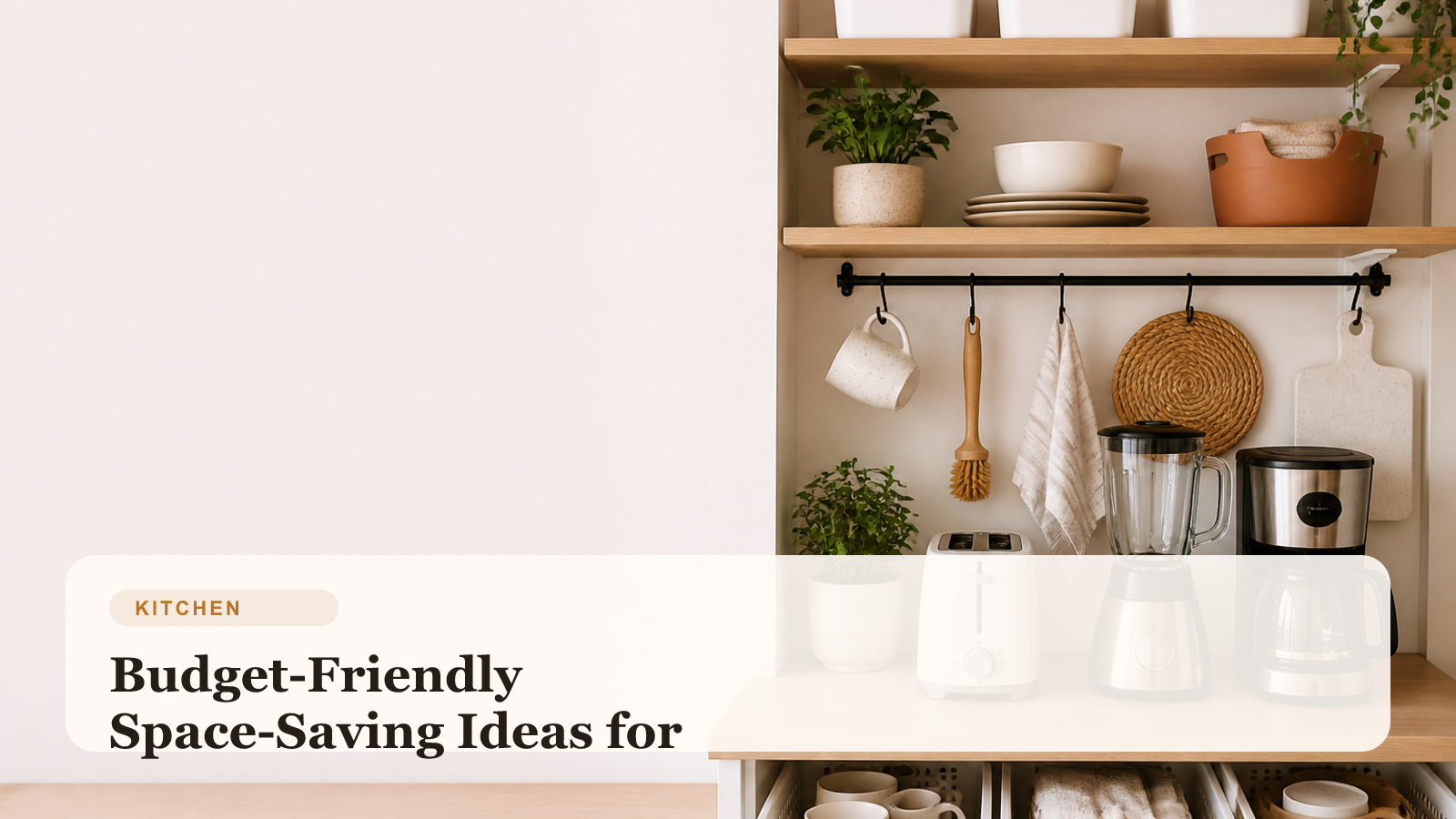
Budget-Friendly Space-Saving Ideas for Tiny Kitchen Appliances
Explore practical and affordable strategies to optimize tiny kitchen storage in small apartments. This article offers renter-friendly solutions for small kitchen organization using budget kitchen hacks and space-saving kitchen ideas tailored for tiny appliances.
Quick takeaways
- Utilize vertical and under-cabinet space for small kitchen appliances.
- Choose multi-functional and stackable appliances to save space and money.
- Implement renter-friendly storage solutions that don’t damage walls or cabinets.
- Maintain regular cleaning and decluttering habits to keep tiny kitchen storage efficient.
- Prioritize budget-conscious hacks that provide long-term kitchen organization benefits.
Understanding the Challenges of Tiny Kitchen Storage in Rentals
Small kitchens in rental apartments often come with limited counter and cabinet space, making it challenging to store tiny kitchen appliances effectively. Renters must navigate restrictions such as avoiding permanent fixtures or holes in walls, and often deal with awkwardly sized cabinets and limited electrical outlets. Being aware of these constraints is the first step toward smart organization. Practical space-saving kitchen ideas focus on maximizing every inch without requiring structural changes. This article emphasizes budget kitchen hacks that respect renter limitations while improving small kitchen organization.
Maximizing Vertical and Under-Cabinet Spaces
Utilizing vertical space is essential when floor and countertop areas are scarce. Wall-mounted shelves, tension rod racks, and magnetic strips for metal appliances can free up valuable counter space. For renters, tension rods and adhesive hooks that remove cleanly are preferable to screws or nails. Under-cabinet storage solutions such as hanging baskets or mounted racks help keep tiny appliances within reach yet off surfaces. For example, a slim under-cabinet shelf measuring around 12 inches wide can hold small blenders or coffee makers without cluttering counters.
- Use tension rods to hang lightweight utensils or small baskets.
- Install adhesive magnetic strips for knives and metal tools.
- Opt for under-cabinet wire racks to hold mugs or small appliances.
- Choose removable adhesive hooks for hanging baskets or lightweight items.
Choosing Multi-Functional and Stackable Appliances
Investing in multi-purpose appliances can significantly reduce the number of devices needed, saving space and money. For example, a 3-in-1 appliance combining a toaster, oven, and air fryer can replace several single-use gadgets, costing approximately $70 to $120 depending on brand and features. Stackable appliance designs further optimize storage. Appliances with flat tops or designated stacking systems allow for safe vertical placement. When purchasing, measure appliance heights and widths carefully; ideal stackable units should not exceed 10 inches in height each to maintain stability.
- Look for combination appliances (e.g., blender and food processor combos).
- Prioritize compact appliances with stackable or flat-top designs.
- Measure available shelf heights before purchasing new appliances.
- Compare appliance price ranges to find budget-friendly multi-function models.
Renter-Friendly Storage Solutions That Avoid Damage
Renters need storage options that don’t damage walls or cabinets. Command strips and removable adhesive hooks support small appliance weight without leaving marks. Free-standing wire racks or rolling carts provide additional storage without installation. Consider furniture that doubles as storage, such as narrow shelving units or foldable carts that fit in corners. These can be moved easily when relocating, making them ideal for rental kitchens. Budget-wise, many such solutions cost under $30 and can be sourced from discount stores or secondhand marketplaces.
- Measure the available space where a storage unit or cart could fit.
- Choose free-standing or adhesive-based storage to avoid drilling.
- Prioritize lightweight, foldable, or stackable furniture for flexibility.
- Source budget-friendly options online or at discount home stores.
Creative Use of Inside Cabinet Doors and Drawers
Inside cabinet doors are often overlooked but offer prime space for tiny kitchen storage. Installing slim racks or adhesive hooks inside doors can hold measuring cups, lids, or small appliances like hand mixers. Use self-adhesive racks with a depth of about 2 to 3 inches to avoid reducing cabinet interior space. Drawer organizers designed for small kitchen items help keep utensils and accessories neatly arranged. Using adjustable dividers ensures appliances and their cords don’t tangle, facilitating easy access and maintenance.
- Attach adhesive spice racks or slim shelves to cabinet doors.
- Use shallow hooks for lightweight items like measuring spoons.
- Employ drawer dividers for cord and utensil organization.
- Align appliance cords neatly to prevent wear and clutter.
Maintenance and Habit Tips to Sustain Small Kitchen Organization
Regular maintenance habits prolong the effectiveness of tiny kitchen storage solutions. Wipe down appliances after each use to prevent grime buildup, which can reduce available storage space if items become sticky or dirty. Scheduling monthly cleanouts helps identify rarely used appliances that can be stored elsewhere or donated. Decluttering is not a one-time task but a continuous process. To maintain budget-friendly and renter-safe organization, avoid accumulating duplicate appliances or gadgets. Adopting a one-in-one-out rule for new kitchen items supports sustained small kitchen organization.
- Clean surfaces and appliances weekly to maintain hygiene.
- Inspect storage areas monthly for clutter or unused items.
- Donate or store appliances not used in the past 3 months.
- Apply a one-in-one-out rule for new kitchen gadgets.
Smart Appliance Placement Based on Frequency of Use
Arranging tiny kitchen appliances based on how often they are used maximizes efficiency. Daily-use items like coffee makers and toasters should be stored in easily accessible spots, such as counter corners or open shelving at eye level. Less frequently used appliances, such as waffle makers or specialty gadgets, can be stored in higher or harder-to-reach cabinets or in portable storage carts. This strategy maintains a clutter-free counter while keeping all appliances within reach when needed.
- Keep daily-use appliances on open shelves or counters near power outlets.
- Store occasional-use items in upper cabinets or rolling carts.
- Label storage bins or shelves to quickly identify appliance location.
- Rotate seasonal appliances to offsite storage when possible.
Final thought
Maximizing tiny kitchen storage in rental apartments is achievable through deliberate, budget-conscious strategies that respect renter limitations. Prioritizing vertical space, multi-functional appliances, and renter-friendly storage solutions helps maintain an organized, efficient kitchen. Coupled with regular maintenance and smart appliance placement, these practices create a sustainable system that enhances small kitchen organization without compromising affordability or flexibility.
Keep reading
Related guides worth reading next
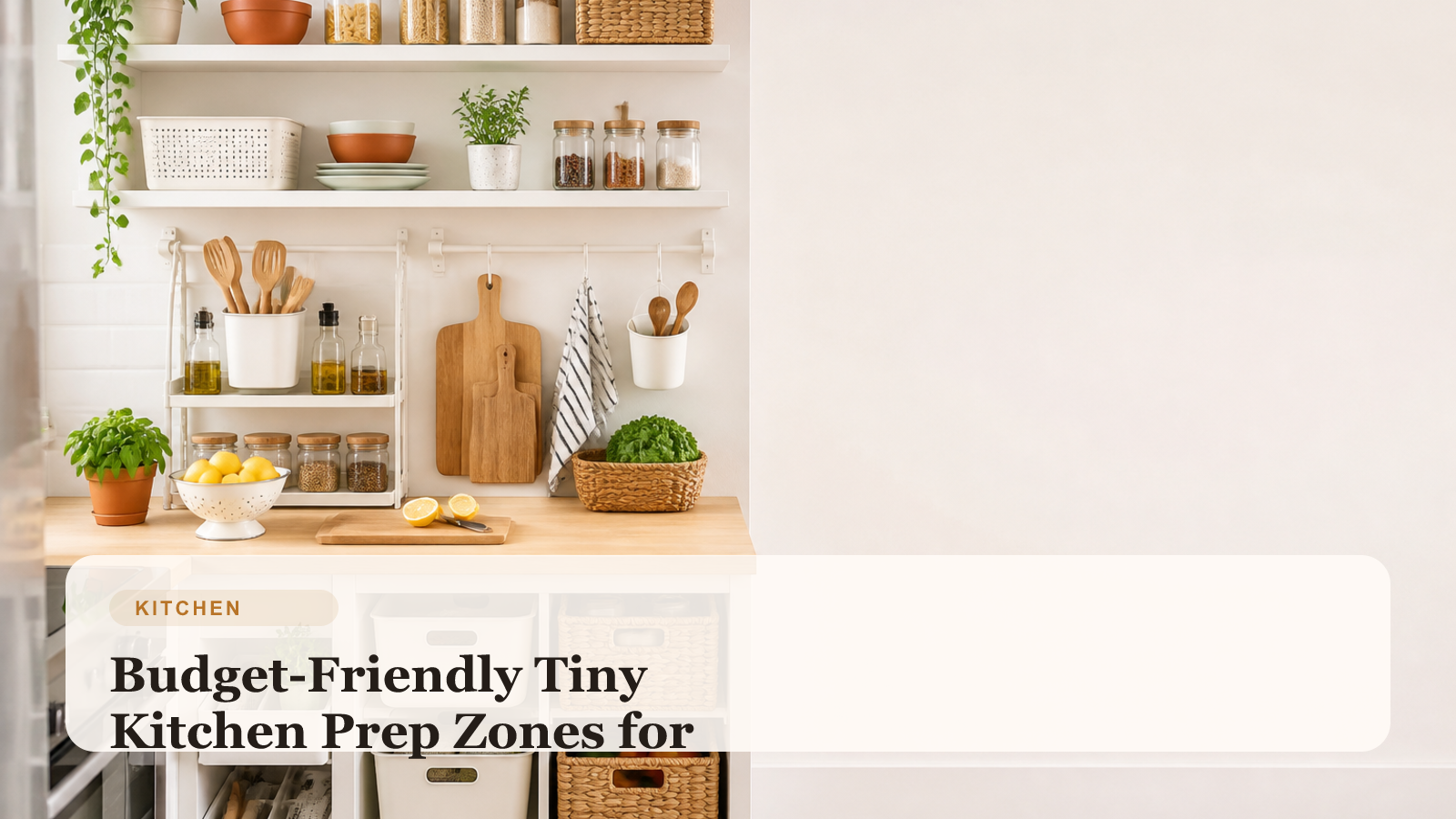
Tiny Kitchen Prep Zones for Easier Summer Cooking
Create better prep zones in a tiny kitchen with budget-friendly storage ideas that make summer cooking feel less crowded and more practical.
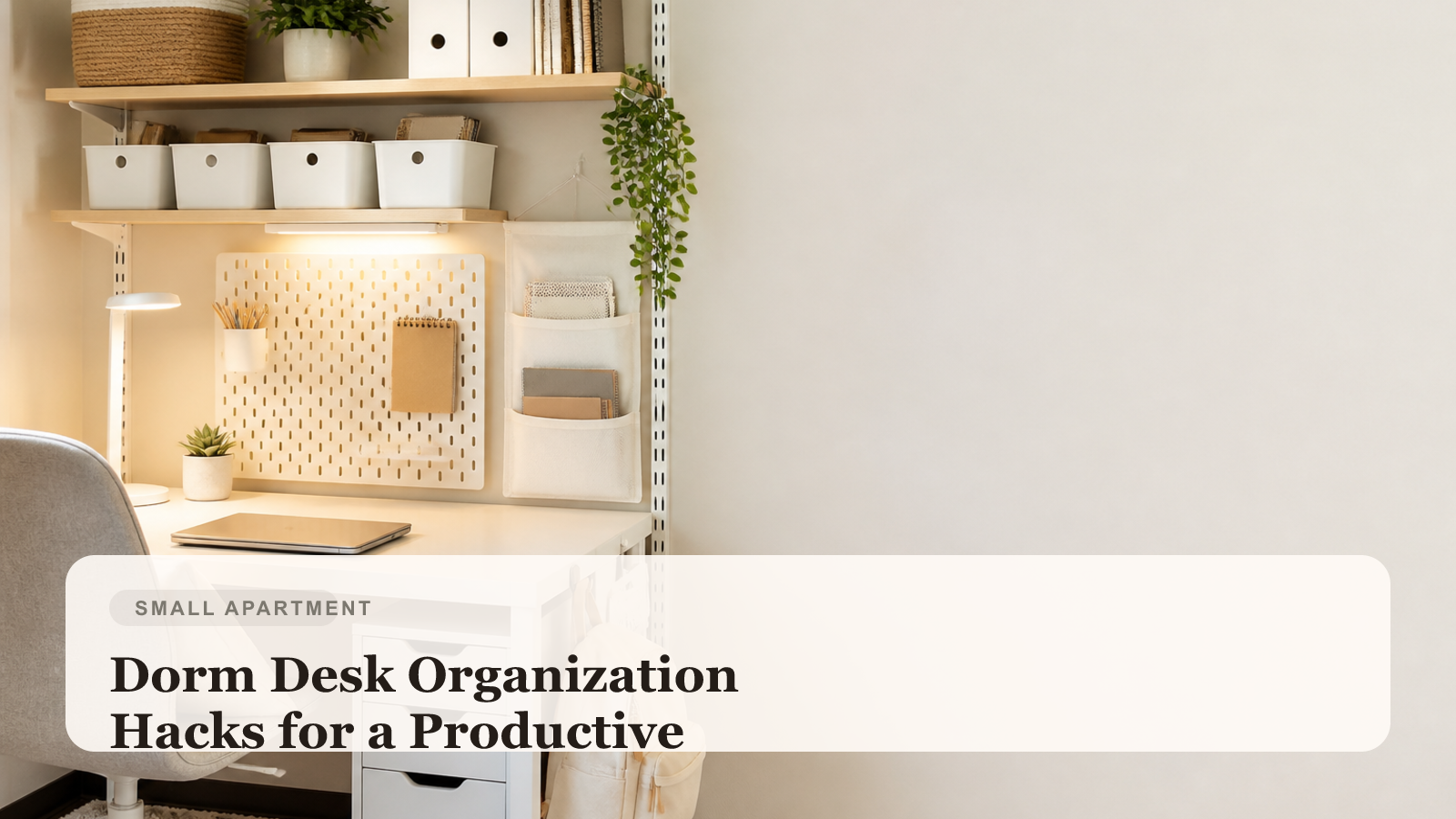
Dorm Desk Organization Hacks That Save Space Fast
Try fast dorm desk organization hacks that clear visual clutter, improve storage, and make a small study setup easier to use every day.
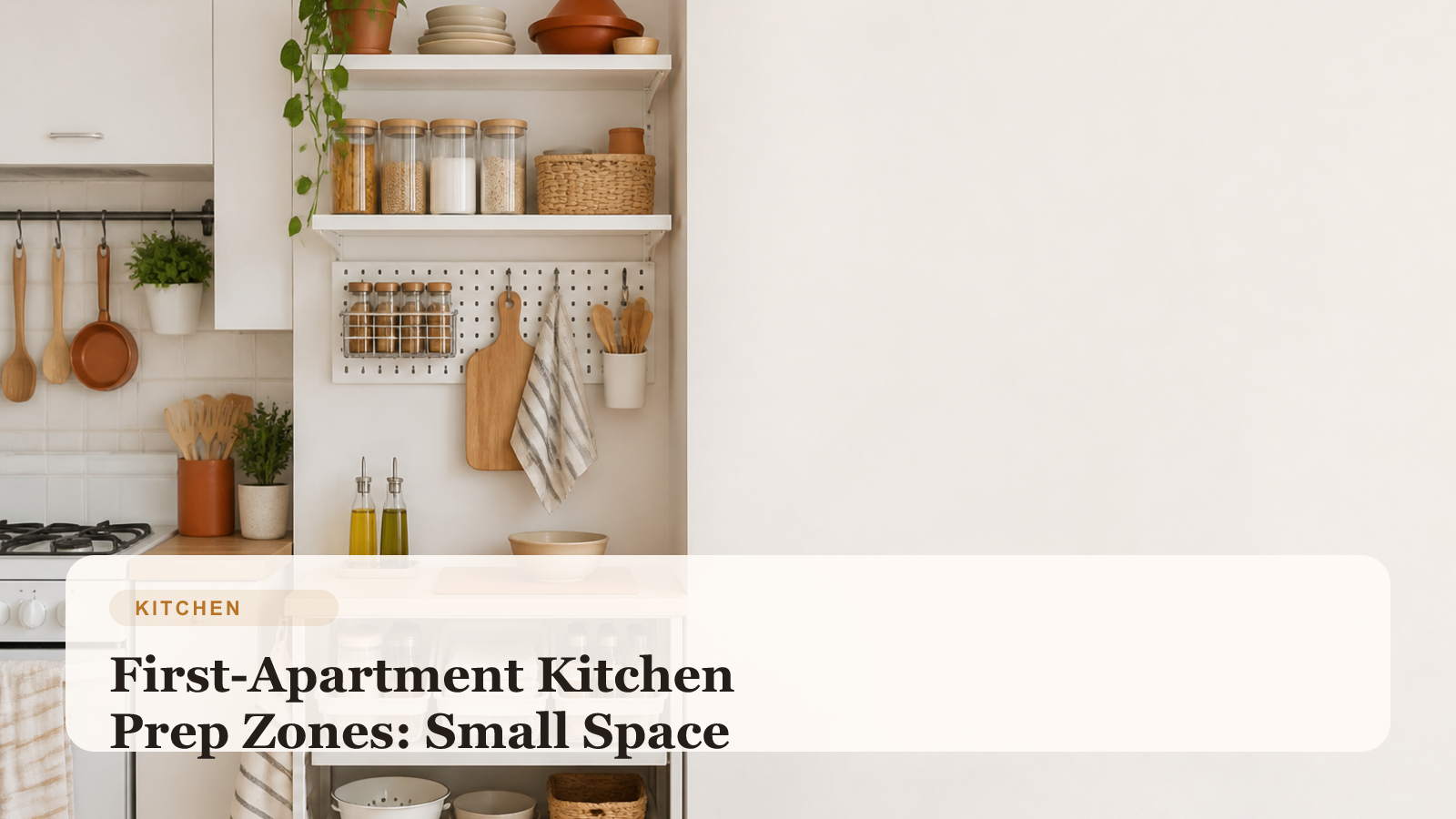
First Apartment Kitchen Prep Zones for Easier Small-Space Cooking
Use clear prep zones and compact storage to make a first apartment kitchen easier to cook in, even when counter space is limited.
Editorial note
TidyHaven guides are written for practical, renter-aware small-space living. Pages may be updated over time for clarity, freshness, and better real-world usefulness.