
Dorm Desk Setup Ideas for Better Study Focus
Build a cleaner dorm desk with renter-friendly organizers, better cable control, and small-space study storage that makes focus easier every day.
Quick takeaways
- Select space-efficient furniture tailored to your desk area and room layout.
- Use vertical storage and multi-functional organizers to maximize study storage.
- Incorporate renter-friendly, non-damaging solutions for personalization and utility.
- Establish simple daily and weekly maintenance habits to maintain organization.
- Prioritize affordable and versatile products suitable for small apartments.
Assessing Your Dorm Space and Desk Dimensions
Before purchasing any organizational products or accessories, take accurate measurements of your dorm desk area and surrounding space. Typical dorm desks range from 30 to 48 inches wide and 18 to 24 inches deep, so knowing your exact dimensions will help you select storage solutions that fit without overcrowding your space. Consider the location of power outlets, lighting, and seating to optimize your layout. Since many dorm rooms and small apartments have limited wall space, measuring the vertical height above your desk is equally important for adding shelves or wall-mounted organizers.
- Measure desk width, depth, and height.
- Note location of electrical outlets and lighting.
- Assess nearby furniture to avoid overcrowding.
- Measure available wall space above and beside the desk.
Choosing Functional and Space-Saving Furniture
Opt for desks with built-in storage such as drawers or compartments to keep frequently used items within arm’s reach without cluttering the desktop. Compact desks with dimensions around 36 x 20 inches offer a good balance of workspace and storage for most dorm setups. If your dorm or apartment allows, consider a foldable or wall-mounted desk to free up floor space when not in use. Pair your desk with a comfortable, ergonomic chair that fits well under the desk to maximize room flow.
- Select desks with integrated drawers or shelves.
- Choose foldable or wall-mounted desks if allowed.
- Prioritize ergonomic chairs that tuck under the desk.
- Look for lightweight, easy-to-move furniture for flexible setups.
Implementing Vertical Storage and Wall Organizers
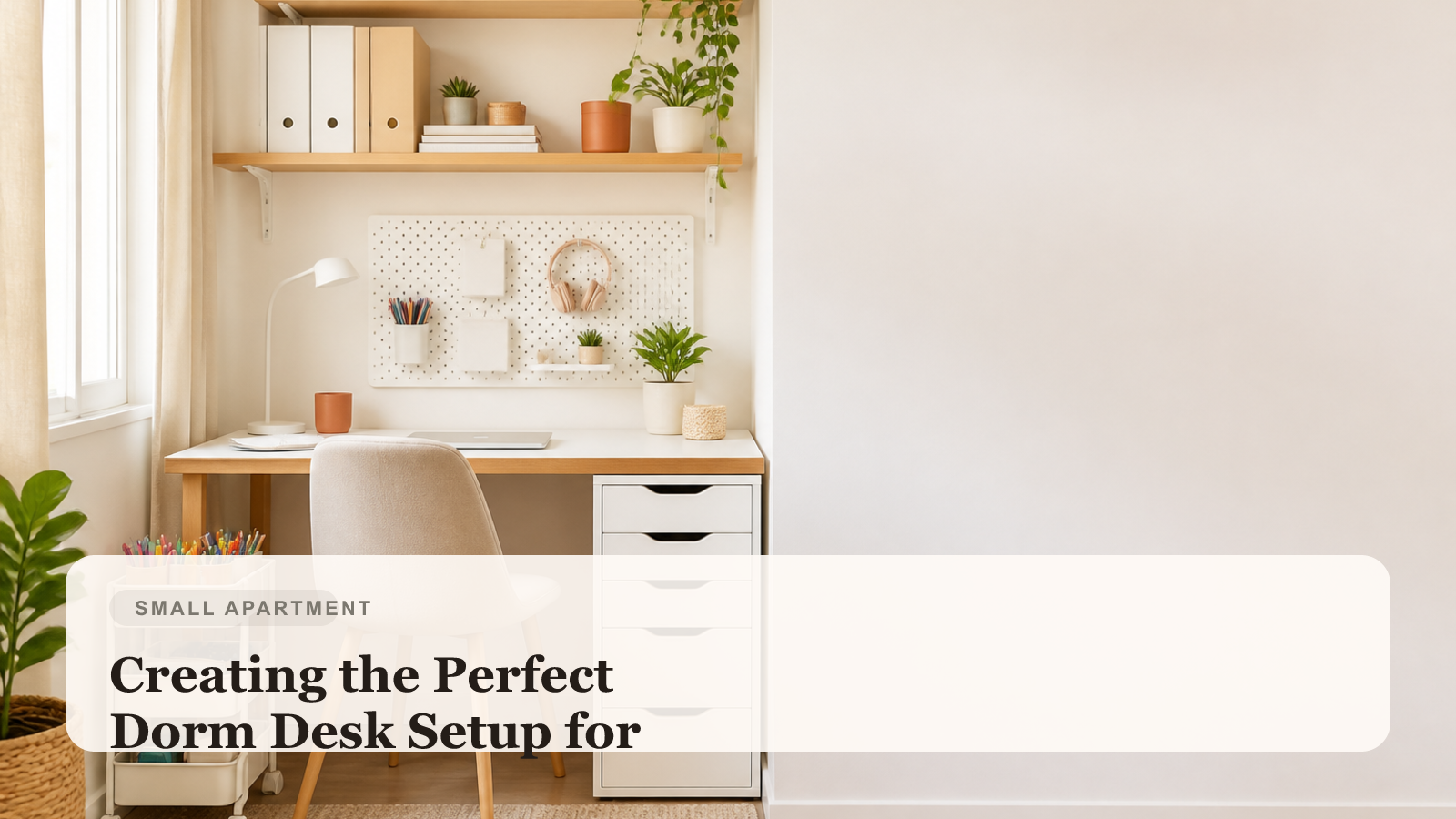
Since floor space is limited in dorm rooms and small apartments, leverage vertical space by installing wall shelves or pegboards above your desk. These can hold books, stationery, and decorative items, keeping your desktop clear for studying. Use adhesive hooks or removable wall grids that do not damage walls—a crucial renter-friendly hack. Incorporate small baskets or containers on shelves to categorize supplies like pens, chargers, and notebooks.
- Measure the wall space above your desk for shelf sizing.
- Choose lightweight, renter-approved shelves or pegboards.
- Install adhesive hooks or removable wall grids.
- Arrange items by category in baskets or containers.
- Regularly rotate or declutter items to avoid buildup.
Maximizing Drawer and Desktop Organization
Use drawer organizers or small bins to divide desk drawers into sections for papers, electronics, and art supplies. This prevents clutter and saves time locating items. Consider drawer inserts that fit standard dorm desk drawers, typically 12 to 15 inches wide. On your desk surface, use vertical pen holders, stacking trays for documents, and small charging docks to keep cables and devices organized without consuming excessive space.
- Purchase adjustable drawer dividers for customization.
- Use stacking trays to separate papers and notebooks.
- Employ vertical holders for writing instruments and tools.
- Incorporate multi-port USB hubs to reduce cable clutter.
Affordable and Practical Study Storage Solutions
Look for budget-friendly storage solutions such as plastic drawer units, collapsible fabric bins, and modular cube organizers. These options typically range from $10 to $30 and can be found at general retailers or online, making them accessible for most students and renters. Choose neutral colors or clear materials to maintain a clean, cohesive look that can adapt to changing decor. Multipurpose items like storage ottomans or under-desk rolling carts offer added functionality without crowding your space.
- Identify key categories of items needing storage (books, supplies, electronics).
- Select modular bins or drawers sized to fit under or beside your desk.
- Prioritize collapsible or stackable items for versatility.
- Look for products with renter-friendly assembly (no wall damage).
- Set a budget and compare prices online and locally.
Maintaining Your Dorm Desk Setup for Long-Term Efficiency
Establish a daily five-minute habit to tidy your desk by putting away used materials and clearing surfaces. Additionally, schedule a weekly review to reorganize supplies, remove unnecessary items, and clean your workspace. Consistent upkeep prevents clutter from accumulating and preserves your productive environment. Use labels on storage containers to quickly identify contents. Replace worn or bulky items with slimmer alternatives as your needs evolve during the semester.
- Daily quick tidy (5 minutes) to clear desktop.
- Weekly organization and decluttering session.
- Label all storage containers and bins clearly.
- Swap bulky items for compact versions when possible.
- Clean electronic devices and desk surfaces regularly.
Personalizing Your Desk Without Sacrificing Organization
Add personality to your study space with renter-appropriate decorations such as removable wall decals, small potted plants, or framed photos placed on shelves. Avoid clutter by limiting decorative items to a few meaningful pieces that double as functional objects like a stylish desk lamp or a decorative pen cup. Integrate color-coded supplies or matching storage containers to create visual harmony and reduce the feeling of clutter. This balance between personalization and organization helps maintain motivation and a sense of calm while studying.
- Choose 2–3 decorative items that also serve a purpose.
- Use removable, non-damaging wall decor to personalize space.
- Opt for coordinating colors in storage and accessories.
- Incorporate small greenery for a refreshing atmosphere.
- Keep decor minimal to maintain clear work surfaces.
Final thought
Creating the perfect dorm desk setup is achievable with thoughtful planning and renter-friendly strategies that maximize every inch of your limited space. By prioritizing functional furniture, vertical storage, and affordable organizers, you can establish a clutter-free study area that supports productivity and small apartment organization. Regular maintenance habits and personalized touches ensure your workspace remains inviting and efficient throughout your academic journey. With these practical tips, your dorm desk can be a model of effective study storage and smart space management.
Keep reading
Related guides worth reading next
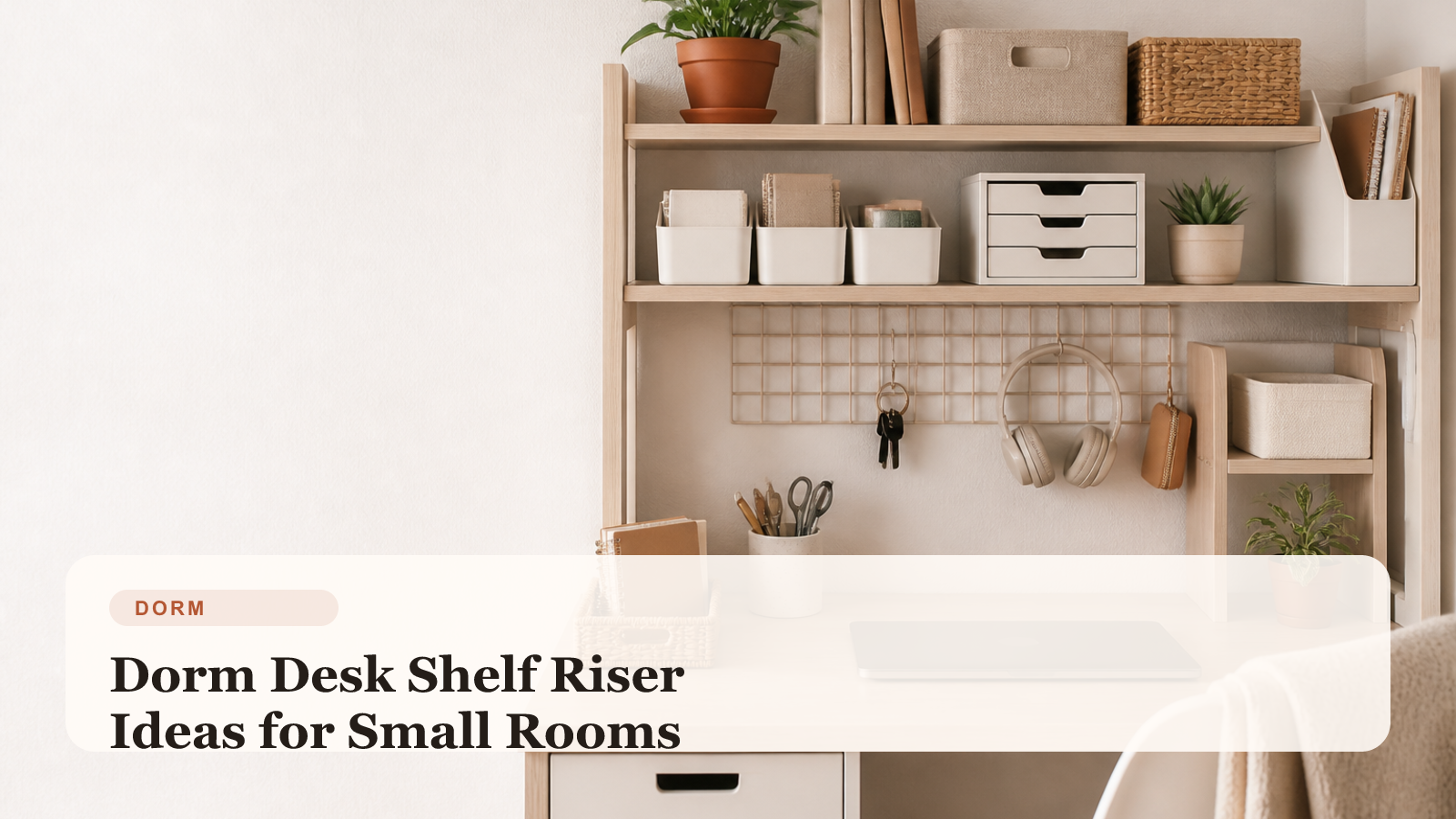
Dorm Desk Shelf Riser Ideas for Small Rooms
This guide focuses on one smart dorm desk upgrade: how a shelf riser can create more storage without turning a tiny study setup into visual clutter.

Dorm Move-In Packing Zone Ideas for Small Rooms
This guide focuses on one stressful dorm moment: how to build a packing zone that keeps move-in supplies, bedding, toiletries, and daily essentials easier to manage.
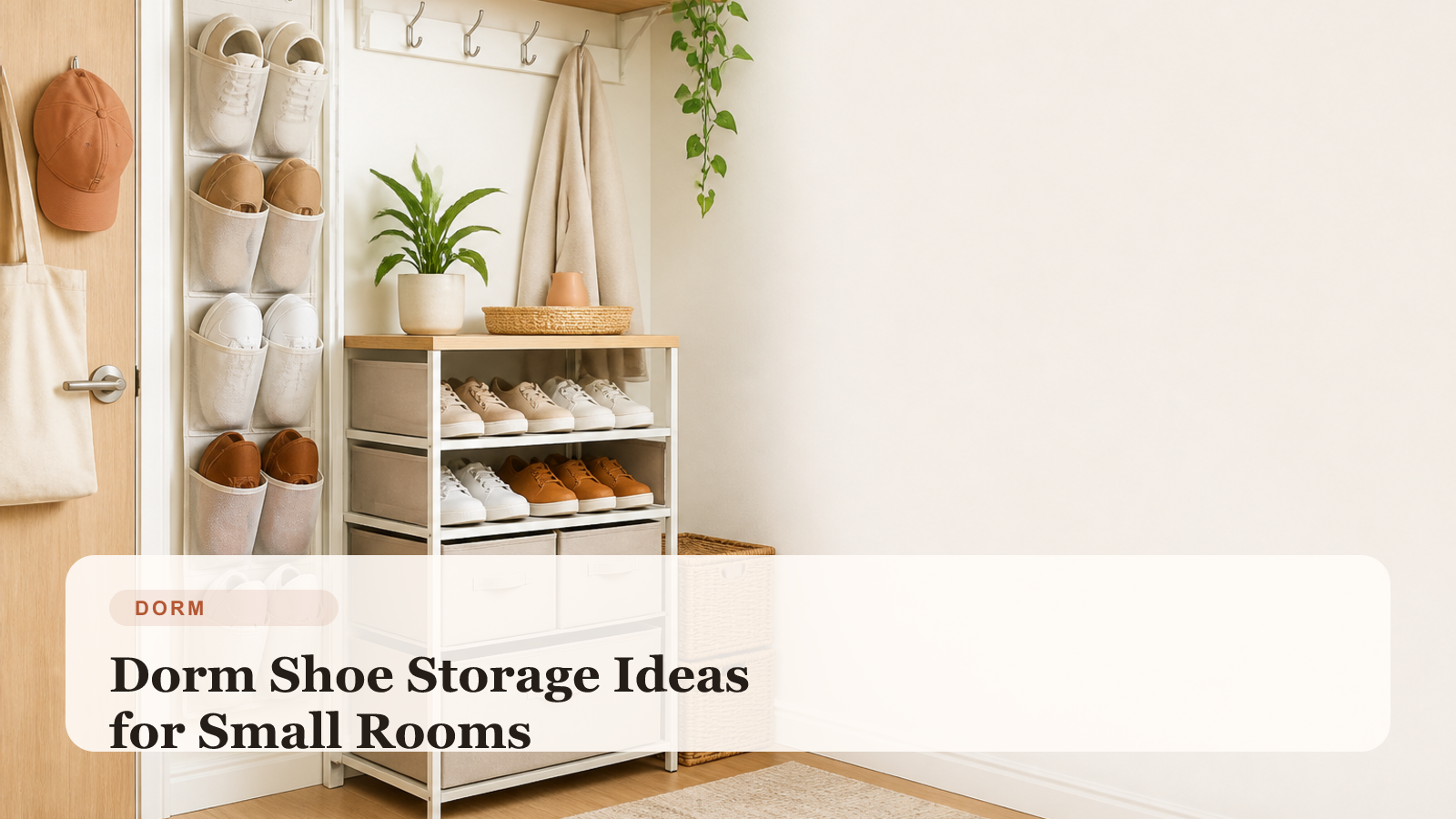
Dorm Shoe Storage Ideas for Small Rooms
This guide focuses on one common dorm mess: how to organize shoes so the floor stays clearer and the room feels easier to keep tidy.
Editorial note
TidyHaven guides are written for practical, renter-aware small-space living. Pages may be updated over time for clarity, freshness, and better real-world usefulness.