
Dorm Under-Desk Organizer Ideas for Small Rooms
Use under-desk organizers to store small essentials, reduce desktop clutter, and make a tiny dorm study zone feel easier to manage.
Quick takeaways
- Under-desk storage works best for light, daily-use study categories.
- The goal is to clear the desktop without destroying legroom.
- Slim organizers beat bulky bins in small dorm setups.
- A good under-desk system supports the study routine, not random overflow.
The space under a dorm desk is easy to waste. It often becomes a mix of tangled cords, random bags, extra notebooks, and items that were moved off the desktop without a real plan. In a small room, that kind of half-hidden clutter makes the study zone feel tighter and more stressful than it needs to.
That is why under-desk organization matters. A better setup can clear the top of the desk, keep supplies easier to reach, and make the study area feel more controlled without taking up much extra room.
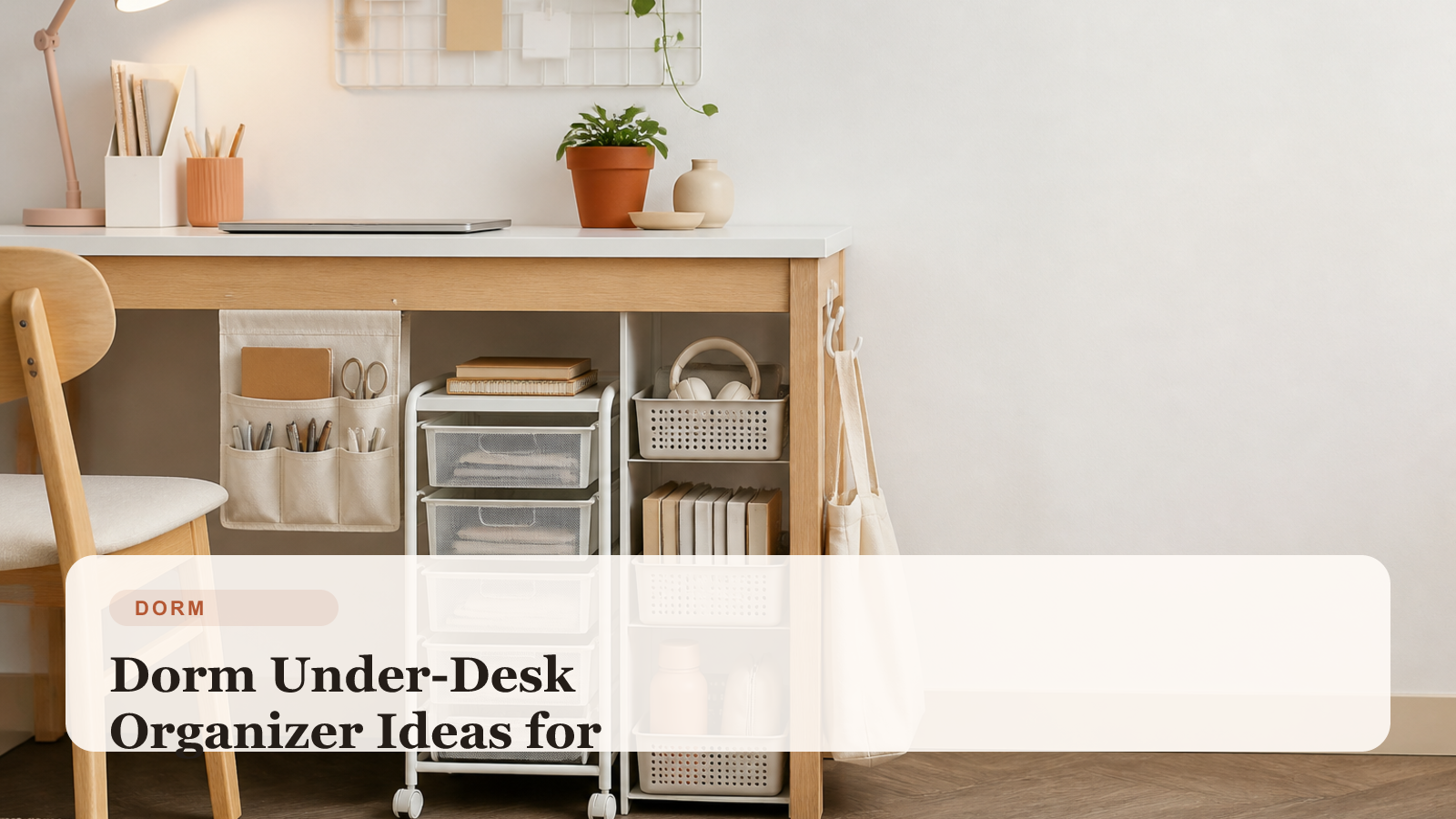
This guide focuses on one clear search intent: dorm under-desk organizer ideas for small rooms. The goal is to turn the space below the desk into useful storage without blocking comfort or creating another messy catchall.
Decide what deserves under-desk space
Under-desk storage should support the study zone, not swallow every room category nearby.
Good under-desk items usually include:
- notebooks in active use
- chargers and tech accessories
- light desk tools
- headphones
- a small paper tray or folder
- one slim basket for routine extras
It usually works less well for:
- heavy books in large stacks
- bulky personal items
- large snack storage
- laundry overflow
- anything that crowds your legs or chair movement
The space is most useful when it helps the desk function better, not when it becomes general storage.
Protect legroom first
The fastest way to ruin under-desk storage is to forget that the desk still needs to be comfortable. If bins or organizers block knees, feet, or chair movement, the setup will feel annoying quickly.
That means:
- keep the center area as open as possible
- place storage to one side when possible
- use slim organizers instead of deep boxes
- avoid tall stacks that reduce usable space
Comfort matters because the study zone will not stay organized if it is frustrating to sit at.
Use hanging or attached storage for small essentials
One of the strongest ways to use under-desk space is with storage that stays off the floor:
- hanging pockets
- small adhesive bins if appropriate for the furniture
- slim under-surface trays
- cable holders
These work well for:
- pens
- sticky notes
- charging cords
- earbuds
- calculators
- small notebooks
This keeps the floor area simpler and makes the desk feel more intentional.
Give one side a clear support role
Under-desk storage often works best when one side becomes the “support zone” for active study items.
That side might hold:
- a narrow basket
- one vertical file
- a cord pouch
- a small supply container
The idea is to create one consistent area that catches the tools you use near the desk without spreading them across the room.
Keep cords controlled before they become visual clutter
The underside of a desk can become a cord mess very quickly. Chargers and power blocks are often the first things to make the space feel chaotic.
Try to keep:
- one charging block in a fixed spot
- excess cable length wrapped or clipped
- cables grouped by function
- daily cords easier to reach than occasional ones
Cord control matters because tangled cables make even a mostly organized under-desk zone look messy.
Use the floor only for one or two slim categories
Some floor-level storage can work, but it should stay narrow and deliberate.
Strong options include:
- one slim cart
- one shallow basket for active papers
- one narrow bin for study accessories
Avoid treating the whole floor area as free real estate. The more categories that land there, the faster the space feels crowded and harder to clean.
Keep the under-desk zone tied to your study routine
The best under-desk organizers support the items that naturally belong near your work:
- chargers
- paper tools
- planners
- active notebooks
- one small emergency category like tissues or hand cream
If unrelated categories start moving under the desk, the zone usually becomes harder to maintain.
Reset it before drift takes over
Under-desk storage gets messy gradually because it is less visible than the desktop.
A short reset helps:
- remove anything that does not belong to the study zone
- wrap loose cords
- return paper tools to one section
- clear floor clutter from the center space
- wipe dust around the organizer if needed
This keeps the area useful instead of becoming hidden clutter.
What to avoid with under-desk organization
Avoid:
- storing too many categories below the desk
- sacrificing legroom for extra bins
- putting heavy clutter in the center
- ignoring cord management
- treating under-desk space like a junk zone
The best under-desk setup feels light, not packed.
Final thought
Dorm under-desk organizer ideas work best when the space supports active study routines without crowding the person using the desk. A slim side zone, some cord control, and a few light daily-use categories can make a small dorm study setup feel much easier to manage. When the desktop stays clearer and the floor stays usable, the whole room benefits.
Keep reading
Related guides worth reading next
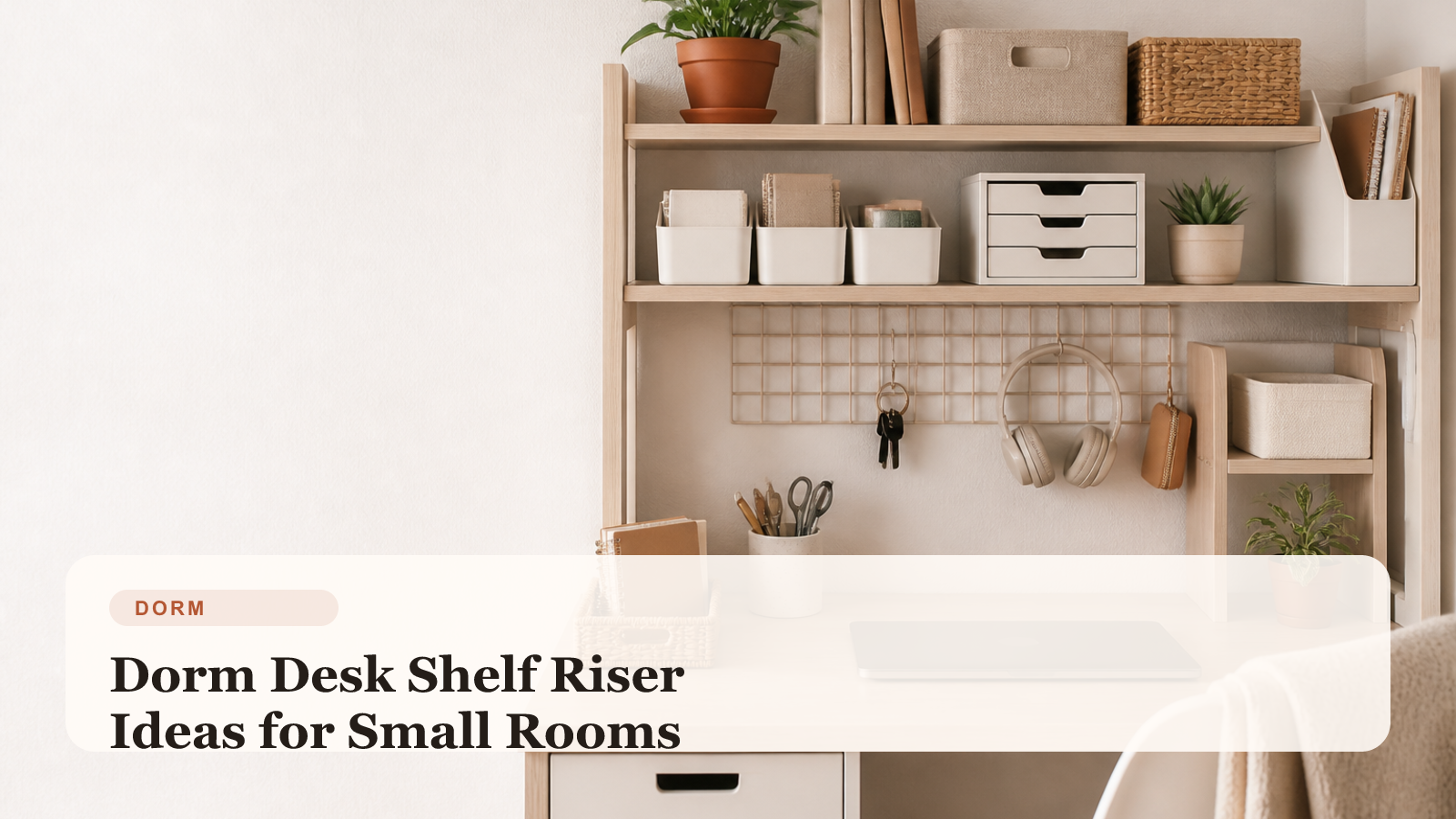
Dorm Desk Shelf Riser Ideas for Small Rooms
This guide focuses on one smart dorm desk upgrade: how a shelf riser can create more storage without turning a tiny study setup into visual clutter.
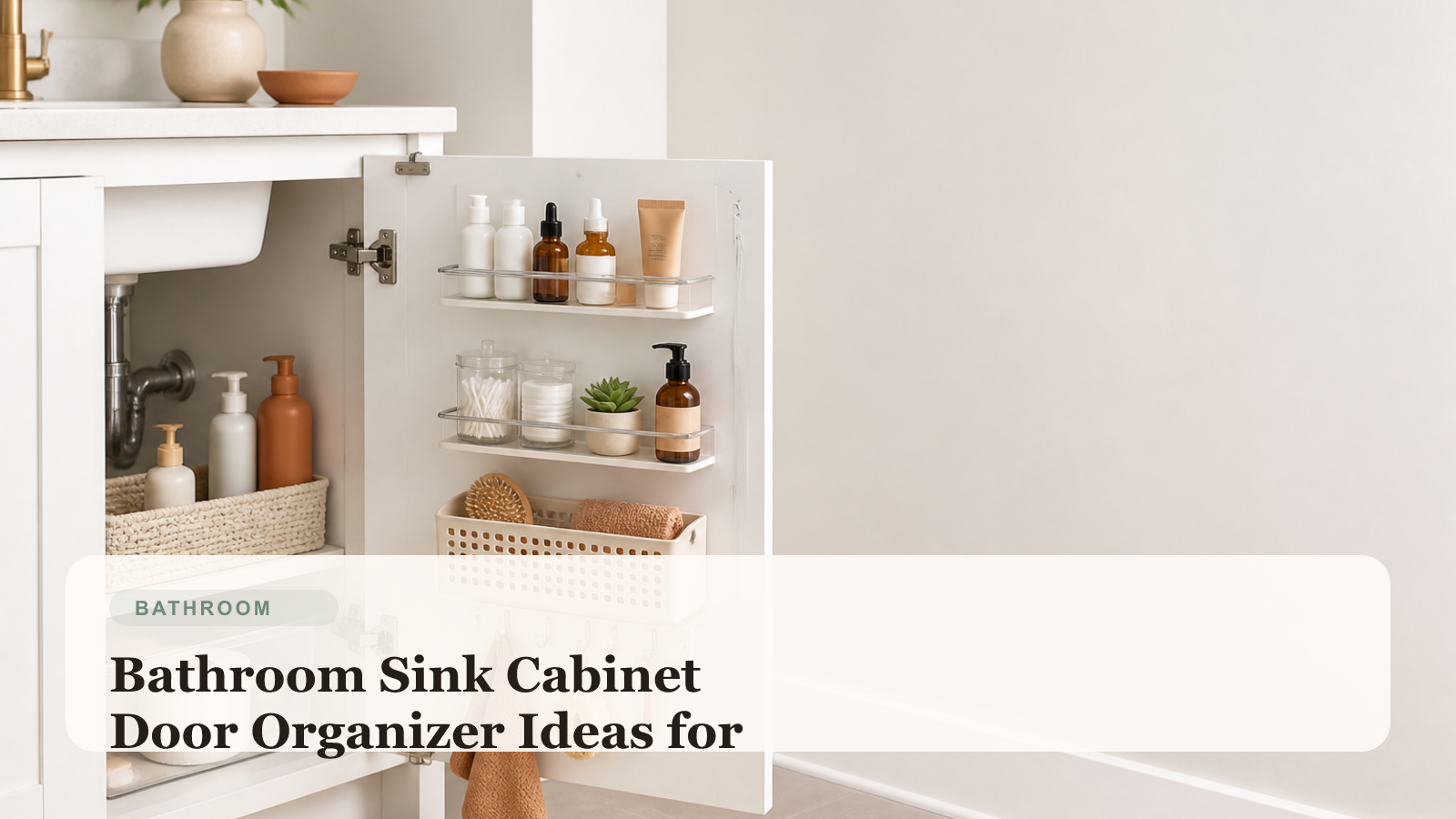
Bathroom Sink Cabinet Door Organizer Ideas for Renters
This guide focuses on one overlooked bathroom zone: how renters can use the inside of a sink cabinet door for smarter small-item storage.
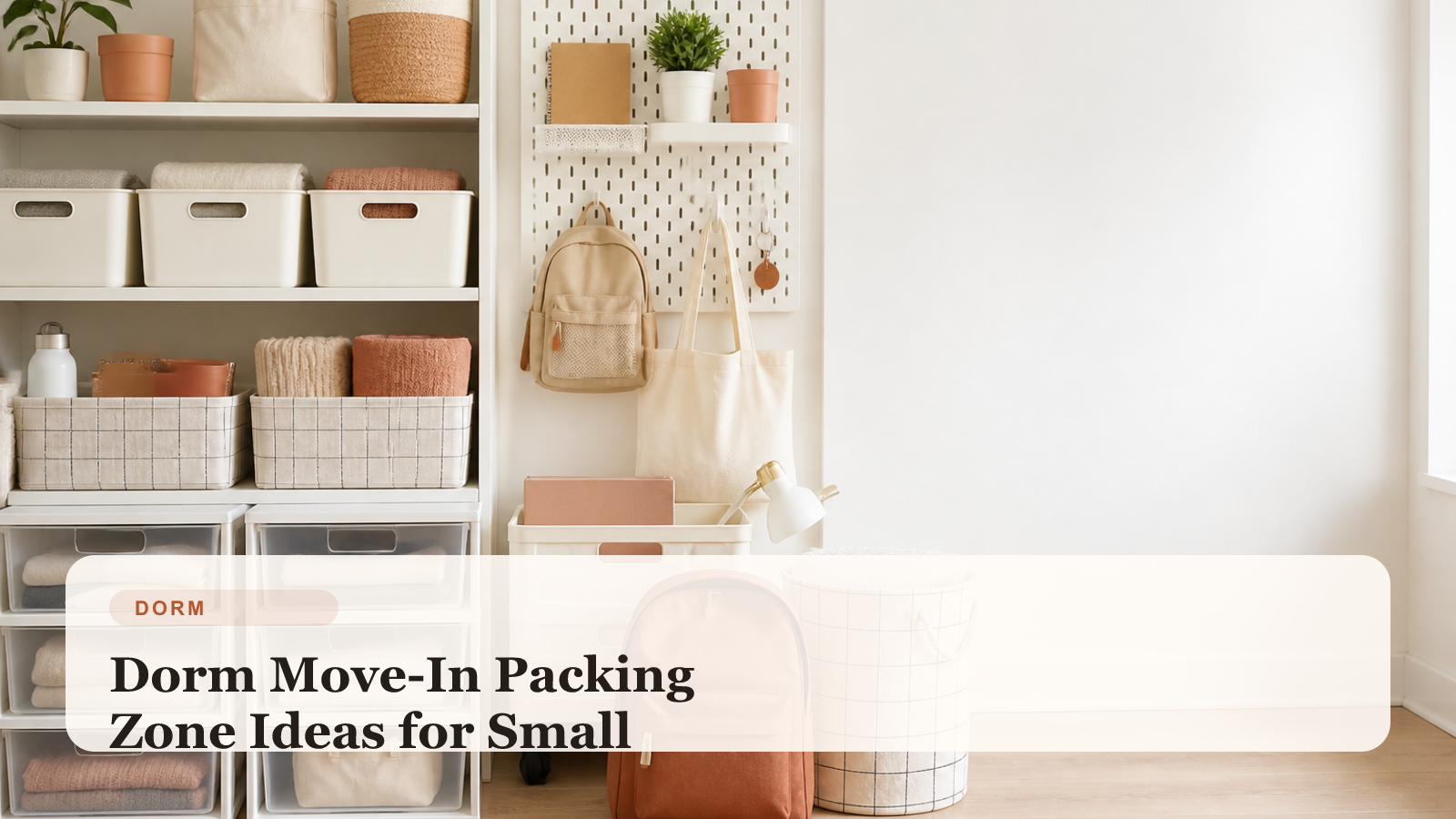
Dorm Move-In Packing Zone Ideas for Small Rooms
This guide focuses on one stressful dorm moment: how to build a packing zone that keeps move-in supplies, bedding, toiletries, and daily essentials easier to manage.
Editorial note
TidyHaven guides are written for practical, renter-aware small-space living. Pages may be updated over time for clarity, freshness, and better real-world usefulness.