
Dorm Room Organization Hacks: Maximizing Small Spaces on a Budget
Discover practical and budget-friendly dorm room organization hacks designed specifically for renters living in small spaces. Learn how to optimize storage, maintain order, and create a comfortable living environment without breaking the bank.
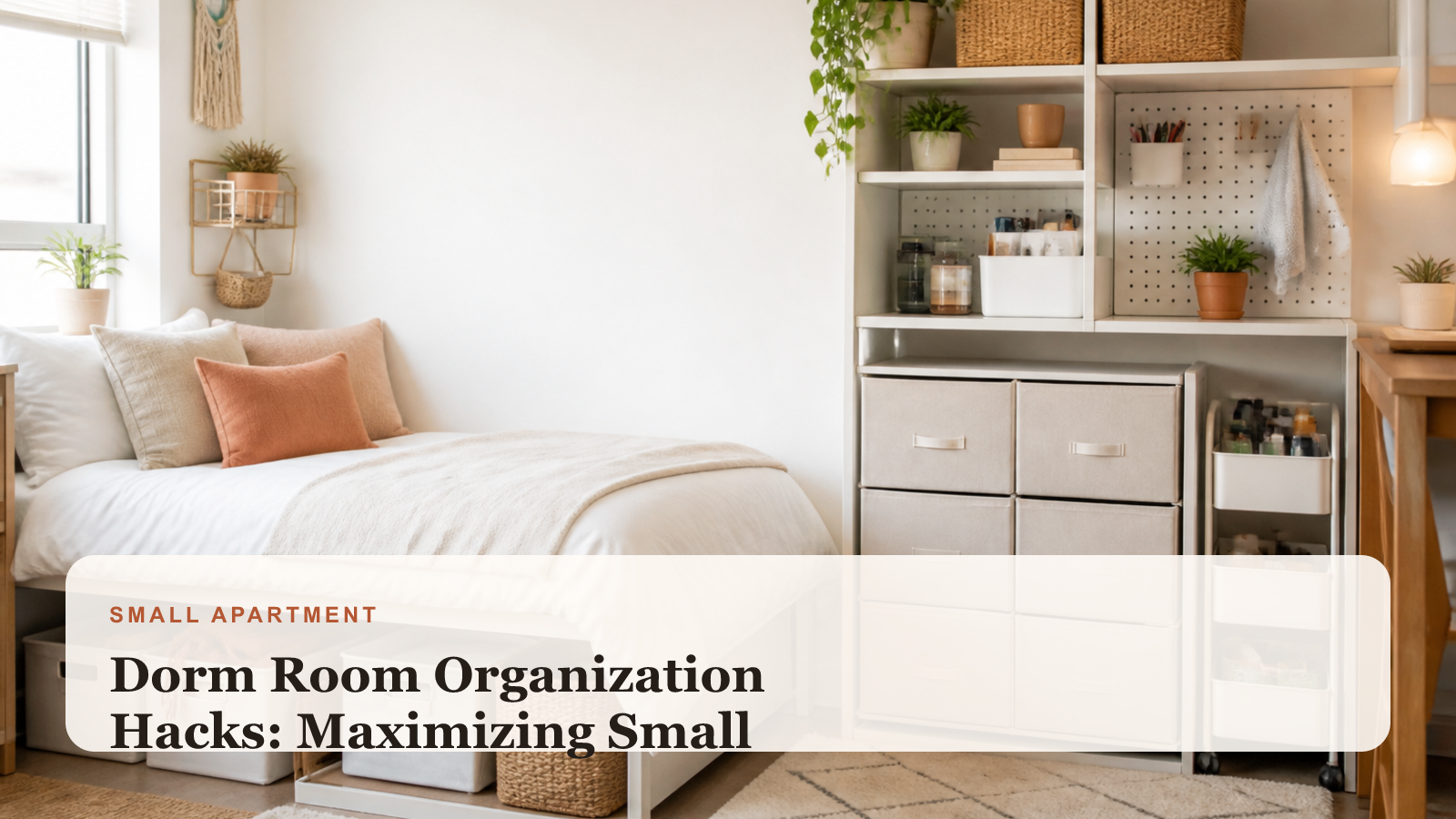
Quick takeaways
- Utilize vertical and under-bed space for maximum storage without clutter.
- Choose multi-functional furniture and storage pieces suitable for renter restrictions.
- Implement budget-conscious organization tools like tension rods and adhesive hooks.
- Maintain daily habits to keep small spaces tidy and efficient.
Understanding Your Dorm Room Space and Limits
Before diving into organization, assess the dimensions and restrictions of your dorm room. Typical dorm rooms range from 100 to 200 square feet, often featuring limited closet space and strict renter rules prohibiting permanent modifications. Knowing your exact room measurements, such as bed size (usually twin XL) and closet dimensions, will guide your storage choices effectively. Additionally, understand any constraints related to hanging items or drilling holes. Many dorms allow removable adhesive hooks or tension rods, which can be key components of your organization strategy. This upfront evaluation ensures all solutions are practical and compliant.
- Measure floor area and ceiling height for vertical storage opportunities.
- Note closet dimensions and shelving types available.
- Review dorm policies on wall damage, drills, and furniture alterations.
- Identify areas under the bed, above the desk, and corners for hidden storage.
Maximizing Vertical and Hidden Storage Spaces
In small spaces, vertical storage can save precious floor area. Use stackable storage bins and cube organizers that fit under the bed or inside closets. For example, 12” high plastic bins are ideal to slide under beds measuring at least 7 inches clearance. Additionally, consider hanging organizers for shoes, accessories, or school supplies on closet rods or behind doors. Utilize tension rods to create additional hanging space inside closets for scarves, belts, or even lightweight bags. Adhesive hooks placed strategically on walls or inside cabinet doors allow you to hang items like keys or headphones without causing damage.
- Measure under-bed clearance before purchasing storage bins to ensure fit.
- Install tension rods horizontally in closets to double hanging space.
- Place adhesive hooks on the back of the dorm door for backpacks or jackets.
- Use hanging shoe organizers to store miscellaneous items efficiently.
Choosing Multi-functional Furniture for Small Apartments
When selecting furniture, prioritize pieces that combine storage and function to reduce clutter. A bed with built-in drawers or a lofted bed with space underneath for a desk or storage bins maximizes usable space. Similarly, ottomans or stools with internal storage can serve dual purposes without overcrowding. Secondhand or budget-friendly options from thrift stores or online marketplaces often provide excellent multi-functional furniture at low prices. Always verify measurements to ensure the item fits your dorm dimensions and check for lightweight, easy-to-move pieces that comply with renter restrictions.
- Loft beds to free up floor space underneath for storage or study.
- Storage ottomans and benches with concealed compartments.
- Compact desks with built-in shelves or drawers.
- Foldable furniture pieces that can be stored when not in use.
Budget Storage Solutions That Don’t Compromise Style
Affordable storage doesn’t have to be boring or ugly. Use baskets, bins, and crates from dollar stores or discount retailers to create visually appealing and functional storage zones. Label bins clearly with removable labels or chalkboard stickers to maintain organization without permanent markings. Repurpose common household items as storage: magazine holders can organize notebooks; tension rods can become drying racks or shoe storage dividers. These inexpensive solutions blend form and function while respecting budget constraints.
- Buy clear plastic bins for easy content identification; stackable varieties save space.
- Use magazine holders vertically for file and notebook storage on shelves.
- Install a tension rod under the sink or inside closets to hang cleaning supplies or scarves.
- Decorate plain baskets with fabric or washi tape to match your room aesthetic.
Smart Daily Habits to Maintain Organization in Small Spaces
Routine maintenance is crucial to keep a small dorm room tidy. Allocate 5–10 minutes daily to put away items, wipe surfaces, and re-organize clutter hotspots like desks or dressers. Consistent habits prevent mess build-up that can quickly overwhelm limited space. Use a weekly checklist to declutter and reassess storage effectiveness. Swap out seasonal items or redistribute belongings to maintain a balanced, functional environment. Simple habits like these ensure your organization system remains sustainable and efficient.
- Daily 5-minute tidy-up focusing on frequently used areas.
- Weekly check of storage bins and closet to rotate or discard unused items.
- Use drawer dividers or small containers to keep items separated and easy to find.
- Establish designated spots for backpacks, shoes, and school supplies.
Creative Use of Desk and Study Areas for Dual Purpose
The study desk often doubles as a storage and workspace. Maximize this area by using vertical desk organizers and monitor risers with built-in shelves. This elevates screens and provides additional room underneath for notebooks or storage baskets approximately 12–18 inches wide. Magnetic strips, corkboards, or pegboards mounted nearby (using damage-free options) can keep office supplies and reminders visible but off the desk surface. These tools help maintain a clean, focused study environment, essential for small-space living.
- Choose a monitor riser with at least 6 inches height and integrated storage compartments.
- Install adhesive corkboards or magnetic strips above the desk to hold notes and supplies.
- Use stackable trays or small drawer units on the desk for papers and stationery.
- Keep only daily essentials on the desk; store extras in bins or drawers.
Utilizing Closet Space Efficiently Without Permanent Modifications
Closets in dorms and small apartments are typically small but can be organized efficiently with renter-friendly tools. Use slim, non-slip hangers to maximize hanging capacity and avoid bulking. Shelf dividers can keep folded clothes or linens neatly stacked without toppling over. Over-the-door fabric organizers provide compartments for shoes, toiletries, or accessories without requiring nails or screws. Combine these with small stackable bins on closet floors to create layered storage that fits within limited dimensions.
- Replace bulky hangers with slimline velvet or plastic hangers to save up to 30% closet space.
- Use adjustable shelf dividers to maintain neat stacks of clothes or towels.
- Over-the-door organizers with at least 12 pockets for versatile storage.
- Clear stackable bins of 12”x12”x8” fit well on closet floors to store out-of-season items.
Final thought
Maximizing dorm room organization on a budget involves thoughtful planning, smart use of vertical and hidden spaces, and adopting daily habits that maintain order. By selecting multi-functional furniture and affordable storage solutions tailored to renter restrictions, small spaces can feel open, efficient, and personalized. Remember, consistent upkeep and creative use of every nook unlock the full potential of your dorm room or small apartment, making it a comfortable and productive living environment throughout your academic year.
Keep reading
Related guides worth reading next
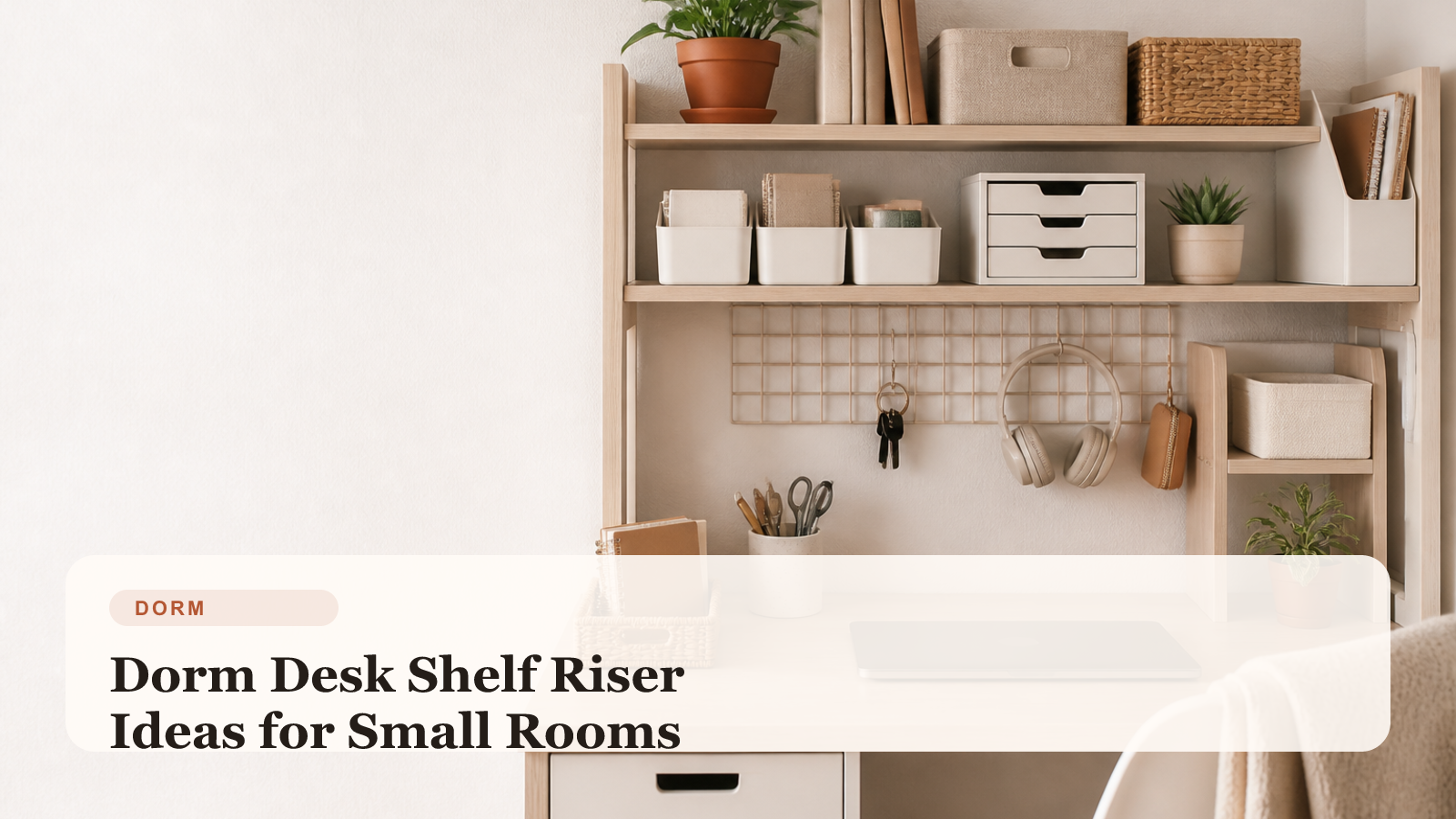
Dorm Desk Shelf Riser Ideas for Small Rooms
This guide focuses on one smart dorm desk upgrade: how a shelf riser can create more storage without turning a tiny study setup into visual clutter.
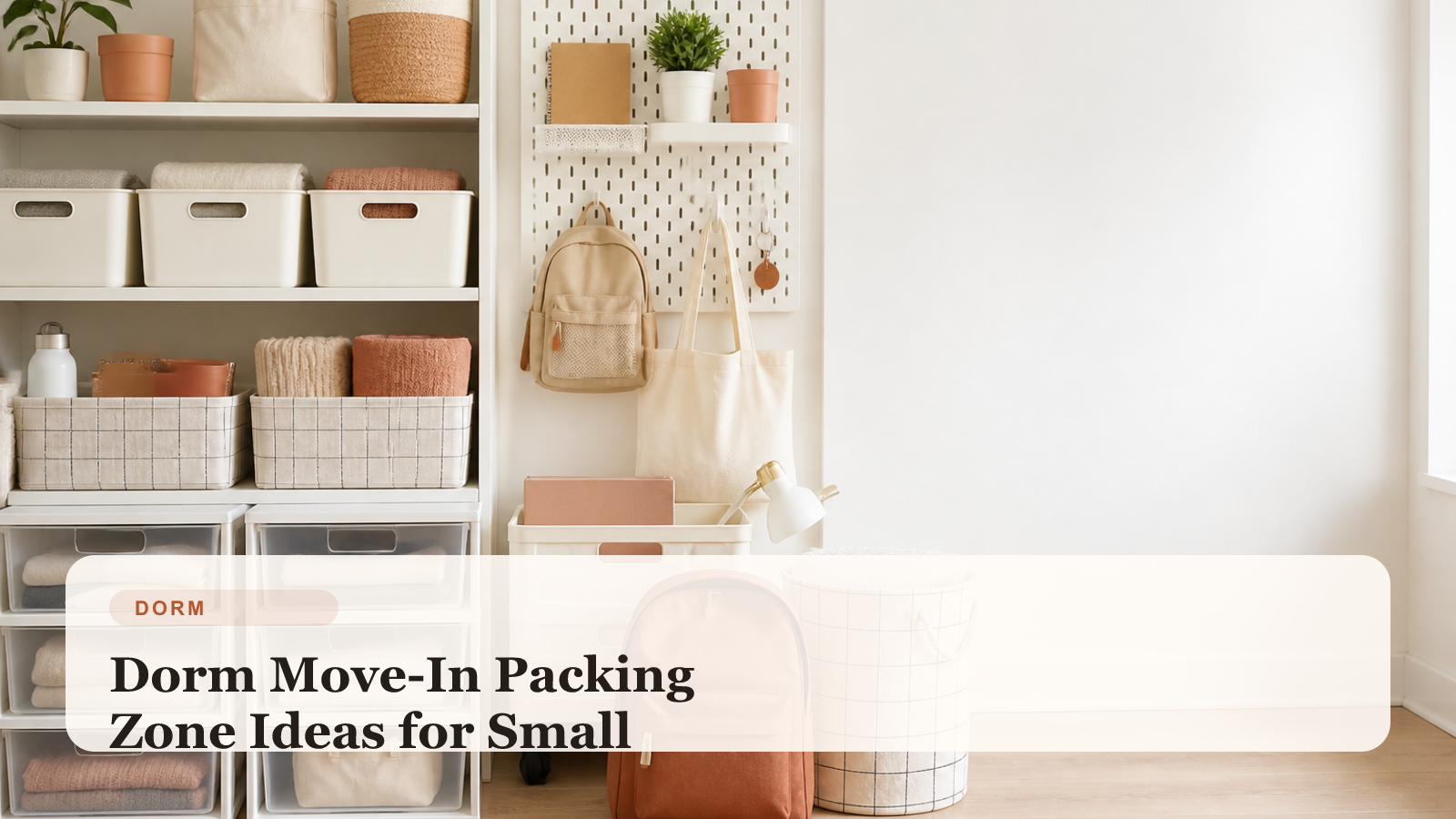
Dorm Move-In Packing Zone Ideas for Small Rooms
This guide focuses on one stressful dorm moment: how to build a packing zone that keeps move-in supplies, bedding, toiletries, and daily essentials easier to manage.
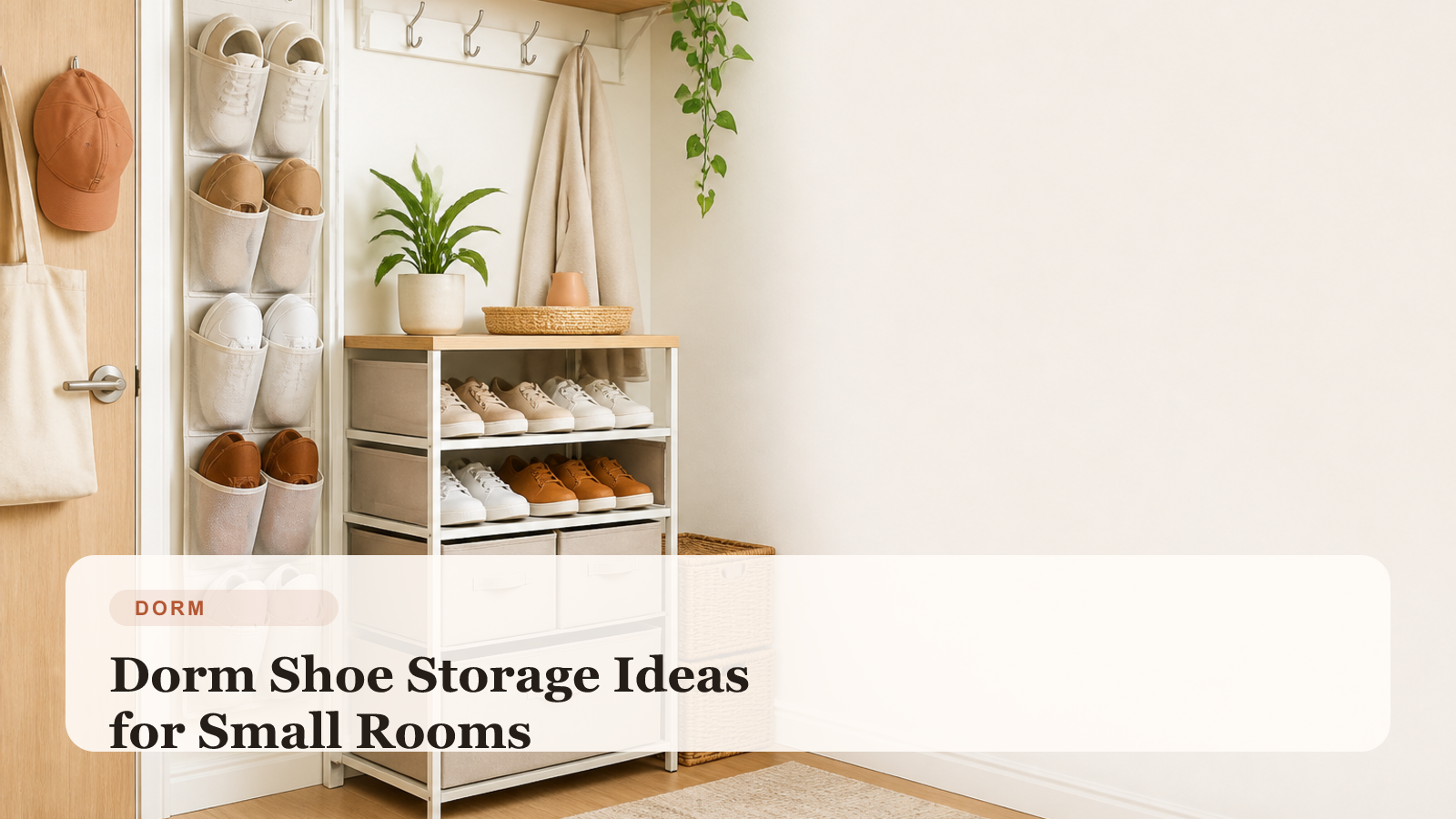
Dorm Shoe Storage Ideas for Small Rooms
This guide focuses on one common dorm mess: how to organize shoes so the floor stays clearer and the room feels easier to keep tidy.
Editorial note
TidyHaven guides are written for practical, renter-aware small-space living. Pages may be updated over time for clarity, freshness, and better real-world usefulness.