
Dorm Study Storage Ideas for Small Rooms and Better Focus
Use renter-safe shelves, desk bins, and damage-free wall storage to keep a dorm study area organized without crowding a small room.
Quick takeaways
- Maximize vertical space using adjustable shelving tailored for renters.
- Incorporate multi-functional furniture designed for small apartment organization.
- Use clear and categorized storage bins to maintain an efficient study area.
- Prioritize lightweight, damage-free installation methods suitable for rental agreements.
- Maintain a regular decluttering routine to keep your study space functional.
Start with the Limits of a Small Dorm Study Setup
Most dorms and shared student spaces come with strict rules about wall damage, furniture changes, and clutter near walkways. That means your study storage needs to be useful without relying on screws, nails, or bulky pieces that make the room feel tighter. It also helps to think about how your study zone fits into the rest of the room. In a small dorm, the desk area often sits next to the bed, dresser, or closet, so every organizer has to earn its footprint and keep daily essentials easy to reach.
- Avoid permanent wall fixtures that require drilling or nails.
- Focus on lightweight and portable storage units.
- Consider the maximum weight capacity of shelving to prevent damage.
- Use solutions that can be easily repositioned or removed.
Maximizing Vertical Space with Adjustable Shelving
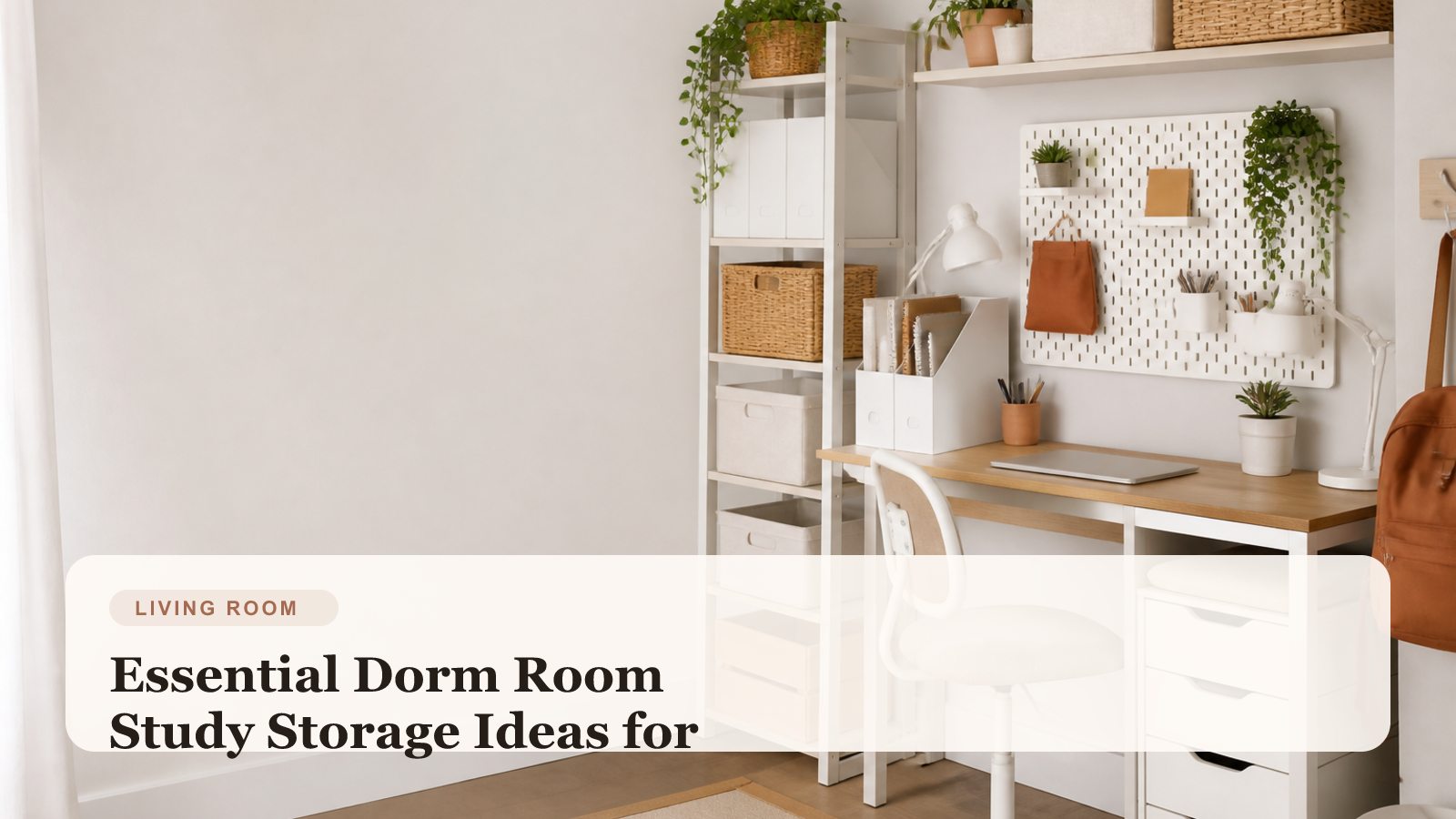
Vertical shelving units are a renter-friendly way to increase study storage without occupying precious floor space. Adjustable shelves allow customization of height between shelves to fit books, binders, or storage boxes, making them versatile for various study materials. Selecting freestanding shelving units between 60 to 72 inches tall and 12 to 16 inches deep strikes a balance between ample storage and a compact footprint. Opt for lightweight materials like metal or engineered wood, which are sturdy yet easier to move during apartment transitions.
- Choose adjustable shelves for customization.
- Select units with rubber or felt pads to protect floors.
- Prioritize shelving heights that fit your ceiling clearance and room layout.
- Measure your study area height and width to ensure proper fit.
- Purchase adjustable shelving with assembly instructions that do not require wall mounting.
- Arrange heavier items on lower shelves for stability.
- Use shelf organizers or bins to group smaller items and reduce visual clutter.
Incorporating Multi-Functional Furniture for Small Apartment Organization
Multi-purpose furniture is essential in small apartments where space is limited. Pieces like desks with built-in drawers or fold-out tables combine functionality and storage, reducing the need for additional furniture that consumes space. Consider furniture that serves dual roles, such as ottomans with storage compartments or desks with integrated bookshelves. These pieces streamline first apartment setups by providing study storage while maintaining a clutter-free environment.
- Desks with under-surface drawers for stationery and documents.
- Fold-out desks or wall-mounted tables that save floor space.
- Ottomans or benches with hidden storage for bulky items like backpacks or supplies.
- Compact filing cabinets on wheels for easy mobility.
- Identify study storage needs (e.g., paper, electronics, textbooks).
- Select furniture that addresses multiple storage categories.
- Arrange furniture to maintain clear walkways and study zones.
- Rotate storage contents seasonally to keep the space fresh and functional.
Utilizing Clear and Categorized Storage Bins for Efficient Study Storage
Clear storage bins enable quick identification of contents, reducing time spent searching for study materials. Categorizing supplies into bins—such as writing tools, tech accessories, and reference books—helps maintain order and ensures everything has a designated place. Bins that measure roughly 12x10x6 inches fit well on shelves or under desks without overwhelming space. Affordable plastic or fabric bins provide lightweight, stackable options that comply with renter needs and are easy to clean.
- Label bins clearly with removable tags or stickers.
- Use stackable bins to maximize vertical space inside shelving units.
- Select bins with lids to protect contents from dust.
- Consider color coding bins to visually separate categories.
- Sort study items into logical categories before binning.
- Choose bin sizes based on shelf height and depth measurements.
- Assign one category per bin to prevent mixing items.
- Periodically review bin contents to discard unused materials.
Damage-Free Wall Storage Alternatives
Since renters typically cannot damage walls, alternatives like adhesive hooks, tension rods, and over-the-door organizers are popular for study storage. These options utilize vertical space without requiring drilling or nails, making them ideal for maintaining lease compliance. Over-the-door organizers with multiple pockets can store stationery or small electronics, while tension rods installed between two walls can hold clipboards or lightweight baskets. These solutions are inexpensive and easy to install or remove.
- Use removable adhesive strips rated for the weight of stored items.
- Install tension rods vertically or horizontally to hold baskets or hanging files.
- Over-the-door organizers help use hidden spaces effectively.
- Magnetic strips can hold metal items without wall damage.
- Check manufacturer weight limits for adhesive products.
- Clean surfaces thoroughly before applying adhesive hooks or strips.
- Group similar items using baskets or pouches for easy access.
- Remove storage attachments gently to avoid residue or paint damage.
Use Short Reset Habits to Keep the Study Zone Working
Maintaining an organized study space requires regular habits tailored to the busy schedules of first apartment renters. Setting a weekly 10 to 15-minute decluttering session helps prevent build-up of unnecessary items and keeps storage systems functional. Incorporate simple habits like immediately returning items to designated storage, labeling new supplies, and reassessing storage needs every few months. These practical routines ensure your dorm room organization remains effective and your study environment clutter-free.
- Schedule weekly quick tidying sessions.
- Implement a ‘one-in, one-out’ rule for new study supplies.
- Use checklists to track organization tasks.
- Regularly clean storage bins and shelves to prevent dust accumulation.
- Set a recurring reminder on your phone for a weekly organization session.
- During each session, sort through bins and discard or donate unused items.
- Wipe down surfaces and storage containers to maintain cleanliness.
- Adjust storage arrangements based on evolving study needs or semester changes.
Final thought
Setting up a clutter-free dorm study space is easier when the storage fits the room instead of fighting it. By using vertical shelving, compact furniture, labeled bins, and damage-free add-ons, you can keep books and supplies organized without losing valuable working space. A few simple reset habits then help the setup stay useful through the semester instead of slipping back into paper piles and tangled chargers.
Keep reading
Related guides worth reading next
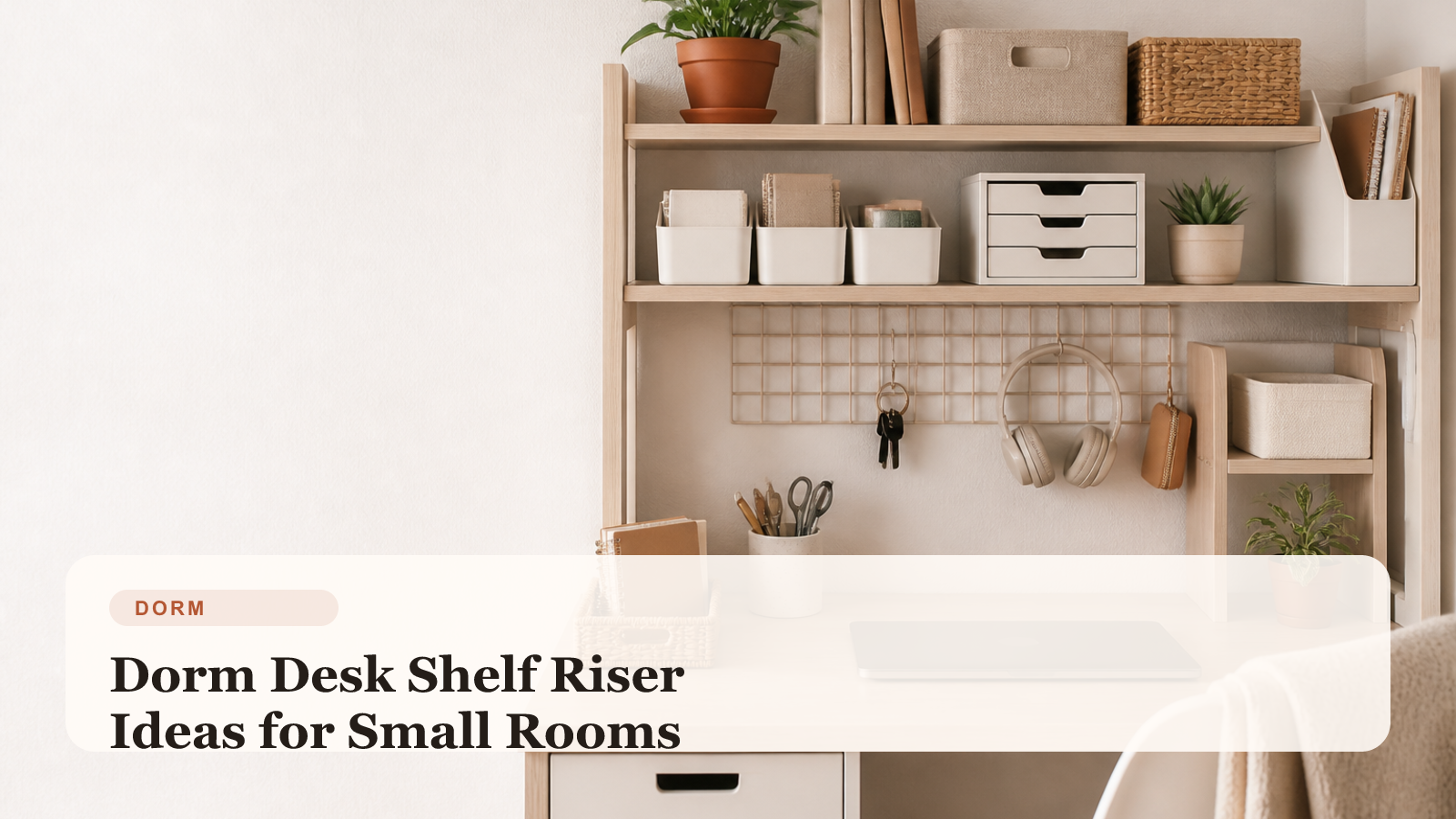
Dorm Desk Shelf Riser Ideas for Small Rooms
This guide focuses on one smart dorm desk upgrade: how a shelf riser can create more storage without turning a tiny study setup into visual clutter.

Dorm Move-In Packing Zone Ideas for Small Rooms
This guide focuses on one stressful dorm moment: how to build a packing zone that keeps move-in supplies, bedding, toiletries, and daily essentials easier to manage.
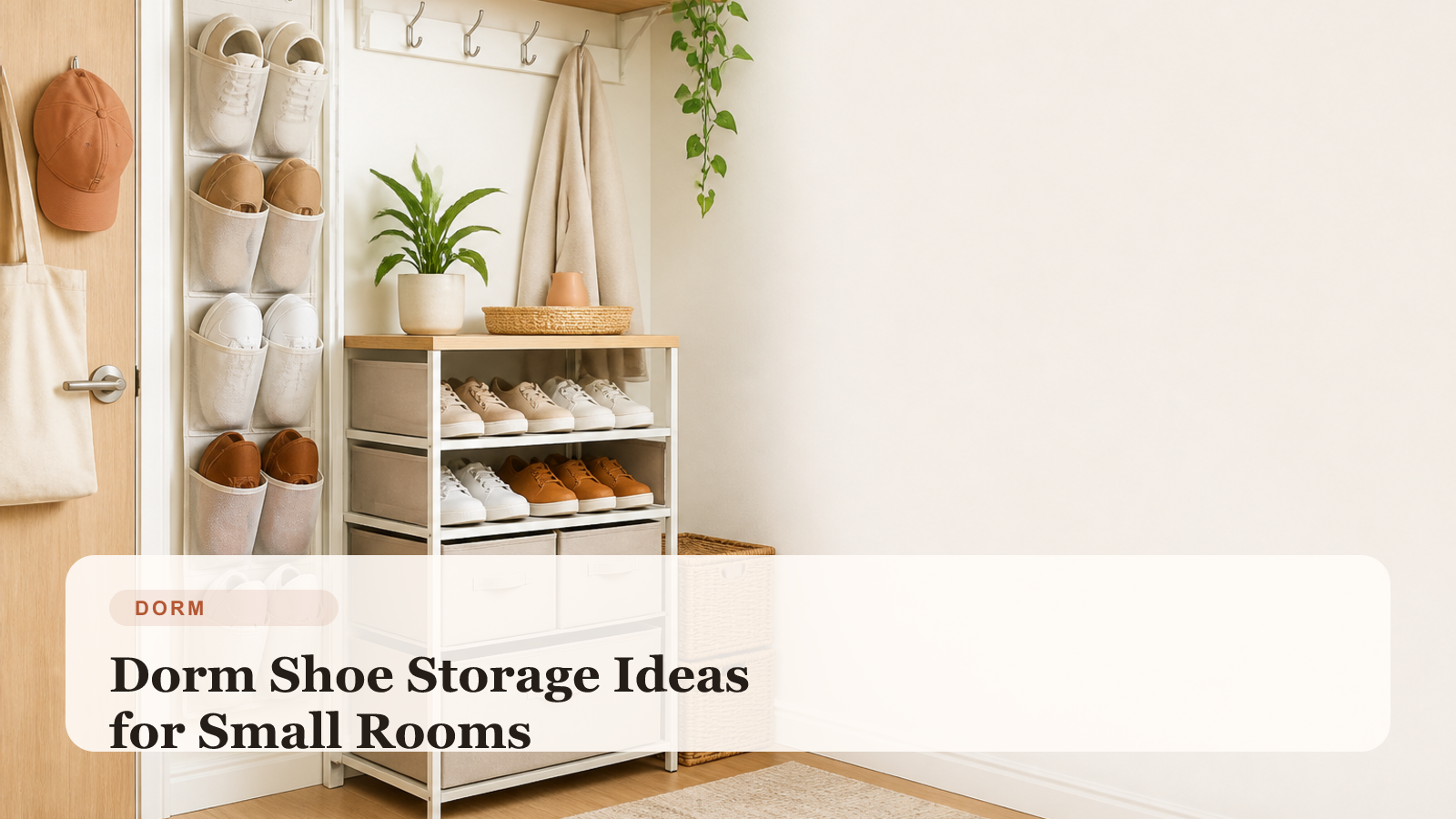
Dorm Shoe Storage Ideas for Small Rooms
This guide focuses on one common dorm mess: how to organize shoes so the floor stays clearer and the room feels easier to keep tidy.
Editorial note
TidyHaven guides are written for practical, renter-aware small-space living. Pages may be updated over time for clarity, freshness, and better real-world usefulness.