
Narrow Entryway Storage Ideas for Small Apartments on a Budget
Solve a tight hallway or narrow apartment entry with slim storage, wall-friendly hooks, and space-saving layout ideas that preserve the walkway.
Quick takeaways
- Leverage vertical space through adhesive hooks and wall organizers for clutter-free entryways.
- Choose multipurpose and slim furniture pieces that provide storage and seating without crowding.
- Employ budget-friendly hacks using everyday items like baskets and hanging organizers.
- Use mirrors and lighting strategically to brighten and visually expand small entryways.
- Adopt daily and seasonal habits to maintain an orderly and functional entryway.
- Select renter-friendly solutions that avoid permanent modifications and damage.
Start with the walkway, not the storage
Begin by taking detailed measurements of your entryway’s length, width, and ceiling height to understand the available space and avoid overcrowding. In a narrow entryway, the first priority is keeping the path clear enough to walk through comfortably. Storage only helps if it does not make the hallway feel tighter.
Most small apartment entryways are compact, often between 3 to 6 feet wide and 4 to 8 feet long, so precise measurements will help determine the appropriate storage solutions. Consider the layout and traffic flow to identify the best placement for storage without blocking pathways or natural light. Review your lease agreement carefully for any restrictions related to modifications such as drilling holes, nailing, or painting walls. Many landlords restrict permanent alterations, so plan to use damage-free alternatives like adhesive hooks, tension rods, or freestanding furniture. Assess the wall material (drywall, plaster, concrete) to know what kind of adhesive products or hardware will hold securely without damage. Testing small inconspicuous areas can help avoid costly mistakes.
- Measure width, length, and ceiling height accurately with a tape measure.
- Identify natural light sources and consider traffic flow patterns.
- Review lease details for restrictions on wall modifications.
- Note wall materials for suitable adhesive or mounting options.
Use vertical storage to free the floor
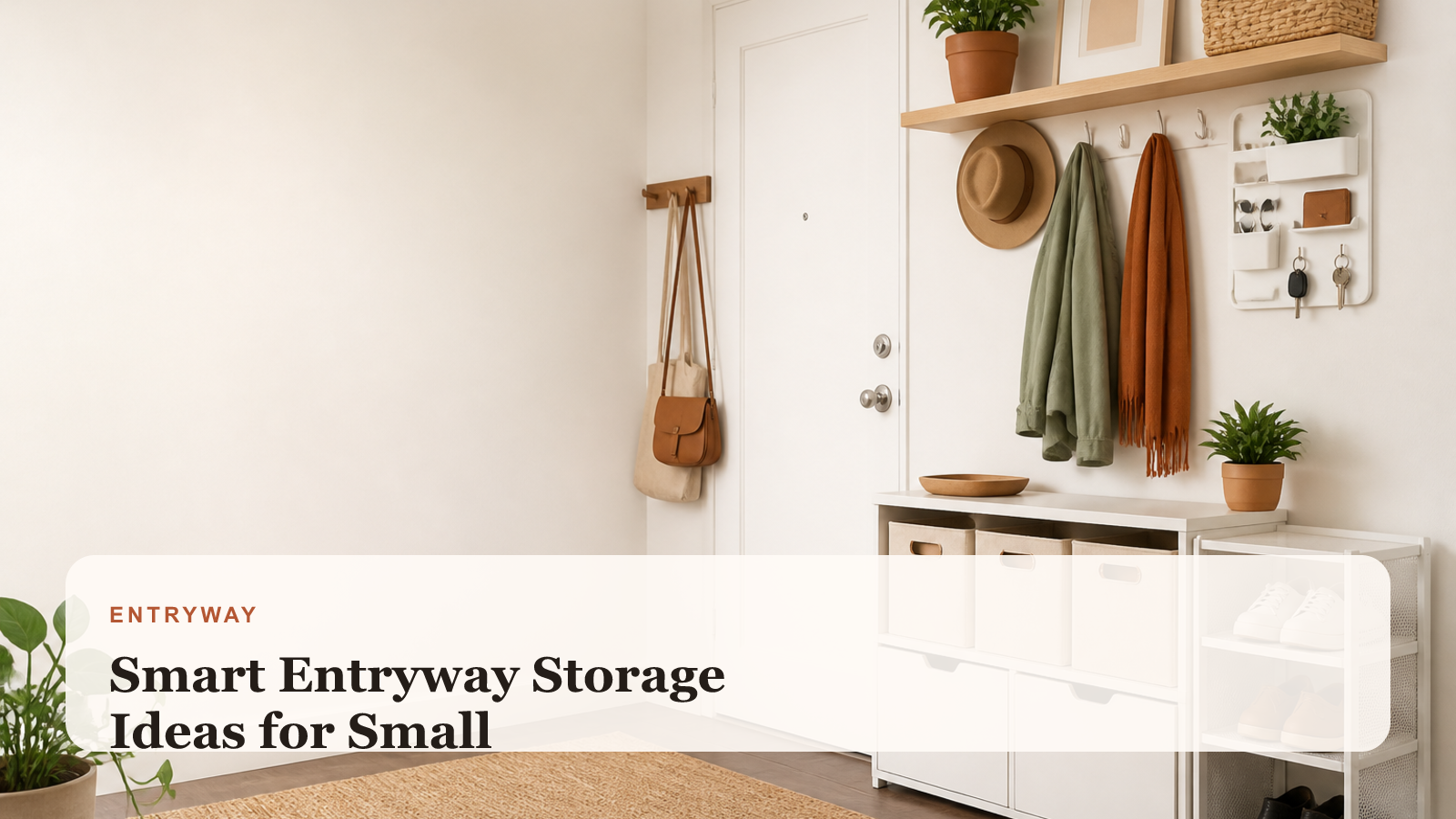
Vertical space is often overlooked but crucial in small entryways. Using adhesive or Command™ hooks can instantly create storage for coats, bags, keys, and umbrellas without drilling holes or damaging walls. To optimize usability, group hooks by function and height — for example, lower hooks for backpacks or reusable bags, mid-level for coats, and higher for hats or scarves. This organization streamlines daily routines and keeps items visible. Wall-mounted organizers with multiple pockets or slim shelves offer storage for mail, sunglasses, masks, and small essentials. Lightweight, fabric-based pocket organizers or modular units easily adhere to walls and can be removed when moving. Consider installing tension rods between two walls or within a narrow alcove to hang baskets or lightweight items. These can be adjusted without hardware and provide additional storage layers. If your entryway has a narrow wall space, a vertical pegboard or grid wall system can be a versatile solution. Attach baskets, hooks, or shelves to customize storage for your specific needs.
- Clean the wall surface thoroughly with rubbing alcohol and allow it to dry before applying adhesive hooks to ensure maximum adhesion.
- Plan hook placement by grouping them in clusters based on item type and frequently accessed heights.
- Install a slim wall organizer or hanging pocket storage next to the door for mail and daily essentials.
- Use a tension rod across narrow alcoves to hang lightweight baskets or hangers for seasonal accessories.
- Mount a small pegboard or grid panel using damage-free strips to customize with hooks and shelves.
Choose slim furniture that respects the path
Furniture with a slim profile (10-15 inches deep) fits small entryways without crowding and provides functional storage or seating. Look for narrow shoe benches with hinged tops that double as seating and offer concealed storage for shoes or outdoor gear. Console tables with drawers or open cubbies add surface space for keys, mail, and decorative items while providing storage below. Lightweight, modular pieces can be moved easily and adapt as your needs change. Multipurpose furniture is ideal for small spaces — examples include benches with shoe racks underneath, storage ottomans, or foldable console tables that can be tucked away when not in use. Choose furniture made from easy-to-clean materials such as laminate or painted wood to simplify maintenance in high-traffic areas. If your entryway lacks floor space, consider wall-mounted fold-down benches or tables that can be tucked away after use.
- Select narrow shoe benches with storage compartments under hinged lids.
- Choose slim console tables with drawers or cubbies for sorting small items.
- Look for lightweight, modular furniture for easy repositioning and cleaning.
- Consider fold-down or wall-mounted furniture to preserve floor space.
- Prioritize furniture made from low-maintenance materials.
Budget-friendly storage hacks for narrow entries
Creative repurposing of household items can yield affordable entryway storage solutions. Hanging shoe organizers, typically used in closets, can be installed on the back of entry doors to store small accessories such as gloves, hats, masks, and mail supplies. Dollar stores and thrift shops offer inexpensive baskets, crates, and bins that can corral shoes, pet supplies, or kid’s outdoor gear. Label each container clearly to speed up organization and retrieval. Stack crates vertically to create a makeshift shelving unit for shoes or bags. Stabilize stacks by securing them with removable velcro strips or placing heavier items on the bottom to prevent tipping. Use magnetic strips attached inside a narrow box or on the wall to hold metallic items like keys or small tools, eliminating clutter on counters or tables. Repurpose a small dish rack or utensil organizer as a mail sorter or charging station for phones and devices near the entryway.
- Hang a shoe organizer on the back of the entry door using over-the-door hooks for small item storage.
- Purchase or collect baskets and crates from dollar stores to store and categorize shoes or accessories.
- Label containers with chalkboard labels or printable tags to maintain order.
- Stack crates vertically if floor space is limited, securing them with removable adhesive strips or velcro.
- Attach magnetic strips inside a shallow box or on the wall to organize metal keys and clips.
Use mirrors and lighting to make the entry feel wider
Mirrors can significantly brighten and visually expand small entryways. Choose a narrow, full-length mirror or one with integrated storage such as hooks or small ledges to combine function and style. Position mirrors opposite or adjacent to natural light sources to bounce light around the space, making it feel larger and more inviting. Incorporate affordable LED strip lights or battery-operated puck lights behind shelves, under cabinets, or beside furniture to brighten dark corners without electrical work or wall damage. Install stick-on motion sensor lights near storage zones to improve visibility and convenience when entering your apartment carrying bags or keys. Consider mirrors with decorative frames that complement your décor, adding personality while serving practical needs.
- Choose slim wall-mounted mirrors with built-in hooks or shelves for multifunctional use.
- Place mirrors to reflect natural light and enhance brightness.
- Use battery-operated LED strip lights or puck lights to illuminate storage areas.
- Install motion-sensor stick-on lights for convenience and safety.
- Select mirrors with stylish frames to add visual interest.
Keep a narrow entryway from tightening up again
Maintaining an organized entryway requires consistent habits. Establish a daily 5-minute routine to put away shoes, hang coats, and return misplaced items to their designated spots, preventing clutter accumulation. Schedule a weekly mail sorting session to avoid paper buildup, using wall-mounted organizers or small bins for recycling junk mail promptly. Rotate seasonal footwear and outerwear regularly by storing off-season items in labeled bins high on shelves or under beds, keeping only current season items accessible near the door. Use visual cues like color-coded baskets or hooks for family members to easily identify their storage areas, reducing mix-ups and lost items. Periodically reassess your storage setup and declutter unused or duplicate items to maintain efficiency and adapt to changing needs.
- Dedicate 5 minutes each day to tidy up shoes, coats, bags, and return items to storage.
- Sort and process mail weekly, discarding junk and organizing important documents.
- Seasonally swap out footwear and outerwear, storing off-season items in labeled bins.
- Use color-coded baskets, labels, or hooks to differentiate family members’ belongings.
- Review entryway storage quarterly to declutter and optimize space.
Final thought
Small apartments often present unique entryway challenges, but narrow spaces can work well when the walkway stays protected. Slim storage, vertical solutions, and a low-visual-noise layout help the area function without making it feel pinched every time you come through the door.
Keep reading
Related guides worth reading next
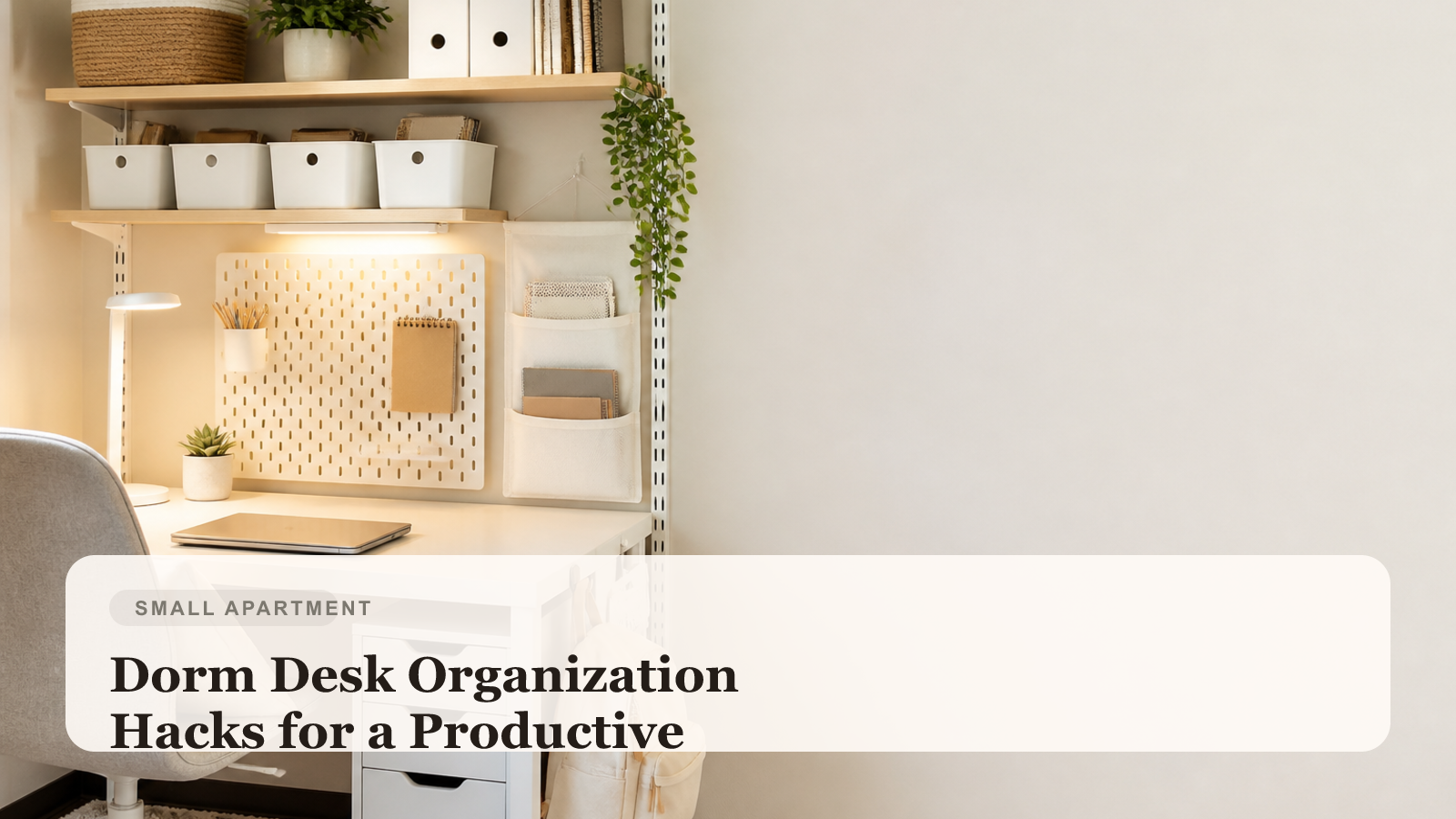
Dorm Desk Organization Hacks That Save Space Fast
Try fast dorm desk organization hacks that clear visual clutter, improve storage, and make a small study setup easier to use every day.
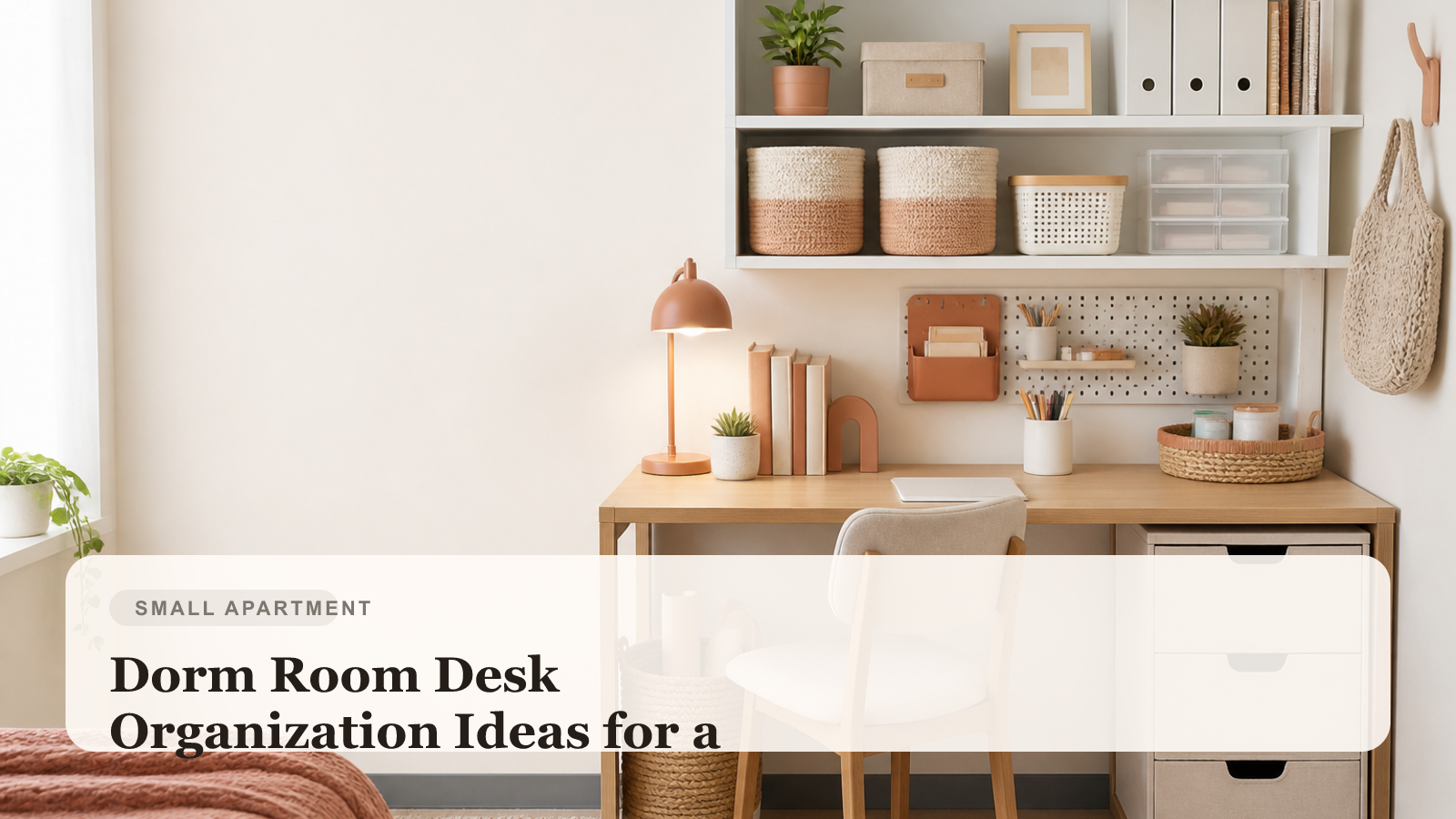
Summer Dorm Desk Organization Ideas for Better Study Focus
Use a quick summer desk reset, smarter organizers, and easy storage zones to make a dorm study setup feel cleaner and easier to use.
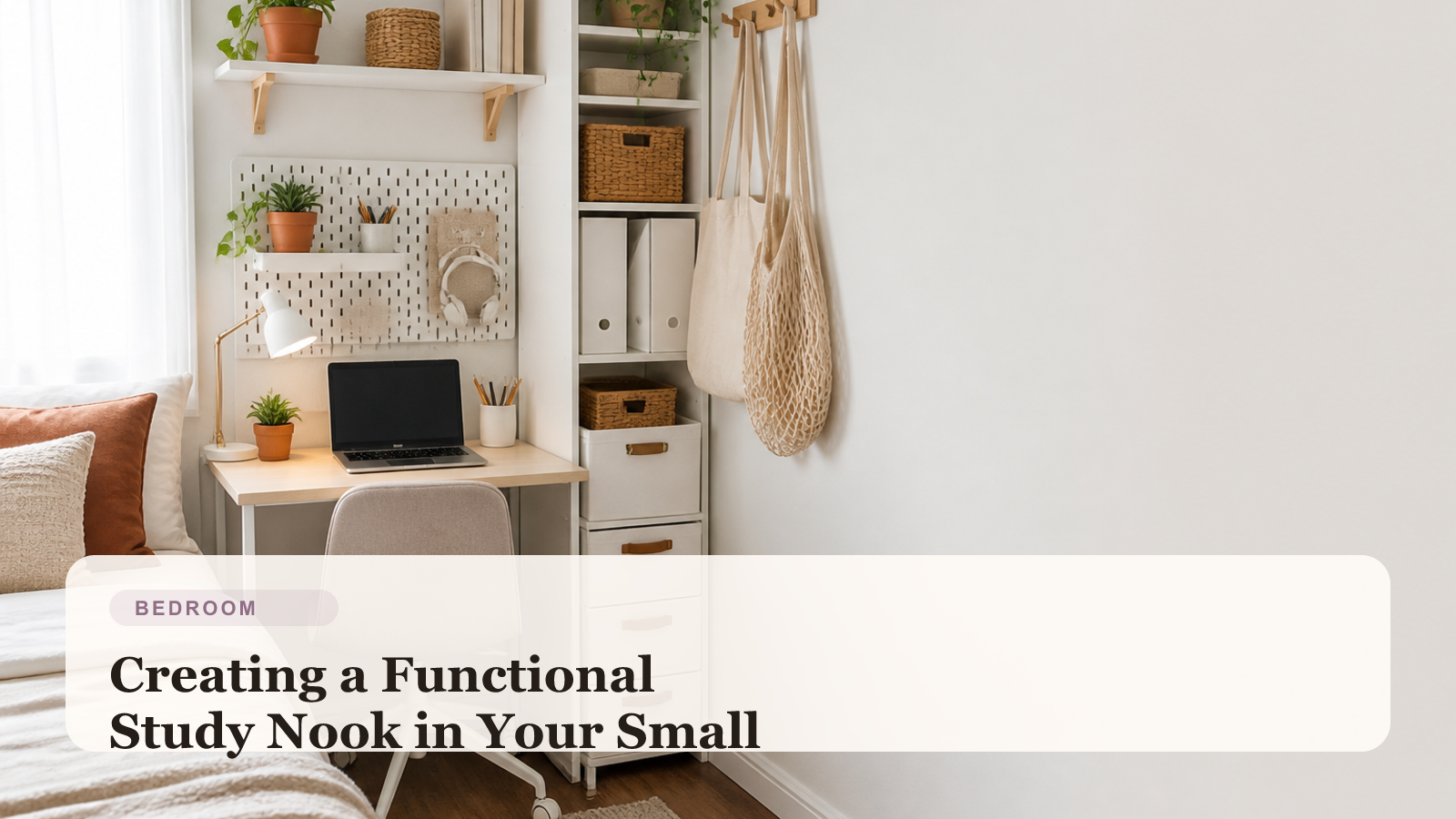
Small Apartment Study Nook Ideas for Better Focus
Create a focused study nook in a small apartment bedroom with space-saving storage, better lighting, and renter-safe setup ideas.
Editorial note
TidyHaven guides are written for practical, renter-aware small-space living. Pages may be updated over time for clarity, freshness, and better real-world usefulness.