
15 Genius Storage Hacks for Tiny Apartments
Use overlooked walls, furniture gaps, and vertical zones to make a tiny apartment feel calmer and more functional.
Quick takeaways
- Store by daily routine, not by room labels alone.
- Use the vertical line from floor to ceiling before buying more furniture.
- Keep one open basket in each zone for quick resets.
Small apartments usually do not fail because there is no storage. They fail because the storage is scattered, shallow, or hard to maintain. A better setup comes from finding repeat clutter, giving it a home, and making that home easier to use than the floor or countertop.
1. Treat every wall like usable square footage
Blank wall space is often the cheapest storage upgrade in a studio or one-bedroom apartment. A slim leaning shelf, adhesive hooks, or a narrow rail can hold items you reach for constantly without adding bulk to the room.
Use wall storage for:
- Bags and hats near the door
- Cleaning tools inside a laundry nook
- Lightweight pantry overflow in the kitchen
- Bedside items when you do not have room for a nightstand
2. Use furniture with a second job
In small homes, every large piece should earn its footprint. A bench that hides shoes, a coffee table with shelves, or a bed frame with room for bins adds storage without creating visual chaos.
Before buying anything new, ask:
- Can this replace another item I already own?
- Can it hide clutter that currently sits out?
- Will it block walking space or door swing?
3. Build landing zones for repeat clutter
The fastest way to make a small apartment feel tidy is to stop clutter from wandering. Create a simple landing zone anywhere mess appears daily.
Good examples include:
- A tray for keys, wallet, and mail
- A basket for throw blankets
- A small bin under the bathroom sink for backup supplies
- One catch-all basket in the bedroom for items that need to be put away later
4. Go narrower, not deeper
Deep bins look efficient but waste space when you forget what is in the back. In compact apartments, narrower containers are usually easier to maintain because you can pull them out quickly and see everything.
Choose:
- Open-top baskets for quick-grab items
- Clear bins for pantry and under-sink storage
- Low-profile bins for under-bed use
- Shelf risers to double vertical cabinet space
5. Organize around motion
Think about how you actually move through the apartment. If you make coffee before work, keep mugs, beans, and filters in one compact station. If you always drop gym clothes near the bedroom door, place a slim hamper there instead of fighting the habit.
This approach works because it reduces friction. The easier a system is to use when you are tired, the longer it survives.
6. Reserve premium space for daily items
The best shelves, drawers, and eye-level storage should go to things you use often. Special occasion platters, seasonal decor, and extra linens can live higher up or farther back.
Premium space includes:
- Eye-level pantry shelves
- The top drawer of a dresser
- The cabinet closest to the stove
- The first basket by the entry
7. Run a ten-minute reset every evening
Tiny apartments feel messy faster because every item is visible. A short reset matters more than an occasional marathon clean.
Try this order:
- Clear counters.
- Return wandering items to their landing zones.
- Fold blankets and fluff pillows.
- Empty the sink.
- Reset tomorrow’s high-traffic area first.
Final thought
The smartest small-apartment storage hack is not buying more bins. It is designing a home that fits your real habits. Start with one frustration point, simplify the zone, and choose storage that stays easy on your busiest day.
Keep reading
Related guides worth reading next
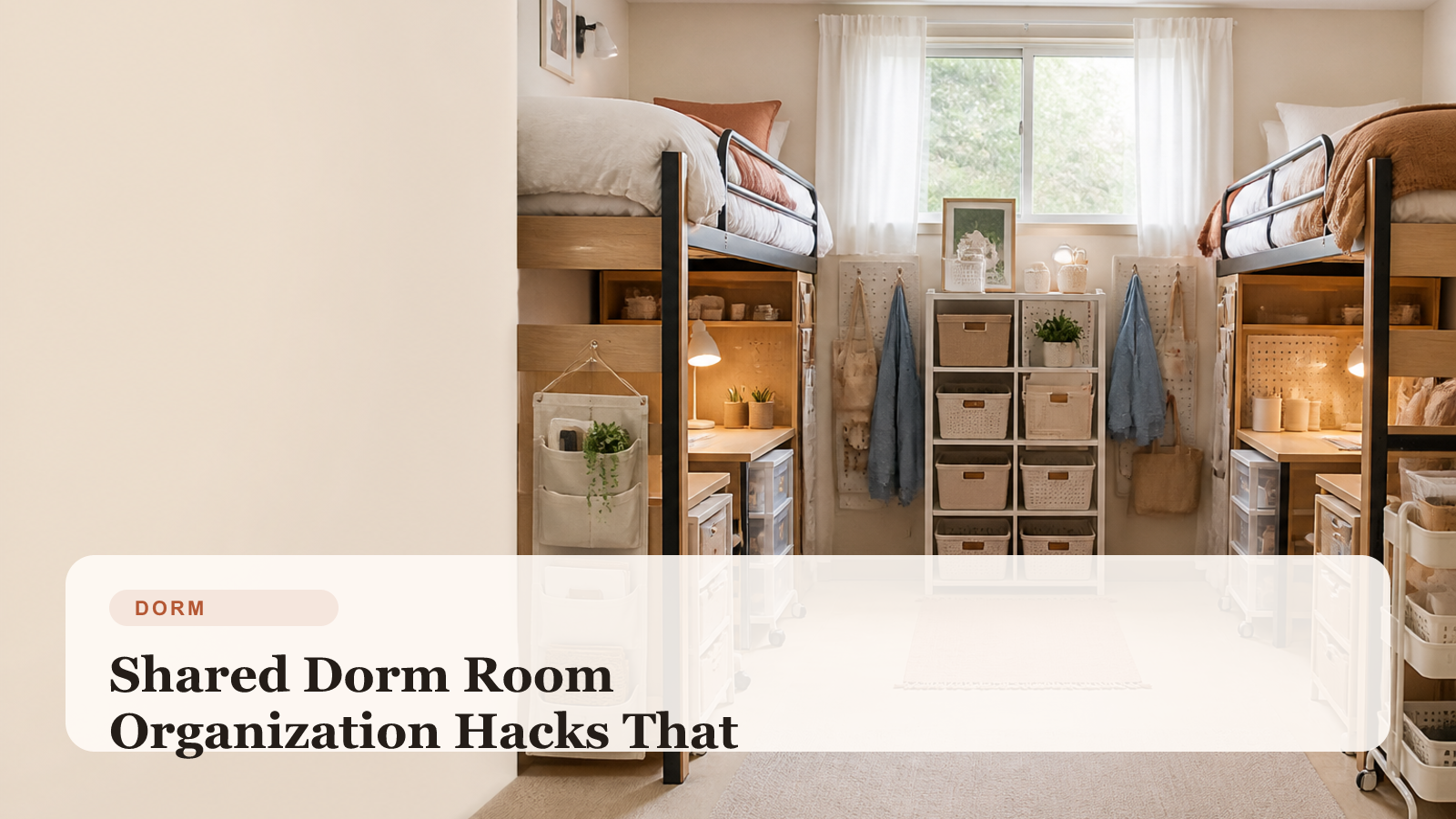
Shared Dorm Room Organization Hacks That Actually Reduce Clutter
This dorm guide focuses on shared-room organization: how roommates can divide storage, protect walkways, and set up systems that are realistic during a busy semester.
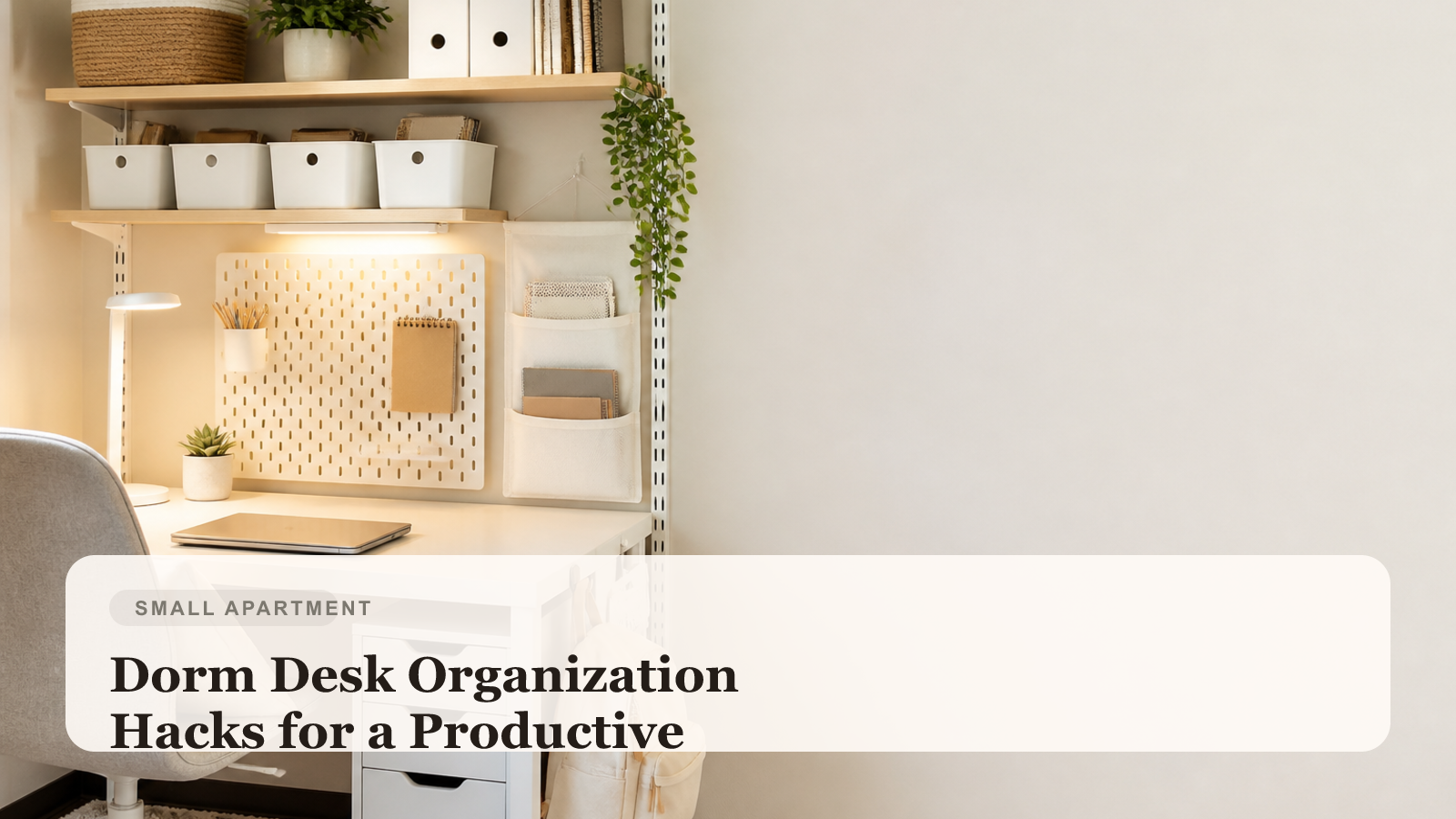
Dorm Desk Organization Hacks That Save Space Fast
Try fast dorm desk organization hacks that clear visual clutter, improve storage, and make a small study setup easier to use every day.
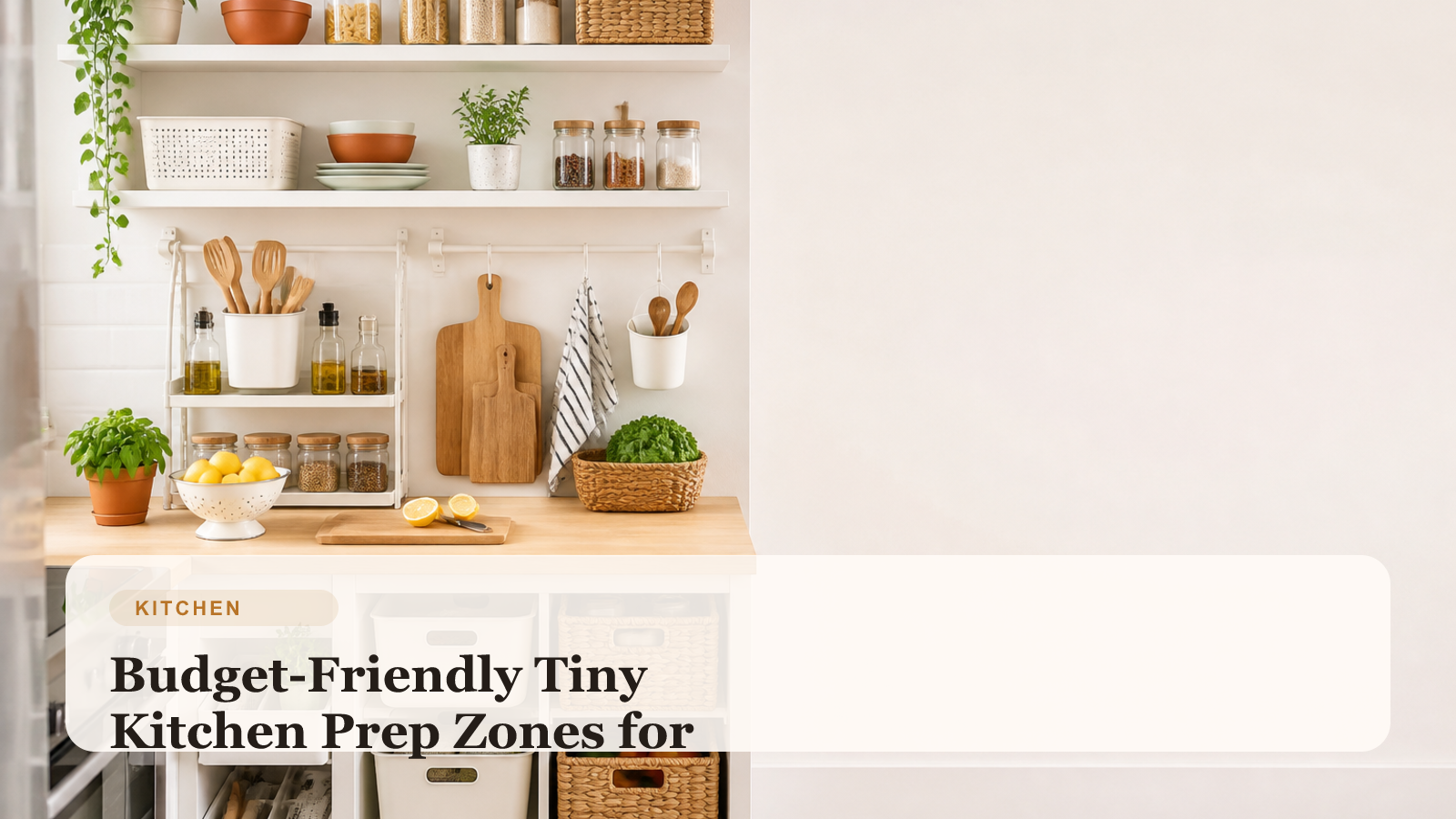
Tiny Kitchen Prep Zones for Easier Summer Cooking
Create better prep zones in a tiny kitchen with budget-friendly storage ideas that make summer cooking feel less crowded and more practical.
Editorial note
TidyHaven guides are written for practical, renter-aware small-space living. Pages may be updated over time for clarity, freshness, and better real-world usefulness.